The Ward
"The Master returns for one last institutional nightmare."
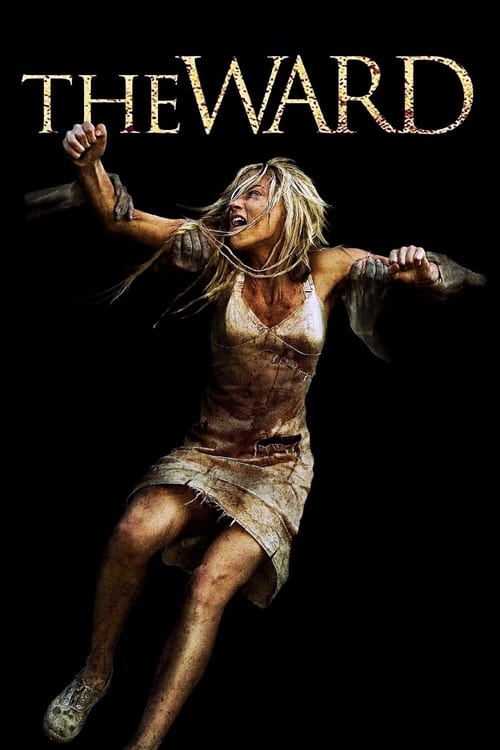
The silence was deafening for a full decade. After the loud, metallic, and—let’s be honest—disastrous Ghosts of Mars in 2001, John Carpenter basically vanished from the director’s chair. We spent the 2000s watching his peers like Wes Craven and George A. Romero struggle to find their footing in a digital landscape, while the "Master of Horror" himself seemed content to play video games and collect royalty checks. Then, in 2010, The Ward appeared. It wasn’t the grand, synth-heavy comeback we’d spent ten years daydreaming about; instead, it was a lean, claustrophobic ghost story that felt like it belonged to a different decade entirely.
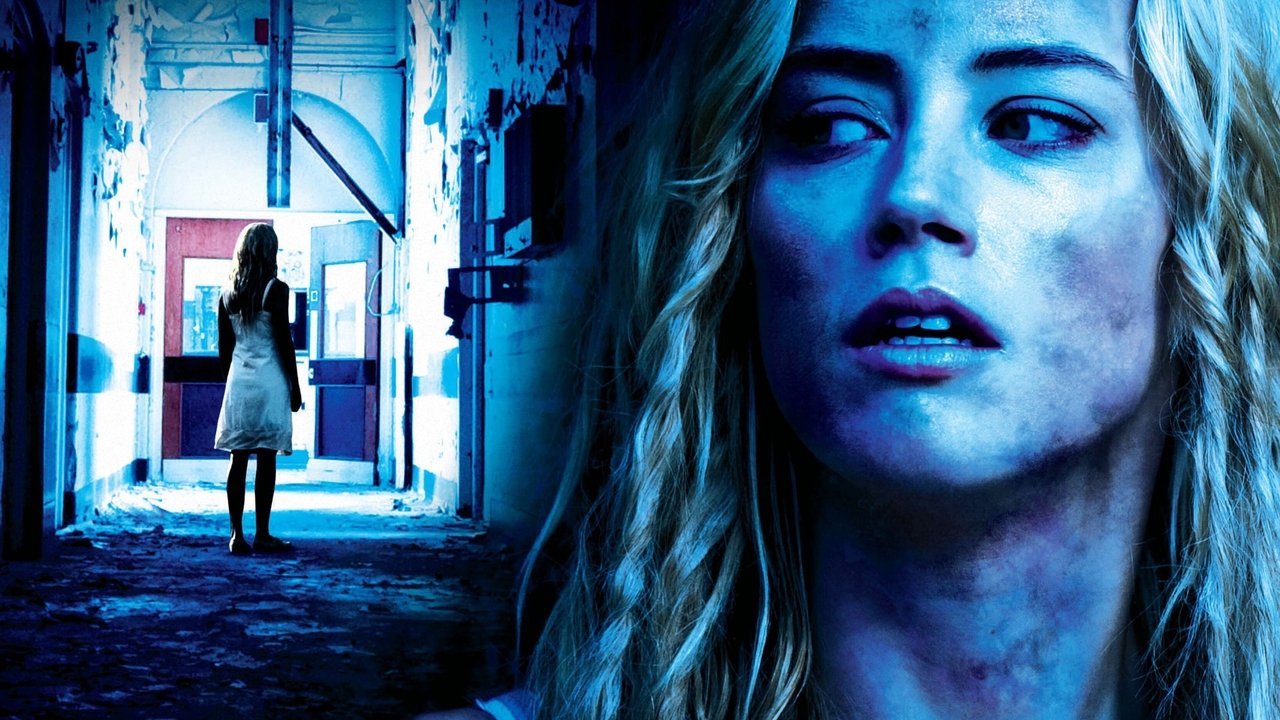
I watched this film on a Tuesday evening while wearing a pair of incredibly itchy wool socks I’d found in the back of my drawer. The constant, low-level irritation of the fabric against my ankles somehow felt appropriate for a movie set in a 1960s psychiatric hospital. It’s a film about being trapped, and while it doesn't reach the heights of The Thing (1982) or Prince of Darkness (1987), there’s a professional, workmanlike quality to it that I’ve grown to appreciate more as the years pass.
A Master in a Digital Room
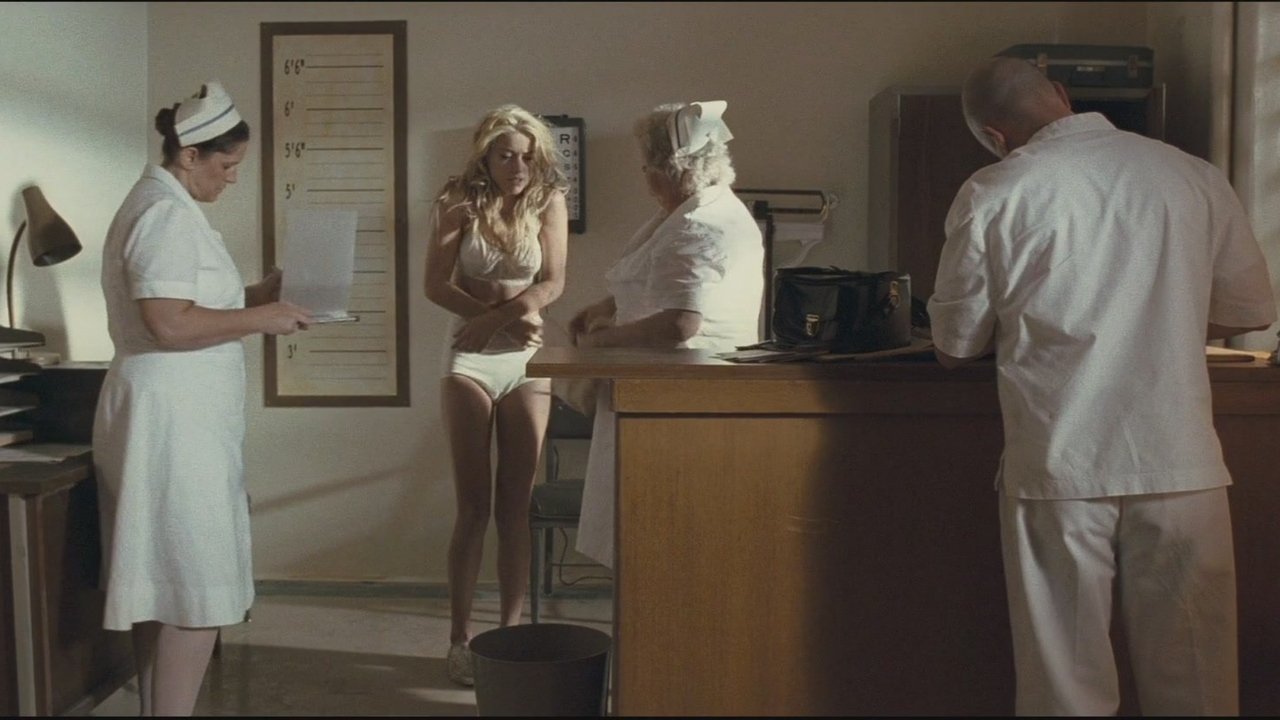
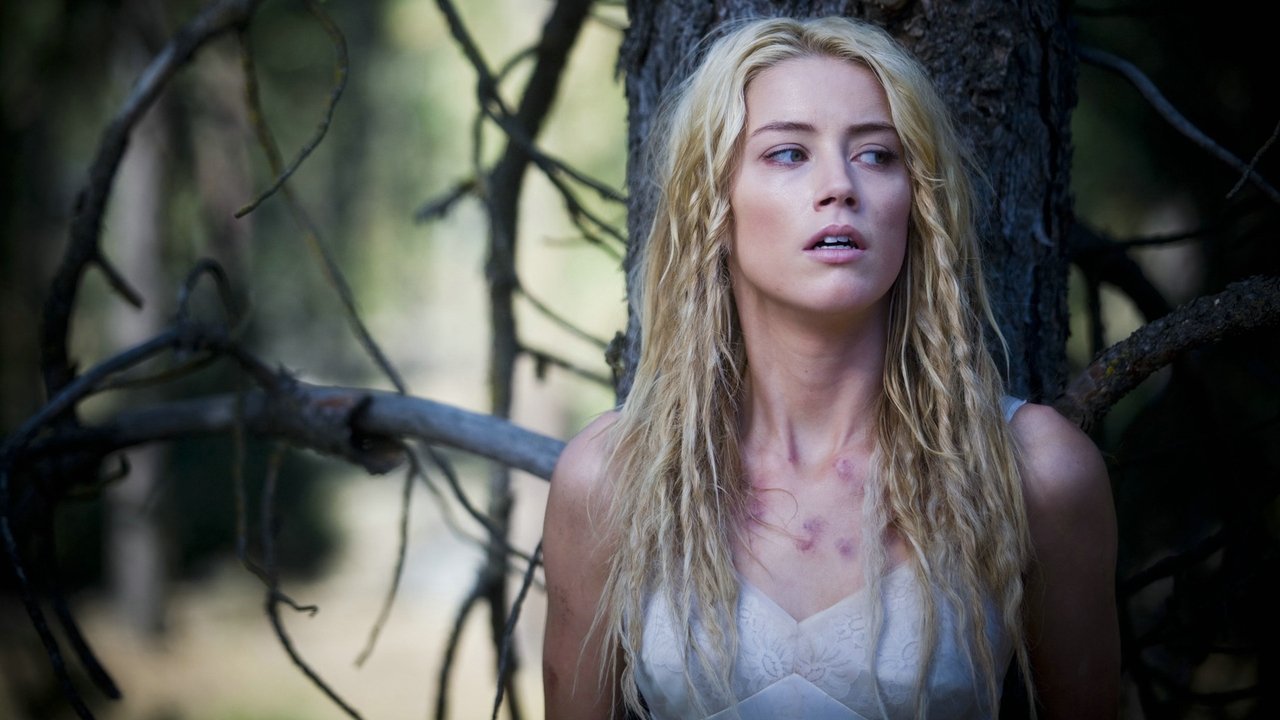
The plot is deceptively simple: Amber Heard (well before the tabloid era) plays Kristen, a young woman who burns down a farmhouse and finds herself locked in the North Bend Psychiatric Hospital. There, she meets a small group of fellow patients—played by Mamie Gummer, Danielle Panabaker, Laura-Leigh, and Lyndsy Fonseca—all of whom are being picked off one by one by a vengeful, decaying ghost named Alice. Jared Harris (giving us a preview of his gravitas in Chernobyl) lurks in the hallways as the head doctor, looking like a man who knows exactly what’s behind the curtain but is too tired to explain it.
What’s fascinating about The Ward in retrospect is how it sits at the crossroads of horror history. Released in 2010, it was competing with the tail end of the "torture porn" craze and the rise of the Paranormal Activity found-footage boom. Carpenter, ever the traditionalist, ignored all of that. He shot the film with a classical, steady hand. There are no shaky cams or extreme gore for the sake of shock. It’s an old-school haunted hallway movie that happens to be shot on digital, which gives it a weirdly clean, almost sterile look that occasionally clashes with its gritty, 1960s setting.
The Ghost of Style Past
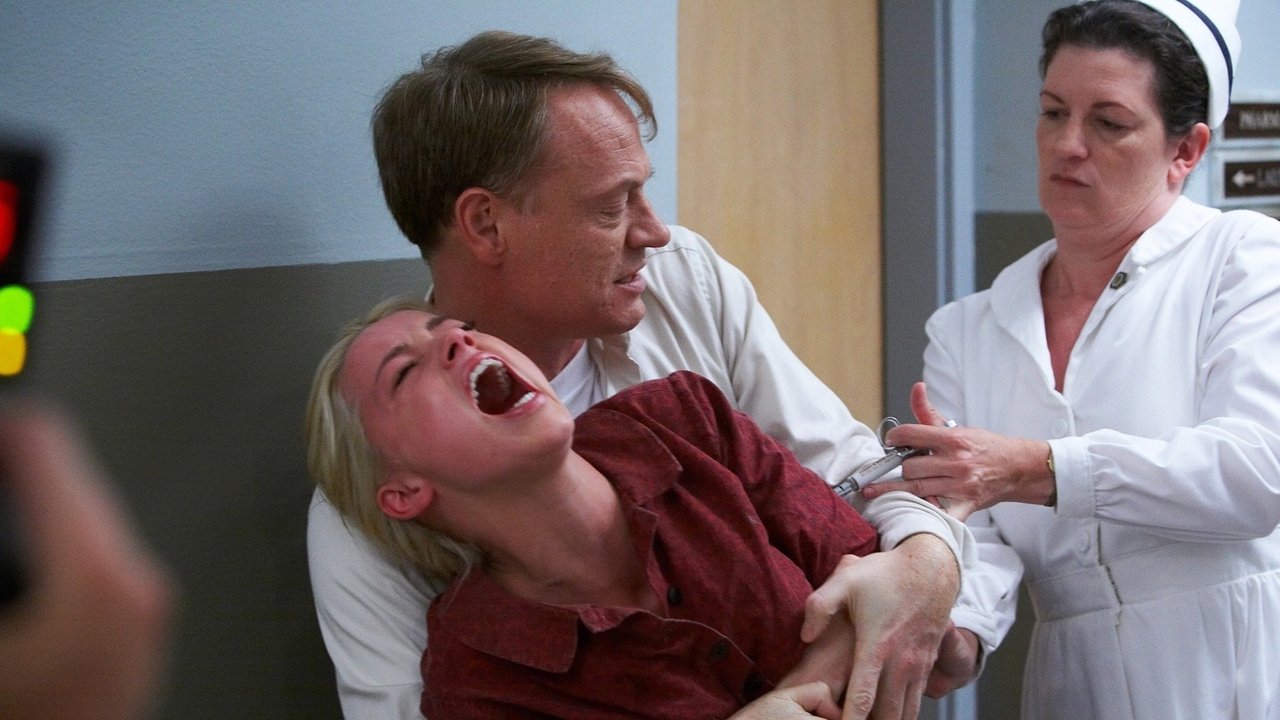
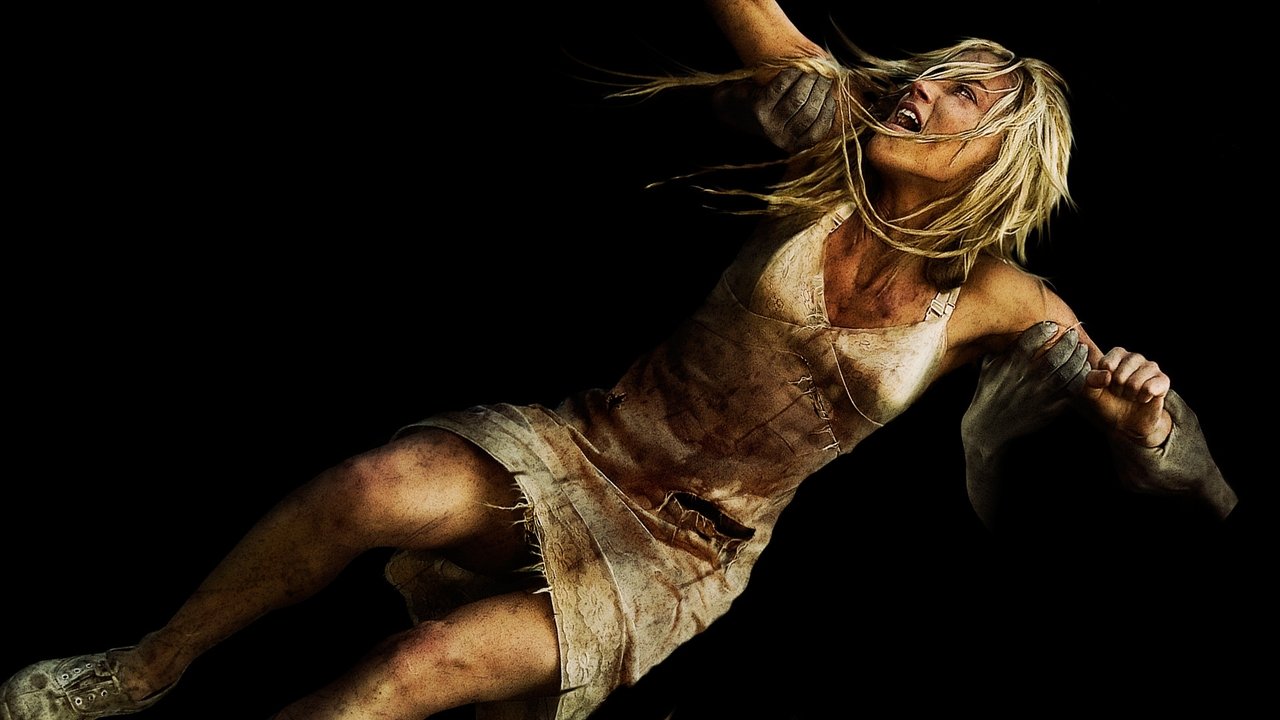
The makeup effects, handled by the legends at KNB EFX Group, are actually quite solid. The ghost of Alice is looking like a rejected guest from a My Chemical Romance video, with her stringy hair and rotting skin, but the kills have a tactile weight to them. There’s an eye-stabbing scene involving a needle that made me audibly hiss (and briefly forget about my itchy socks). It’s in these moments that you see the Carpenter of old—the man who knows exactly where to put the camera to make a jump scare feel earned rather than cheap.
However, the elephant in the room is the music. For the first time in forever, John Carpenter didn't compose his own score. Instead, Mark Kilian took the reins. It’s a perfectly functional, creepy orchestral score, but its lack of those iconic, pulsing 4/4 time-signature synths makes the whole thing feel slightly "anonymous." It’s like buying a brand-name soda and finding out it was bottled with the generic supermarket recipe. It’s still bubbly, but the bite is missing.
Why Did This One Slip Away?
The Ward vanished from theaters almost instantly, clawing back barely half of its $10 million budget. I suspect it’s because it’s a movie without a country. It was too traditional for the kids looking for the next Saw, and it was too modest for the die-hard Carpenter fans who wanted another Big Trouble in Little China. It also suffers from a twist that you can see coming from the next county over, a trope that felt particularly exhausted by 2010 thanks to films like Shutter Island and Identity.
The production was famously tight, filmed at the Eastern State Hospital in Medical Lake, Washington. Apparently, the crew had to deal with the genuine creepiness of an abandoned wing of a real psych ward, which might explain why the atmosphere feels so much more authentic than the script. Amber Heard is a capable lead, bringing a physical toughness to Kristen that reminds me of the classic "Final Girls," but the script doesn't give her much to work with beyond "run down the hall" and "look confused."
Ultimately, The Ward is a fascinating footnote. It’s the final feature film from one of the greatest directors to ever touch the genre, and while it doesn't reinvent the wheel, it shows a master craftsman just trying to tell one more scary story before the lights go out. It’s not a masterpiece, but it’s a solid, B-movie ghost story that deserves a second look—if only to see how the old guard tried to navigate the new world. If you find yourself with 90 minutes to kill on a rainy night, you could do far worse than checking into North Bend. Just leave the itchy socks in the drawer.
Keep Exploring...
-

Village of the Damned
1995
-
Untraceable
2008
-

The Invasion
2007
-

Silent Hill: Revelation 3D
2012
-
The Tall Man
2012
-
Time Lapse
2014
-

The Gift
2000
-
What Lies Beneath
2000
-
House of Wax
2005
-
The Skeleton Key
2005
-

The Omen
2006
-
Pandorum
2009
-

A Nightmare on Elm Street
2010
-
Devil
2010
-
Vampires
1998
-
After.Life
2009
-
Case 39
2009
-
The Last Exorcism
2010
-

Red Riding Hood
2011
-
Escape from L.A.
1996