Three Steps Above Heaven
"The higher you fly, the harder you fall."

The 2010s arrived with a specific kind of cinematic friction. We were moving away from the polished, almost sterile teen dramas of the early 2000s and into something that felt sweatier, louder, and significantly more dangerous. While Hollywood was busy figuring out how to make vampires sparkle, Spanish cinema dropped a hand grenade into the romance genre with Three Steps Above Heaven (Tres metros sobre el cielo). It’s a film that shouldn’t work as well as it does—it’s built on the "good girl meets bad boy" trope that’s been around since the invention of the motorcycle—but it executes that trope with such high-octane conviction that it transcends the cliché.
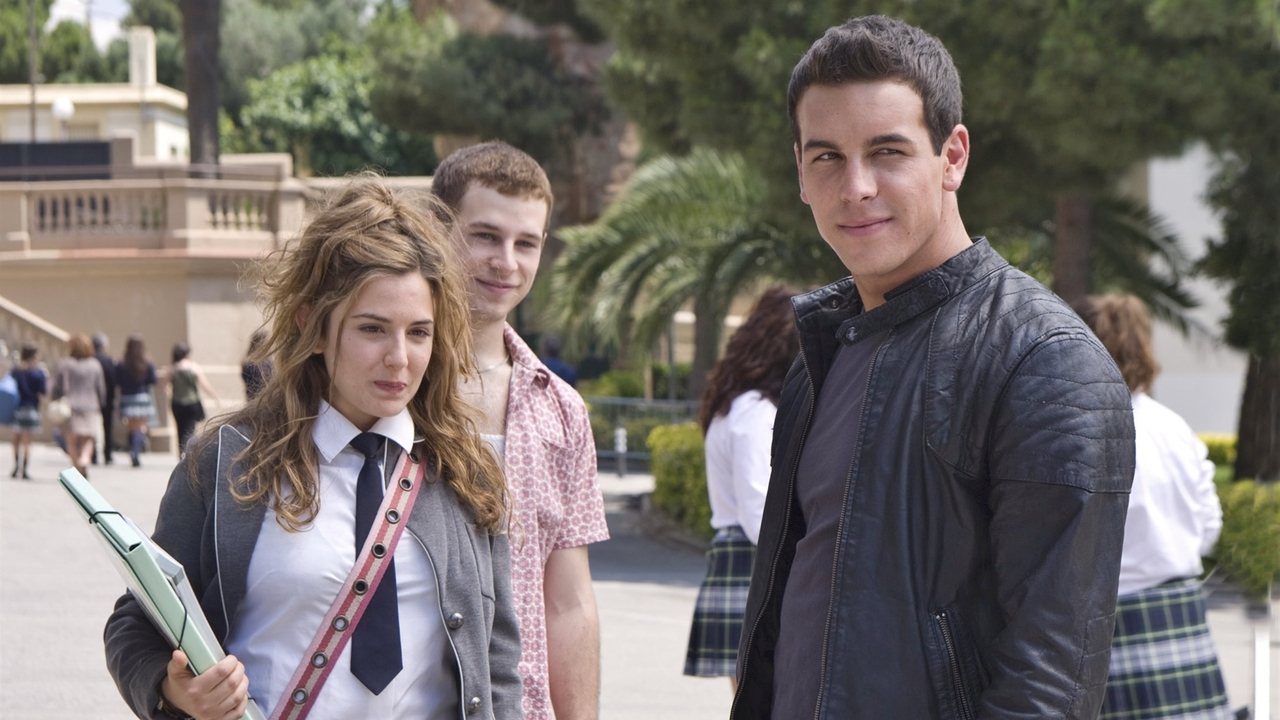
I remember watching this on a Tuesday night while trying to ignore a very persistent draft coming from my apartment's poorly sealed window, eating a slice of leftover tortilla española that had gone slightly rubbery in the microwave. Despite the cold air and the mediocre snack, the screen was radiating heat. There’s a specific, desperate energy to this movie that makes you feel like you’re seventeen again, convinced that a single heartbreak might actually be fatal.
The Architecture of a Heartbeat
At the center of this storm are Mario Casas and María Valverde. The chemistry here isn't just "good casting"; it’s the kind of screen-melting magnetism that usually ends in a tabloid frenzy. Mario Casas, playing the impulsive Hache, became an overnight icon for a reason. He carries himself with a physical volatility that suggests he might either kiss the heroine or jump off a bridge at any given second. Opposite him, María Valverde provides the necessary soul as Babi. She doesn’t play the "good girl" as a cardboard cutout; she plays her as someone who is deeply bored by her own safety.
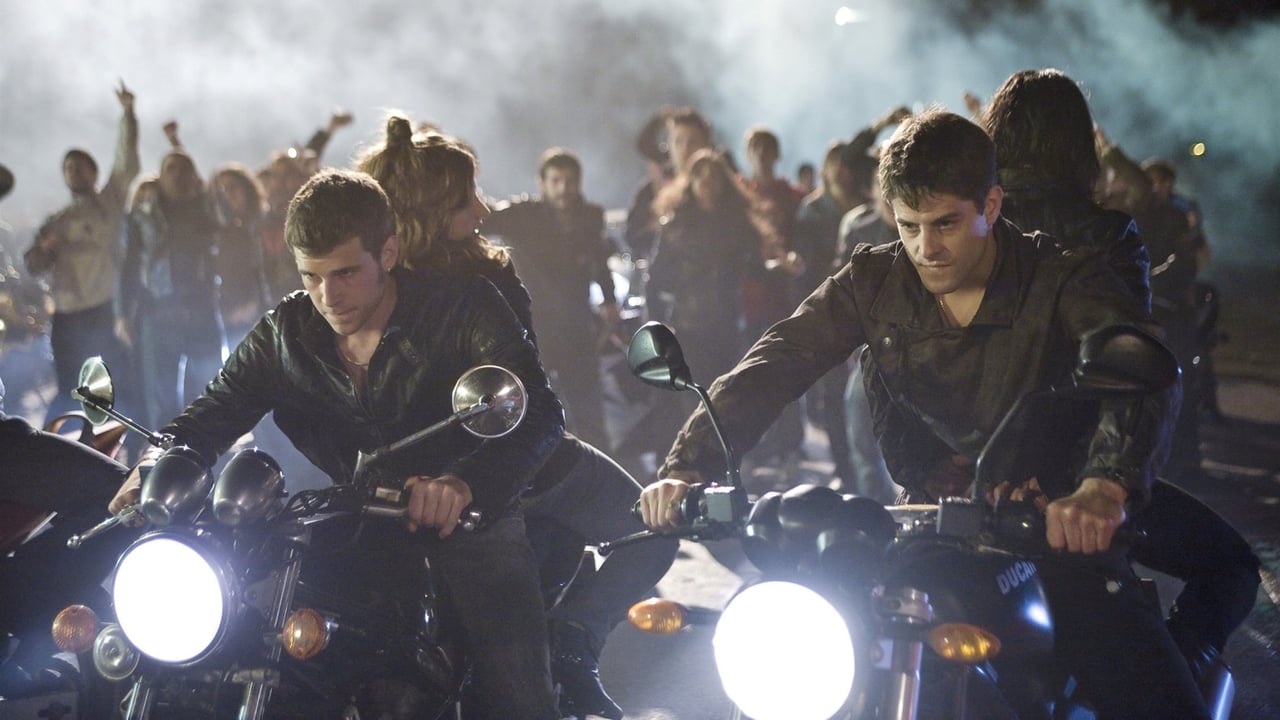
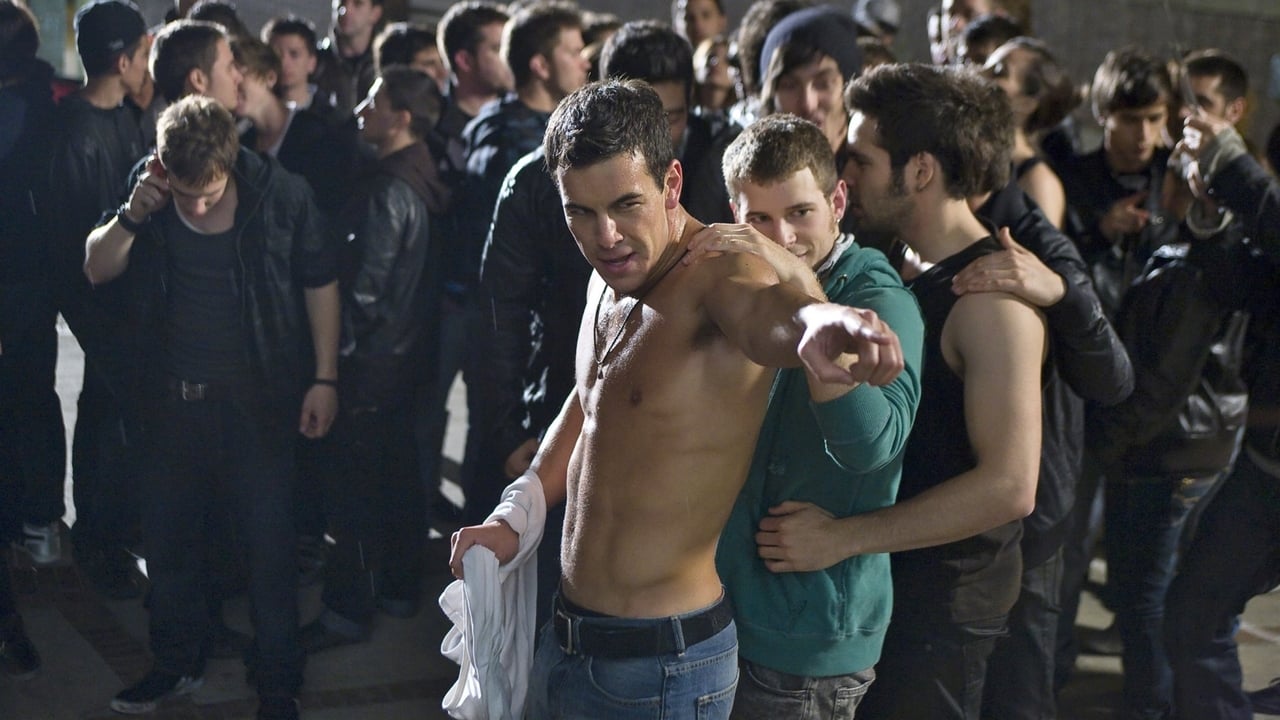
Director Fernando González Molina treats their romance not as a sweet coming-of-age story, but as a high-stakes thriller. The cinematography by Daniel Aranyó leans into the saturated, golden-hour aesthetics of the era, making the illegal motorbike races and the clandestine beach trips look like something out of a dream you’d have just before waking up with a fever. It’s glossy, yes, but it’s anchored by a surprising amount of grit. Hache isn't a misunderstood prince; he’s a deeply traumatized, violent young man whose "love" is often as destructive as his fists.
The Unbearable Weight of the "Point of No Return"
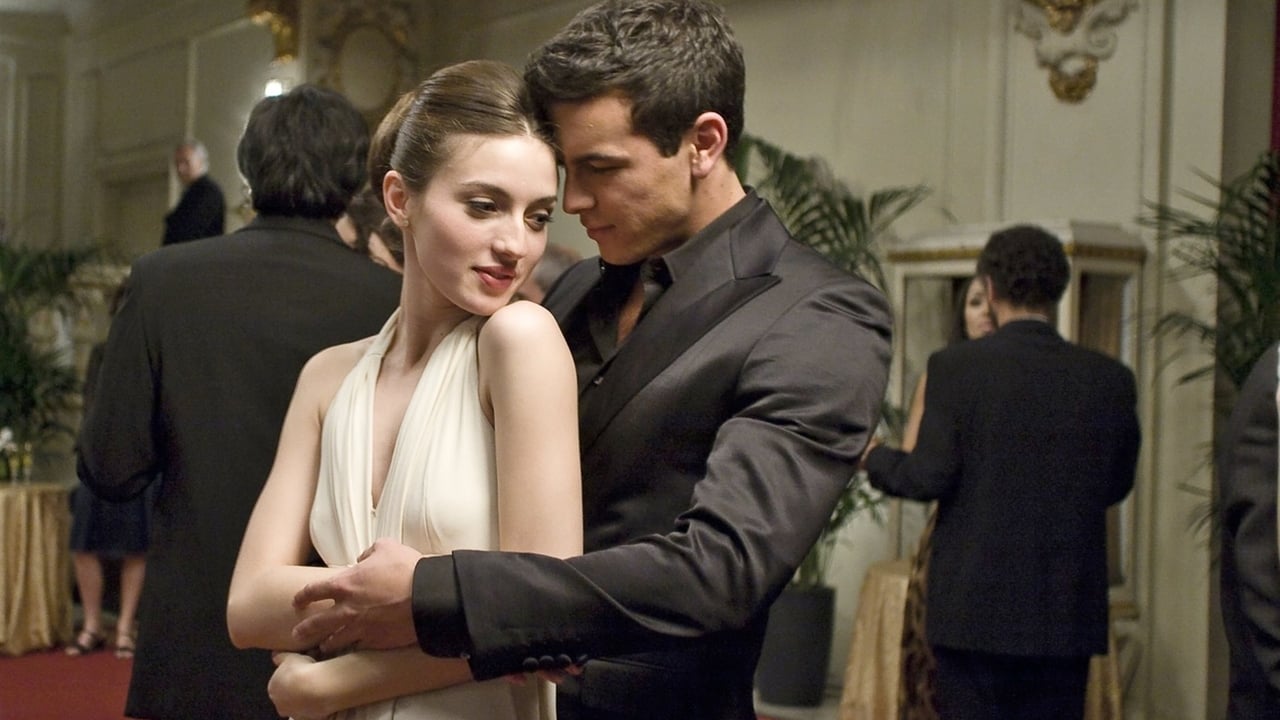
This is where the film earns its cerebral stripes. Beneath the leather jackets and the pop-rock soundtrack, Three Steps Above Heaven is a cynical dissection of the "First Love" myth. It poses a philosophical question that resonates long after the credits roll: Is the peak of human happiness something we experience only once, leaving the rest of our lives as a long, slow descent?
The title refers to a moment of total transcendence—being "three steps above heaven." But the screenplay by Ramón Salazar (adapting Federico Moccia’s novel) is smart enough to realize that you can’t live at that altitude. The air is too thin. As the film progresses, the consequences of Hache’s lifestyle start to bleed into Babi’s world. The secondary characters, particularly Álvaro Cervantes as the loyal Pollo and Marina Salas as Katina, provide the emotional ballast that makes the eventual crash feel earned rather than forced. When the tragedy hits, it’s not a plot device; it’s the inevitable result of gravity finally catching up to people who thought they could fly.
Looking back, this film captures that 2010 transition perfectly. It has the high-def slickness of the digital revolution but retains the earnest, unironic melodrama that felt so vital before "ironic detachment" became the internet's primary language. It’s a movie that asks you to feel everything at 100 miles per hour, consequences be damned.
A Legacy Written in Exhaust Fumes
Three Steps Above Heaven didn't just succeed; it became a cult phenomenon that defined a generation of European and Latin American youth. It’s the kind of film that inspired thousands of "padlocks of love" on bridges and made Mario Casas the face of a new era of Spanish stardom.
The behind-the-scenes lore only adds to the magic. Mario Casas and María Valverde actually began a real-life relationship during the production, which explains why those long, lingering stares feel less like acting and more like a private conversation. Interestingly, the film was a massive gamble; it was an adaptation of a story that had already been filmed in Italy, yet this version managed to capture a specific "Spanish New Wave" energy that the original lacked. It proved that there was a massive market for high-budget, well-crafted local blockbusters that didn't need to look to Hollywood for a blueprint.
The film also serves as a time capsule for the early 2010s obsession with "rebellious" aesthetics—the heavy leather, the roar of the Triumph Bonneville, and the idea that the most romantic thing you can do is break the law. If you can watch the race sequences without feeling a phantom itch to buy a motorcycle you can't afford, you’re stronger than I am.
In the end, Three Steps Above Heaven works because it respects the intensity of being young. It doesn't pat its characters on the head or tell them their problems are small. It treats a breakup like a car crash and a first kiss like a religious experience. It’s a beautiful, occasionally brutal reminder that while we all eventually have to come back down to earth, for a few flickering frames, we really were somewhere higher. Go for the romance, stay for the crushing realization that growing up is just a series of "points of no return."

Keep Exploring...
-
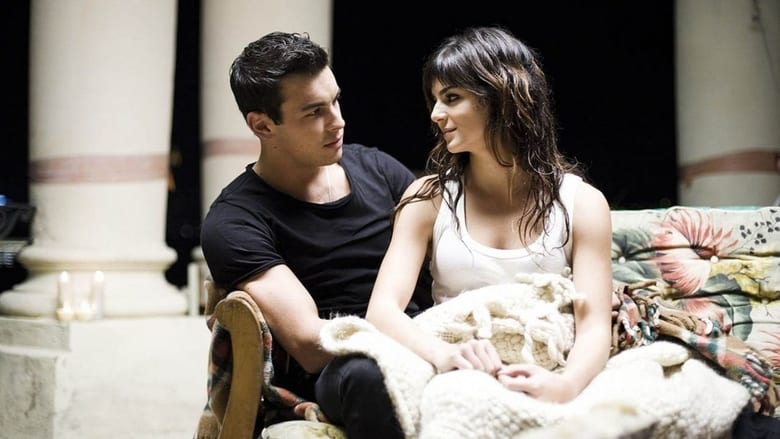
I Want You
2012
-

Cinderella Man
2005
-

Memoirs of a Geisha
2005
-
The Wrestler
2008
-

Moonrise Kingdom
2012
-

The Garden of Words
2013
-

What's Eating Gilbert Grape
1993
-
10 Things I Hate About You
1999
-
Brokeback Mountain
2005
-

Pride & Prejudice
2005
-
Atonement
2007
-
The Reader
2008
-
Mr. Nobody
2009
-

Flipped
2010
-

My Name Is Khan
2010
-

Amour
2012
-
Laurence Anyways
2012
-

About Time
2013
-
Before Midnight
2013
-
The Way He Looks
2014