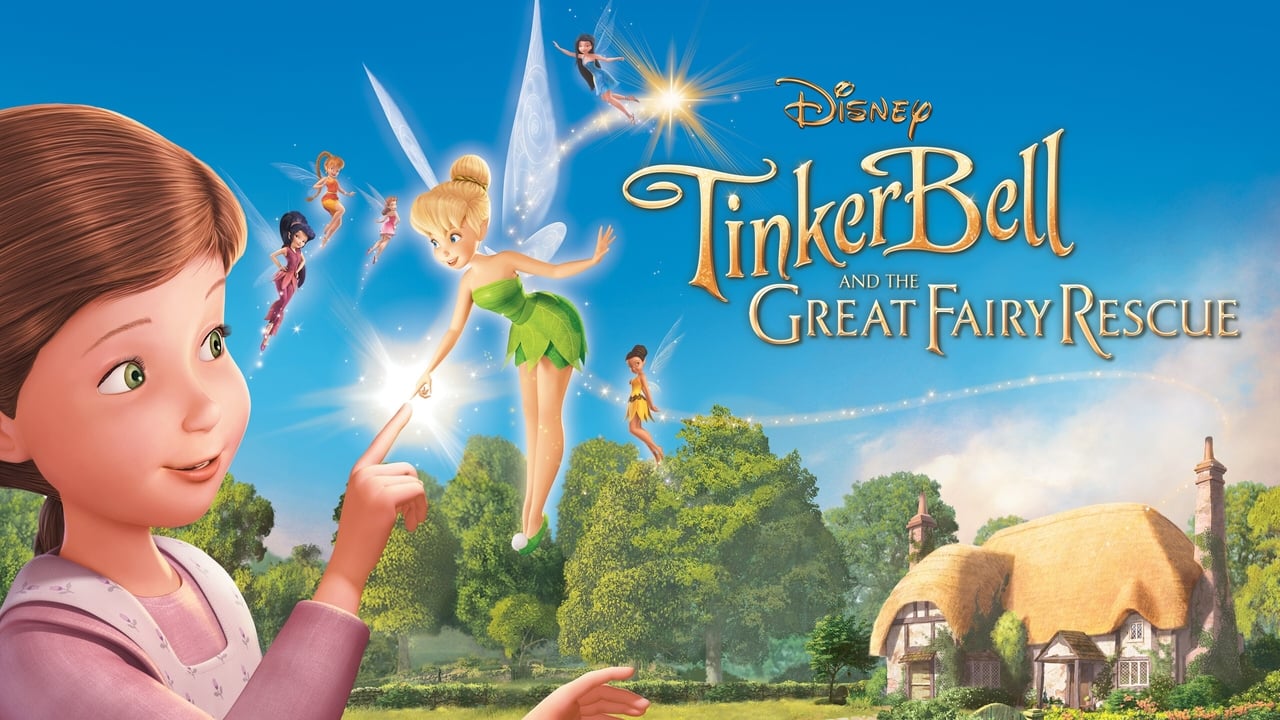
Tinker Bell and the Great Fairy Rescue
"Believe in the magic hidden in your backyard."
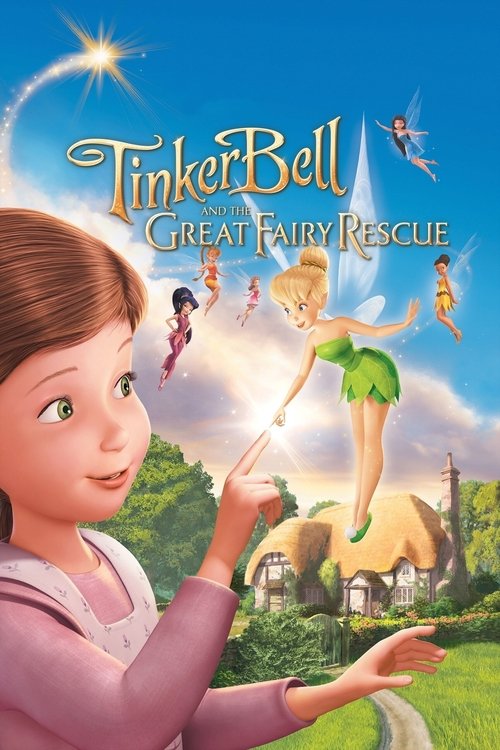
I used to be a massive skeptic when it came to the "Disney Fairies" franchise. Back in the late 2000s, it felt like a cynical boardroom play—a way to move plastic dolls and lunchboxes by giving Peter Pan’s mute sidekick a voice and a neighborhood. But then I actually sat down to watch Tinker Bell and the Great Fairy Rescue, and I realized I’d been a bit of a grouch. This isn't just a toy commercial; it’s a surprisingly tactile, cozy, and high-stakes adventure that understands exactly how big the world looks when you’re only six inches tall.

I actually watched this for the first time on a cracked iPad screen while waiting for a delayed flight in a terminal that smelled faintly of Cinnabon and despair, and yet, the film’s lush, pastoral English countryside still managed to pull me in. There’s a specific kind of magic in the way this era of DisneyToon Studios handled digital environments. By 2010, they had moved past the "uncanny valley" stutters of early 2000s CGI and leaned into a soft, painterly aesthetic that feels like a storybook come to life.
The Scale of a Backyard Odyssey
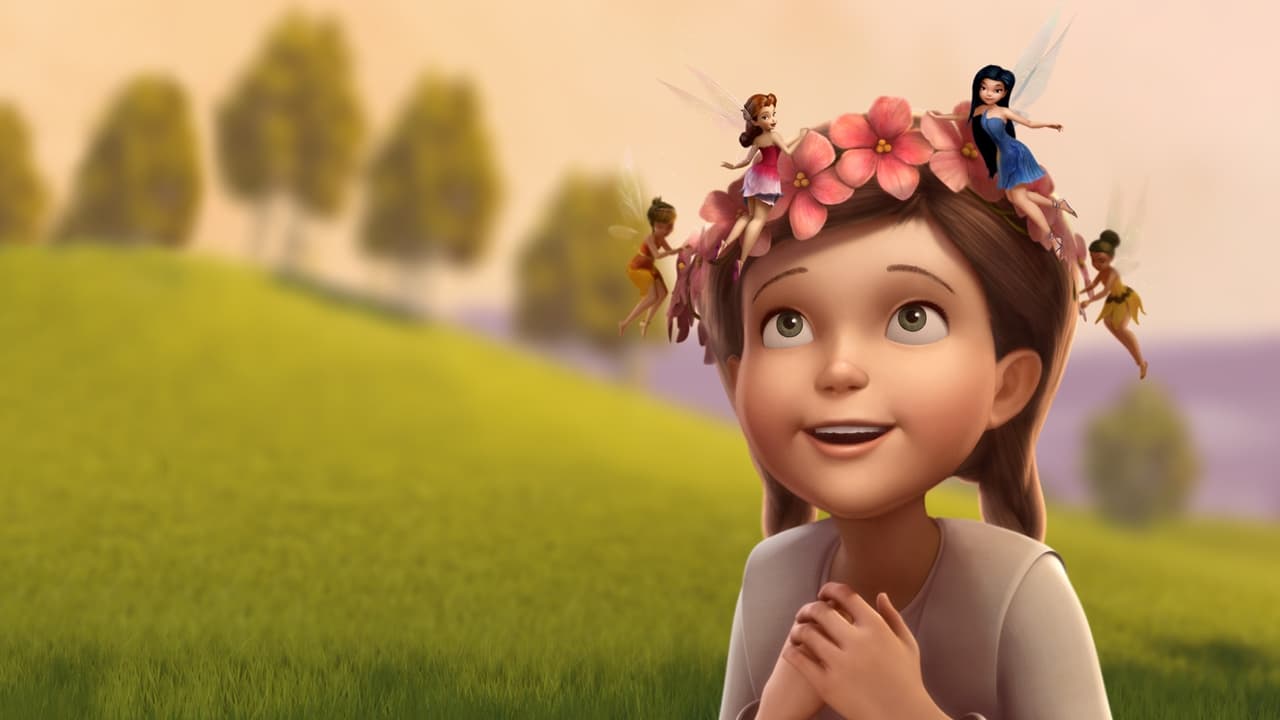
The plot is deceptively simple: Tink (Mae Whitman) gets curious, wanders into a "fairy house" built by a lonely girl named Lizzy (Lauren Mote), and gets accidentally trapped. What follows is a dual narrative: Tink bonding with a human who actually respects her, and a frantic rescue mission led by Vidia (Pamela Adlon) and the rest of the Pixie Hollow crew.
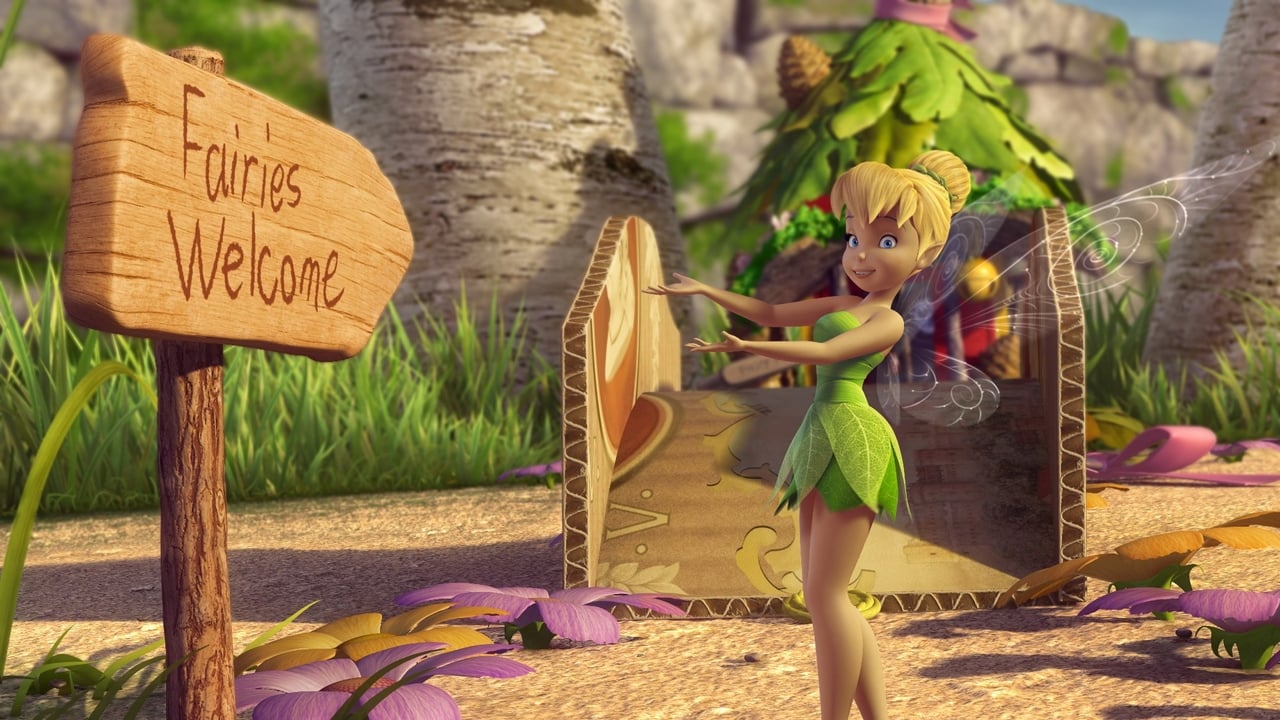
What I love about the adventure here is the sense of scale. In a typical blockbuster, an "adventure" involves saving the planet. Here, the "peril" is a summer rainstorm. To a fairy, a raindrop is a literal cannonball, and a muddy field is an impassable wasteland. The film does a fantastic job of making a simple trip from a meadow to a house feel like The Lord of the Rings. Director Bradley Raymond (who also helmed The Lion King 1½) treats the physics of being tiny with genuine creativity. The "rescue boat" the fairies build is a masterclass in backyard engineering, utilizing everyday junk in ways that feel inspired rather than convenient.
The film captures that 2010-era CGI sweet spot where the textures—wet leaves, rusted metal, the fuzz on a bumblebee—actually have weight. It reminds me of how John Lasseter’s influence was starting to seep into every corner of Disney’s animation wing, demanding a level of detail that these direct-to-video sequels didn't strictly "need" to have to be profitable, but were better for having anyway.
A Surprising Amount of Heart
It’s easy to dismiss the voice acting in these franchises as "celebrity paycheck work," but the cast here is genuinely locked in. Mae Whitman—who I’ll always love as Ann Veal from Arrested Development or the voice of Katara in Avatar: The Last Airbender—gives Tink a stubborn, inquisitive spark. She’s not a damsel; she’s a mechanic who just happens to have wings.
The real surprise, though, is Michael Sheen. Fresh off playing high-intensity roles in Frost/Nixon and the Twilight saga, Sheen shows up here as Lizzy’s father, a cold, scientifically-minded lepidopterist who is too busy pinning butterflies to boards to notice his daughter. It’s a trope, sure, but Sheen plays it with a quiet, distracted melancholy that makes the eventual father-daughter reconciliation feel earned.
On the fairy side, the chemistry is what carries the momentum. Pamela Adlon, Lucy Liu, and Raven-Symoné have a rhythm that feels like a long-running sitcom cast. My personal hot take? Vidia is the only fairy with a functioning brain, and her guilt-driven arc in this movie provides a much-needed edge to an otherwise sugary story. She’s the Han Solo of the group—the one who realizes how dangerous this actually is while everyone else is singing about friendship.
The Forgotten Era of the "Disney Sequel"
Looking back, The Great Fairy Rescue represents a fascinating moment in Disney history. We were moving away from the "cheap" sequels of the 90s (remember the jagged animation of The Hunchback of Notre Dame II?) and into a period where the home video market was treated with real artistic respect. This was the era of the "Disney Diamond Edition" Blu-rays and the height of physical media collectors. I remember the DVD for this movie having a deleted scenes feature that actually explained the complex physics of fairy flight—the kind of "nerd bait" we usually only got for Pixar movies.
The film holds up remarkably well because it doesn't rely on pop-culture references or 2010-specific memes. It’s a period piece, set in a timeless version of the English countryside that feels like it could be 1910 or 2010. It’s an adventure that respects the intelligence of its audience, even if that audience is primarily five-year-olds and tired parents. It manages to be a "small" story that feels incredibly big.
Ultimately, Tinker Bell and the Great Fairy Rescue is a reminder that you don't need a multiverse or a world-ending threat to have a great adventure. Sometimes, you just need a girl with a jar, a fairy with a wrench, and a very long walk through a very wet garden. It’s a delightful relic of a time when Disney was proving that "straight-to-DVD" didn't have to mean "straight-to-the-bargain-bin." If you’ve got a spare hour and fifteen minutes, give it a shot—it’s much better than it has any right to be.
Keep Exploring...
-
Tinker Bell
2008
-
Tinker Bell and the Lost Treasure
2009
-

Secret of the Wings
2012
-
Tinker Bell and the Pirate Fairy
2014
-
Tinker Bell and the Legend of the NeverBeast
2014
-

The Ant Bully
2006
-
Shrek the Halls
2007
-
A Monster in Paris
2011
-
DuckTales: The Movie - Treasure of the Lost Lamp
1990
-
The Rescuers Down Under
1990
-

The Swan Princess
1994
-
James and the Giant Peach
1996
-
The Lion King 1½
2004
-
Cinderella III: A Twist in Time
2007
-
Shrek the Third
2007
-
Horton Hears a Who!
2008
-
Shrek Forever After
2010
-

Puss in Boots
2011
-
Brave
2012
-
Rise of the Guardians
2012