Toy Story 3
"Saying goodbye is the hardest part of playing."
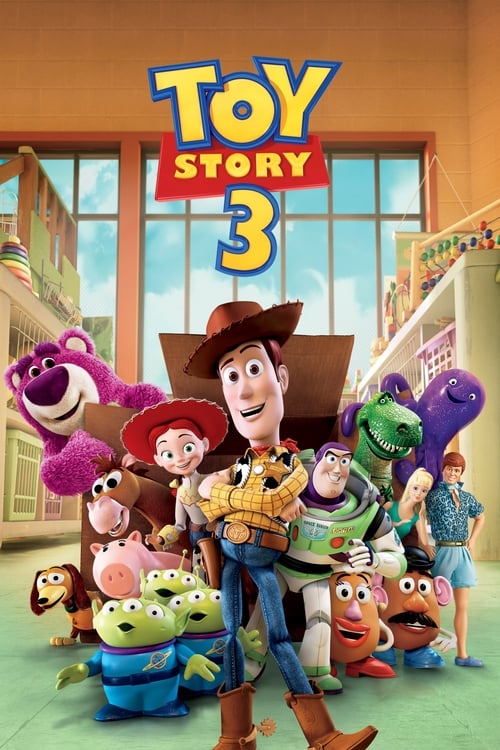
By the time 2010 rolled around, the "trilogy" was the gold standard of cinematic respectability, a mountain Pixar had spent fifteen years climbing. We were living in a post-9/11 world where even our animated features started feeling the weight of the era—a shift from the bright, bouncy optimism of the 90s toward stories about legacy, loss, and the looming fear of being replaced. While the first Toy Story was a tech demo with a soul, Toy Story 3 arrived as a full-blown existential crisis wrapped in a candy-colored prison break.

I watched this recently while wearing a pair of socks with a massive hole in the left big toe, and honestly, looking at that frayed cotton made me feel a strange kinship with the characters on screen. That’s the Pixar magic: making you feel deeply for inanimate objects while you’re probably ignoring the actual humans in the room.
The Great Daycare Escape
The plot picks up with a problem every millennial parent in 2010 was dreading: Andy is going to college. His toys, led by the eternally loyal Woody (Tom Hanks) and a slightly more pragmatic Buzz Lightyear (Tim Allen), are facing the "attic or trash" ultimatum. Through a series of misunderstandings and a very stressed-out Mrs. Davis, the gang ends up at Sunnyside Daycare.
On paper, Sunnyside looks like a toy utopia. In reality, it’s a tiered caste system run by a strawberry-scented dictator named Lotso. It’s here where director Lee Unkrich and screenwriter Michael Arndt flex their love for classic cinema. This isn’t just a "kids' movie"; it’s The Great Escape with more plastic. The way the film utilizes the layout of the daycare—the security cameras (a creepy cymbal-clashing monkey), the night patrols, and the "box" (a literal sandbox)—is a masterclass in spatial storytelling.
The pacing is relentless. Once the toys realize Sunnyside is a gulag for plastic, the film shifts into high gear. My favorite sequence involves the "re-setting" of Buzz Lightyear. Spanish Buzz is the only time 'The Bachelor' energy actually worked in a family movie. Watching Tim Allen lean into the hyper-dramatic, flamenco-dancing bravado is a reminder that when these movies want to be funny, they are sharper than most live-action sitcoms.
Pink Bears and Existential Dread
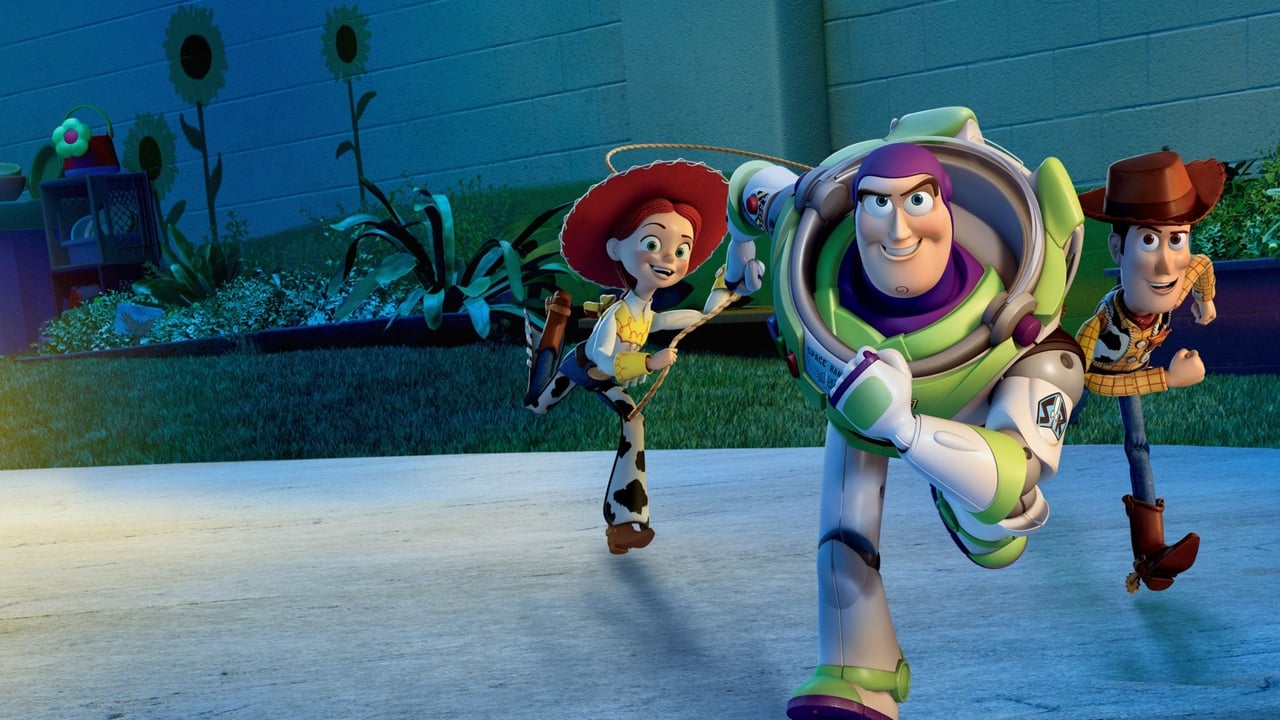
Every great prison movie needs a warden, and Lotso is perhaps the most tragic villain in the Pixar canon. He isn’t just mean; he’s a victim of the same abandonment that Woody and Buzz fear. He’s the dark mirror of what happens when a toy loses its "kid."
But let’s talk about the real scene-stealers: Ken and Barbie. Michael Keaton voicing Ken is a stroke of genius. He plays the character as a sentient mid-life crisis in a dream house, a man deeply insecure about being a "girl's toy" who just wants someone to notice his extensive scarf collection. His chemistry with Jodi Benson’s Barbie provides the film’s best comedic relief, particularly during the fashion show sequence that manages to be both a parody of 80s excess and a genuinely hilarious character beat.
The humor here is remarkably physical. From Mr. Potato Head (Don Rickles) having to use a tortilla as a temporary body to the high-stakes gambling match in the vending machine, the film trusts its audience to keep up with rapid-fire visual gags. It’s that rare comedy where the jokes are born out of the characters' physical limitations, making the humor feel organic rather than forced.
The Billion-Dollar Hand-Hold
Looking back, Toy Story 3 was a juggernaut. It wasn't just a hit; it was a cultural event. It was the first animated film to cross the $1 billion mark at the global box office, a feat that felt earned rather than manufactured by a marketing machine. Production-wise, the scale was massive. To put things in perspective, the trash incinerator scene featured over 1,000 individual toys in the background, a far cry from the handful of characters the original 1995 film could handle at once.
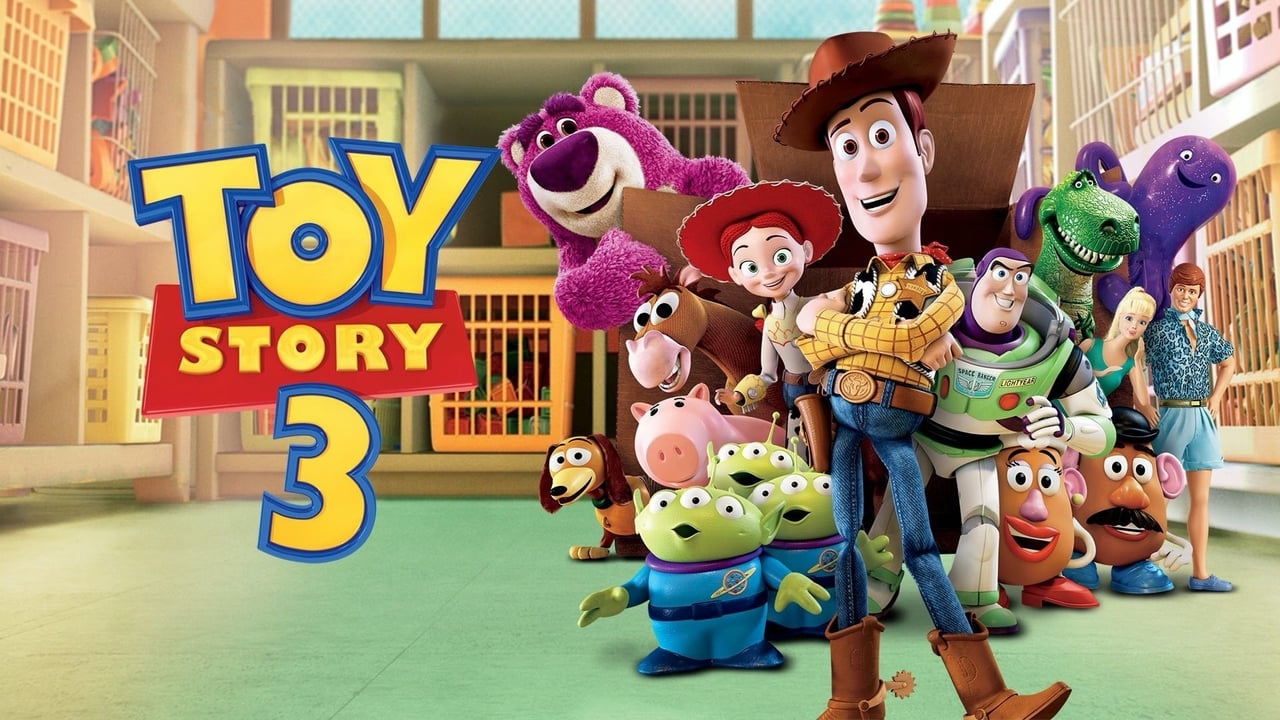
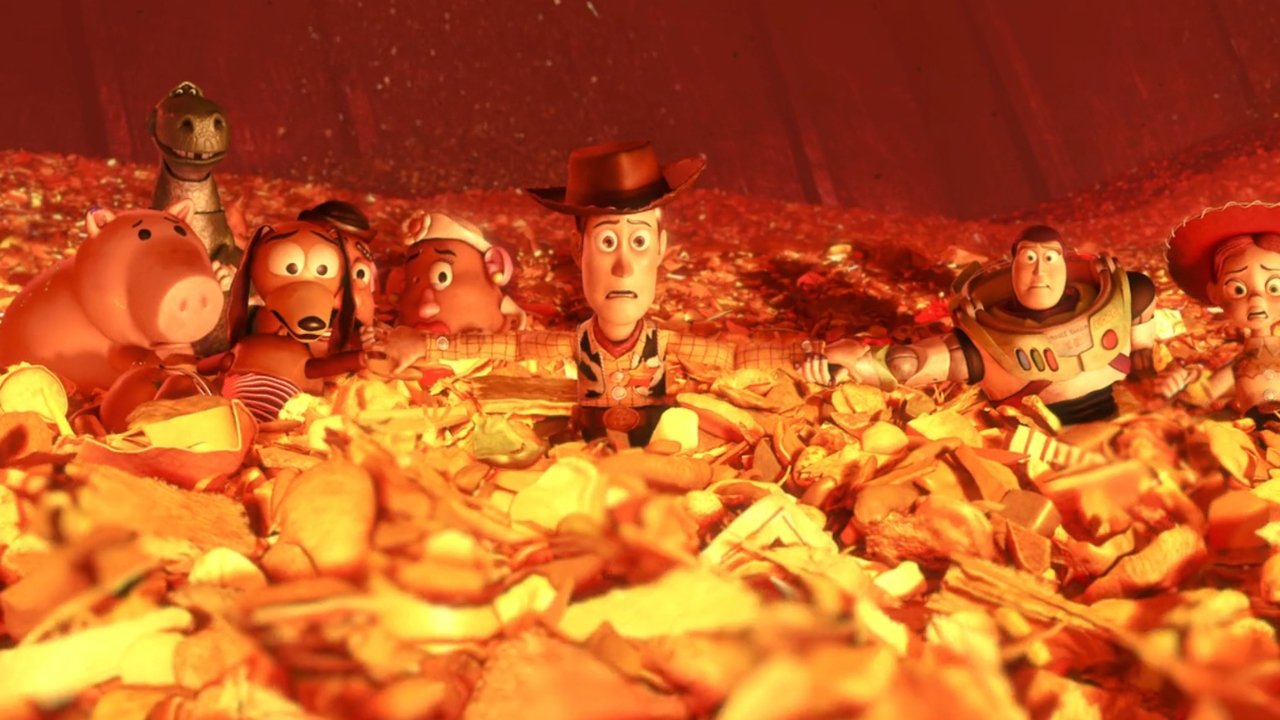
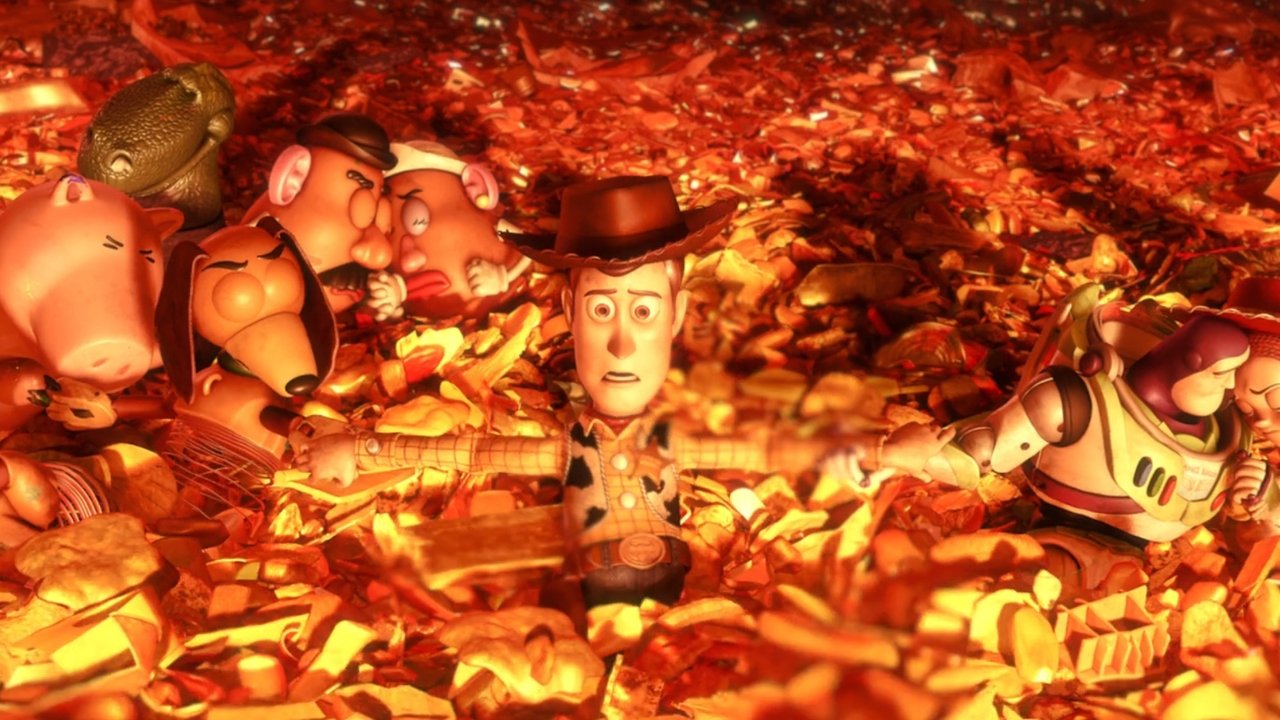
Speaking of that incinerator: I don’t think any other film in the 2010s captured "the end" quite as effectively. In an era defined by franchises that refuse to die, seeing Woody, Buzz, Jessie (Joan Cusack), and the rest of the gang reach for each other’s hands as they face the fire was a shocking moment of finality. It wasn’t about the "action"; it was about the acceptance of a shared fate. It’s the kind of high-stakes drama that shouldn't work with a plastic dinosaur (Wallace Shawn) and a piggy bank (John Ratzenberger), yet there I was, wiping my eyes and wondering why a movie about playthings was making me rethink my entire relationship with my past.
The film serves as a perfect bookend to the "Modern Cinema" era's obsession with digital perfection. By 2010, the "uncanny valley" was largely conquered, and Pixar used that power not just to make things look real, but to make them feel heavy. The dust on the toys, the scuff marks on the floor, the lighting in Andy’s empty room—it all contributes to a sense of "the end of an era" that mirrored the real world’s transition into a more digitized, less tactile existence.
Toy Story 3 is that rarest of beasts: a sequel that justifies its existence by being more emotionally mature than its predecessors. It manages to balance slapstick comedy, a tense heist plot, and a devastatingly beautiful ending without ever feeling like it's pandering. It’s a film that respects its audience’s growth, acknowledging that while we may outgrow our toys, we never quite outgrow the need for the stories they told us. It’s a bright, loud, strawberry-scented triumph.
Keep Exploring...
-

Toy Story 2
1999
-
Toy Story
1995
-
Toy Story 4
2019
-

Up
2009
-
Toy Story of Terror!
2013
-

Madagascar
2005
-
Cars
2006
-
Ratatouille
2007
-

The Simpsons Movie
2007
-
Kung Fu Panda
2008
-
Despicable Me
2010
-
Kung Fu Panda 2
2011
-
Hotel Transylvania
2012
-
Despicable Me 2
2013
-
The Croods
2013
-
Big Hero 6
2014
-
How to Train Your Dragon 2
2014
-
The Lego Movie
2014
-
Monsters, Inc.
2001
-

Wallace & Gromit: The Curse of the Were-Rabbit
2005