TRON: Legacy
"The neon-soaked pulse of a digital revolution."
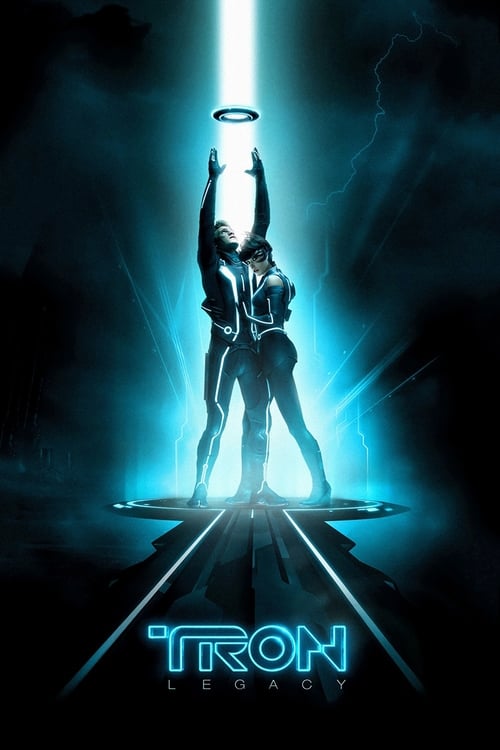
Walking into the theater back in 2010, I had a very specific physical reaction to the first few notes of the prologue. It wasn’t just the volume; it was the way the floor seemed to sync with the glowing lines on the screen. I remember my large Sprite had way too much syrup that day, and every time the bass dropped during the light cycle sequence, the liquid in my cup vibrated in perfect concentric circles, looking exactly like a miniature version of the discs the programs throw at each other. It was the ultimate "vibe" movie before we started using that word for everything.
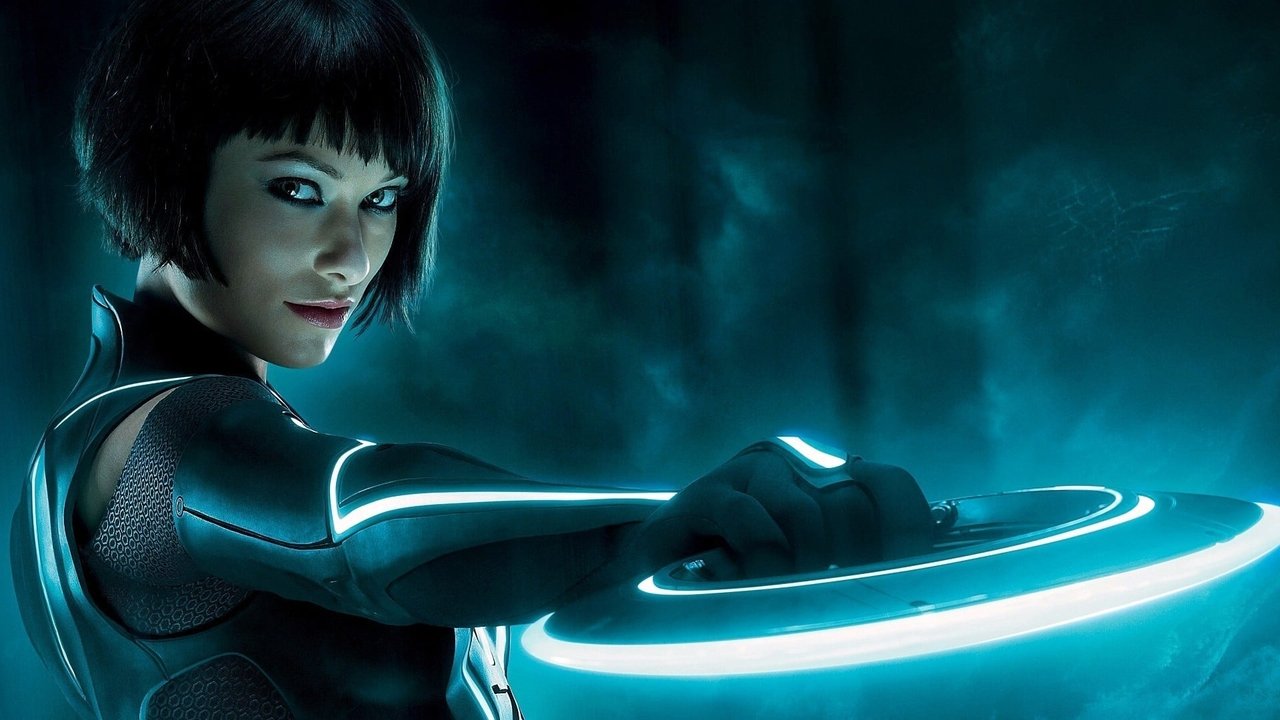
TRON: Legacy arrived during that strange, transitional pocket of cinema where every studio was desperately trying to replicate the 3D success of Avatar, yet Joseph Kosinski (who would later give us the equally sleek Top Gun: Maverick) decided to make something that felt less like a movie and more like a high-end architectural installation. It had been twenty-eight years since Steven Lisberger gave us the original TRON, a film that looked like a neon chalkboard. By 2010, the digital world had grown up, swapped its spandex for leather, and hired the coolest DJs on the planet to write its heartbeat.
The Sonic Architecture of the Grid
You cannot talk about this movie without talking about Daft Punk (Guy-Manuel de Homem-Christo and Thomas Bangalter). In my opinion, it’s the greatest fusion of film and score since Star Wars. It isn't just background noise; it’s the literal engine of the film. When Sam Flynn, played with a charmingly reckless energy by Garrett Hedlund (Mudbound), first enters the Grid, the music doesn't just swell—it breathes.
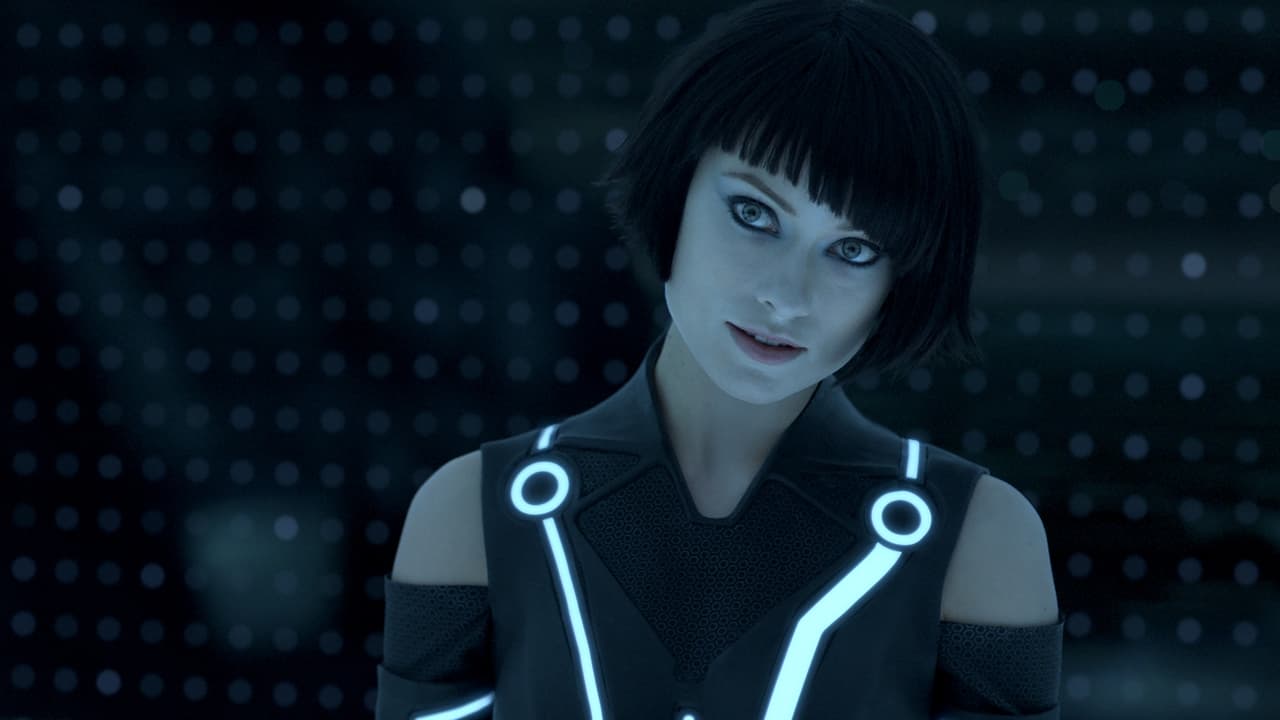
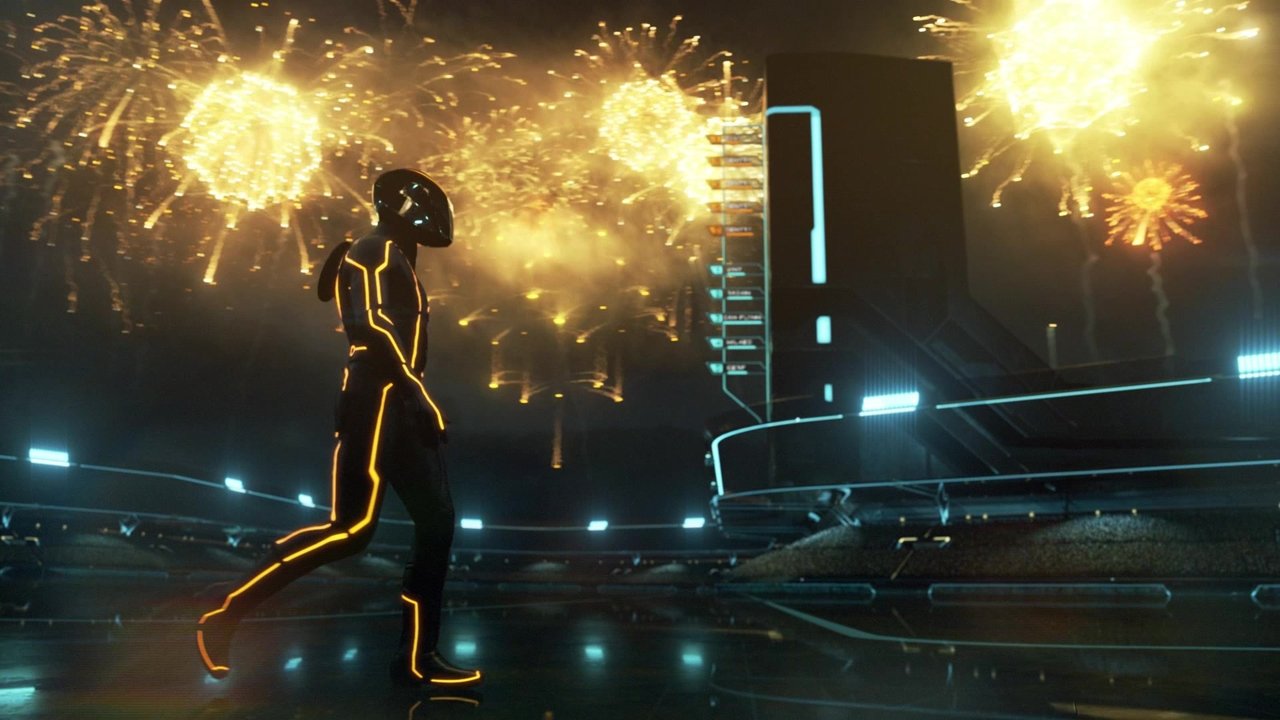
The sound design works in tandem with the score to create a physical sense of space. The "rez-ing" of the light cycles, the shattering of programs into voxels, and the hum of the Recognizers feel heavy. In an era where CGI was starting to feel floaty and weightless, Kosinski insisted on building massive practical sets and using real lights embedded in the suits. This was a pivotal moment in the Modern Cinema era—the realization that for digital effects to "pop," they needed to be anchored by something tangible. When Olivia Wilde as Quorra tilts her head, the blue light from the floor reflects off her suit in a way that feels grounded in reality, even if she’s a sentient piece of software.
A Tale of Two Jeffs
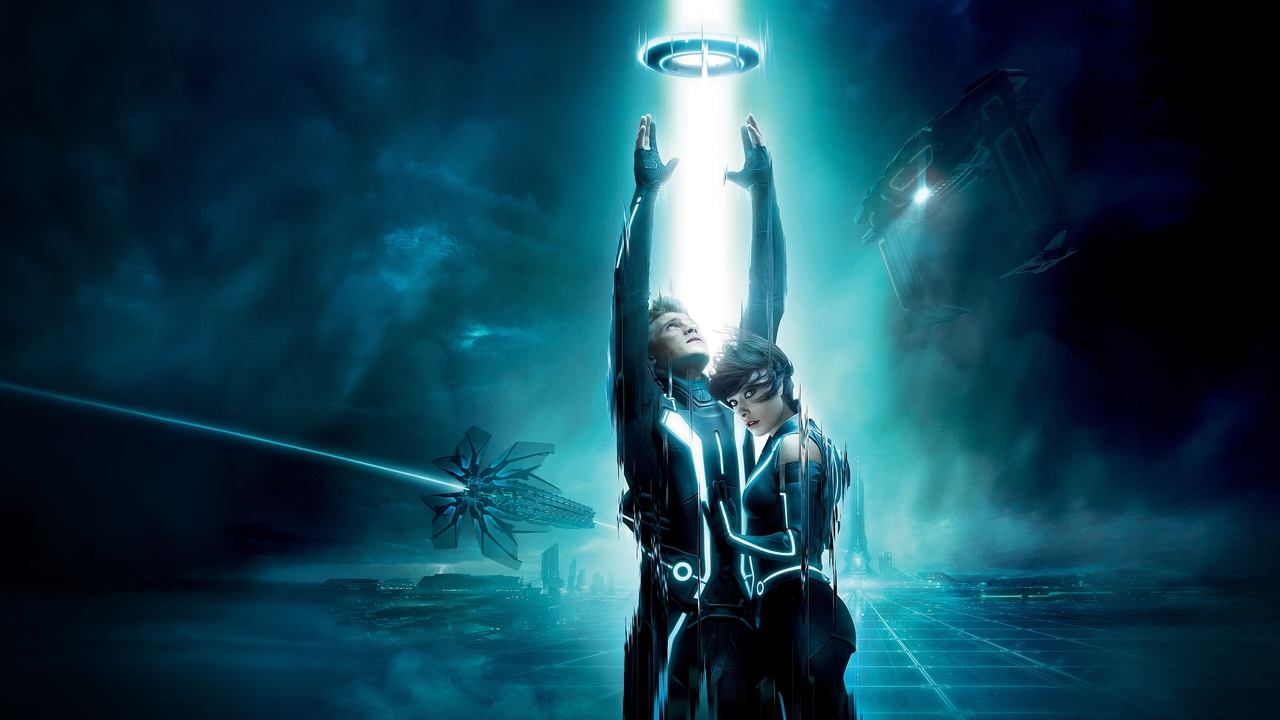
The emotional core of the film rests entirely on the weary shoulders of Jeff Bridges. He’s doing a fascinating double-duty here. On one hand, you have Kevin Flynn, who has spent decades trapped in the Grid and has morphed into a digital Zen master, essentially "The Dude" in a glowing robe. On the other, you have Clu, the digital avatar of Flynn’s youth who has become a fascistic dictator obsessed with perfection.
Looking back, the de-aging tech used on Clu was the "state of the art" that everyone obsessed over in 2010. Does it hold up? Not entirely. There’s a distinct "uncanny valley" shimmer to Clu’s face that makes him look like a very expensive piece of Tupperware. But here’s the thing: it actually works for the character. Clu is a program. He should look slightly off. He represents the cold, sterile pursuit of an ideal that doesn't exist. When he stares at Bruce Boxleitner (returning as the legendary Alan Bradley/Tron), the artificiality of his expression adds a layer of menace that a more "perfect" effect might have missed.
Action in High Contrast
The action choreography in Legacy is a masterclass in clarity. In a period where "shaky-cam" was still a frustratingly common trope, this film opted for wide shots and geometric precision. The "Disc Wars" sequence is a standout, utilizing the three-dimensional space of the arena in a way that actually justified those clunky 3D glasses we all had to wear.
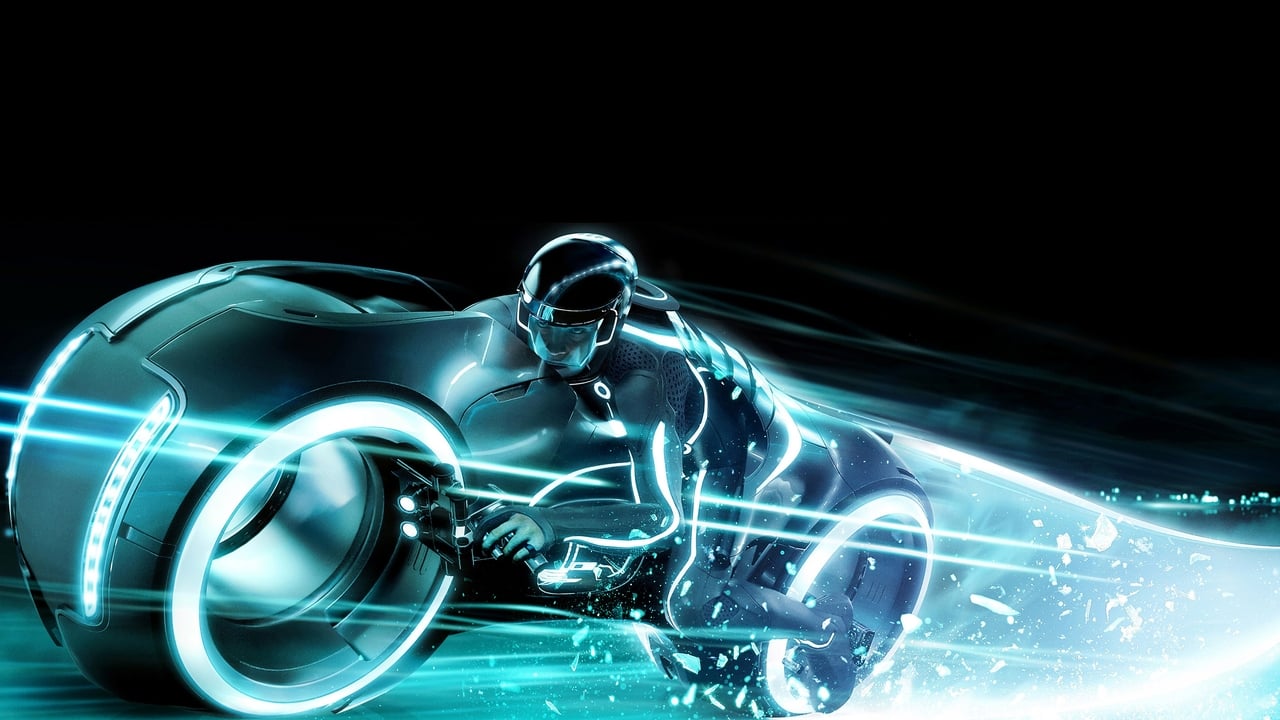
The light cycle chase, however, is the film's soul. It’s a rhythmic, high-speed chess match. I love how the film respects the physics of its own world; the bikes don't just turn, they 90-degree-snap, leaving walls of solid light in their wake. It’s an escalation of the 1982 original that feels like a genuine evolution rather than a lazy rehash. James Frain plays the sniveling Jarvis with just enough camp to remind us that we’re still in a Disney adventure, while Beau Garrett provides the elegant, eerie presence of the Sirens, proving that even the background details in this world were meticulously curated.
Ultimately, TRON: Legacy is a film that was slightly misunderstood upon its release because people wanted a complex philosophical treatise on the nature of AI. What they got instead was a breathtaking sensory experience about a son finding his father in the middle of a digital storm. It’s a cult classic that has aged remarkably well, largely because its aesthetic is so specific and its commitment to its own "coolness" is absolute. It’s a bridge between the analog dreams of the 80s and the digital saturation of the present.
If you haven't revisited the Grid lately, find the biggest screen you can, turn the volume up until your neighbors complain, and let the neon wash over you. It’s a reminder that sometimes, the most important thing a movie can do is create a world you never want to leave. Just make sure your soda has the right amount of syrup before the bass kicks in.
Keep Exploring...
-
Tron
1982
-
Oblivion
2013
-
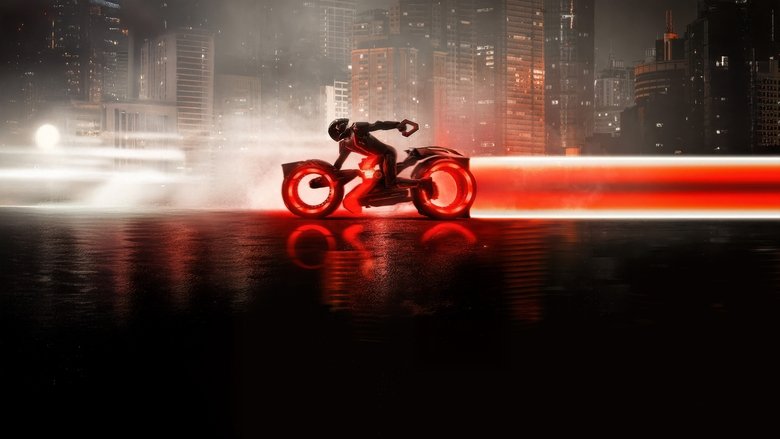
TRON: Ares
2025
-
Fantastic Four: Rise of the Silver Surfer
2007
-
The Island
2005
-
Superman Returns
2006
-

X-Men: The Last Stand
2006
-
Jumper
2008
-
The Incredible Hulk
2008
-

G.I. Joe: The Rise of Cobra
2009
-

Star Trek
2009
-

Captain America: The First Avenger
2011
-
I Am Number Four
2011
-

X-Men: First Class
2011
-

John Carter
2012
-

Ender's Game
2013
-

G.I. Joe: Retaliation
2013
-
Man of Steel
2013
-
Pacific Rim
2013
-
Star Trek Into Darkness
2013