True Grit
"Retribution has a very sharp tongue."
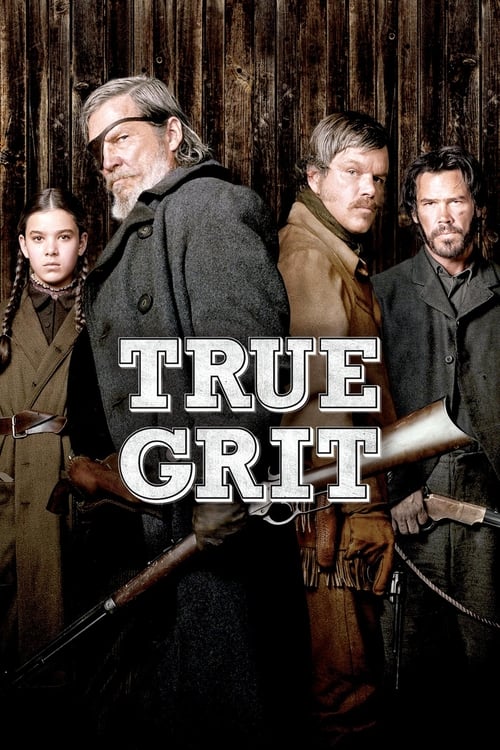
The Western was supposed to be dead by 2010, or at least relegated to the dusty corners of the indie circuit where only the most dedicated cinephiles would go to watch men stare at horizons for three hours. Then the Coen Brothers decided to take a run at Charles Portis’s novel, and suddenly, every dad in America had a new favorite movie and the box office had an extra $252 million in its pocket. It’s a remarkable feat when you consider this isn’t just a "cowboy movie"—it’s a dense, linguistically obsessed period piece that feels more like a Shakespearean play performed in a mud pit.
I watched this most recently while nursing a lukewarm cup of instant coffee that had a weird oily film on top, which, strangely enough, felt like the perfect sensory accompaniment to the grimy, unwashed aesthetic of the Choctaw Territory.
A Girl, a Marshal, and a Mouthful of Gravel
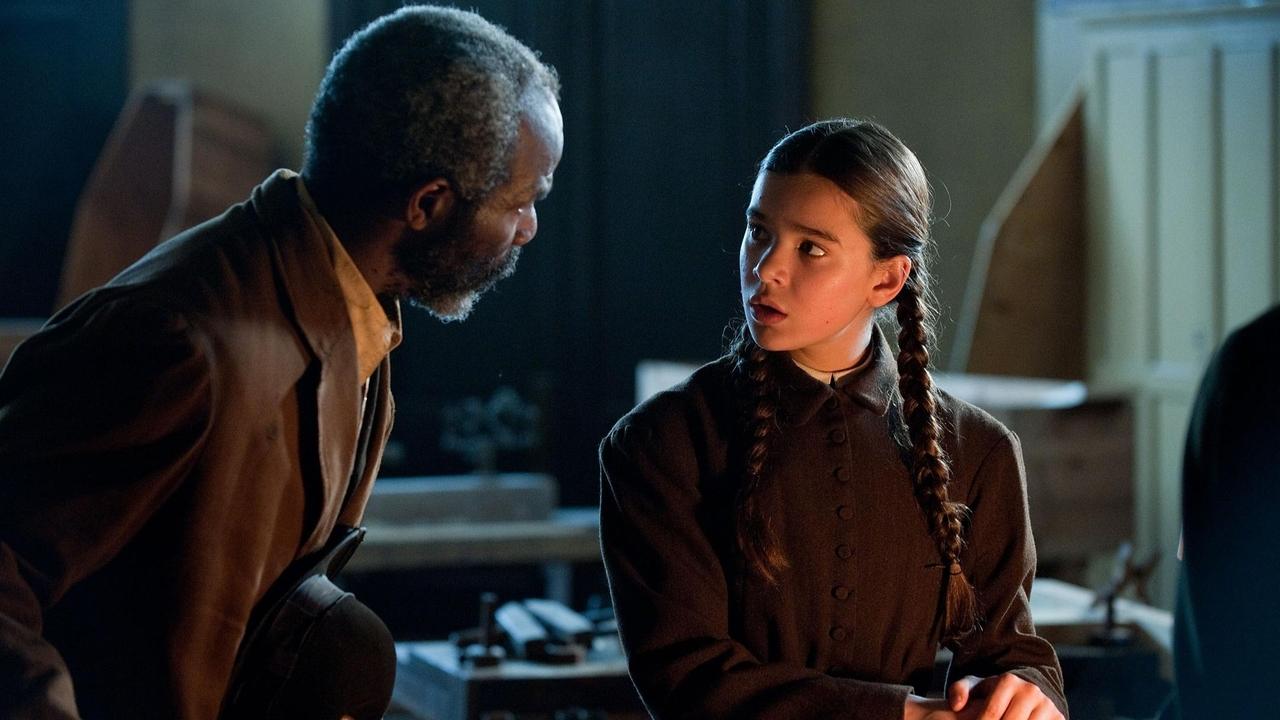
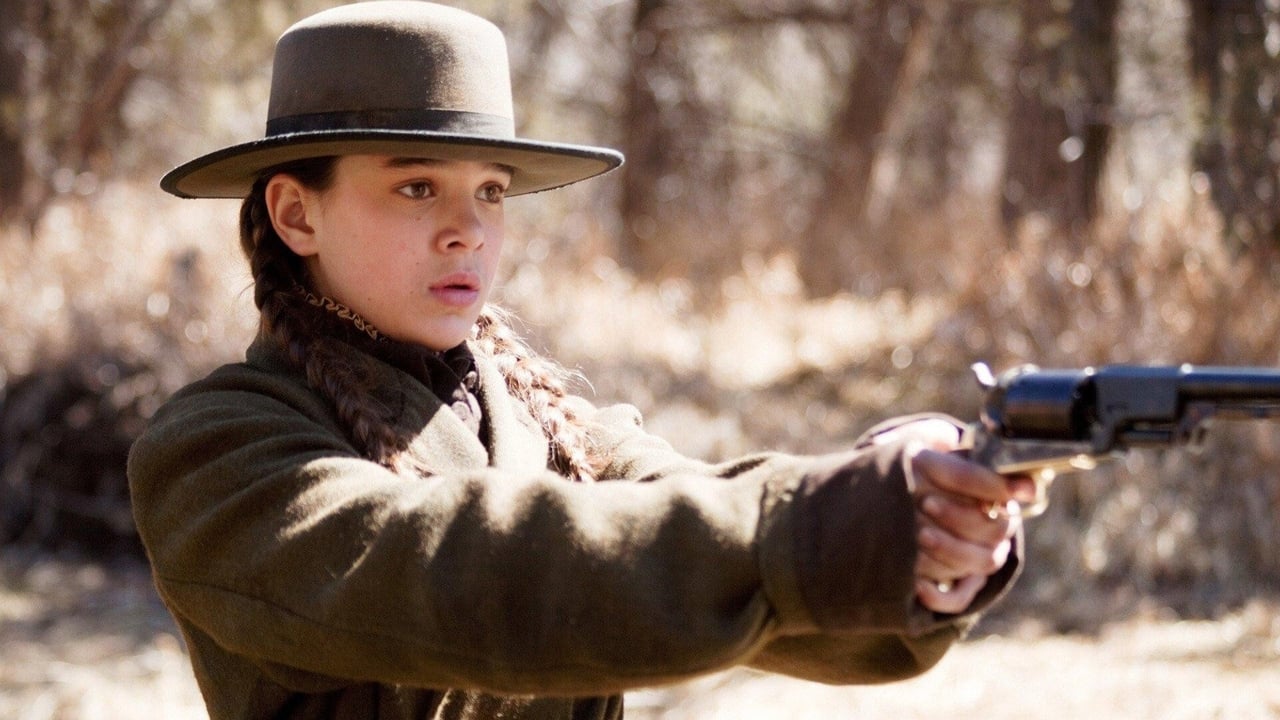
The 1969 version of True Grit was essentially a John Wayne victory lap, but the Coens wisely pivoted the focus back to the book's true protagonist: Mattie Ross. Hailee Steinfeld, who was only thirteen when they plucked her from a casting call of 15,000 hopefuls, doesn't just hold her own against the heavyweights—she runs circles around them. Watching her negotiate the price of ponies with Dakin Matthews is like watching a tiny, pigtailed shark dismantle a slow-moving whale. It’s one of those rare debut performances that feels like an arrival; she doesn't play "cute" or "plucky." She plays a girl who is terrifyingly focused on the logistics of vengeance.
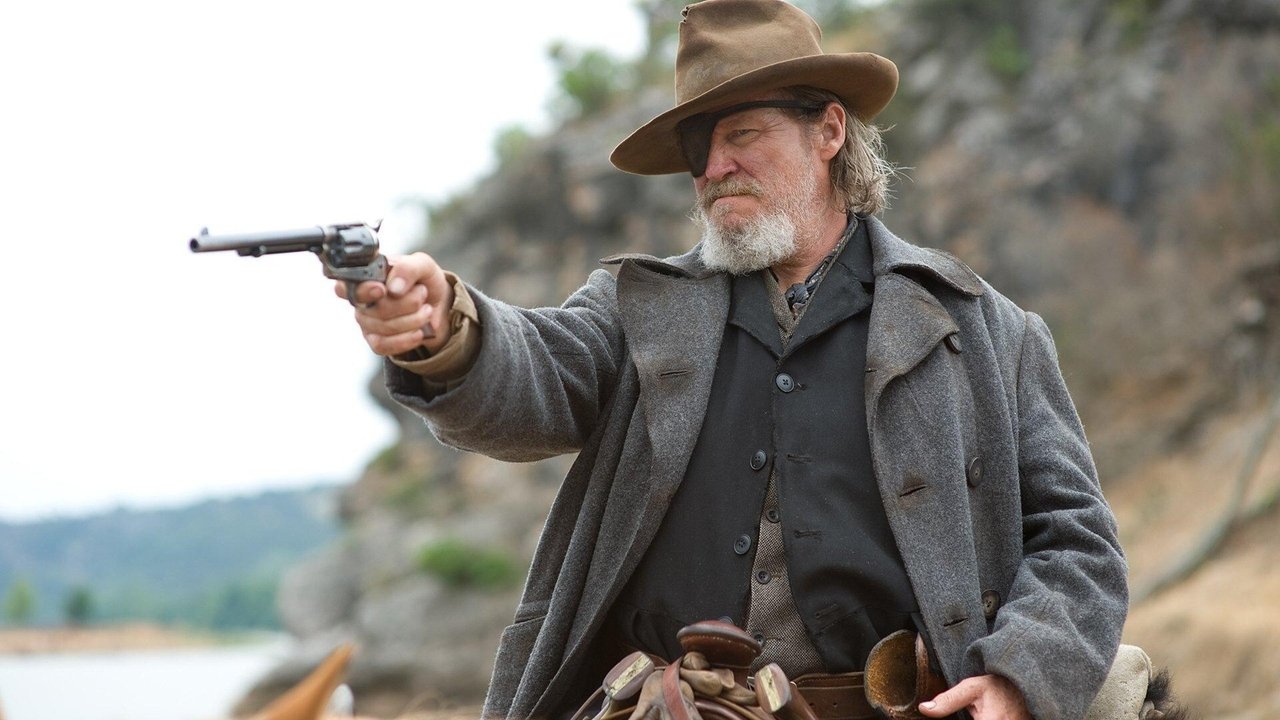
Then there’s Jeff Bridges. Replacing John Wayne is a fool’s errand, so Bridges doesn't even try. His Rooster Cogburn is a glorious mess of a man, looking like a discarded pile of laundry that someone threw an eyepatch on. Bridges sounds like he’s gargling a bucket of gravel and honey, delivering his lines with a slur that makes you lean in closer, only to realize he’s telling a hilarious, rambling story about a Chinaman and a fair-ground bet. It’s a performance built on character ticks and authentic rot, a far cry from the more polished "anti-heroes" we usually see in modern blockbusters.
The Beauty of the Bleak
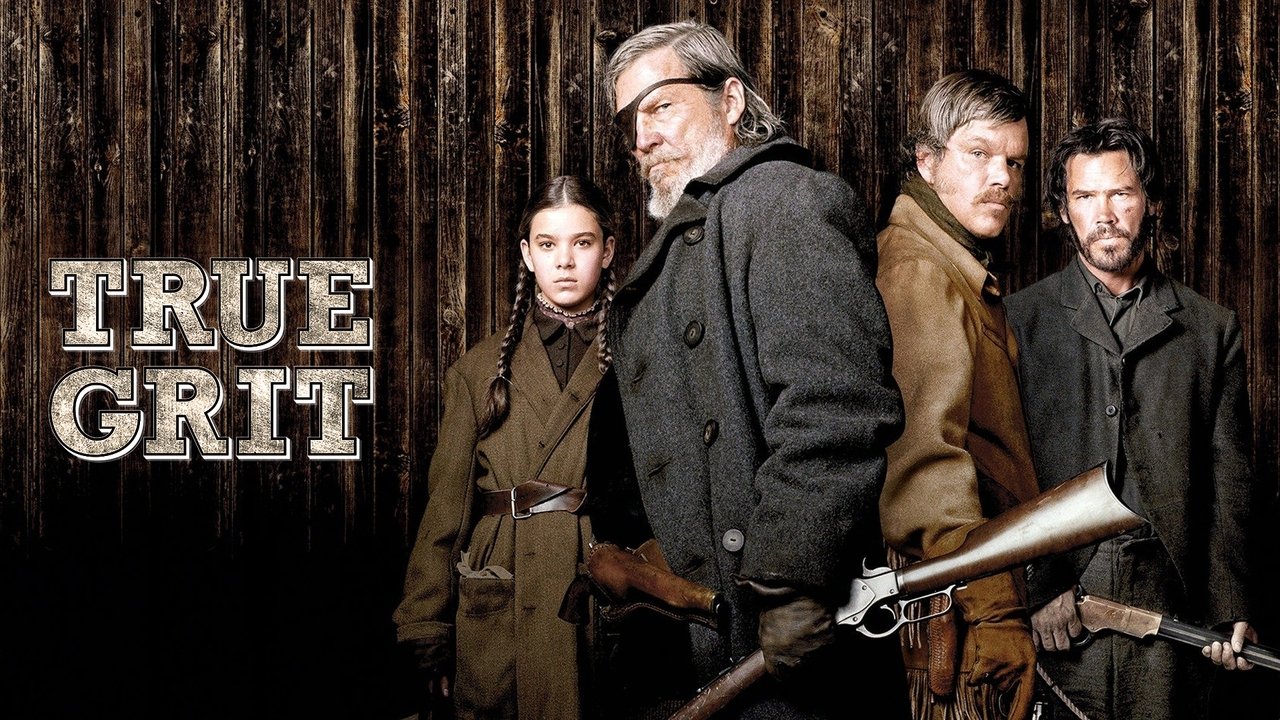
Coming out in the late 2000s/early 2010s era, True Grit landed right in that sweet spot where filmmakers were starting to master the "gritty reboot" without making it feel exhausting. This was also a peak collaboration between the Coens and cinematographer Roger Deakins. Looking back at the DVD special features (remember those?), Deakins talks about wanting to avoid the "postcard" look of old Hollywood Westerns.
Instead, he gives us nights that look like they were lit by a single, dying ember. The scene where Mattie and Cogburn ride across a starlit field toward the end is genuinely haunting—it’s the kind of image that stays with you long after the credits roll. There’s a specific "modern" clarity to the image, yet it feels ancient. It captured that post-9/11 cinematic anxiety where heroes weren't always clean-shaven and justice wasn't always a neat, happy ending.
Matt Damon also deserves a medal for being the funniest person in the movie while playing the most self-serious character. His LaBoeuf is a Texas Ranger with a set of spurs that jingle so loudly they practically have their own agent. His chemistry with Bridges is basically two middle-aged men arguing over a map while a teenager actually does all the work. It’s the Coen brand of humor at its finest—subtle, dry, and rooted in the way people actually get on each other's nerves.
Breaking the Western Mold
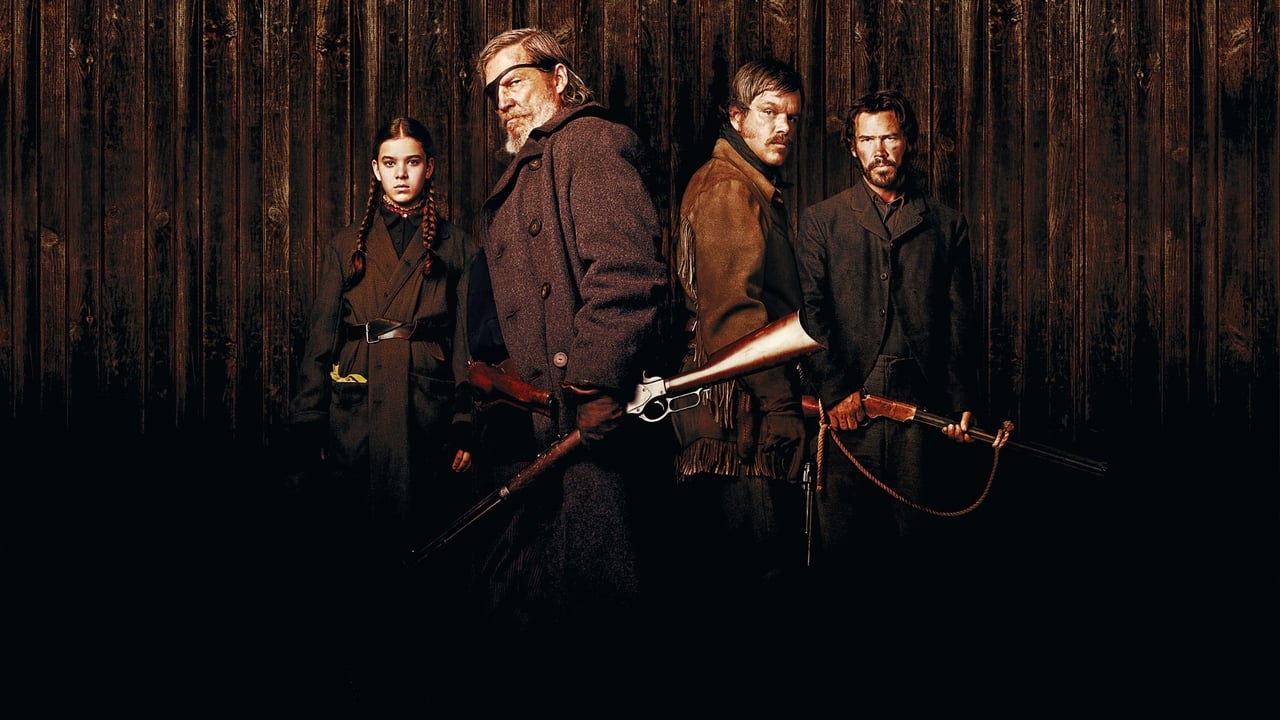
What I find most impressive about this film's legacy is how it managed to be a massive commercial success without watering down the source material. It was the highest-grossing Western since Dances with Wolves, which is wild when you realize the script is written in a formal, 19th-century dialect that avoids contractions. People didn't just tolerate the language; they loved it. It proved that audiences were hungry for something that felt "authored" rather than manufactured by a committee.
Josh Brolin as Tom Chaney is another highlight, though he doesn't show up until the final act. Most movies would make the villain a mastermind; the Coens and Brolin make him basically a sentient bag of dirt who is just as stupid as he is mean. It’s a realistic take on criminality that feels far more threatening than a theatrical monologue-giver.
The film's impact was huge, launching Steinfeld’s massive career and cementing the Coens as one of the few directing duos who could turn a "niche" genre into a cultural event. It’s a drama that earns its emotional beats, especially in that final, bittersweet coda that reminds me that time is the one thing no Marshal can outrun.
This is a rare beast: a remake that renders the original almost unnecessary. It’s funny, brutal, and visually stunning, anchored by a trio of performances that remind us why we go to the movies in the first place. If you haven’t revisited it since the days of the early 2010s, do yourself a favor and get back in the saddle. Just bring your own coffee—hopefully something better than what I was drinking.
Keep Exploring...
-
No Country for Old Men
2007
-
Burn After Reading
2008
-
A Serious Man
2009
-
Inside Llewyn Davis
2013
-

Miller's Crossing
1990
-
Barton Fink
1991
-
The Hudsucker Proxy
1994
-
Fargo
1996
-
O Brother, Where Art Thou?
2000
-
The Man Who Wasn't There
2001
-
The Big Lebowski
1998
-

Eight Below
2006
-
The Karate Kid
2010
-
The Revenant
2015
-
Life of Pi
2012
-
The Ballad of Buster Scruggs
2018
-
Dances with Wolves
1990
-
Far and Away
1992
-
Maverick
1994
-
Spirit: Stallion of the Cimarron
2002