Undisputed III: Redemption
"Freedom is the only prize worth bleeding for."
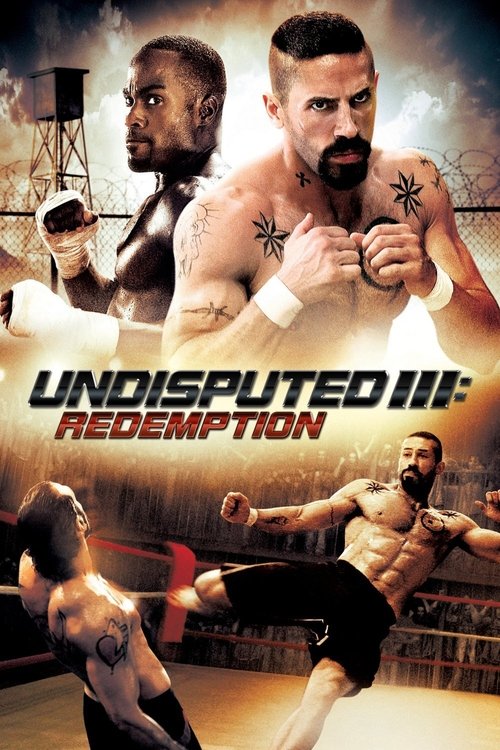
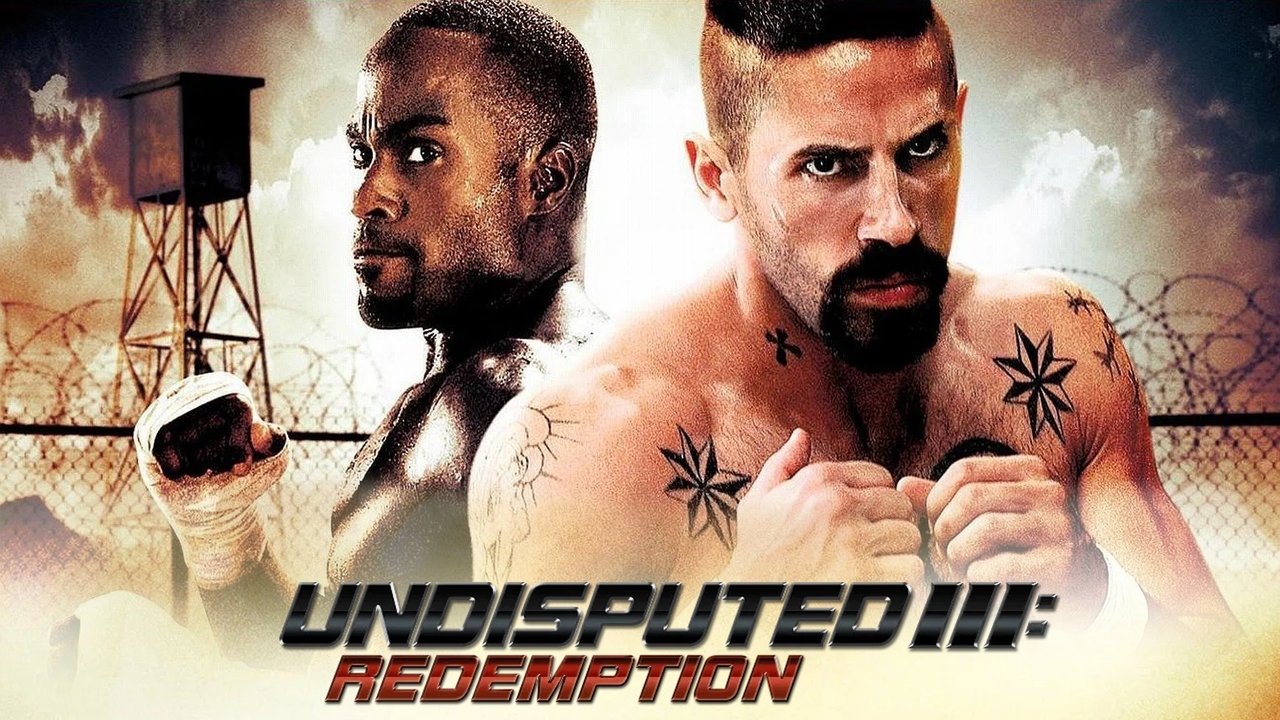
There is a specific, guttural sadness in watching a man who looks like he was carved out of granite try to mop a bathroom floor. When we first reconnect with Yuri Boyka in Undisputed III: Redemption, he isn’t the terrifying "Most Complete Fighter in the World" we met in the previous installment. He’s a janitor with a shattered knee and a permanent scowl, relegated to the damp shadows of a Russian gulag. I watched this third entry while eating a bowl of slightly over-salted popcorn and wearing sweatpants with a hole in the left knee, which felt unintentionally thematic given Boyka’s primary struggle.
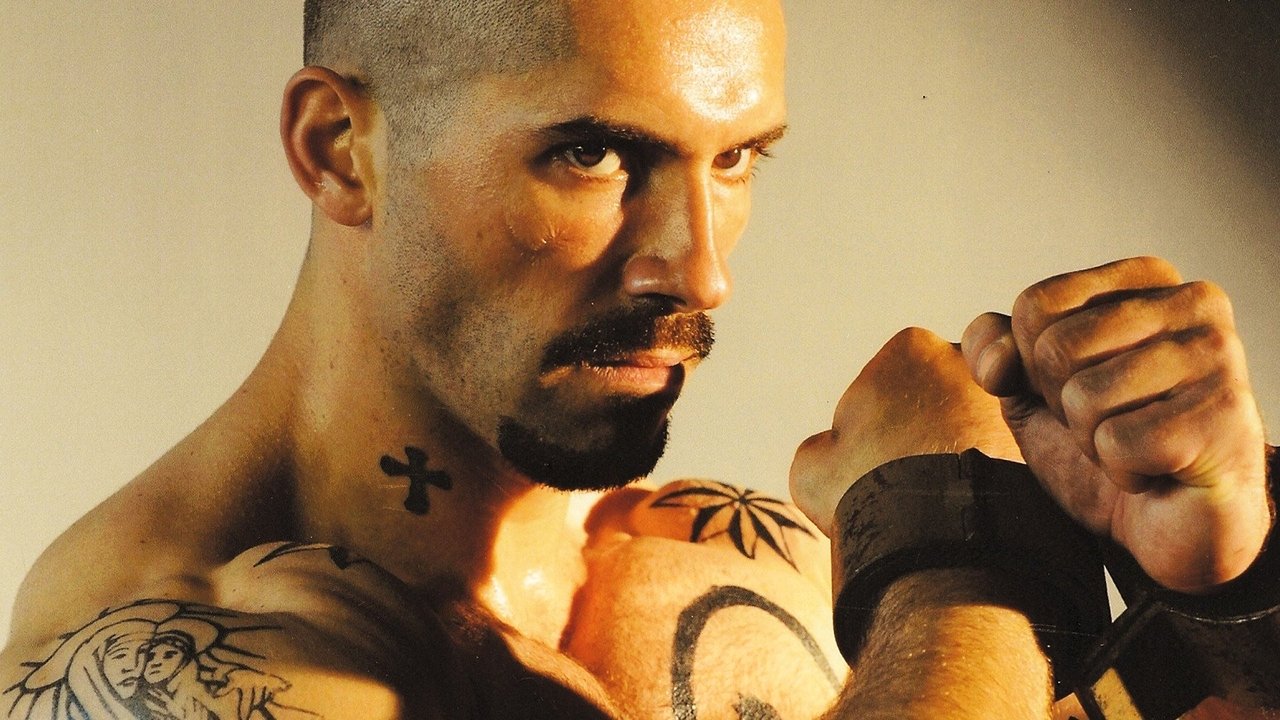
Looking back at 2010, the "Direct-to-Video" (DTV) label was often a kiss of death, a graveyard for fading stars and Steven Seagal’s latest paycheck. But Undisputed III belongs to a rare breed of sequels that actually outclass their theatrical predecessors by leaning into the purity of their craft. It arrived during that transition where digital cameras were becoming the norm, and director Isaac Florentine used them to capture something Hollywood was rapidly losing: clarity.
The Gravity of the Grind
The plot is a lean, mean engine designed to get eight fighters from eight different international prisons into a single ring. The prize is freedom; the cost is usually a detached retina. Boyka, played with a simmering, soulful intensity by Scott Adkins, has to talk his way into the tournament despite being a "broken" man. This isn't just about winning a belt anymore; it’s a desperate grab for dignity in a world that treats inmates like disposable batteries.
What makes this entry stand out in the "Modern Cinema" era is how it navigates the dark, oppressive atmosphere of the prison system without losing its heart. This is a grim world of corrupt wardens like Hristo Shopov’s Warden Kuss and the slippery promoter Gaga, played with scenery-chewing delight by Mark Ivanir. The stakes feel heavy because the film doesn't shy away from the brutality of the environment. The color palette is all bruised blues and rusty oranges, making the sweat and blood on screen feel almost tactile. Scott Adkins is essentially a human special effect, making the laws of physics look like mere suggestions.
A Masterpiece of Low-Budget Ingenuity
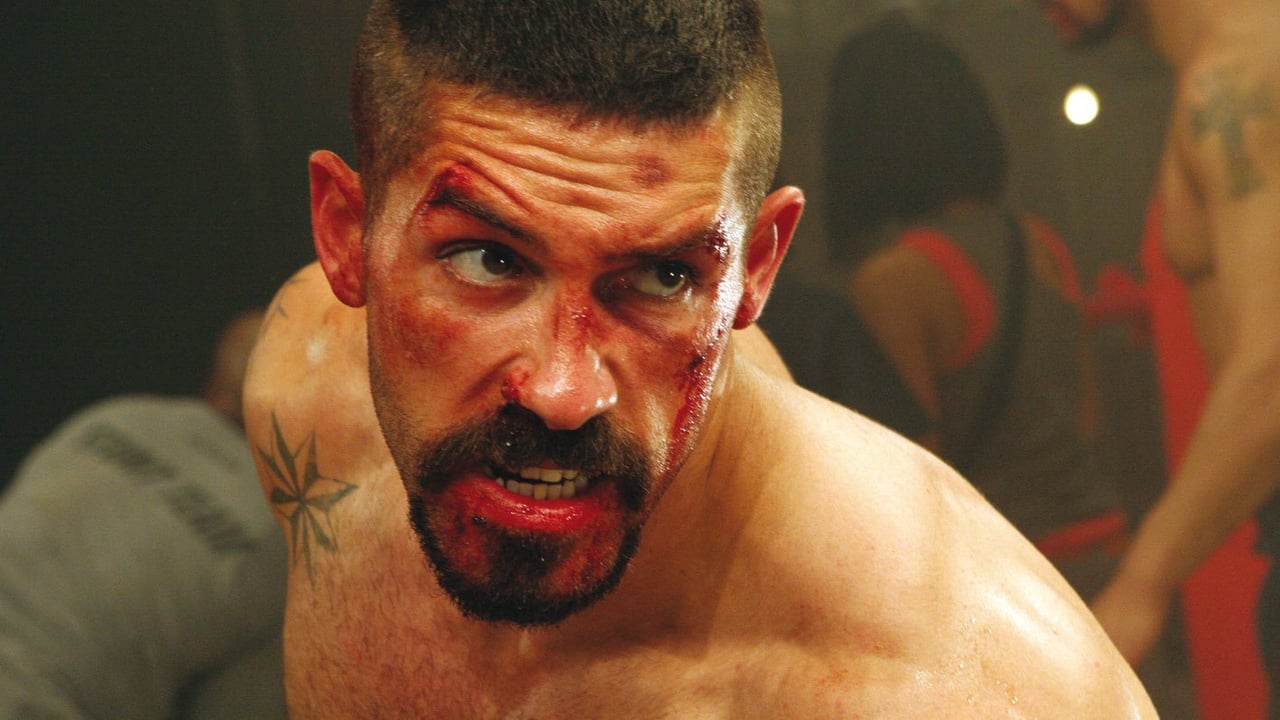
While big-budget blockbusters of 2010 were increasingly hiding their action behind shaky-cam and rapid-fire editing, Isaac Florentine and cinematographer Ross W. Clarkson did the opposite. They let the camera breathe. They understood that when you have a cast of actual martial artists, you don't need to "fix it in post."
The fight choreography is a revelation of momentum and impact. Whether it’s Boyka’s acrobatic aerial kicks or the slick, arrogant style of the antagonist Raul ‘Dolor’ Quinones (played by the incredible Chilean martial artist Marko Zaror), every movement is legible. You see the setup, the strike, and the consequence. In an era where CGI was starting to make action feel weightless, Undisputed III felt heavy. It’s independent filmmaking at its most resourceful; produced by Nu Image and shot in Bulgaria on a reported $3 million budget, the film looks like it cost five times that amount. They didn't have the money for massive sets, so they invested in time—time for the actors to train, time for the choreography to be perfect, and time for the stunts to feel real.
The Silent Language of the Ring
The relationship between Boyka and the American fighter Turbo (Mykel Shannon Jenkins) provides the emotional backbone that keeps the movie from being a mere highlight reel of spinning back-kicks. Initially, they represent a classic East-vs-West friction, but as they realize the tournament is rigged against them, the film shifts into a surprisingly poignant "us against the world" narrative.
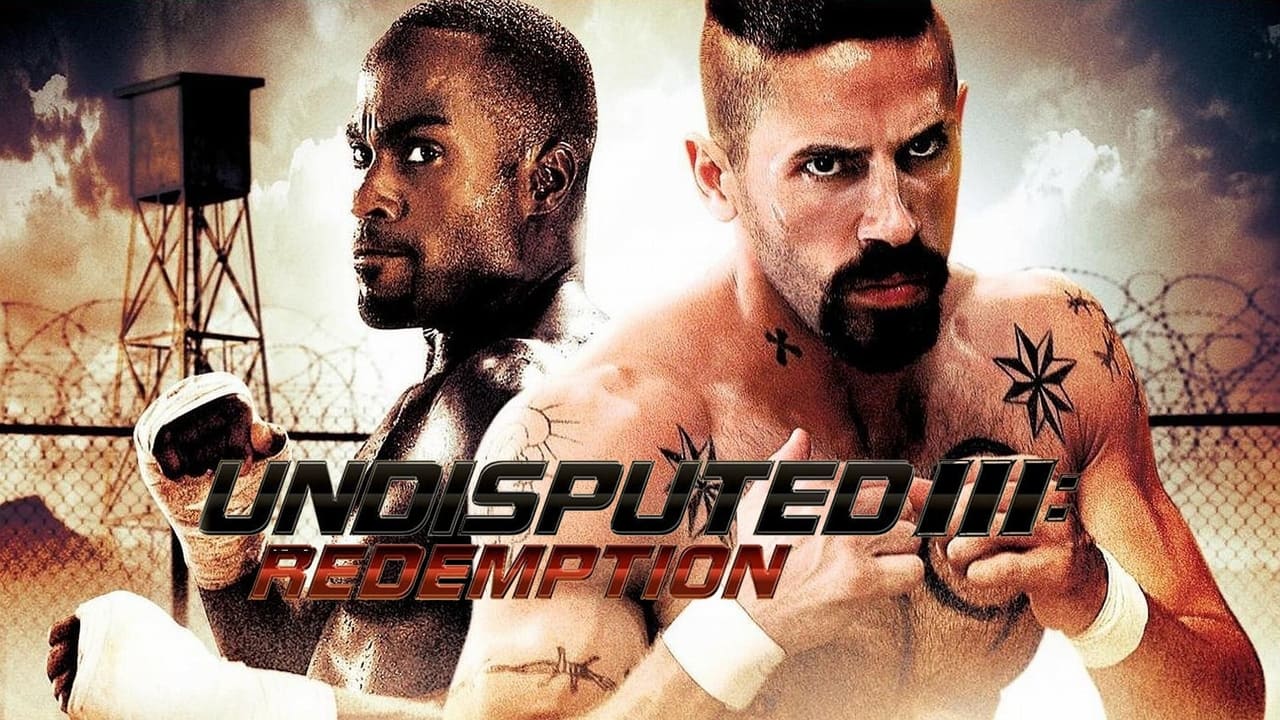
The behind-the-scenes reality of this film is just as impressive as the on-screen action. Most of the primary cast performed their own stunts, and the grueling shoot in the cold Bulgarian locations added a layer of authentic exhaustion to the performances. Apparently, Scott Adkins was actually dealing with knee issues during the franchise's run, which adds a layer of "method acting" to Boyka’s struggle that you can't fake. Watching Adkins fight makes most MCU brawls look like two toddlers wrestling in a ball pit.
This film represents the peak of the "DTV Renaissance." It proved that if you have a clear vision and a cast willing to bleed for the frame, you don't need a hundred million dollars to create a genre classic. It’s a film that respects its audience's intelligence and its characters' pain, even while delivering some of the most spectacular physical feats of the decade.
Undisputed III: Redemption is a rare action sequel that finds its soul in the wreckage of its protagonist. It manages to be both a bruising, intense prison drama and a showcase for some of the best martial arts choreography ever captured on digital film. If you haven't seen it because of the "Part 3" in the title or the lack of a theatrical run, you’re missing out on the moment Yuri Boyka became the patron saint of the underdog. It’s a dark, exhilarating ride that earns every drop of sweat it puts on screen.
Keep Exploring...
-
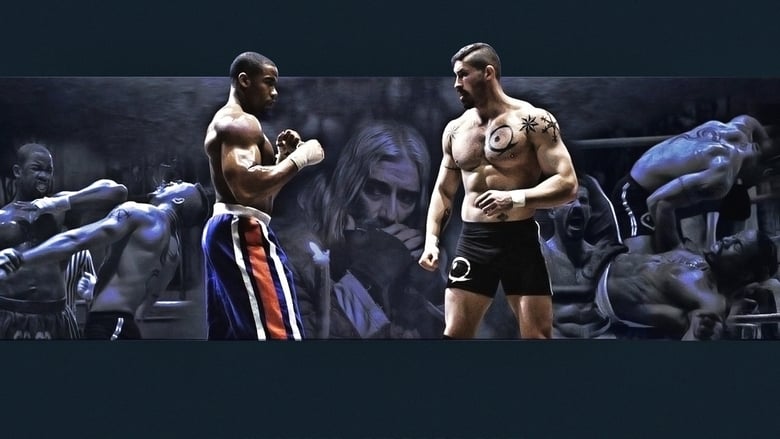
Undisputed II: Last Man Standing
2006
-
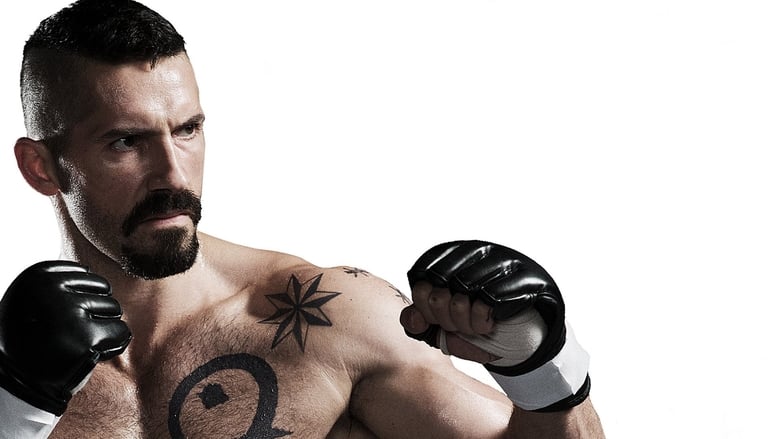
Boyka: Undisputed IV
2016
-
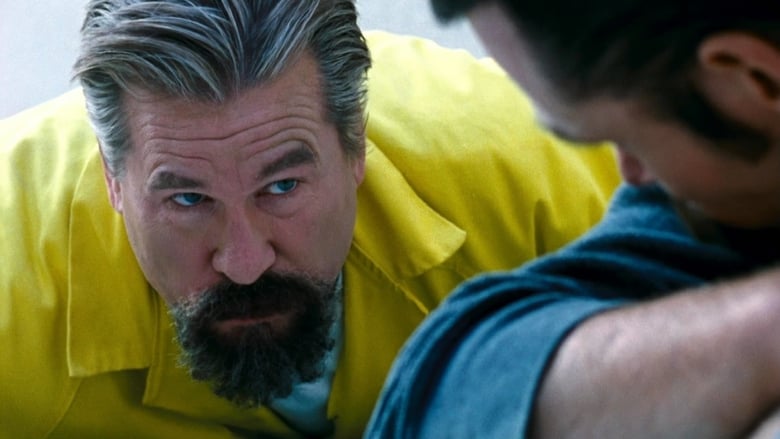
Felon
2008
-

Blood and Bone
2009
-
The Protector
2005
-
United 93
2006
-
The Dark Knight
2008
-
Batman: Year One
2011
-
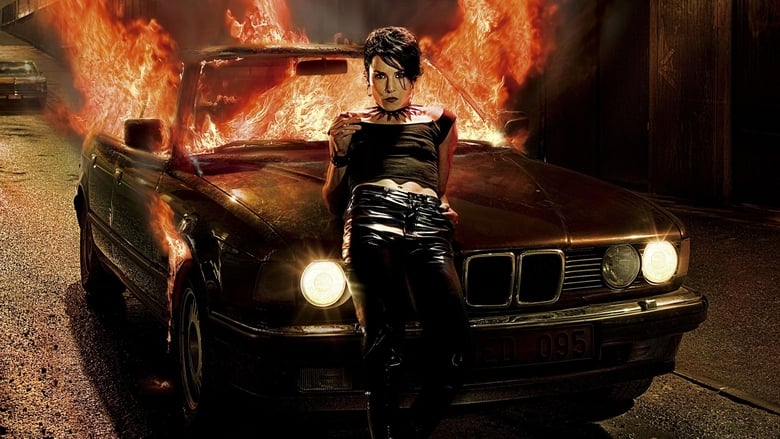
The Girl Who Played with Fire
2009
-
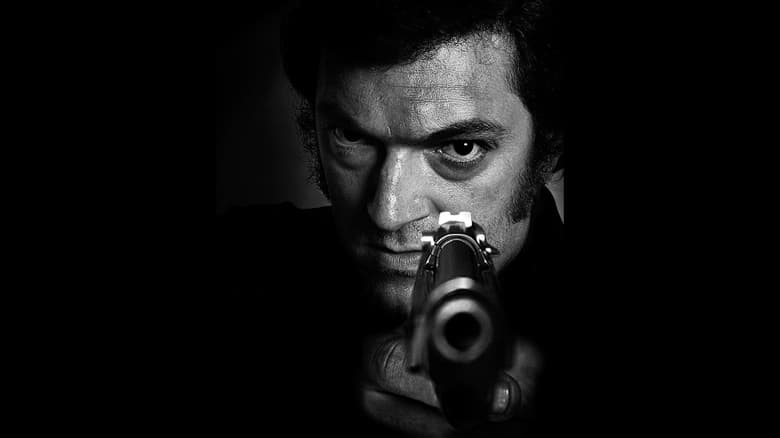
Mesrine: Killer Instinct
2008
-
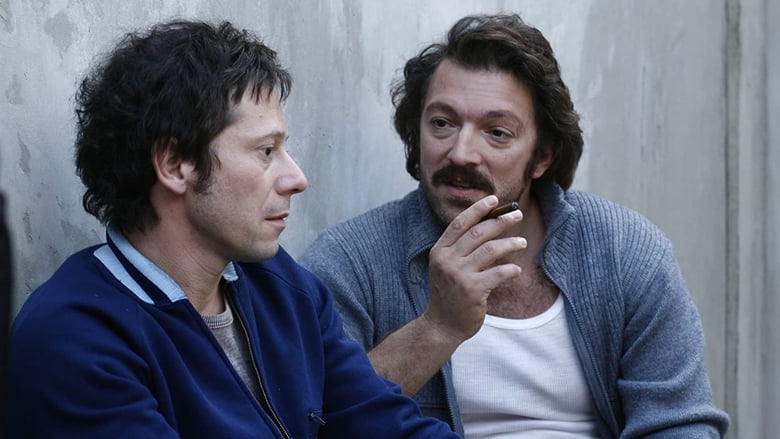
Mesrine: Public Enemy #1
2008
-

The Dark Knight Rises
2012
-

The Chaser
2008
-
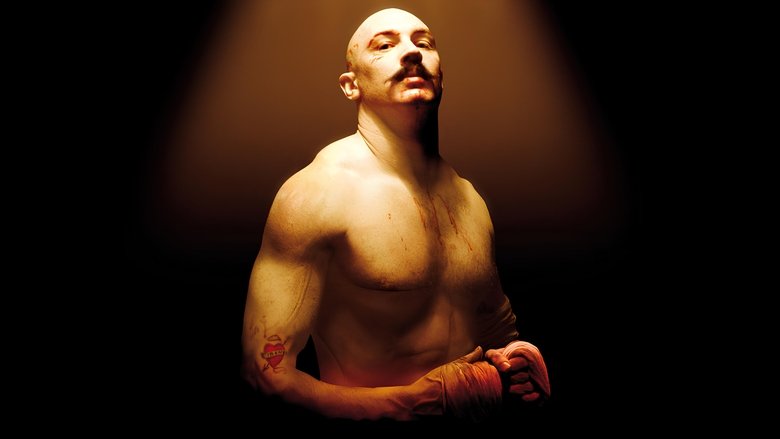
Bronson
2009
-
The Girl Who Kicked the Hornet's Nest
2009
-

The Man from Nowhere
2010
-
The Raid
2012
-
The Raid 2
2014
-
Bound by Honor
1993
-

The Negotiator
1998