Wall Street: Money Never Sleeps
"Old sharks never die; they just get bigger teeth."
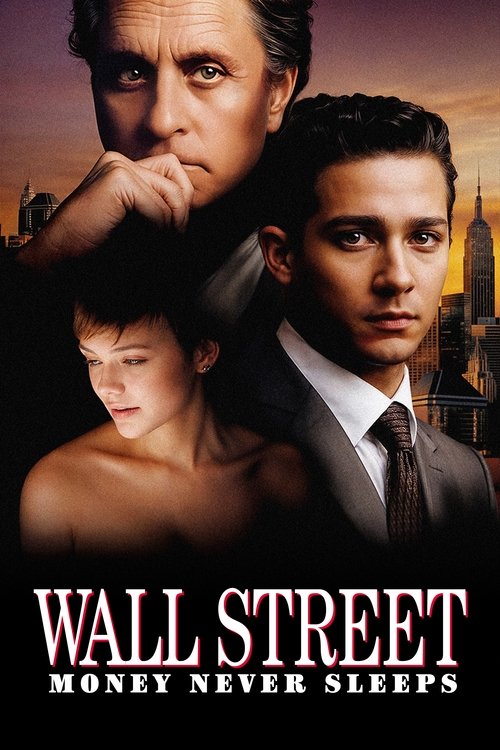
The most striking image in Wall Street: Money Never Sleeps happens in the first five minutes. A man walks out of a federal penitentiary, reclaimed by the world after eight years behind bars. The guard hands him his personal effects: a gold watch, a silk handkerchief, and a mobile phone the size of a structural brick. It’s Gordon Gekko’s 1980s Motorola, a prehistoric relic in a world that has since moved on to the sleek glass of the iPhone. It’s a perfect visual metaphor for a sequel that arrived twenty-three years late to a party that had already turned into a riot.

I watched this film on my couch while my laptop sat on my lap, overheating so badly it sounded like a frantic stock exchange ticker tape, which somehow added a layer of 4D immersion to the experience.
The Return of the King of Greed
The original Wall Street (1987) wasn't just a movie; it was a recruiter for the very industry it tried to satirize. By 2010, Oliver Stone faced a different beast. The "Greed is Good" mantra of the eighties had evolved into something more systemic and, frankly, more terrifying. Into this landscape steps Michael Douglas, slipping back into Gekko’s skin with an ease that is both charismatic and chilling. He doesn't have the power anymore, but he has the "prophetic" insight of a man who saw the 2008 crash coming from his prison cell.
Michael Douglas remains the magnetic North of this film. Even when he’s playing the "reformed" father trying to reconnect with his estranged daughter, Carey Mulligan (who does a lot of heavy lifting with a somewhat underwritten role), you’re just waiting for the shark to break the surface. The film is at its best when Gekko is lecturing rooms of college students, essentially telling them that their generation is the one that’s truly screwed.
A New Breed of Shark

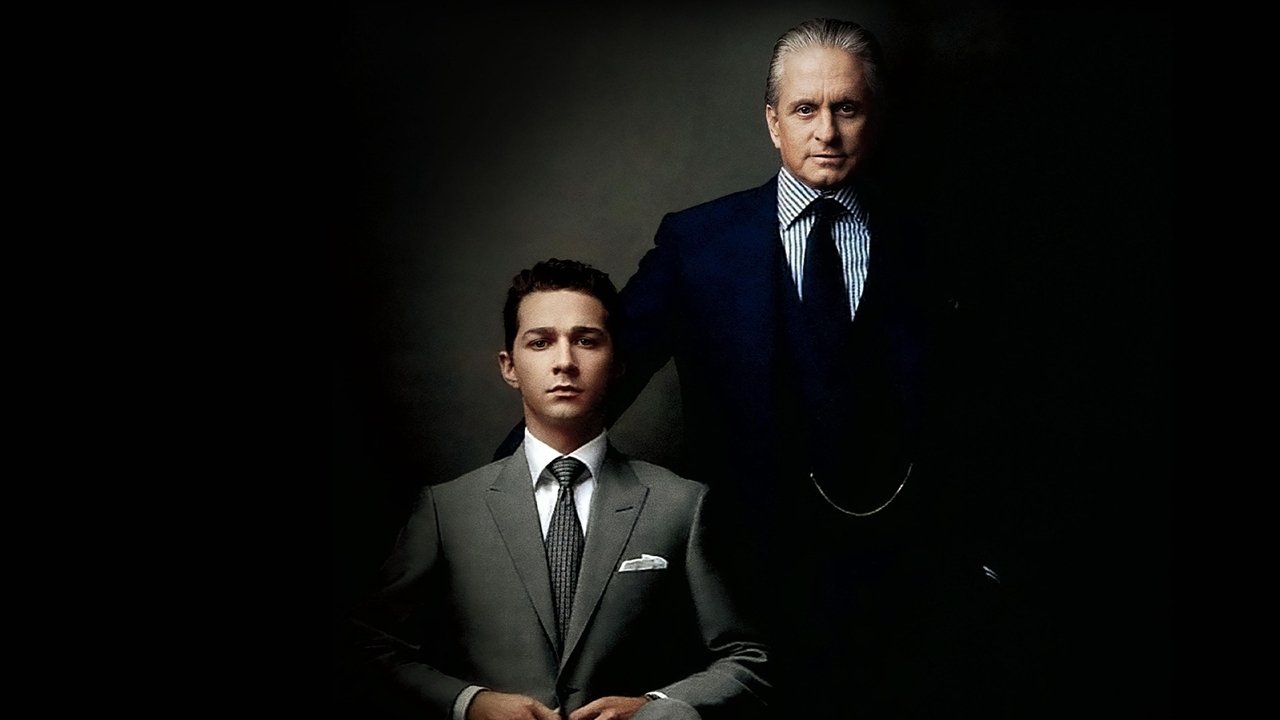
To bridge the gap between Gekko’s analog era and the high-frequency trading of the 2010s, we get Shia LaBeouf as Jacob Moore. Looking back, this was peak LaBeouf era—post-Transformers, mid-blockbuster saturation—and he brings a nervous, kinetic energy to the role of the idealistic protege. He’s trying to avenge his mentor, played with a heartbreaking, weary dignity by Frank Langella, whose character represents the "old school" of banking that actually cared about the institutions they built.
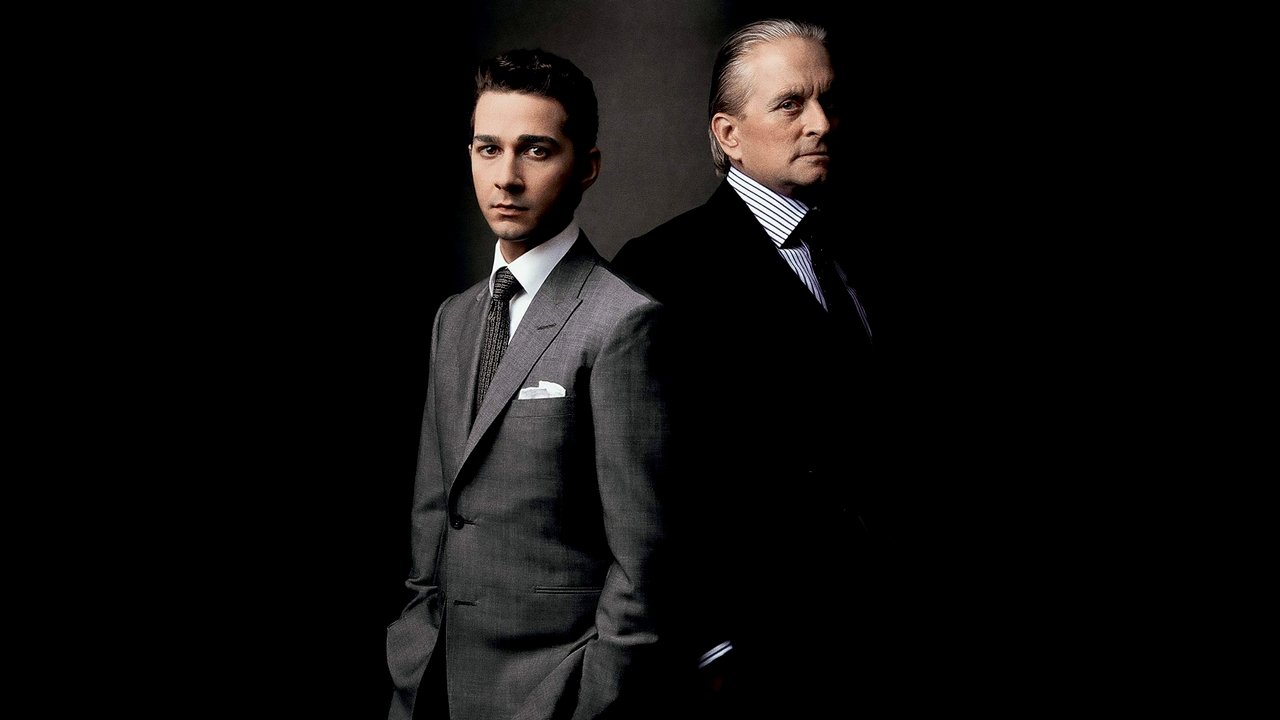
Opposite them stands Josh Brolin as Bretton James. If Gekko was a pirate, James is a privateer with a government contract. Josh Brolin plays him with a predatory stillness that makes Gekko look like a cuddly grandpa. The scenes where these three generations of ego clash are the highlights, framed by Rodrigo Prieto’s cinematography, which treats the New York skyline like a shimmering, digital cathedral of Mammon. Stone uses a lot of split screens and data overlays—very "modern 2010"—which mostly works to convey the frantic pace of a market in freefall.
The Problem with a "Happy" Wall Street
Where the movie falters—and why it’s often relegated to the "half-forgotten sequel" bin—is its insistence on being a family drama. The subplot involving Gekko’s daughter and Jacob’s quest for a green energy breakthrough feels a bit like a Hallmark movie crashed into a Bloomberg terminal. While the 1987 original was a lean, mean tragedy about the corruption of a soul, the sequel tries to have its cake and eat it too, offering a redemption arc that feels slightly unearned given Gekko’s history.
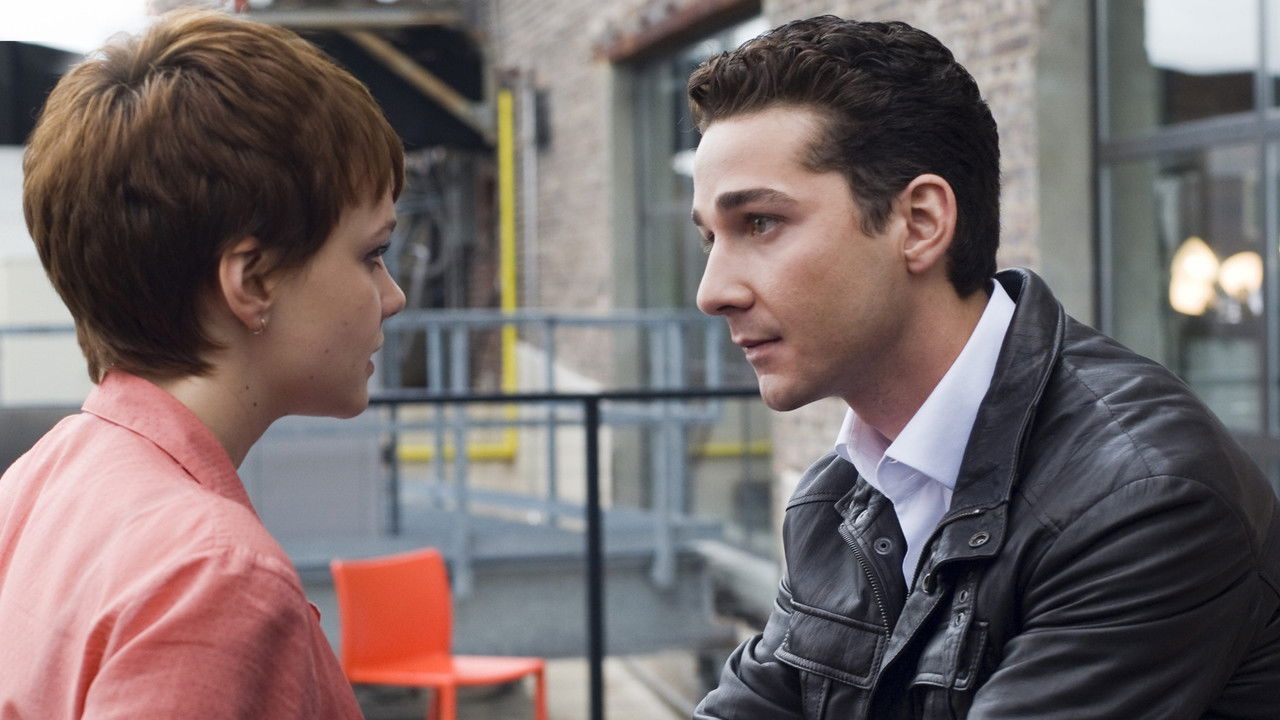
There’s also a brief, bizarre cameo by Charlie Sheen, reprising his role as Bud Fox. He shows up at a party for about thirty seconds, looking like he just wandered in from a different movie entirely, and while it’s a fun nod for fans, it highlights how much the world has changed. The movie is caught between being a serious post-mortem of the 2008 financial crisis and a glossy Hollywood sequel.
One of the more interesting "lost" details of the production is that Oliver Stone reportedly shot enough footage for a much longer, more cynical film. There were rumors of a "Director’s Cut" that leaned harder into the financial mechanics and less into the wedding-planning subplots. What we got instead was a film that felt the need to apologize for Gekko, which is a shame because we don't want a nice Gordon Gekko; we want the guy who eats lunch for breakfast.
Ultimately, Wall Street: Money Never Sleeps is a fascinating time capsule of the immediate post-crash era. It captures that specific 2010 anxiety where we knew the system was broken but hadn't yet figured out how to live in the wreckage. While the domestic drama drags the pace down, the sheer force of Michael Douglas and the slick, high-gloss production make it a worthy watch for anyone who misses the days when movies actually tried to tackle the "Big Ideas" of the economy. It’s not a masterpiece, but in the landscape of modern sequels, it’s at least one that has something to say, even if it stammers a bit while saying it.
Keep Exploring...
-

Wall Street
1987
-
Savages
2012
-
Natural Born Killers
1994
-
Any Given Sunday
1999
-
World Trade Center
2006
-
A Perfect Murder
1998
-
In the Valley of Elah
2007
-

Alexander
2004
-

Trust
2010
-
The Black Dahlia
2006
-

The Brave One
2007
-
Edge of Darkness
2010
-
Broken City
2013
-
The Doors
1991
-
The Sentinel
2006
-
Disclosure
1994
-

Domino
2005
-
Get Rich or Die Tryin'
2005
-
Oliver Twist
2005
-
Alpha Dog
2006