Winter's Bone
"Some secrets are buried too deep to thaw."
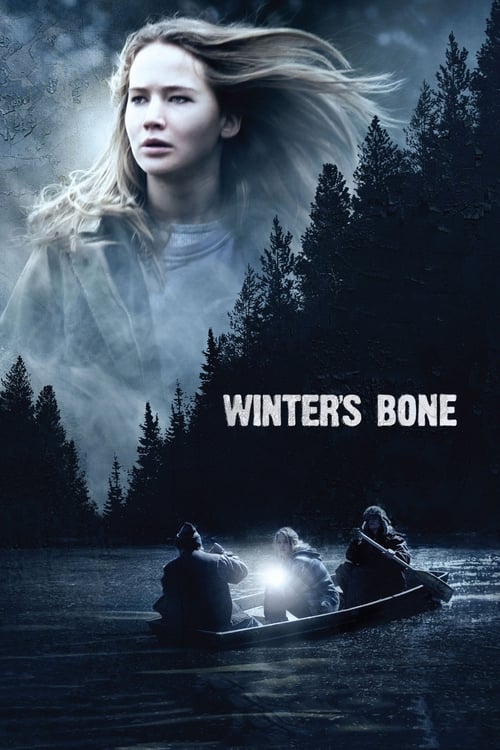
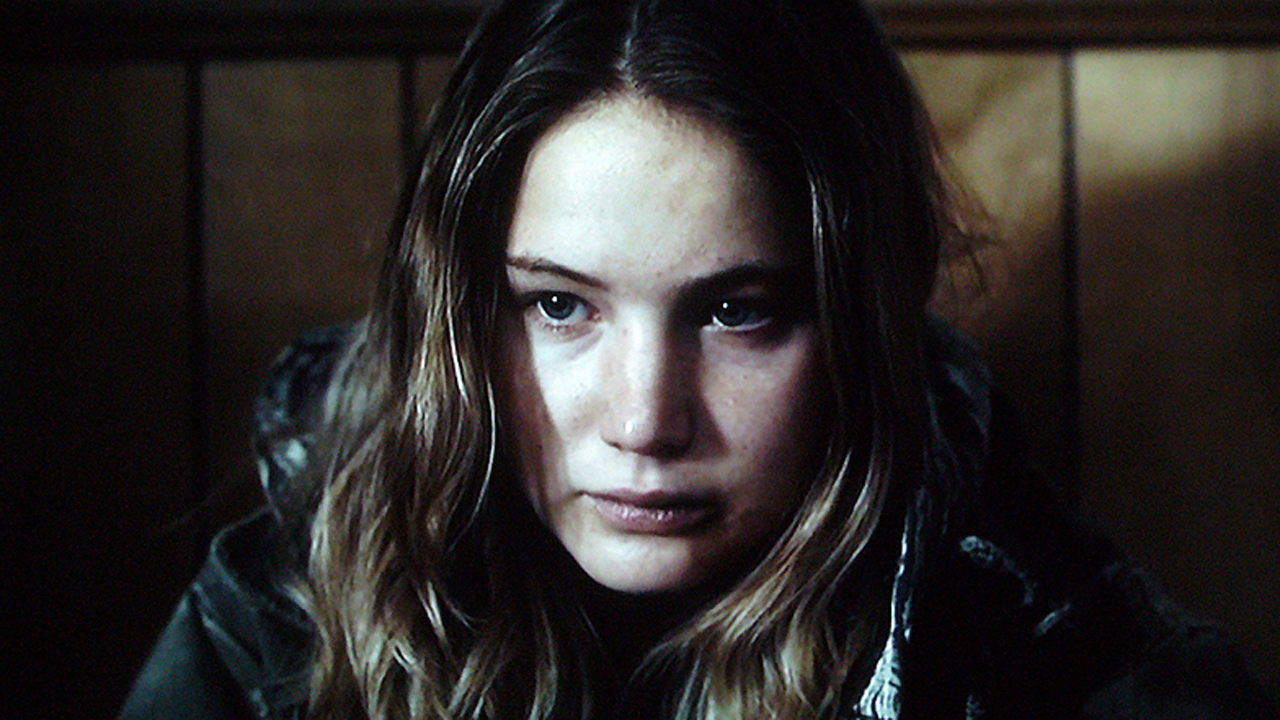
The year 2010 was dominated by the bombast of Inception and the blue-hued digital maximalism of the post-Avatar hangover. Amidst all that high-concept noise, a quiet, freezing-cold scrap of a movie called Winter’s Bone arrived like a slap in the face with a wet branch. It didn't have a massive marketing budget or a household name in the lead; instead, it had a gray-blue color palette that looked like a bruised rib and a 19-year-old actress who seemed to carry the weight of the entire Ozark mountain range on her shoulders.
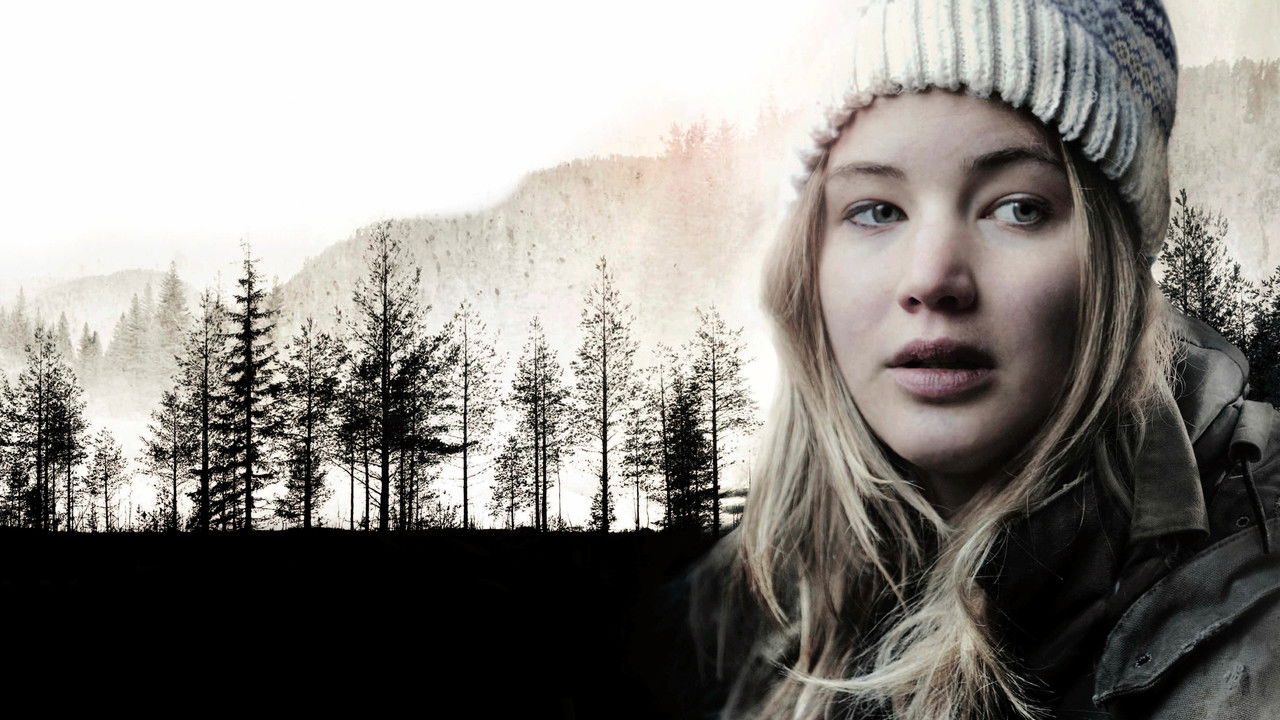
I recently rewatched this on a Tuesday night while wearing two pairs of socks because my heater was acting up, and honestly, the ambient chill of my apartment was the perfect companion for Debra Granik’s unflinching look at rural survival. It’s a film that feels less like a "movie" and more like a warning.
The Arrival of Jennifer Lawrence
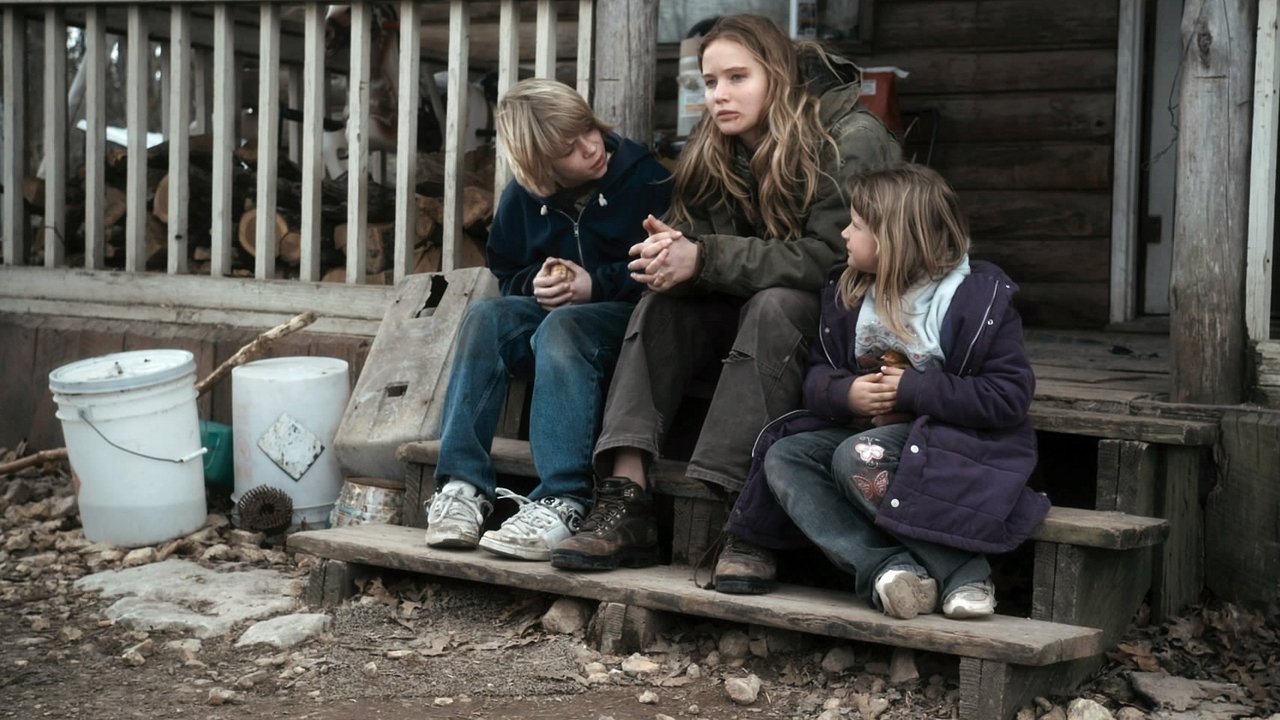
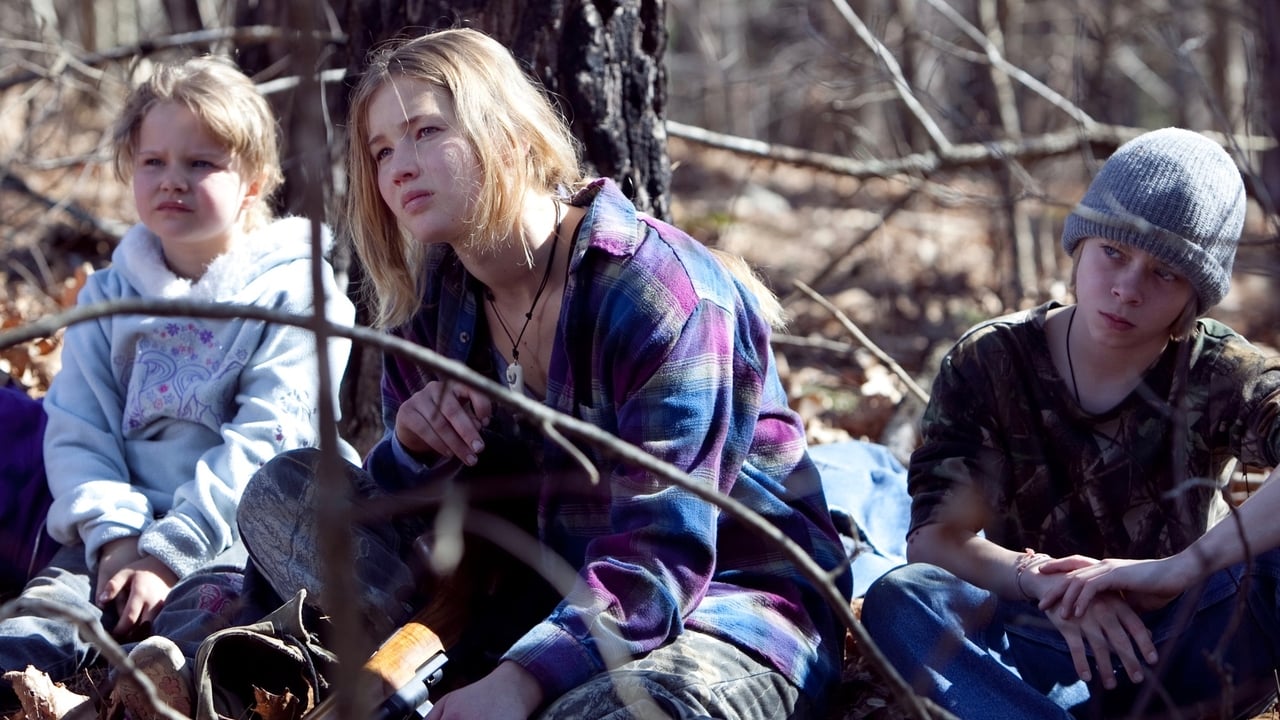
Before she was a Capitol-defying archer or a blue mutant, Jennifer Lawrence was Ree Dolly, a seventeen-year-old girl taking care of two younger siblings and a catatonic mother in a house that’s about to be seized by the law. Her father, a meth cooker who skipped bail, used their home as collateral. If Ree doesn't find him—dead or alive—they’re out in the woods.
Looking back, it’s wild to see how fully formed Jennifer Lawrence was as a performer here. There is zero Hollywood gloss. When she chops wood or skins a squirrel, you aren't looking at an actress who took a weekend workshop; you’re looking at someone who looks like she’s been doing it since she could walk. She possesses a stillness that most veteran actors would kill for, and she never begs for the audience’s sympathy. She just demands their respect. It’s one of those rare "star is born" moments that actually earns the hyperbole, though I’d argue she’s never quite topped the raw, unadorned power she displays in these 101 minutes.
A World Built on "No"
The "Mystery" genre tag might lead you to expect a traditional whodunit, but Winter’s Bone is more of a "Where-is-he-and-why-won't-you-tell-me." The tension doesn't come from clever clues; it comes from the terrifying social code of the Dolly clan. This is a world where "talking causes witnesses," and the sheriff (Garret Dillahunt, playing against his usual charismatic type) is treated like a foreign invader.
The standout supporting performance belongs to John Hawkes as Teardrop, Ree’s uncle. With his gaunt face and eyes that look like they’ve seen things that would turn most people to stone, Hawkes creates a character who is simultaneously a threat and a protector. His chemistry with Lawrence is electric because it’s so unpredictable. You spend half the movie wondering if he’s going to save Ree or strike her. There’s a scene in a truck involving a rifle and a high-tension standoff with the police that remains one of the most nerve-wracking sequences in modern cinema, simply because Hawkes makes you believe he has absolutely nothing left to lose.
The Indie Grit That Defined an Era
Debra Granik and co-writer/producer Anne Rosellini shot this on a shoestring budget of roughly $2 million, which, in 2010 dollars, was about the catering budget for a Transformers sequel. They spent weeks in the Ozarks before filming, soaking up the atmosphere and casting locals to fill out the world. The house the Dollys live in wasn't a set; it was a real home belonging to a local family, and the clutter on the porch wasn't "propped"—it was lived-in reality.
This film represents the peak of the "Sundance Generation" transition into the 2010s. It used digital cinematography (the RED One camera) in a way that didn't feel cheap or "video-y." Instead, Michael McDonough used it to capture the skeletal beauty of the winter trees and the harsh, unforgiving light of a Missouri January. It’s a masterclass in how to make a low budget look like a deliberate aesthetic choice. Honestly, more directors should be forced to work with $2 million and a bag of squirrels; it might fix Hollywood’s current bloat.
The film also serves as a stark reminder of the "meth-western" subgenre that cropped up post-9/11, reflecting anxieties about the crumbling American interior and the rot of the drug epidemic. It feels like a companion piece to Breaking Bad, but without the dark humor or the chemistry-set gimmicks. It’s just the cold, hard ground.
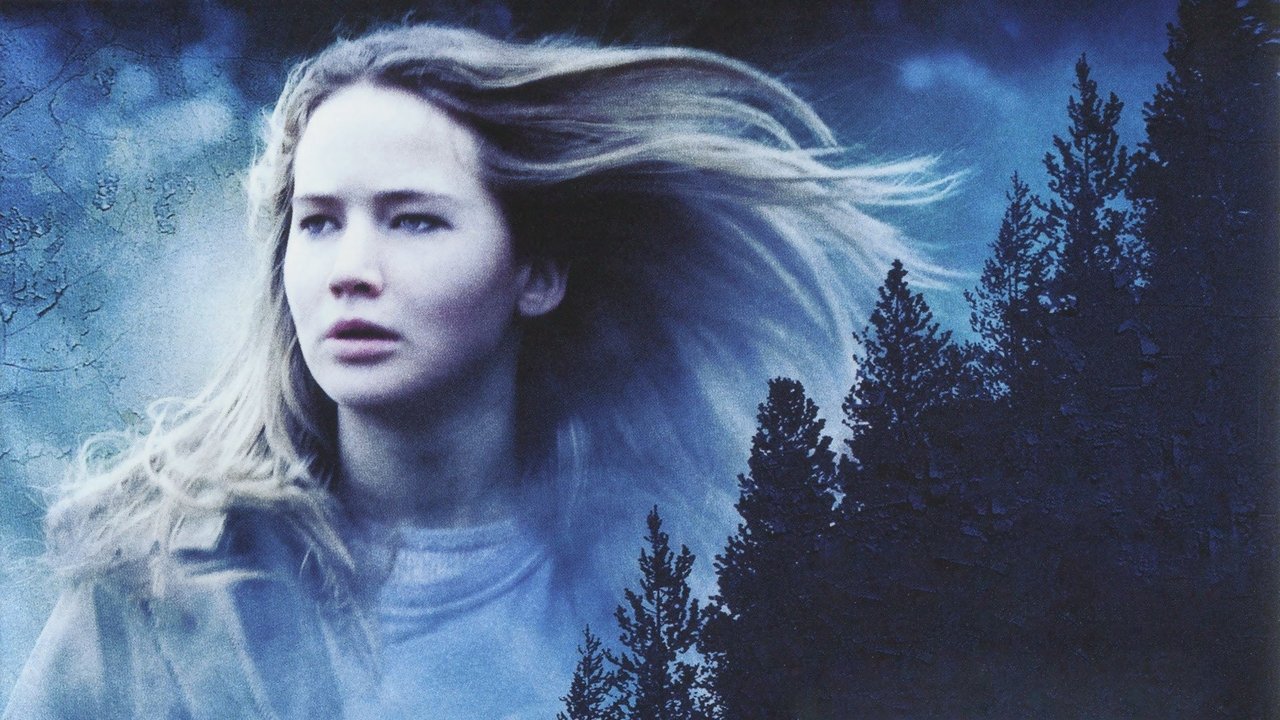
Authentic Tension
There is a sequence near the end of the film—I won't spoil it, but it involves a boat and a chainsaw—that is handled with such haunting, quiet dignity that it transcends the "thriller" label. Granik doesn't go for gore; she goes for the psychological weight of what these characters are forced to do to survive.
The score by Dickon Hinchliffe, peppered with authentic Ozark folk music and the haunting vocals of Marideth Sisco, gives the film a soul. It reminds me that while the characters are living in desperate circumstances, they are part of a rich, albeit insular, culture. The music isn't there to tell you how to feel; it’s there to remind you that this place has a history.
Winter’s Bone is a rare bird. It’s a drama that moves with the tension of a horror movie and a character study that never feels indulgent. It’s the film that gave us a superstar, but more importantly, it gave a voice to a part of the country that cinema usually either ignores or mocks. It’s not an "easy" watch—it’s cold, it’s bleak, and it’s occasionally brutal—but it’s an essential one. If you haven't revisited it since the early 2010s, do yourself a favor: grab a blanket, turn off the lights, and let the Ozark winter settle into your bones.
Keep Exploring...
-
Brick
2006
-
The Girl Who Played with Fire
2009
-
Buried
2010
-
Rubber
2010
-
Nymphomaniac: Vol. II
2013
-
Frank
2014
-
Pi
1998
-
Donnie Darko
2001
-
Session 9
2001
-
Leave No Trace
2018
-
After.Life
2009
-
Batman: The Dark Knight Returns, Part 1
2012
-
Broken Flowers
2005
-
Flightplan
2005
-
The Jacket
2005
-
The Skeleton Key
2005
-
Inland Empire
2006
-
Lucky Number Slevin
2006
-
Disturbia
2007
-
Gone Baby Gone
2007