Yogi Bear
"Hide your snacks—the CGI bears have arrived."
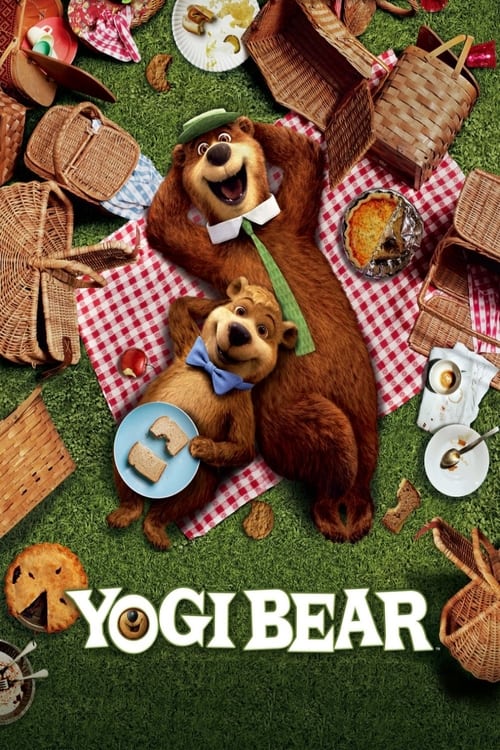
I distinctly remember watching Yogi Bear for the first time on a flight where the person in the seat next to me was aggressively snoring, and somehow, the rhythmic honking of their nose provided a more complex soundtrack than anything I was seeing on screen. I was also eating those weirdly addictive pretzel bites that have way too much salt—the kind that make your fingers look like they’ve been dusted with snow—and that remains my strongest sensory association with this film. It is a "pretzel bite" of a movie: salty, processed, and gone from your memory the moment the bag is empty.
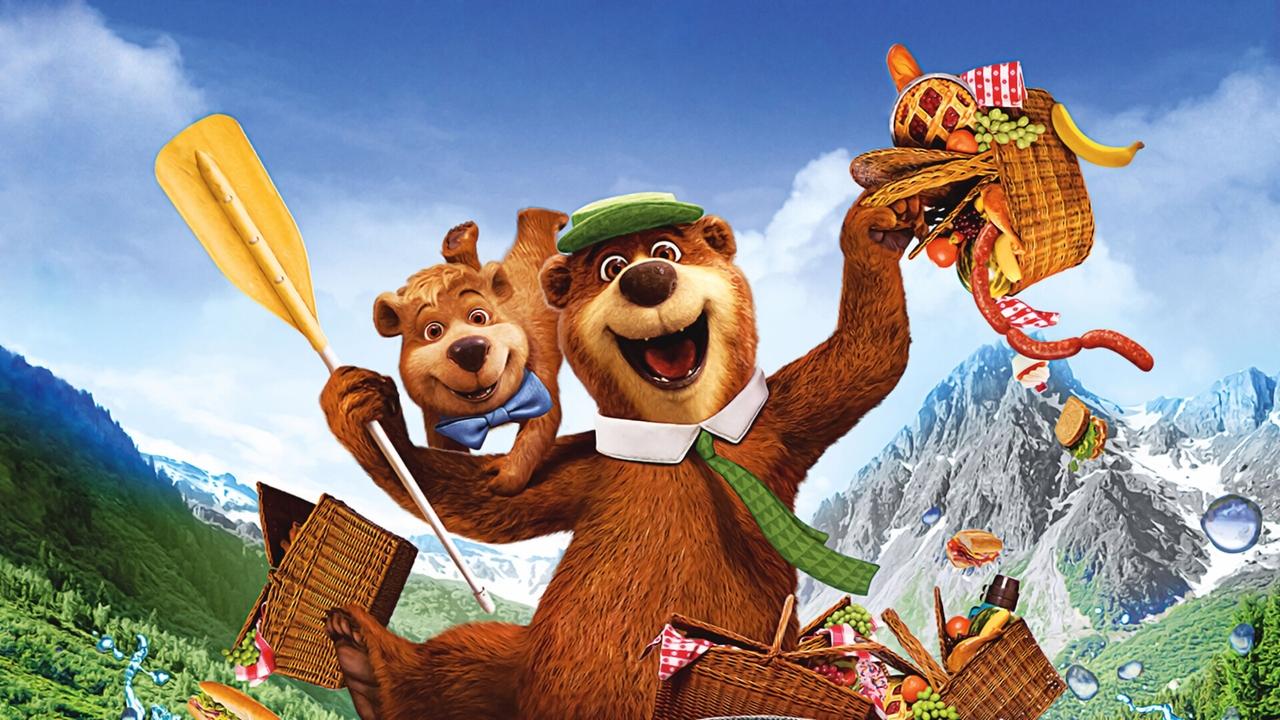
The 3D Hybrid Gold Rush
Looking back from the vantage point of the 2020s, it’s easy to forget that the years between 2007 and 2012 were the "Wild West" of the live-action/CGI hybrid. After the Alvin and the Chipmunks films printed money by simply having a digital rodent rap a Top 40 hit, Hollywood went on a frantic archeological dig through the Hanna-Barbera vaults. Yogi Bear was a key artifact of this era, arriving right at the peak of the post-Avatar 3D craze.
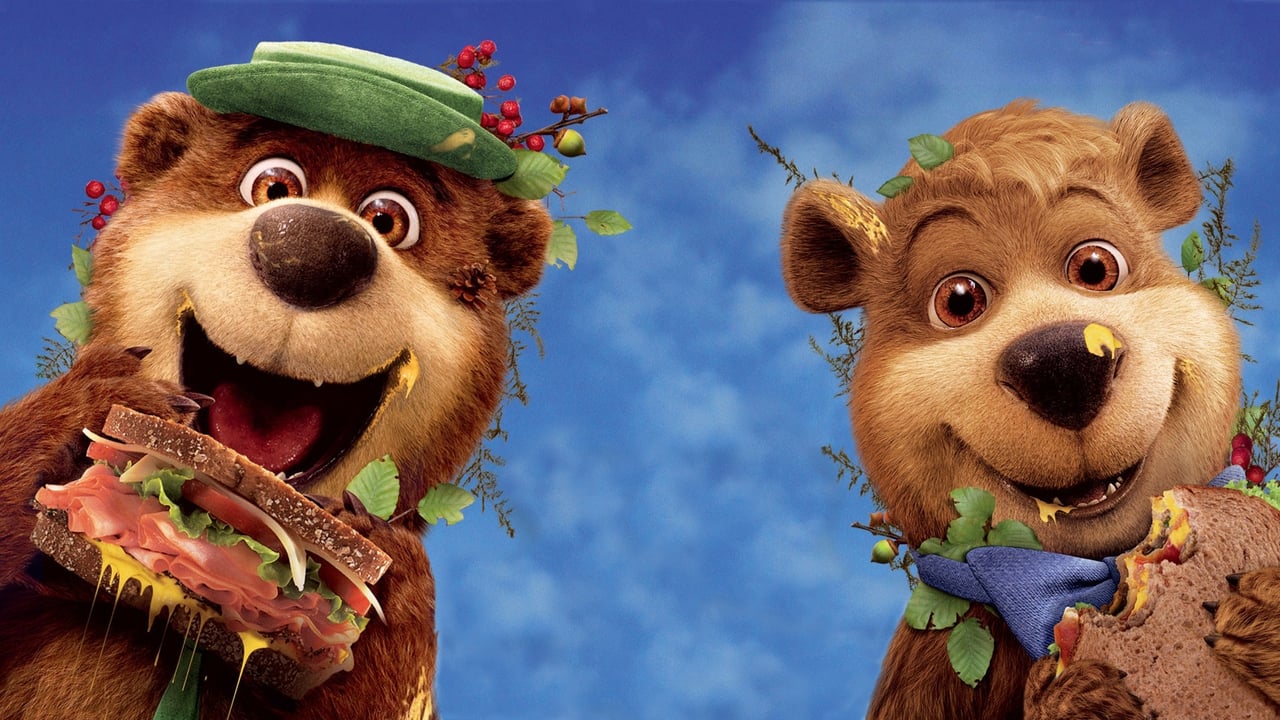
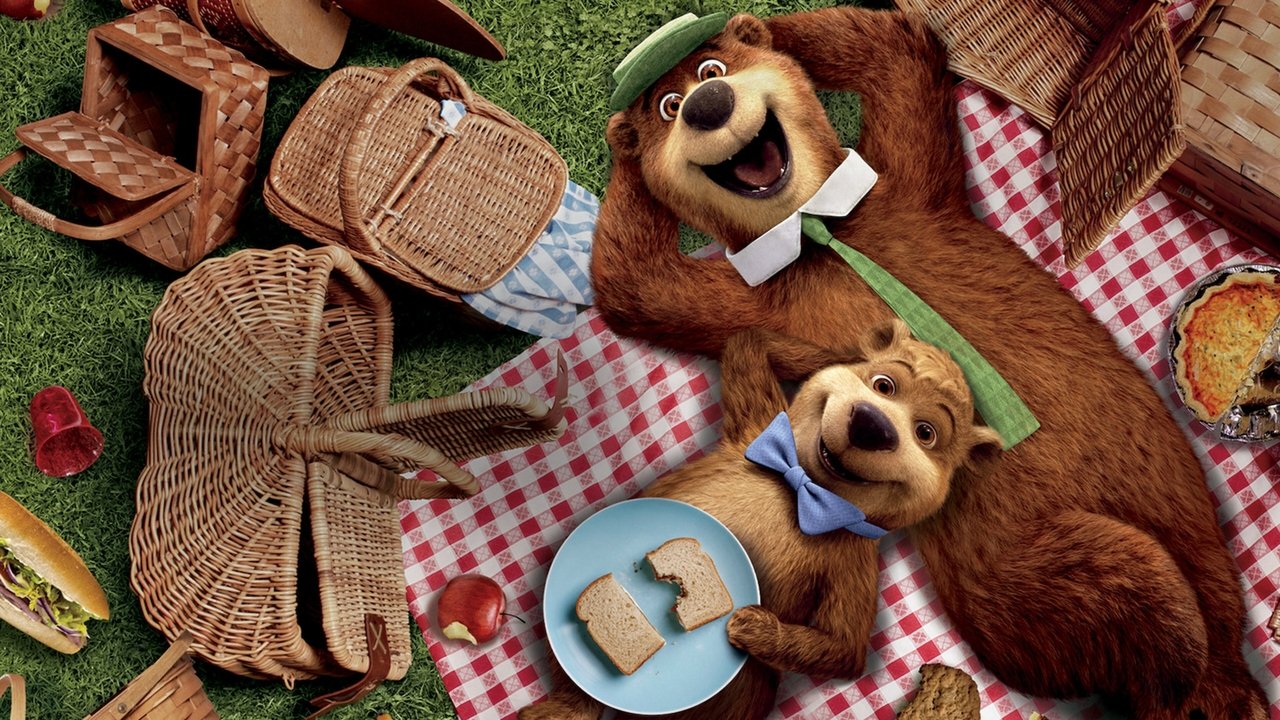
The film was directed by Eric Brevig, a man with a heavy-duty background in visual effects (he worked on Total Recall and Men in Black). You can feel that technical DNA in every frame. In retrospect, the CGI on Yogi and Boo-Boo hasn't aged nearly as poorly as some of its contemporaries, but there is still that unmistakable 2010 "gloss"—a sense that these creatures were lit by a sun that doesn't quite exist in our atmosphere. It captures a moment in cinema history where we were transitioning from "can we do this?" to "should we do this for eighty minutes straight?"
A Tale of Two Impressions
The most fascinating thing about this movie isn't the plot (which is a standard "save the park from the greedy mayor" trope), but the voice work. Dan Aykroyd steps into the role of Yogi with a performance that feels less like acting and more like a seance. He’s doing an impression of Daws Butler’s original 1950s voice, which itself was an impression of Art Carney’s Ed Norton from The Honeymooners. It’s a copy of a copy of a copy, and Aykroyd leans into it with a sincerity that is almost touching.
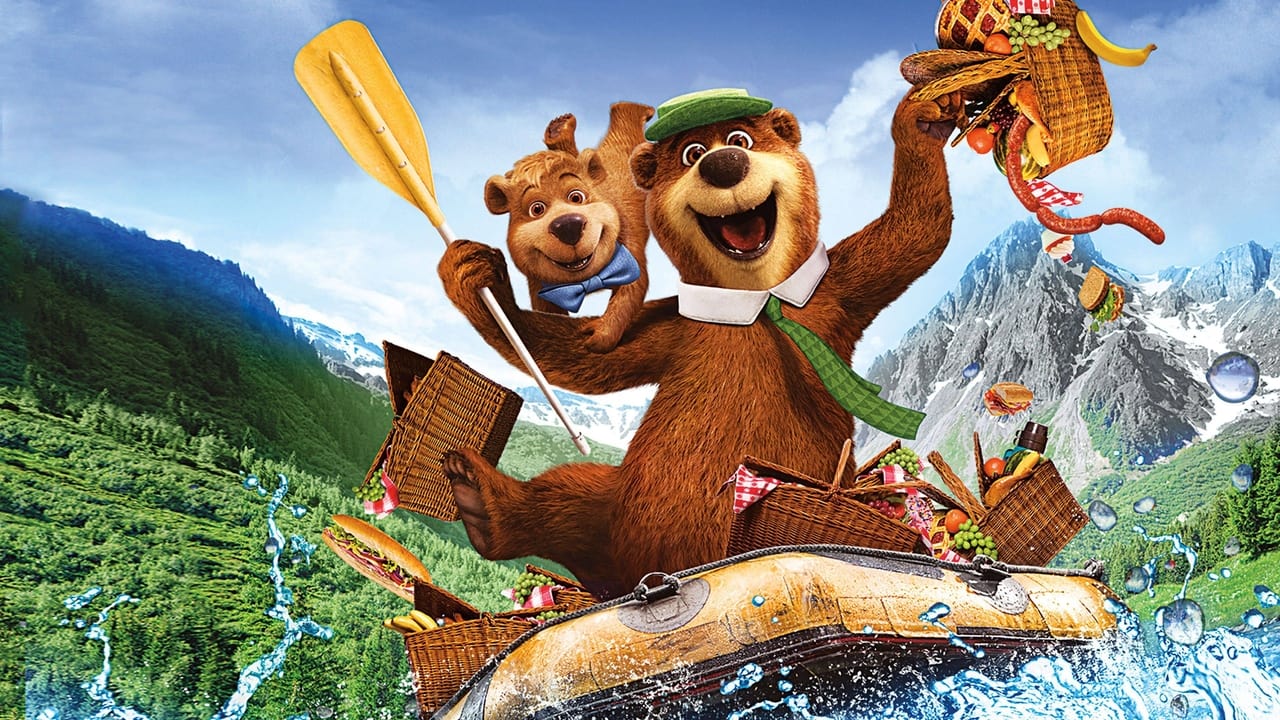
Then there’s Justin Timberlake as Boo-Boo. This was 2010—Timberlake was arguably the coolest person on the planet at the time—and yet he delivers a Boo-Boo voice that is a work of baffling, high-effort mimicry. I genuinely forgot it was him about five minutes in. It’s an oddly humble performance for a pop superstar.
On the human side, we have Tom Cavanagh as Ranger Smith and Anna Faris as a documentary filmmaker. Cavanagh has the thankless task of acting against thin air, and he does it with the kind of wide-eyed earnestness usually reserved for children’s theater. Faris, a comedic genius who is frankly overqualified for this, still manages to find a few moments of genuine charm. However, I can't help but feel that it feels like a movie written by a focus group that was being held hostage in a Cinnabon.
The Quest for a Vanishing Park
As an adventure film, Yogi Bear is remarkably efficient. At a lean 80 minutes, it doesn't have time to be boring. The "journey" here is mostly physical—ziplining through trees, navigating a makeshift flying machine, and trying to save Jellystone from being turned into a logging site. It was actually filmed in New Zealand, which stands in surprisingly well for a fictionalized Wyoming, providing some truly lovely vistas that the CGI bears then proceed to fall down in front of.
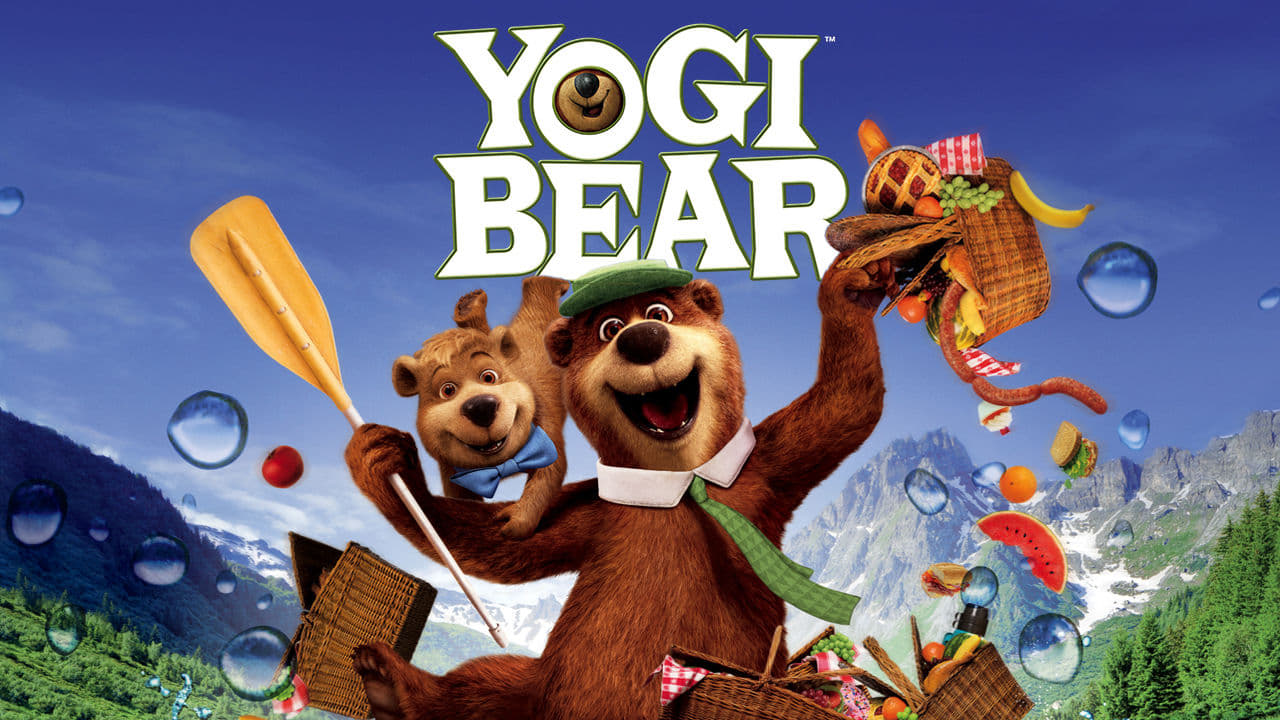
There is a sequence involving a white-water rafting trip that captures that specific "theme park ride" energy that defined adventure movies of this era. It’s designed to pop in 3D, and even on a flat screen, you can see the moments where the director is practically poking the audience in the eye with a digital paddle.
Why has this film vanished from the cultural conversation despite making over $200 million? I suspect it's because it’s a film with zero friction. It’s perfectly pleasant, entirely predictable, and leaves no aftertaste. It doesn't have the anarchic soul of the original cartoons, nor does it have the modern edge of something like The LEGO Movie. It exists in a permanent state of "okay," which is perhaps the most obscure place a film can live.
If you have a young child or a very high tolerance for "pic-a-nic" puns, Yogi Bear is a harmless way to kill an hour. It’s a brightly colored time capsule of a period when we thought putting Justin Timberlake in a digital bear suit was the pinnacle of entertainment technology. It’s not a classic, but as a piece of 2010 nostalgia, it’s better than a sharp stick in the eye—or a bear stealing your lunch.
Keep Exploring...
-

The Ant Bully
2006
-
Shrek the Halls
2007
-
TMNT
2007
-
Journey to the Center of the Earth
2008
-
Open Season 2
2008
-
Shrek the Third
2007
-
Osmosis Jones
2001
-
Valiant
2005
-

The Nut Job
2014
-
The Little Mermaid II: Return to the Sea
2000
-
101 Dalmatians II: Patch's London Adventure
2003
-

Open Season
2006
-

Bee Movie
2007
-
Shrek Forever After
2010
-
Cars 2
2011
-
The Smurfs
2011
-
Ice Age: Continental Drift
2012
-
Planes
2013
-
Planes: Fire & Rescue
2014
-
Rio 2
2014