30 Minutes or Less
"Deliver the cash or lose your crust."
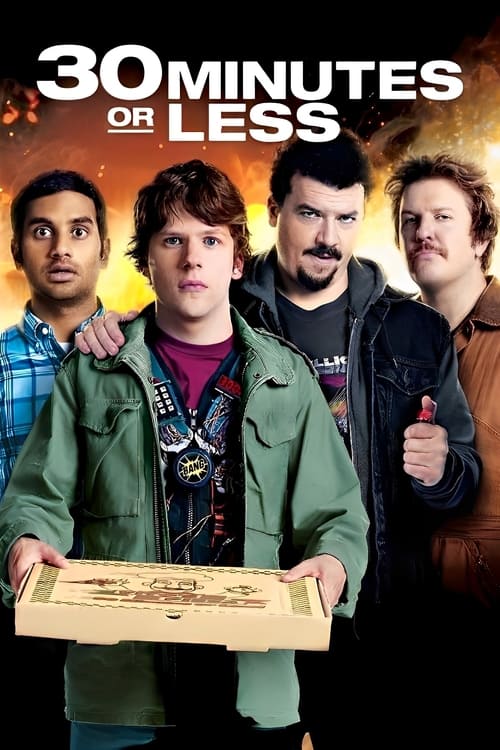
I remember watching 30 Minutes or Less for the first time on a scratched DVD I’d rented from a Redbox outside a 7-Eleven, while nursing a Slurpee that was approximately 90% syrup and 10% melted ice. That sugary, slightly chaotic energy actually turned out to be the perfect headspace for this movie. It’s a film that exists in a very specific pocket of the early 2010s—a time when Ruben Fleischer was the hottest director in Hollywood after Zombieland (2009), and the "action-comedy" wasn't yet swallowed whole by the neon-lit, hyper-stylized John Wick clones we see today.
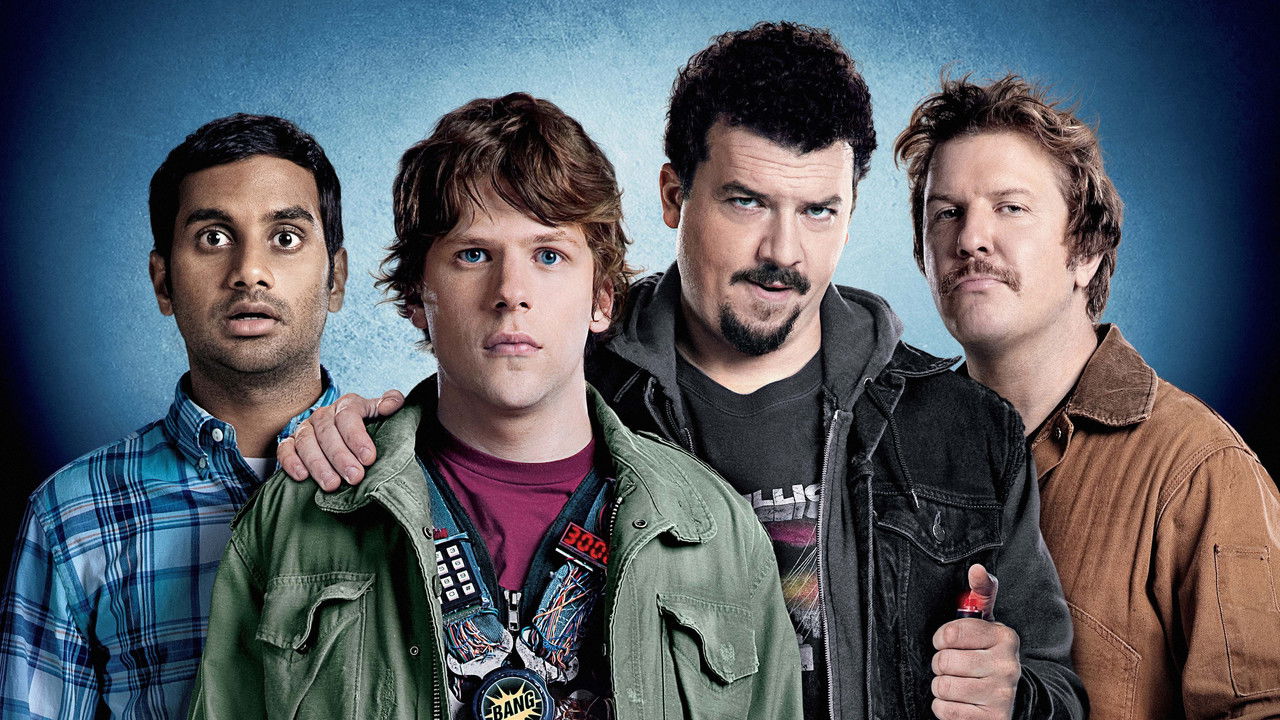
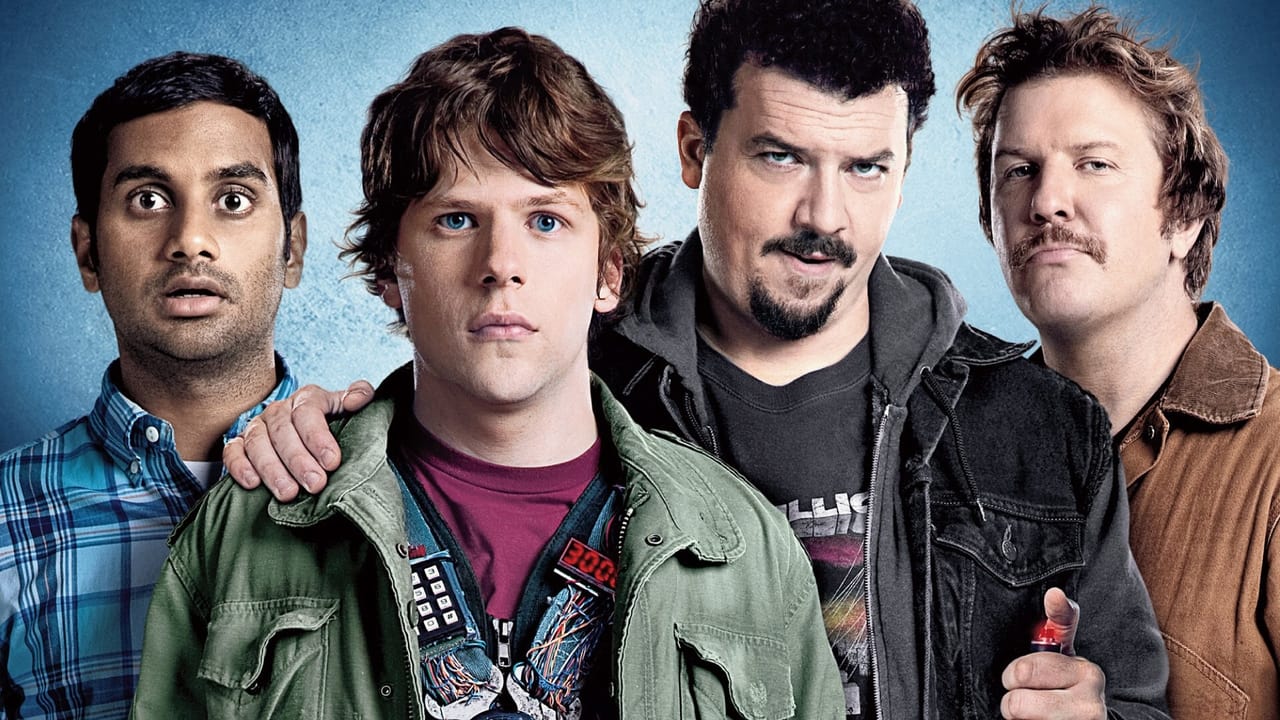
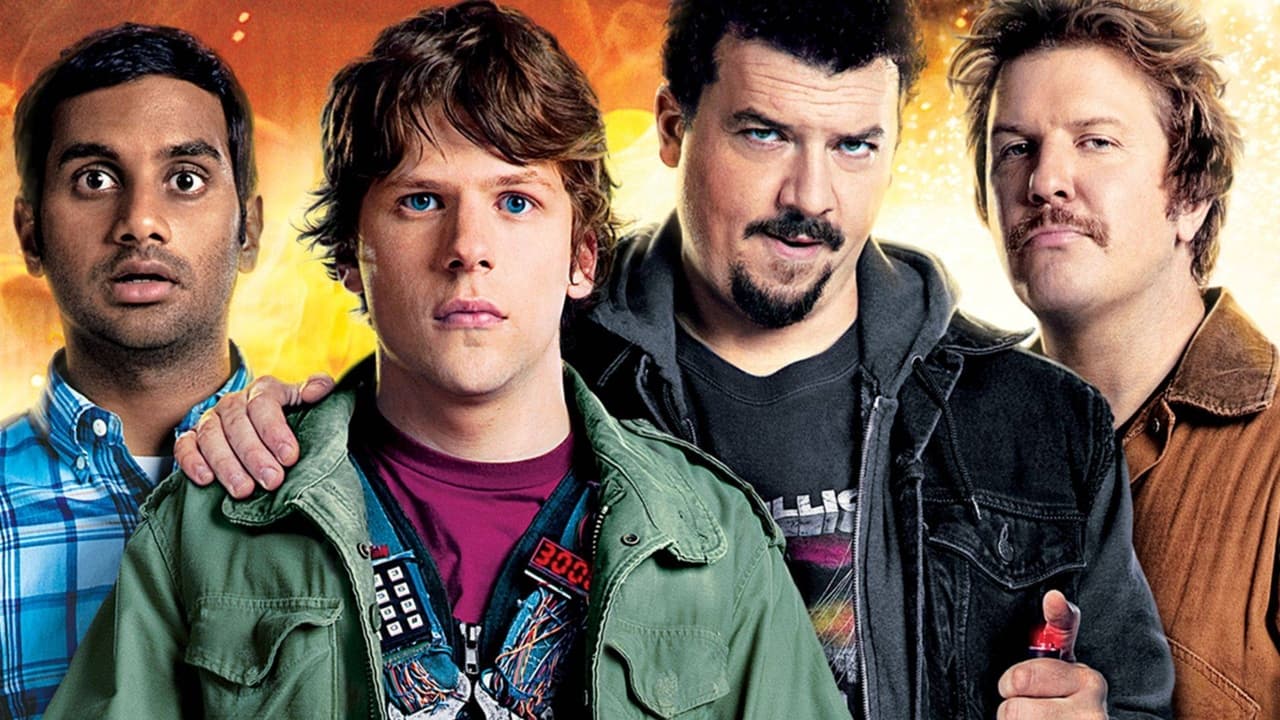
The premise is pure high-concept stress: Nick (Jesse Eisenberg), a cynical pizza delivery driver who prides himself on his reckless driving, is kidnapped by two aspiring criminal masterminds, Dwayne (Danny McBride) and Travis (Nick Swardson). They strap a bomb to his chest and give him ten hours to rob a bank for $100,000. If he fails, he goes boom. Naturally, Nick recruits his estranged best friend Chet (Aziz Ansari) to help him pull off the heist.
The Art of the Frantic Heist
What struck me upon a rewatch is how much of this film relies on "real-world" physics. In the transition era from analog to digital filmmaking, Ruben Fleischer and cinematographer Jess Hall (who later did Ghost in the Shell) opted for a gritty, sun-bleached look that makes the action feel surprisingly heavy. Unlike the floaty CGI of modern blockbusters, the car chases here—mostly involving Nick’s beat-up 1980s Mustang—feel grounded. You can almost smell the burnt rubber and cheap upholstery.
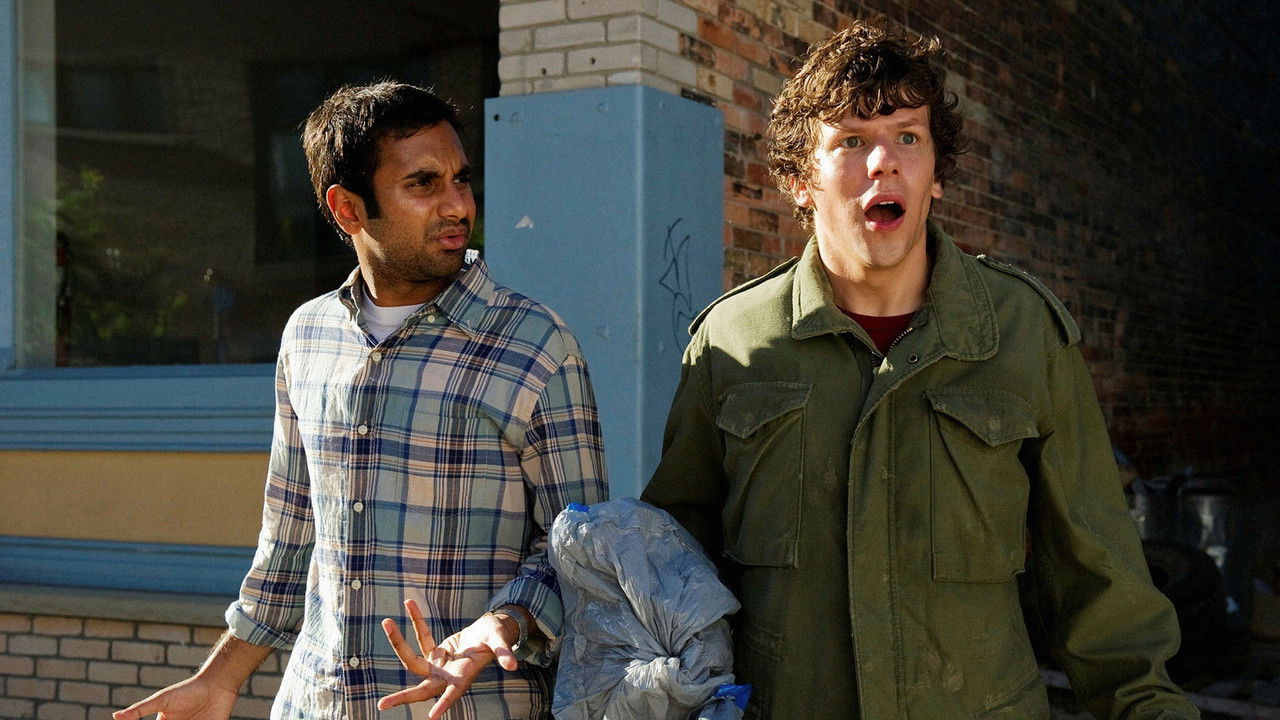
The action isn't "balletic"; it’s messy. When Nick and Chet finally hit the bank, it’s a masterclass in comedic tension. Aziz Ansari is basically a vibrating tuning fork of anxiety, and his chemistry with Jesse Eisenberg works because they play the stakes straight. To me, it’s basically The Social Network if Mark Zuckerberg worked at Domino’s and had significantly less dignity. The way the camera stays tight on Nick’s face as he realizes the bomb is actually armed creates a genuine sense of dread that anchors the dick jokes.
Villains We Love to Hate (and Laugh At)
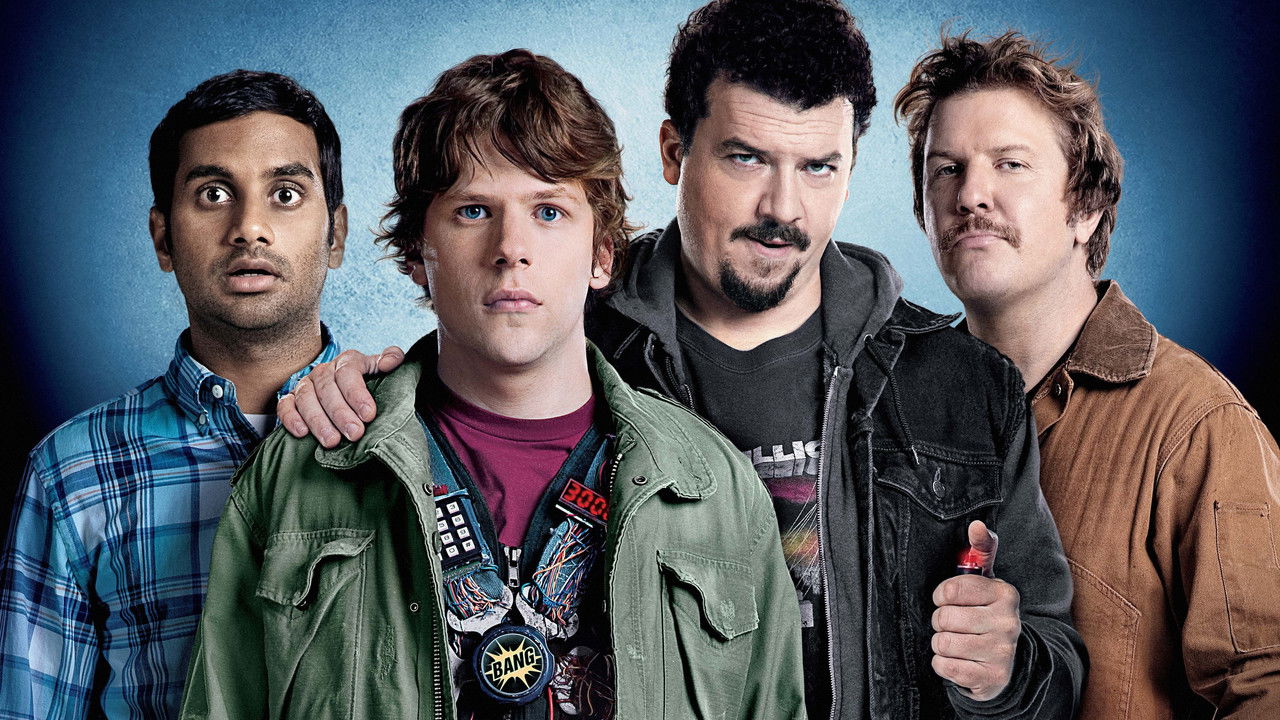
If the protagonists are the heart of the film, Danny McBride and Nick Swardson are its bloated, spray-tanned soul. Looking back, this was the peak of the "McBride Persona"—the hyper-confident idiot who thinks he’s in a Michael Bay movie but is actually living in a trailer park. Dwayne and Travis are obsessed with an 80s-action-movie version of masculinity that doesn't exist, which makes their incompetence both terrifying and hilarious.
Then there’s Michael Peña as Chango, the hitman. I’ve always felt Michael Peña is the secret weapon of 2010s cinema, and here he plays a "tough guy" with a bizarrely specific set of quirks that steals every scene he's in. He brings a weird, menacing energy that suggests he wandered in from a much darker film, which only heightens the comedy when he interacts with Danny McBride.
Interestingly, the film was shot almost entirely in Grand Rapids, Michigan. This was during the height of Michigan’s film tax incentives, and the setting gives the movie a "rust-belt" authenticity. It’s not a shiny version of LA or NYC; it’s a town where a guy in a bear suit robbing a bank actually feels like something that might happen on a Tuesday.
A Legacy Haunted by Reality
The elephant in the room—and perhaps the reason 30 Minutes or Less hasn't become a solidified cult classic—is the "Pizza Bomber" case of 2003. The film’s plot bears a striking, uncomfortable resemblance to the death of Brian Wells, a real pizza delivery man who died when a bomb locked around his neck exploded after a bank robbery. The filmmakers claimed they were only "vaguely aware" of the case, but the parallels are undeniable.
Apparently, the production had to walk a very fine line. The screenplay by Michael Diliberti leans hard into the absurdity to distance itself from the tragedy, but the shadow of reality gives the movie an unintentional edge. It makes the "Comedy" label feel a bit more "Dark" than the marketing initially suggested. In a post-9/11 world, the image of a man in a bomb vest was still a raw nerve, and seeing it used as a prop for Aziz Ansari to scream at was a bold, if controversial, choice.
One of my favorite bits of trivia is that the bank robbery was filmed in an actual vacant bank, and the crew accidentally left some "evidence" behind that confused the local police the next morning. It’s that kind of scrappy, "let's just film it" energy that makes the movie feel like a product of its time—before every comedy needed to be a $100 million "content" play for a streaming service.
30 Minutes or Less is a lean, 83-minute sprint that doesn't overstay its welcome. It’s a snapshot of a specific comedic era where the jokes were cruder and the stakes felt oddly more physical. While it might not have the depth of Fleischer’s other work, it remains a fascinating, slightly uncomfortable relic of the early digital age. If you’re looking for a flick that pairs well with a cheap pizza and a lack of responsibility, this is your winner.
Keep Exploring...
-
Teenage Mutant Ninja Turtles II: The Secret of the Ooze
1991
-
Team America: World Police
2004
-

Hudson Hawk
1991
-

Mystery Men
1999
-
Taxi 2
2000
-
Osmosis Jones
2001
-

Sahara
2005
-

Journey to the Center of the Earth
2008
-

Night at the Museum
2006
-

Wild Hogs
2007
-

Speed Racer
2008
-
Night at the Museum: Battle of the Smithsonian
2009
-

RED
2010
-

Puss in Boots
2011
-

Teenage Mutant Ninja Turtles
2014
-
Shoot 'Em Up
2007
-
TMNT
2007
-

Nim's Island
2008
-

Aliens in the Attic
2009
-
Cop Out
2010