50/50
"The best odds for a worst-case scenario."
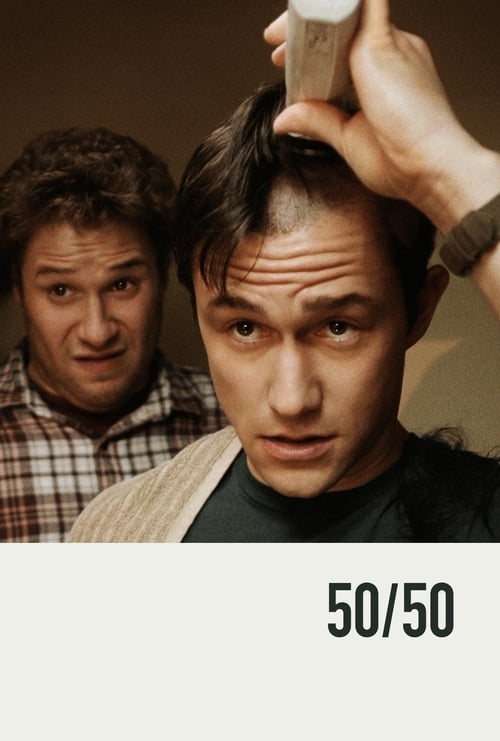
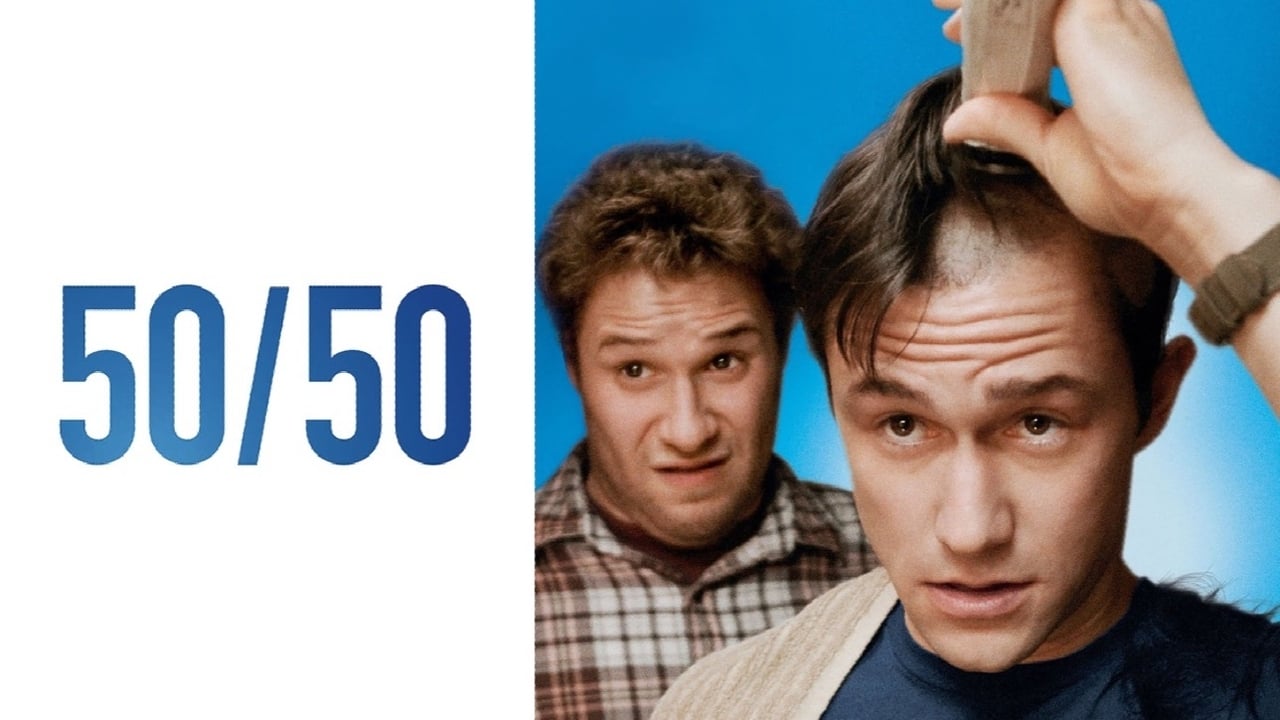
I remember the first time I saw the poster for 50/50. I was sitting on a flight, tucked between a guy doing complex spreadsheets and a woman reading a thriller, and I felt like a complete lunatic for crying into my tiny bag of complimentary pretzels. On paper, a "cancer comedy" sounds like a recipe for disaster—a tonal nightmare that either mocks suffering or drowns the viewer in manipulative sentimentality. But sitting there in 2011, midway through a decade where Hollywood was trying to figure out how to make "grown-up" movies that weren't just franchise placeholders, 50/50 felt like a miracle.

Looking back from the vantage point of our current "everything is a multiverse" era, Jonathan Levine’s film feels like a time capsule of a very specific moment in indie-mainstream crossover. It was the peak of the Joseph Gordon-Levitt charm offensive, hot off the heels of 500 Days of Summer, and it arrived just as Seth Rogen was transitioning from the "funny stoner guy" to a legitimate creative force who could actually make you feel something between the dick jokes.
Comedy as a Survival Tactic
The film follows Adam (Joseph Gordon-Levitt), a 27-year-old radio producer who lives a remarkably safe life. He doesn't smoke, he doesn't drink to excess, and he even refuses to cross the street until the "walk" sign appears. Then, a nagging back pain turns out to be a rare spinal tumor. His survival odds? 50/50.
What I love about this movie is how it weaponizes Seth Rogen (playing Kyle). In most movies, the "best friend" is just there for comic relief. But because this screenplay was written by Will Reiser—who actually lived through this with Rogen by his side—the friendship feels lived-in and messy. Kyle is the kind of guy who uses his best friend’s terminal illness to pick up women at bars, and while that sounds predatory, the movie frames it as a genuine, albeit moronic, attempt to keep Adam’s life "normal."
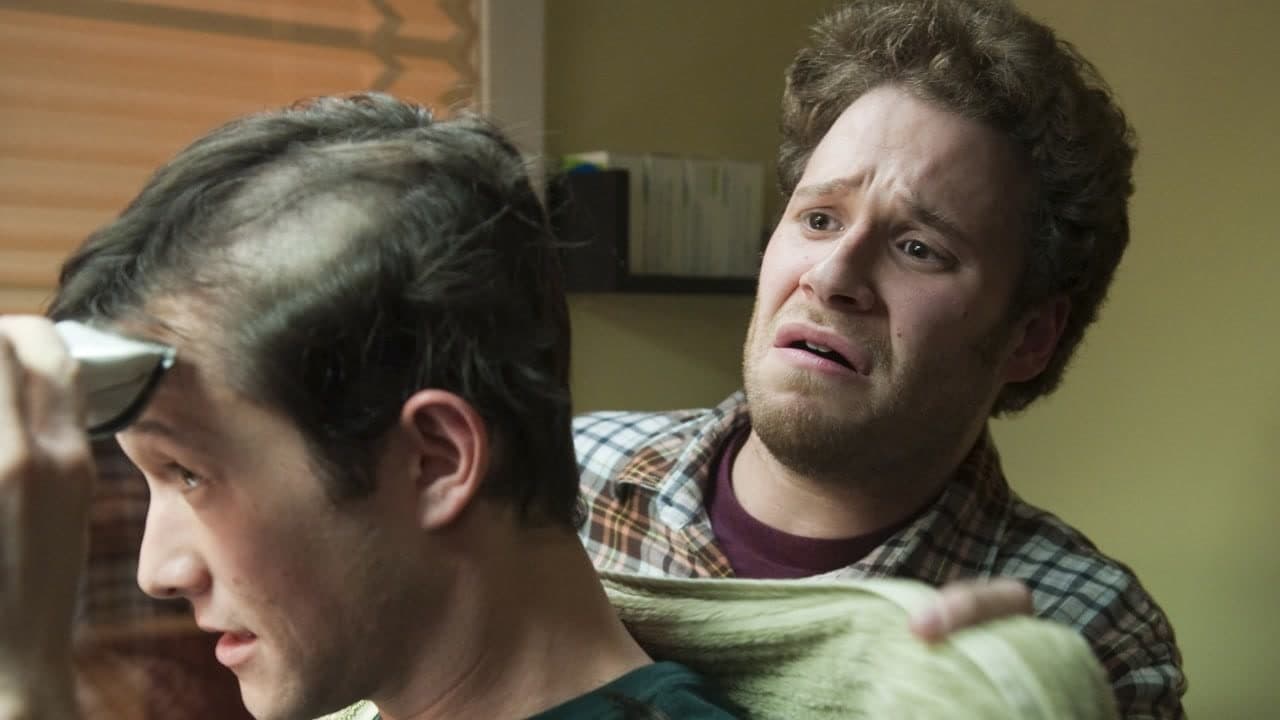
The scene where Adam shaves his head is the heart of the film’s authenticity. Apparently, Gordon-Levitt actually shaved his head on camera for that take, and the look of sheer panic on his face—and the nervous energy from Rogen—wasn't entirely scripted. It captures that 2010s "mumblecore-adjacent" energy where the cameras just roll and let the actors breathe. It’s not polished; it’s hairy and awkward, much like the disease itself.
The Era of the Flawed Support System
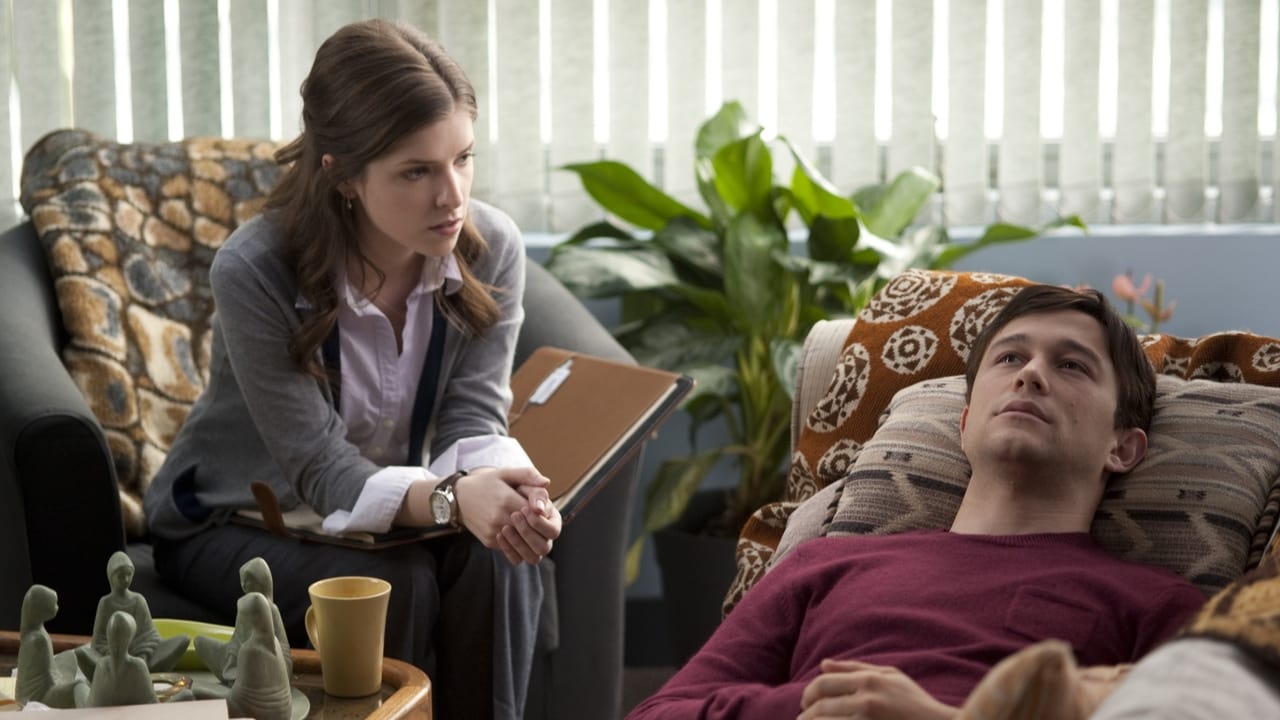
In the landscape of 2011 cinema, we were starting to see a shift away from "perfect" characters. Anna Kendrick, playing the doctoral student Katherine, is wonderfully green. She’s assigned to Adam’s case for her clinical hours, and she is clearly out of her depth. She uses "active listening" techniques that feel like they were pulled straight from a textbook, and Kendrick plays that insecurity with a twitchy, endearing brilliance.
Then there’s Bryce Dallas Howard as Rachael, Adam’s girlfriend. Most movies would make her a saint or a cartoon villain. Here, she’s just a person who isn't equipped for the gravity of the situation. Rachael is a total disaster, but honestly, most of us would probably be just as useless and selfish in her shoes. It’s uncomfortable to watch, which is exactly why it works.
And we have to talk about Anjelica Huston. Coming from her iconic roles like Morticia in The Addams Family, she brings a grounded, suffocating warmth to the role of Adam’s mother. She’s dealing with a husband who has Alzheimer’s and a son who has cancer, and her performance is a masterclass in "holding it together" until the seams finally pop.
Why It Still Works (and What Didn't Age)
Coming back to 50/50 today, the "indie" aesthetic of the early 2010s is palpable. The soundtrack is heavy on the melancholic folk-rock, and the cinematography by Terry Stacey has that soft, naturalistic glow that defined the era's dramas. It’s recent enough to feel familiar, but old enough that seeing a flip phone or a clunky iPod feels like a historical artifact.

One of the coolest behind-the-scenes details is that James McAvoy (of X-Men fame) was originally cast as Adam but had to drop out just six days before filming due to a personal emergency. Gordon-Levitt flew in and started shooting almost immediately. That lack of preparation might actually be the film’s secret weapon; there’s a raw, deer-in-the-headlights quality to his performance that you can’t rehearse.
The film does lean into some of the era's "bromantic" tropes that feel a bit dated now—some of the gender politics in Kyle’s "pick-up" subplots are a little cringe-inducing—but the emotional core remains bulletproof. The score by Michael Giacchino, the man who broke our hearts with the opening of Pixar's Up, is subtle and never tells you how to feel. He lets the silence do the heavy lifting.
Ultimately, 50/50 succeeded because it refused to be a "Cancer Movie." It’s a movie about how incredibly inconvenient and absurd it is to be faced with your own mortality when you’re still trying to figure out how to use a French press. It’s funny because life is funny, and it’s devastating because, sometimes, the coin flip doesn't go your way. If you haven't revisited this one since its DVD release, give it another look. Just bring your own pretzels—and maybe a box of tissues.
Keep Exploring...
-
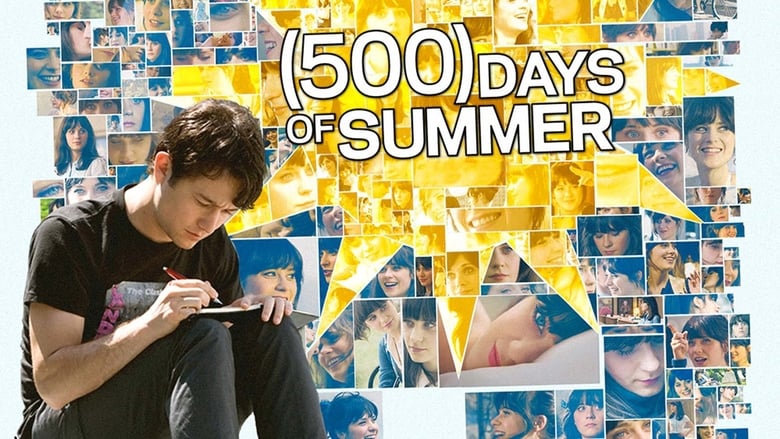
(500) Days of Summer
2009
-
Stranger Than Fiction
2006
-
High School Musical 2
2007
-

The Darjeeling Limited
2007
-
A Serious Man
2009
-

Adventureland
2009
-
It's Kind of a Funny Story
2010
-
Letters to Juliet
2010
-
Life As We Know It
2010
-
Moonrise Kingdom
2012
-
Seeking a Friend for the End of the World
2012
-
Warm Bodies
2013
-
Begin Again
2014
-
Inherent Vice
2014
-
Magic in the Moonlight
2014
-
The Royal Tenenbaums
2001
-
Click
2006
-

Hairspray
2007
-
3 Idiots
2009
-
Mary and Max
2009