A Cinderella Story: Once Upon a Song
"Her voice is a hit, but her life is a lip-sync."
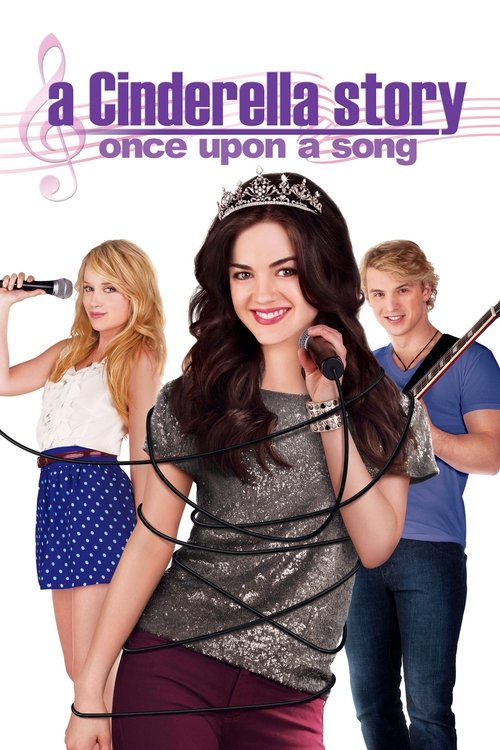
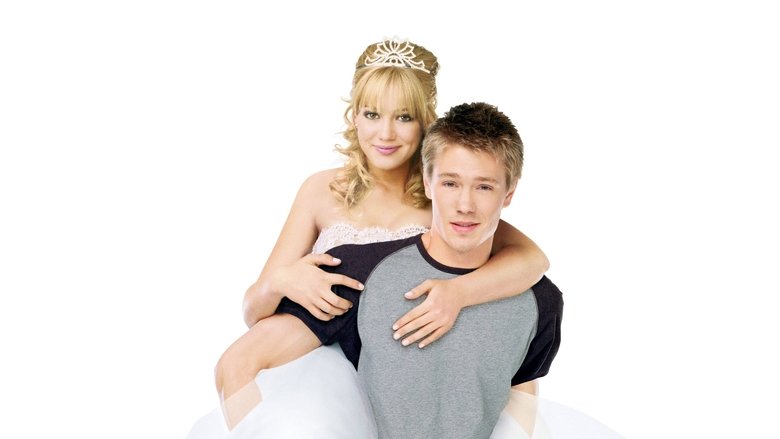
The direct-to-video sequel is a strange beast, a cinematic appendix that usually exists just to keep a trademark warm. By 2011, the Cinderella Story brand—which started with the peak-nostalgia Hilary Duff vehicle—had shifted into a specialized factory for the burgeoning "triple-threat" starlets of the ABC Family and Disney Channel era. I remember the specific neon-drenched aesthetic of this period; it was a time when every teen protagonist needed a recording contract and a fashion line. Watching A Cinderella Story: Once Upon a Song today feels like opening a time capsule filled with glittery smartphone cases and the last gasps of the DVD bargain bin culture. I watched this while trying to peel a very stubborn price sticker off a used copy of The Sims 3, and honestly, the struggle with the adhesive felt very thematic to Katie’s struggle with her step-family.
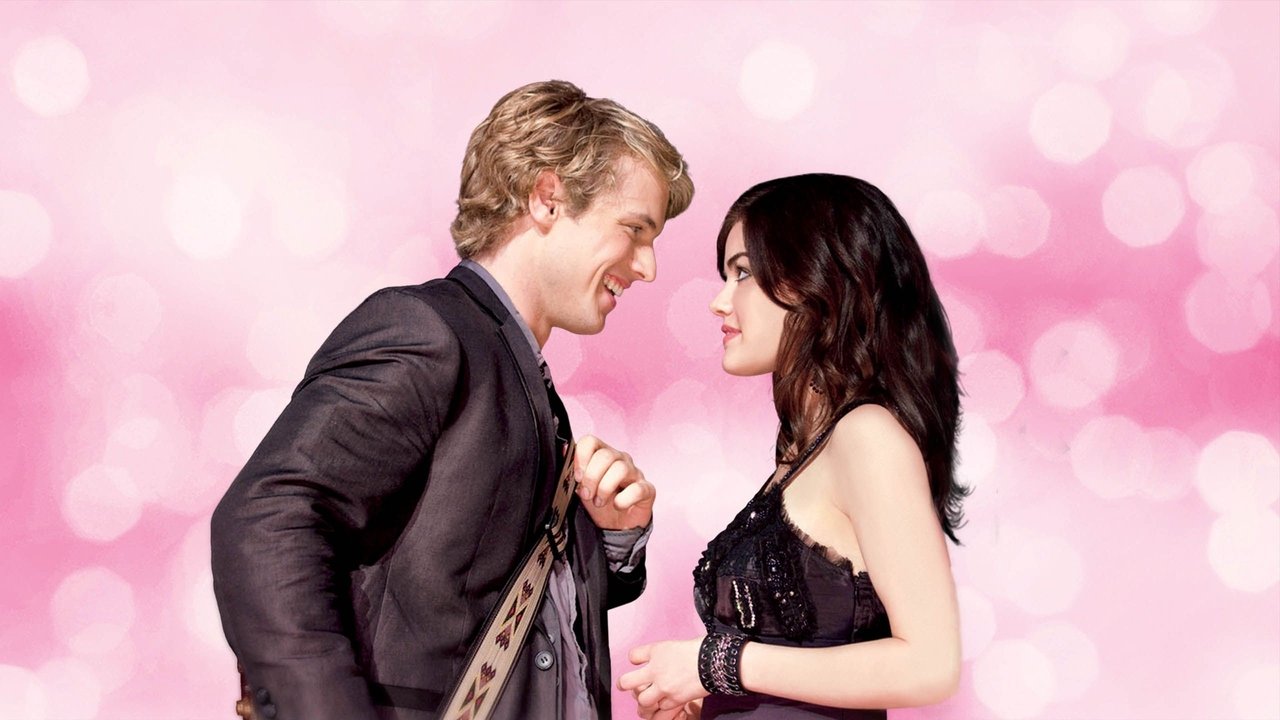
The Milli Vanilli of the Cafeteria
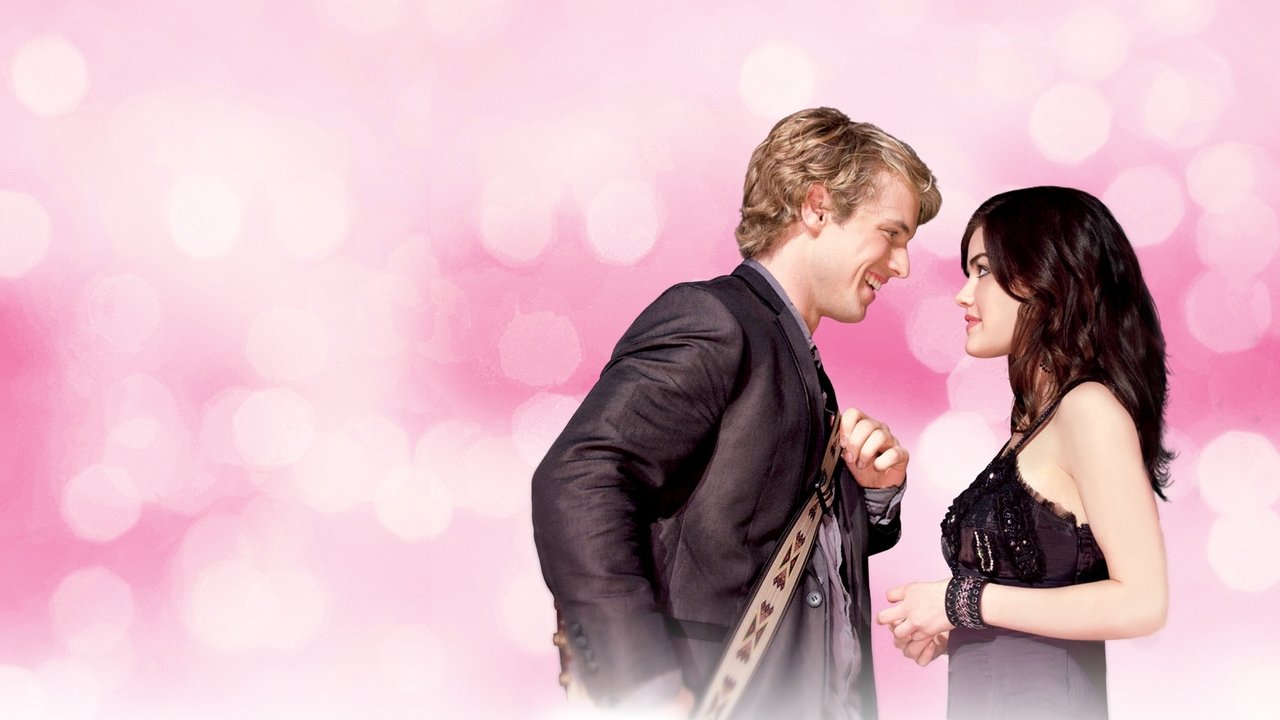
The plot doesn't just borrow from the Brothers Grimm; it swipes a heavy dose of Cyrano de Bergerac and sprinkles it with 2010s auto-tune. Lucy Hale (long before she was entangled in the mysteries of Pretty Little Liars) plays Katie, a girl who is basically a glorified servant to her stepmother, Gail. The twist here is that Katie is a powerhouse vocalist, but her stepsister, Bev, played with a delightful "clueless-on-purpose" energy by Megan Park, is the one being groomed for stardom.
The dramatic tension hinges on a deception: Katie records the vocals, and Bev lip-syncs them to win the heart of the resident British heartthrob, Luke (Freddie Stroma). The villainous scheme in this movie is essentially just a very low-stakes version of the Milli Vanilli scandal, played out in a high school cafeteria. While the stakes are technically "will she get to sing at the talent show," Lucy Hale actually brings a surprising amount of earnestness to the role. She doesn't play Katie as a victim, but as a girl who is genuinely exhausted. You can see the flicker of a real actor behind the "modern princess" tropes, especially when she’s navigating the bizarre demands of her step-family.
Missi Pyle and the Art of the Ham
If this movie has a secret weapon, it’s Missi Pyle. Known for her comedic timing in things like Dodgeball, she plays the stepmother, Gail, like a live-action Disney villain who has had three too many espressos. She is loud, garish, and completely untethered from reality. Missi Pyle is essentially a one-woman riot who clearly wasn't told this was a low-budget sequel. Whether she’s barking orders at her son, Victor (Matt Lintz), or trying to manipulate a record executive, she provides the high-energy camp that keeps the movie from sagging into saccharine territory.
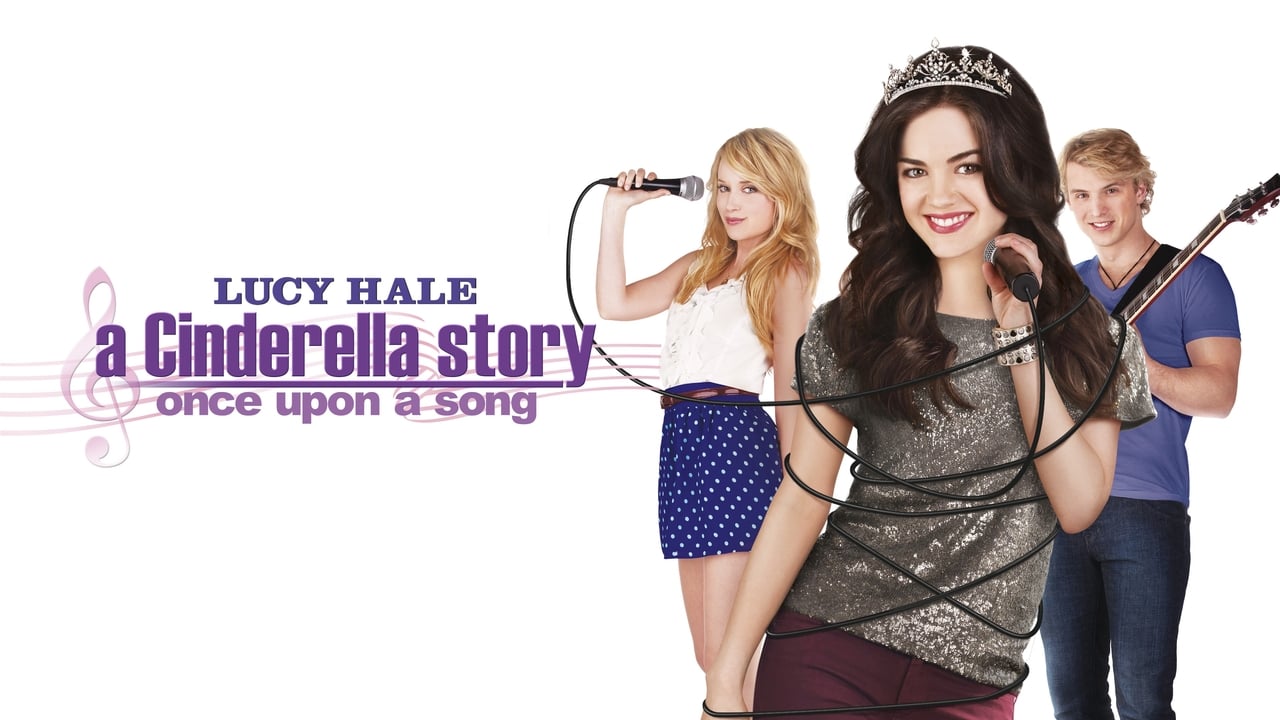
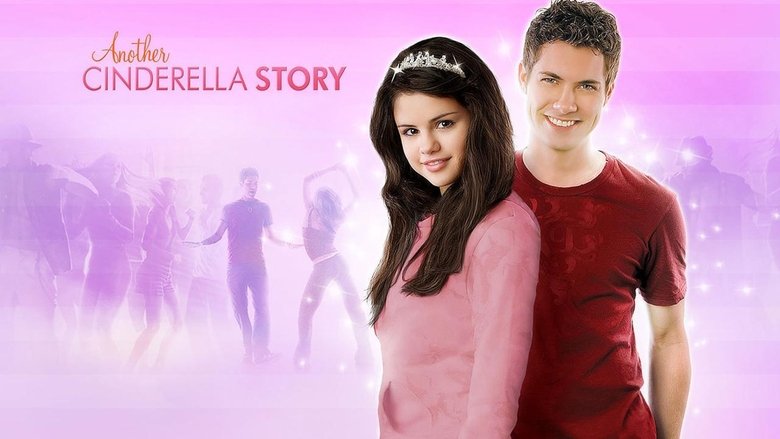
Director Damon Santostefano—who also helmed the Selena Gomez-led Another Cinderella Story—clearly understands the assignment. He uses the Wilmington, North Carolina locations (the same hallowed grounds where One Tree Hill was filmed) to create a "Rich High School" vibe that feels both aspirational and deeply 2011. There’s a specific "gloss" to the cinematography here—it’s bright, saturated, and designed to look good on the portable DVD players that were still kicking around back then.
Authenticity in an Auto-Tuned Era
Looking back, the film captures a specific anxiety of the early 2010s: the fear of the "fake." In an era where digital manipulation was becoming the norm in pop music, a story about a girl literally losing her voice to a more "marketable" face feels almost prescient. Freddie Stroma, who most of us now recognize as the lovable idiot Vigilante from Peacemaker, plays the prince archetype with a decent amount of charm. He’s the son of a record mogul, and his struggle to find "real" music echoes Katie’s struggle to be heard.
It’s easy to dismiss these films as fluff, but there’s a genuine craft in how they handle the "big reveal." When the truth finally comes out during the Bollywood-inspired finale (yes, it’s as weirdly specific as it sounds), the emotional payoff feels earned because Lucy Hale has spent 80 minutes selling us on her isolation. Apparently, Hale actually did all her own singing, having gotten her start on the reality show American Juniors, which adds a layer of "meta" authenticity to the "hidden voice" plotline.
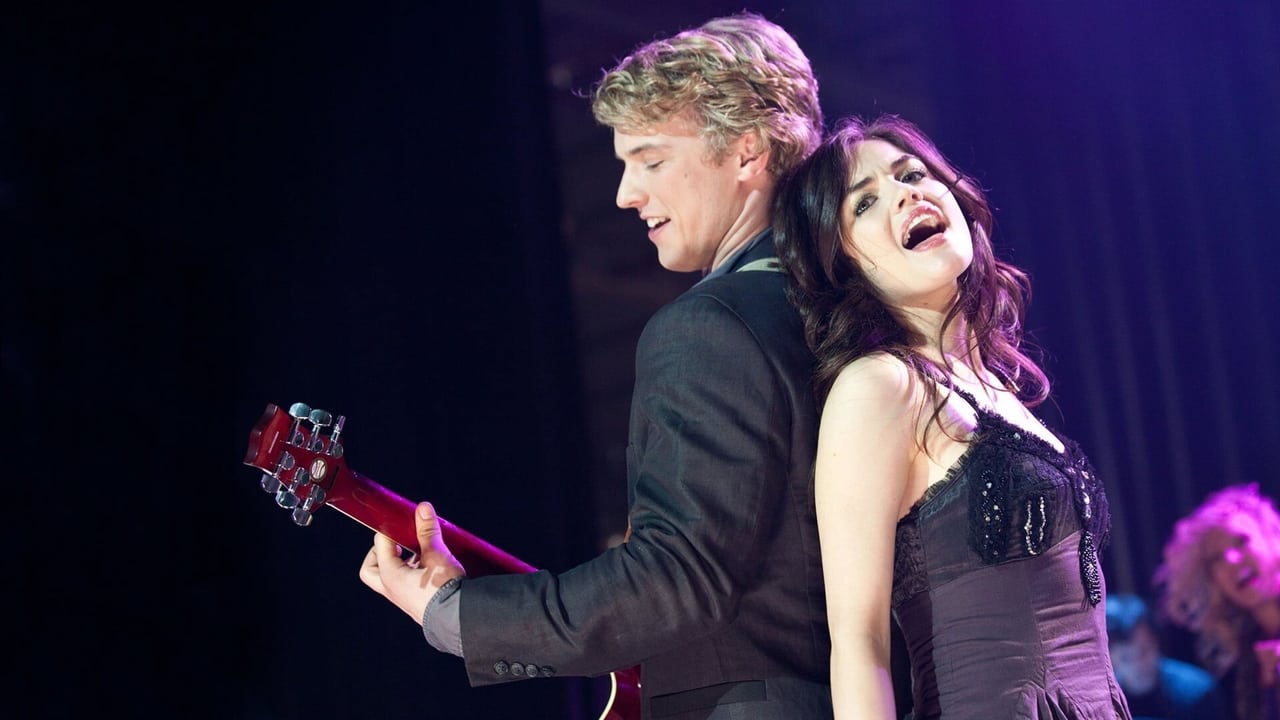
The movie also benefits from the transition in technology. We see the early days of social media influence and digital recording becoming accessible, which was a huge shift from the 2004 original where they were still using flip phones. It’s a snapshot of a time when the "DVD Premiere" was a viable way to launch a star, right before streaming obliterated the middle ground of the film industry.
While it’s never going to win a place in the Criterion Collection, this is a perfectly tuned piece of 2010s pop-culture ephemera. It’s held together by a surprisingly strong lead performance and a villain who is having more fun than anyone else on set. If you’re looking for a breezy, musical distraction that reminds you of a time when the biggest problem in the world was a botched lip-sync, you could do a lot worse. It’s a colorful, loud, and occasionally heartfelt reminder that even the most manufactured fairy tales need a real heart to beat.
Keep Exploring...
-
Another Cinderella Story
2008
-
A Cinderella Story
2004
-
Just My Luck
2006
-
A Cinderella Story: If the Shoe Fits
2016
-

What a Girl Wants
2003
-
First Daughter
2004
-
Camp Rock
2008
-

High School Musical
2006
-

High School Musical 2
2007
-

High School Musical 3: Senior Year
2008
-
Hannah Montana: The Movie
2009
-

A Good Year
2006
-
Aquamarine
2006
-
Dan in Real Life
2007
-
The Nanny Diaries
2007
-
Four Christmases
2008
-
Ghost Town
2008
-
Nick and Norah's Infinite Playlist
2008
-
Wild Child
2008
-
Princess Protection Program
2009