A Dangerous Method
"Unzip the mind, unleash the monster."
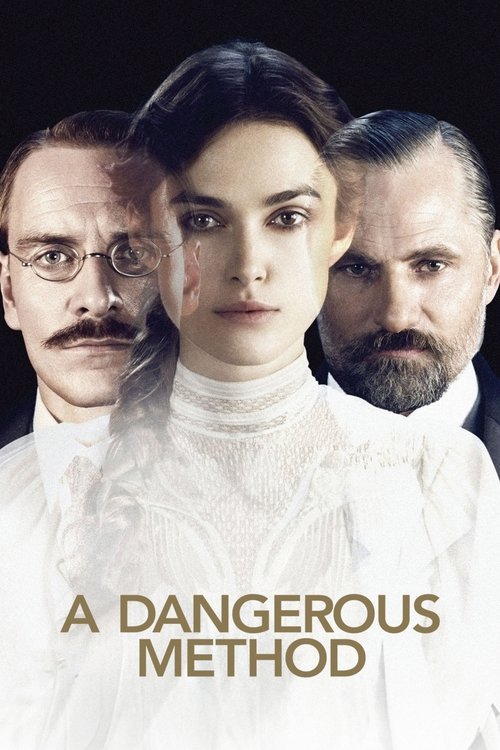
Imagine a director who spent the better part of the 80s and 90s showing us heads exploding and bodies merging with television sets. Now, imagine that same director—the Baron of Blood, David Cronenberg—deciding to make a movie about three people in very stiff collars sitting in very expensive rooms talking about their feelings. On paper, it sounds like Cronenberg finally traded his scalpel for a cardigan, but once you actually sit down with A Dangerous Method, you realize he hasn’t changed a bit. He just moved the gore from the outside of the body to the inside of the psyche.
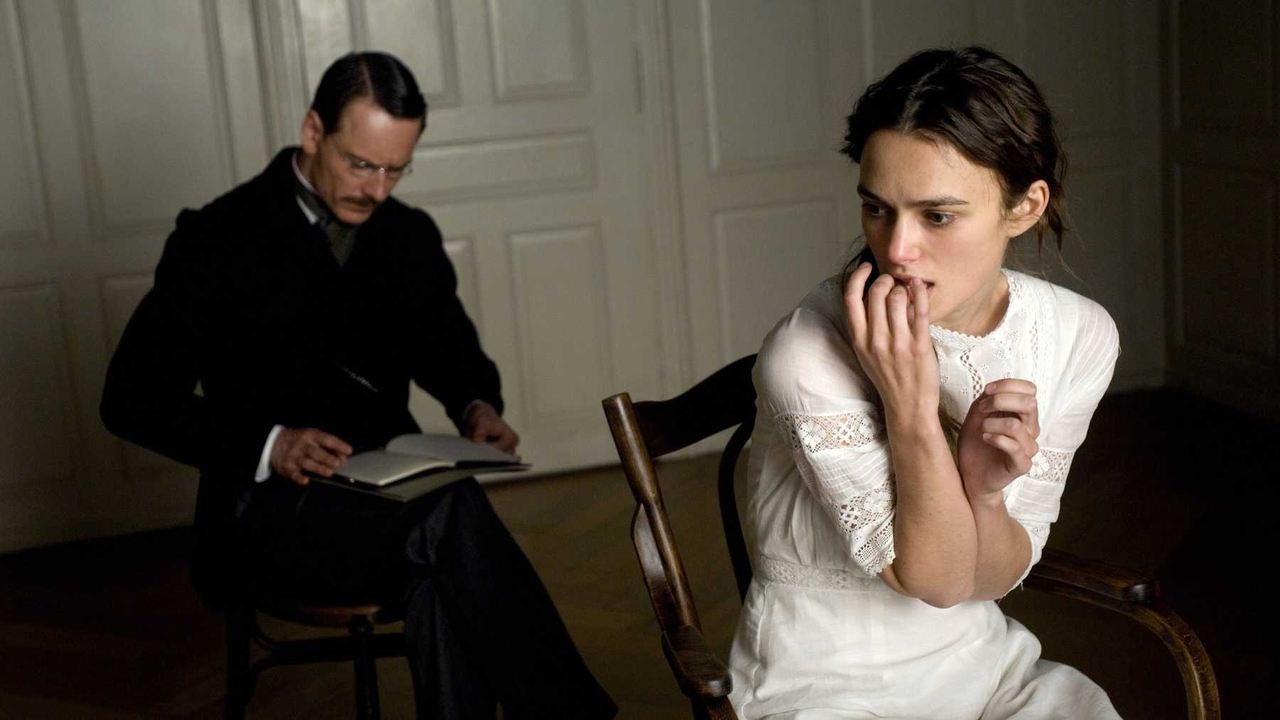
I watched this recently while drinking a cup of Earl Grey that had gone depressingly lukewarm, and the sheer Victorian repression on screen made me feel like I was the one wearing a corset. It’s a fascinating, talky, and deeply weird film that captures a specific moment in the early 2010s when "prestige drama" still had room for a little bit of perversion.
The Jaw That Launched a Thousand Critiques
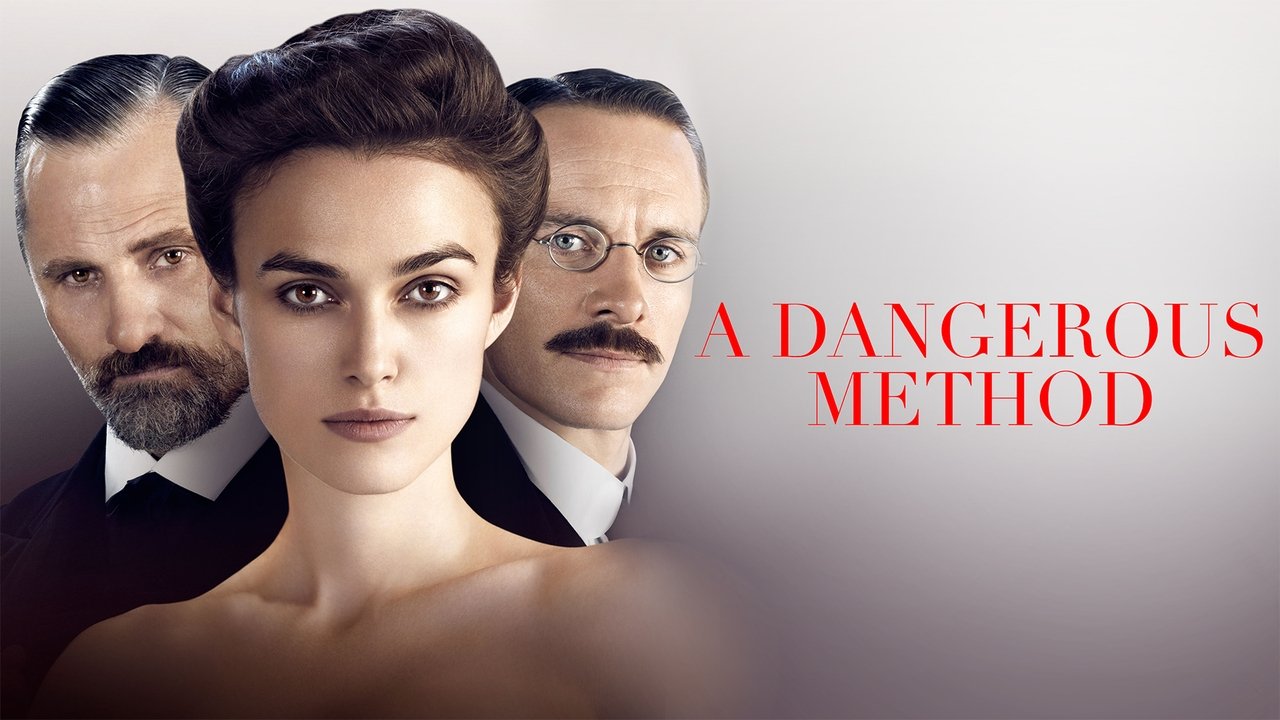
The film centers on the intellectual (and eventually sexual) triangle between Carl Jung, Sigmund Freud, and Sabina Spielrein. When we first meet Keira Knightley as Spielrein, she is arriving at Jung’s clinic in a state of total hysteric collapse. Now, let’s address the elephant in the room: Knightley’s performance. It was intensely polarizing at the time, and looking back, it remains the film's boldest swing. She lunges into the role with a protruding jaw and a series of agonizing contortions that look genuinely painful. Keira Knightley’s lower jaw deserves its own SAG card for the sheer amount of heavy lifting it does in the first twenty minutes.
While some critics at the time found it "too much," I think it’s exactly what the movie needs. This is a Cronenberg film, after all. He views the human body as a traitorous, shifting thing. Knightley’s physicalized trauma is the bridge between Cronenberg’s old "body horror" days and his newer, more cerebral interests. She is fantastic here, eventually transitioning from a patient into a brilliant psychoanalyst in her own right, holding her own against the massive egos of the men surrounding her.
Freud vs. Jung: The Ultimate Ego Trip
The heart of the movie, however, is the bromance-turned-bitter-rivalry between Michael Fassbender (as Jung) and Viggo Mortensen (as Freud). This was right in the middle of Michael Fassbender’s "I am the most intense actor on Earth" phase—sandwiched between X-Men: First Class and Shame—and he plays Jung with a simmering, repressed rigidity that makes you want to hand him a Valium.
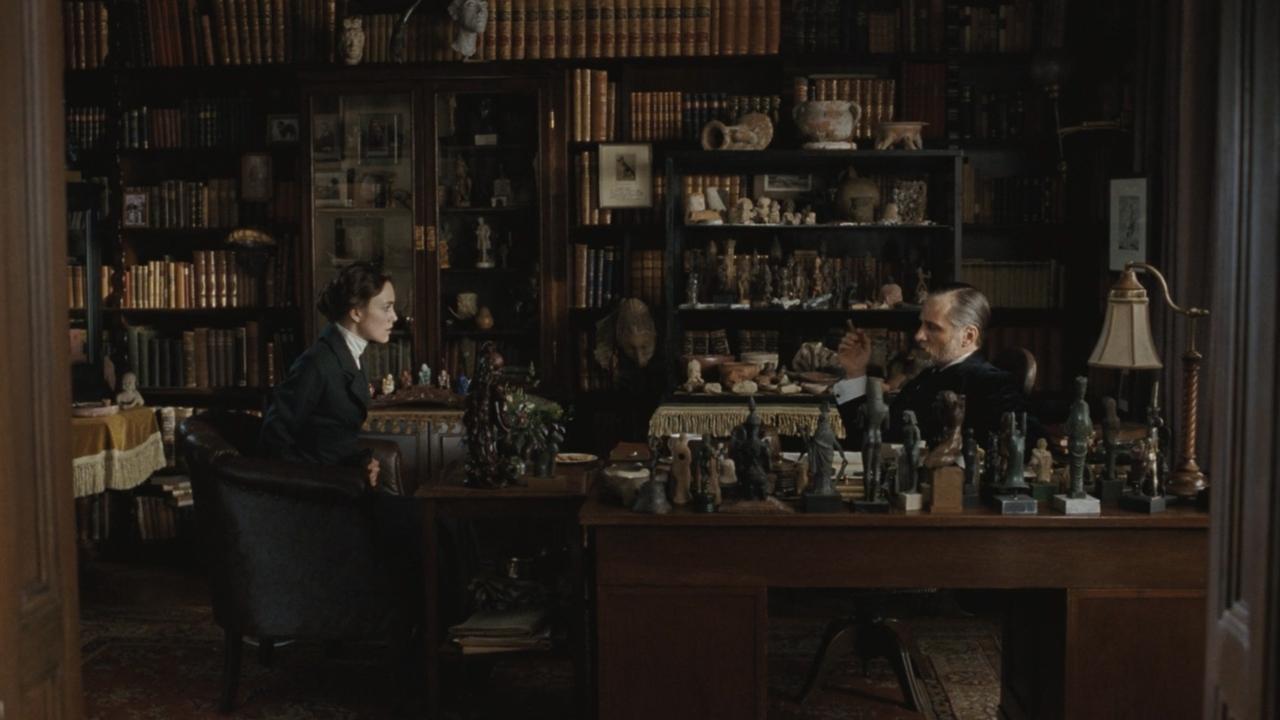
Then there’s Viggo Mortensen. Originally, the role was supposed to go to Christoph Waltz (fresh off his Inglourious Basterds Oscar), but when he dropped out, Mortensen stepped in. It was an inspired choice. Mortensen’s Freud is witty, paternalistic, and incredibly arrogant. He smokes his cigars like they’re an extension of his nervous system. Apparently, Mortensen was so dedicated to the role that he traveled to Vienna and stayed in the same hotel Freud used to frequent, even using a fountain pen that was a replica of Freud’s own. You can feel that weight in his performance; he feels like a man who has already decided he’s the protagonist of history.
The chemistry between the two is electric, mostly because it’s so passive-aggressive. They discuss dreams and the libido while traveling across the Atlantic, and you can see the exact moment Jung realizes he’s never going to be "the favorite son." It’s a high-stakes breakup movie, just with more talk about Oedipal complexes.
The Devil in the Details
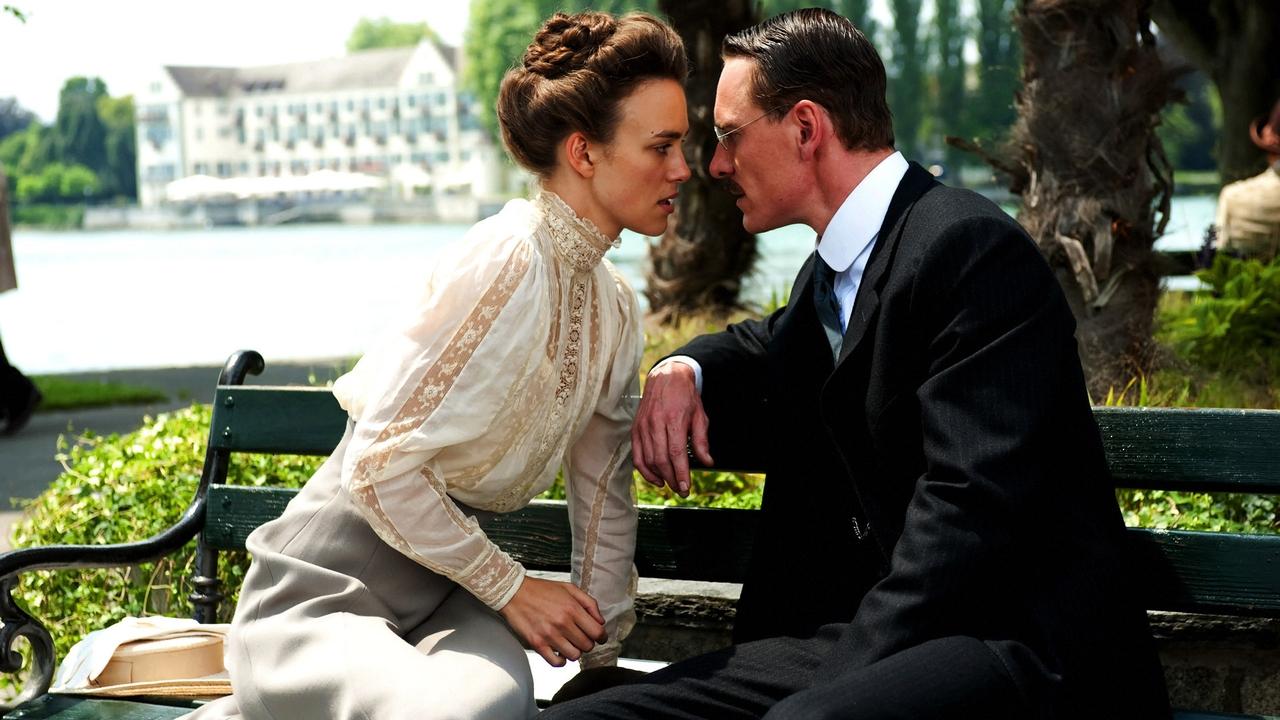
For a movie about the birth of a movement, A Dangerous Method feels surprisingly intimate. This was the era where digital cinematography was starting to become the standard, and long-time Cronenberg collaborator Peter Suschitzky uses it to create a look that is almost too clean. The sunlight in Switzerland looks clinical, the offices look impeccably curated, and the costumes are so crisp you can practically hear the starch.
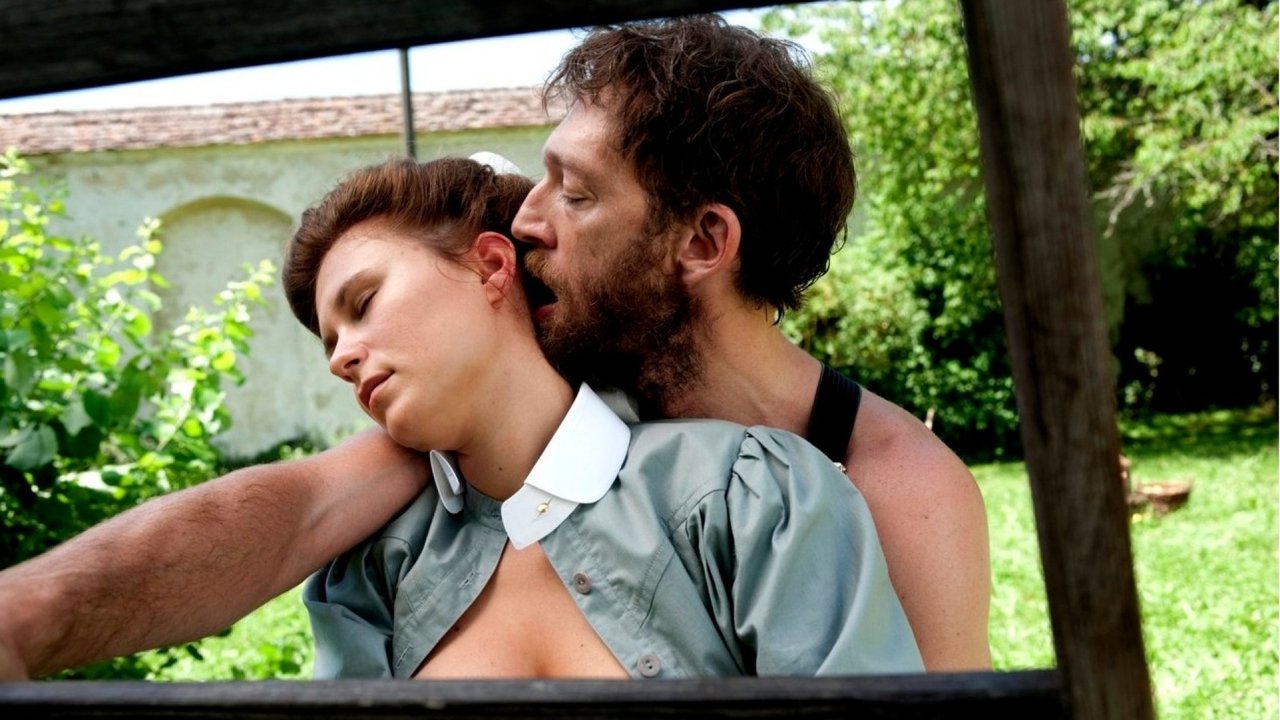
This cleanliness is intentional. It’s the "civilized" veneer that Vincent Cassel—playing the hedonistic, drug-addicted Otto Gross—comes in to shatter. Otto Gross is basically the 1904 version of that one friend who tries to convince you that polyamory is the only way to save the planet. He’s the one who nudges Jung into his affair with Spielrein, arguing that repression is the only true sin. It’s a small role, but Cassel brings a chaotic energy that the movie desperately needs to keep from becoming a dry history lesson.
What makes this a "cult" favorite today isn't just the pedigree of the actors, but how it treats its subject matter. It doesn't treat psychoanalysis as a holy ritual; it treats it as a messy, flawed, and often hypocritical experiment conducted by people who were just as broken as their patients. The screenplay by Christopher Hampton (adapting his own play, The Talking Cure) is sharp and unsentimental.
In the decade-plus since its release, A Dangerous Method has aged into a remarkably sturdy piece of filmmaking. It captures that 2011 sweet spot: a mid-budget, adult-oriented drama with world-class acting that wasn't afraid to be "difficult." It’s not a movie for everyone—if you hate scenes of people sitting on park benches discussing the subconscious, you’re going to have a bad time. But for those of us who find the inner workings of the mind more terrifying than a monster under the bed, it’s a quiet masterpiece. It reminds me that even the most brilliant people are often just toddlers with larger vocabularies, desperately trying to figure out why they do the things they do.
Keep Exploring...
-

Cosmopolis
2012
-
Maps to the Stars
2014
-

A History of Violence
2005
-
Anna Karenina
2012
-

Eastern Promises
2007
-
Naked Lunch
1991
-
Crash
1996
-
Spider
2002
-
The Road
2009
-

Trance
2013
-

eXistenZ
1999
-

The Duchess
2008
-
Laggies
2014
-

Marie Antoinette
2006
-
Stranger Than Fiction
2006
-

The Fountain
2006
-
The Host
2006
-
The Illusionist
2006
-
The Lake House
2006
-

5 Centimeters per Second
2007