A Monster in Paris
"High notes, giant fleas, and the magic of Montmartre."
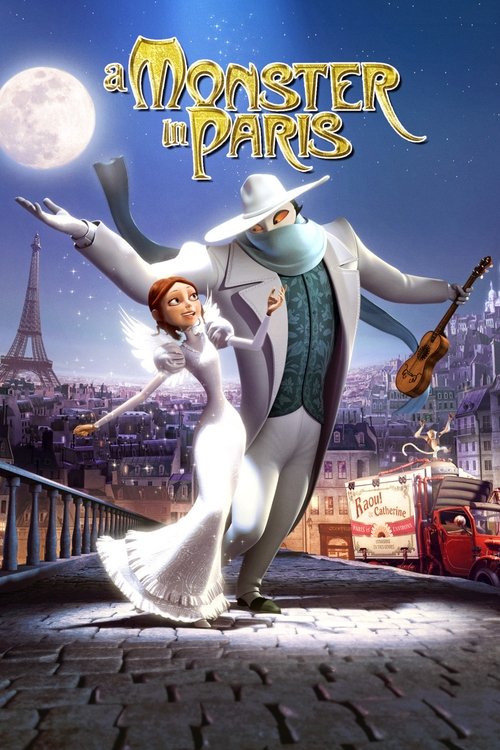
I have a distinct memory of watching A Monster in Paris for the first time while nursing a mild case of food poisoning from a questionable street-cart crepe. Perhaps it was the fever, or perhaps it was the sheer Gallic charm radiating from the screen, but the film felt like a hallucination I never wanted to end. It’s one of those rare animated features that feels less like a product of a corporate pipeline and more like a hand-delivered postcard from a bygone era of cinema.
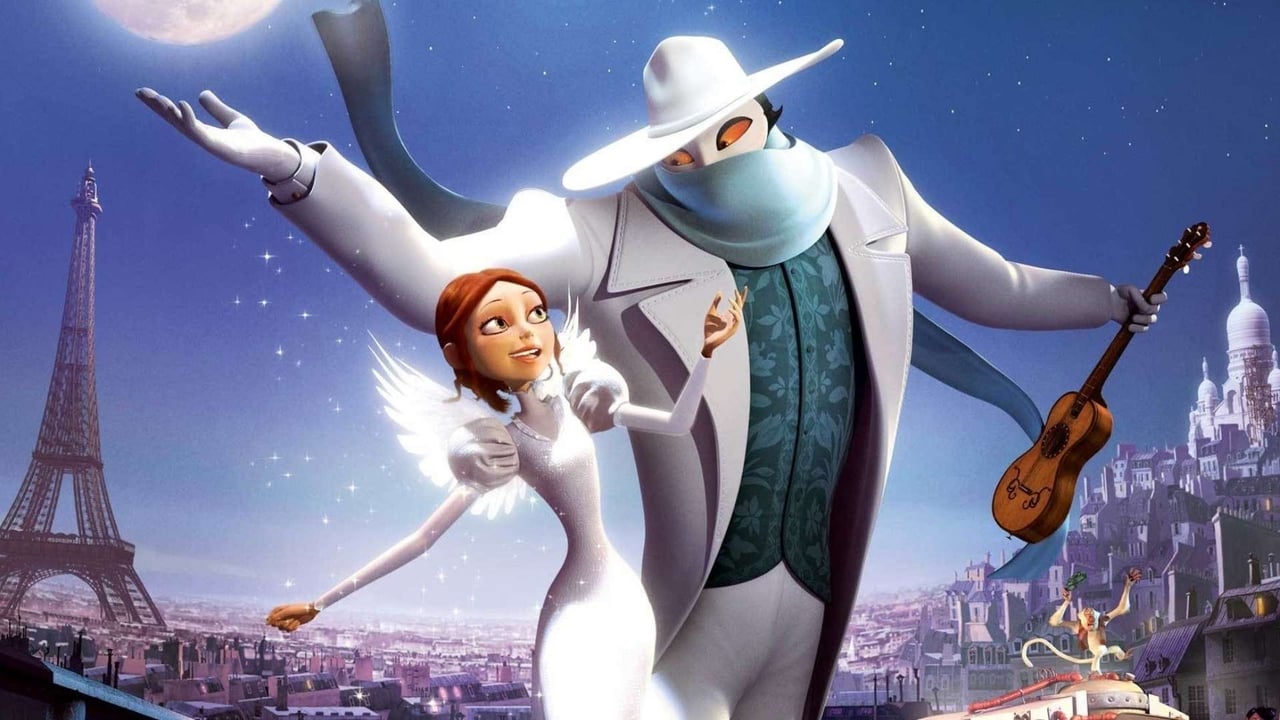
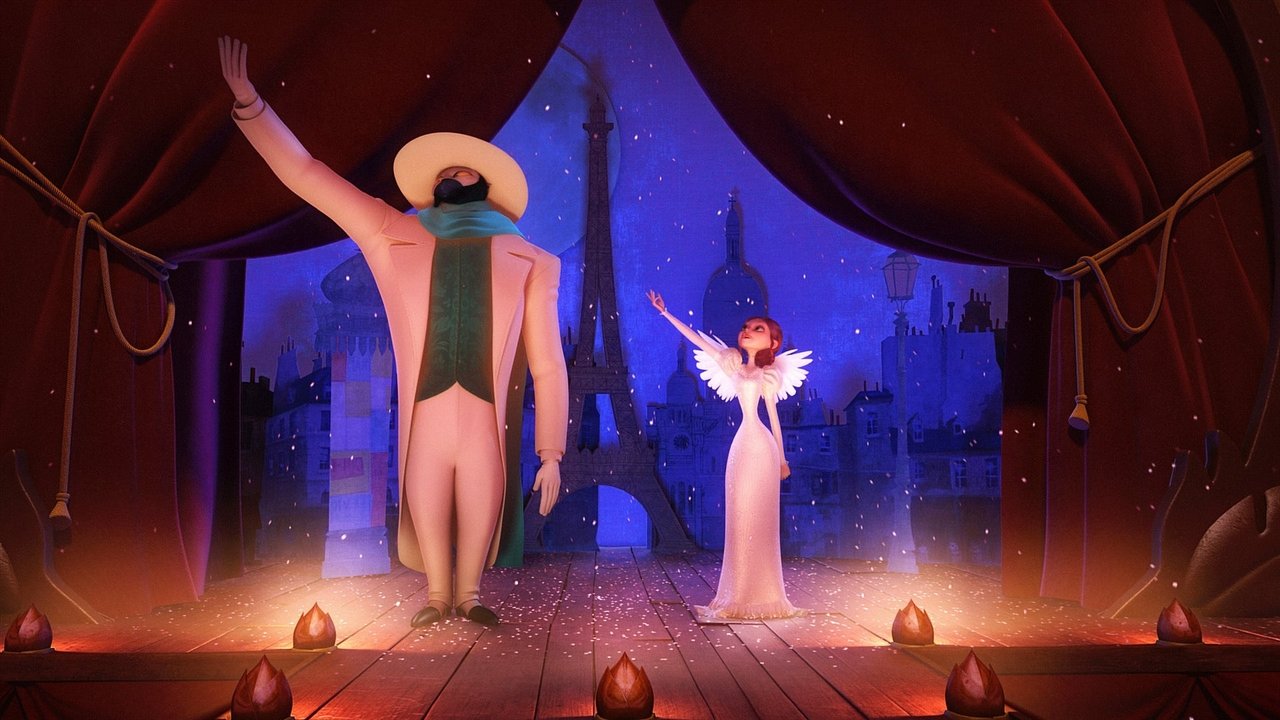
Released in 2011, it arrived at a strange crossroads for animation. We were firmly in the "Dreamworks Era" of snarky, pop-culture-heavy talking animal movies, yet A Monster in Paris (or Un Monstre à Paris) dared to be a whimsical, romantic adventure inspired by the silent films of Georges Méliès and the atmospheric comedies of Jacques Tati. It’s a film that didn’t just want to entertain kids; it wanted to make everyone fall in love with a seven-foot-tall flea.
A Flood of Style in the City of Light
The story kicks off in 1910 during the Great Flood of Paris. We meet Emile, a shy projectionist, and Raoul (Gad Elmaleh, who brought a similar chaotic energy to The Adventures of Tintin), a loud-mouthed inventor who drives a mail truck named Catherine. Through a series of accidental chemical mishaps in a scientist’s greenhouse, they inadvertently create a "monster"—a flea that has grown to human proportions and gained a heavenly singing voice.
What follows isn't a horror story, but a classic adventure-chase. While the ruthlessly ambitious police chief Maynott (François Cluzet) sees the creature as a political stepping stone to glory, our heroes team up with Lucille (Vanessa Paradis), the star of the "Bird of Paradise" cabaret, to protect him.
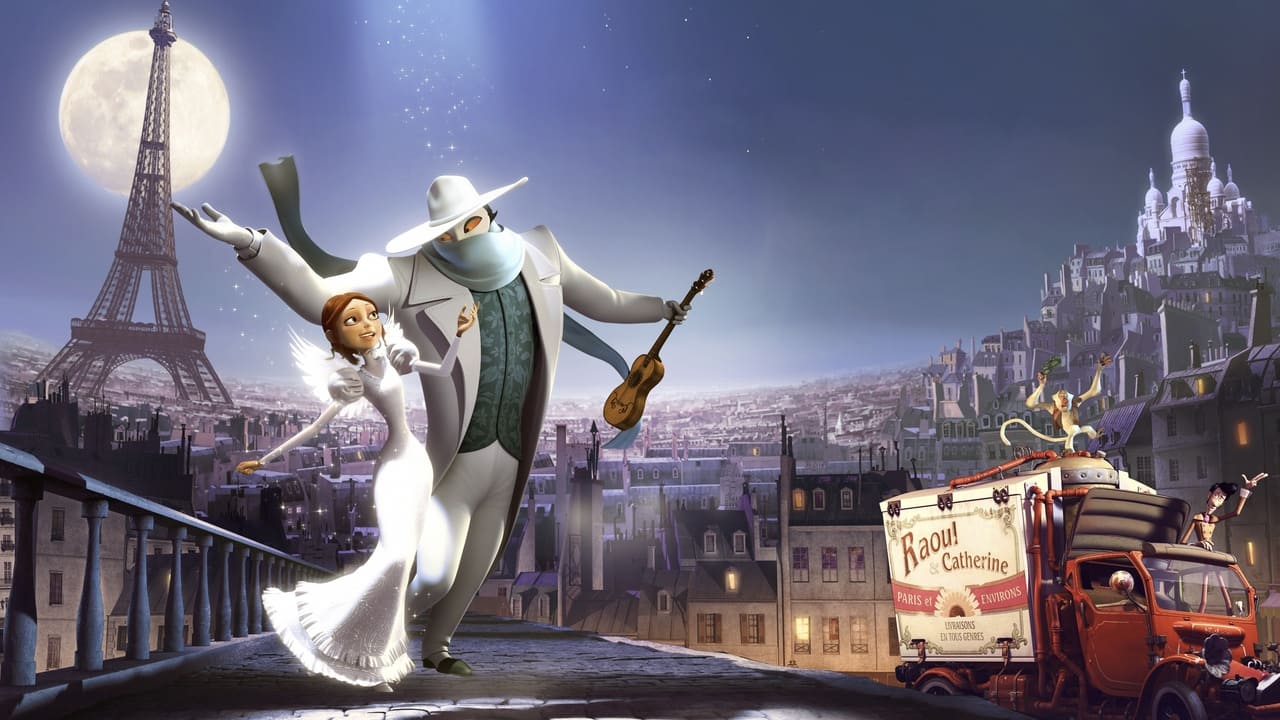
The animation style is where the "Modern Cinema" context really shines. By 2011, CGI had moved past the plastic-look of the 90s, allowing director Bibo Bergeron to create a textured, painterly version of Paris. Bergeron, who previously directed Shark Tale for Dreamworks, clearly relished the freedom of returning to France. He traded the frantic, celebrity-voiced punchlines of Hollywood for a world that feels steeped in art nouveau and romantic fog. It’s the kind of film where the physics of a rooftop chase are less important than how pretty the moonlight looks on the shingles.
The Soul of the Seine
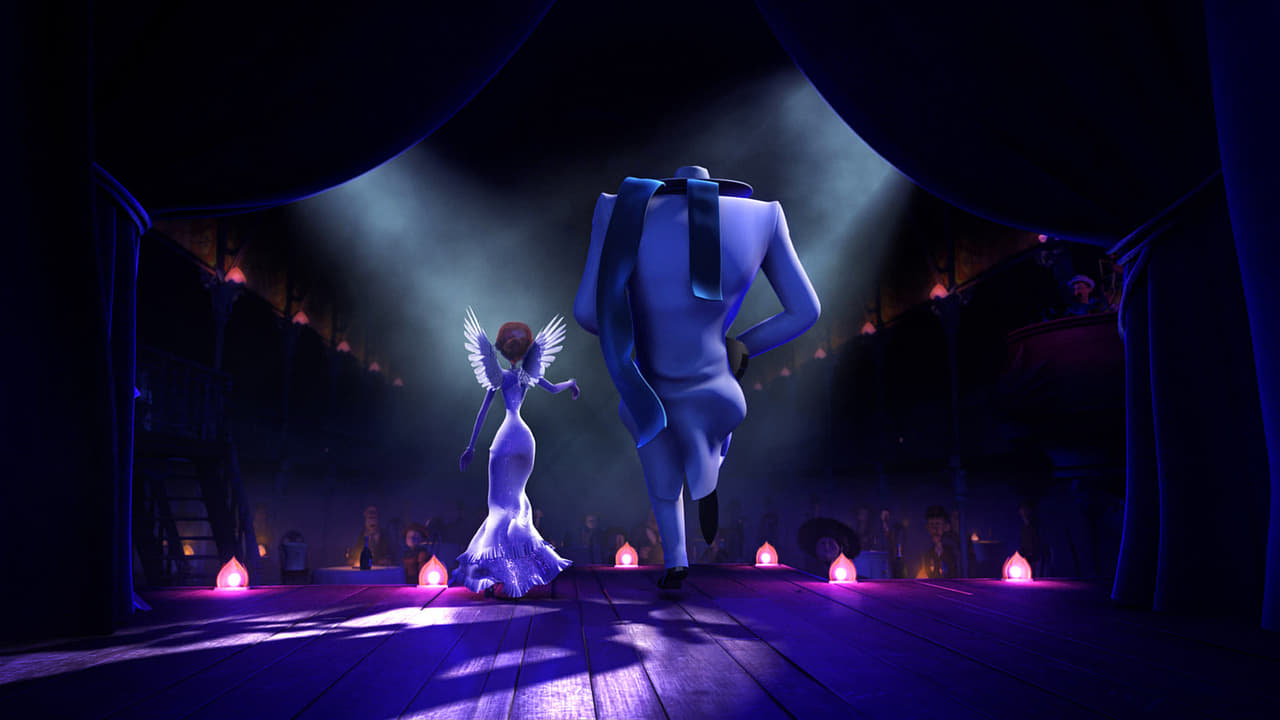
The heart of the movie isn't the slapstick; it’s the music. Matthieu Chedid (better known as the French rock star -M-) provides the voice and the "soul" of Francœur, the giant flea. When he and Vanessa Paradis (who starred in the Jean-Becker-directed Élisa) perform the central track, "La Seine," the movie transcends its simple plot. It’s a sequence that captures that specific "Adventure" genre magic—the sense of discovery and wonder that makes you want to inhabit the world on screen.
It’s actually quite a feat that the film manages to make a giant insect adorable. With his red eyes and multiple limbs hidden under a white suit and a Fedora, Francœur is a wonderful nod to The Phantom of the Opera, but without the murderous obsession. He’s just a shy busker who wants to stay out of the rain. Watching him navigate the cobblestone streets of Montmartre provides a gentle, rhythmic pacing that modern blockbuster animation often lacks. It’s a movie that actually knows when to shut up and let the music do the talking.
Why This Gem Slid Under the Radar

Looking back, it’s a bit of a tragedy that A Monster in Paris didn’t become a global juggernaut. It cost about $25 million to make—a pittance compared to the $150 million budgets of Pixar or Dreamworks—and it barely clawed its way to a $26 million box office return. Part of this was due to a limited US release and the fact that it felt "too European" for some distributors. It lacked the aggressive marketing tie-ins we were used to in the early 2010s.
Apparently, Bergeron spent years trying to get the project off the ground, often working out of a small studio in Paris to maintain his specific vision. You can feel that labor of love in every frame. It’s a "hidden gem" in the truest sense; it didn't disappear because it was bad, but because it was quiet. It’s a film that demands a cozy afternoon and a willingness to embrace the absurd.
The villain, Maynott, is perhaps the only weak link—he is essentially a mustache with a severe inferiority complex—but even his over-the-top villainy serves the adventure. He represents the rigid, modern world trying to crush the "monstrous" beauty of the unexpected. In an era where franchises were starting to dominate every theater screen, Maynott’s defeat feels like a small, meta-victory for independent-minded storytelling.
A Monster in Paris is a delightful anomaly from the tail-end of the digital revolution’s first major wave. It uses modern technology to tell a story that feels a century old, blending the spirit of classic adventure with the soul of a French cabaret. It’s not a perfect film, but it’s a beautiful one, filled with enough heart and melody to make you forget you're rooting for a parasite. If you’ve missed this one over the last decade, it’s time to head to the Bird of Paradise and let the music take over.
Keep Exploring...
-
The Road to El Dorado
2000
-
Shrek the Halls
2007
-

DuckTales: The Movie - Treasure of the Lost Lamp
1990
-

The Swan Princess
1994
-
Asterix: The Mansions of the Gods
2014
-
Shrek the Third
2007
-
Horton Hears a Who!
2008
-

Puss in Boots
2011
-
Brave
2012
-
How to Train Your Dragon 2
2014
-
The Book of Life
2014
-
The Lego Movie
2014
-
TMNT
2007
-
Winnie the Pooh
2011
-
Porco Rosso
1992
-

The SpongeBob SquarePants Movie
2004
-

The Ant Bully
2006
-
Partly Cloudy
2009
-

Wizards of Waverly Place: The Movie
2009
-

The Pirates! In an Adventure with Scientists!
2012