A Separation
"Every truth has a thousand sharp edges."
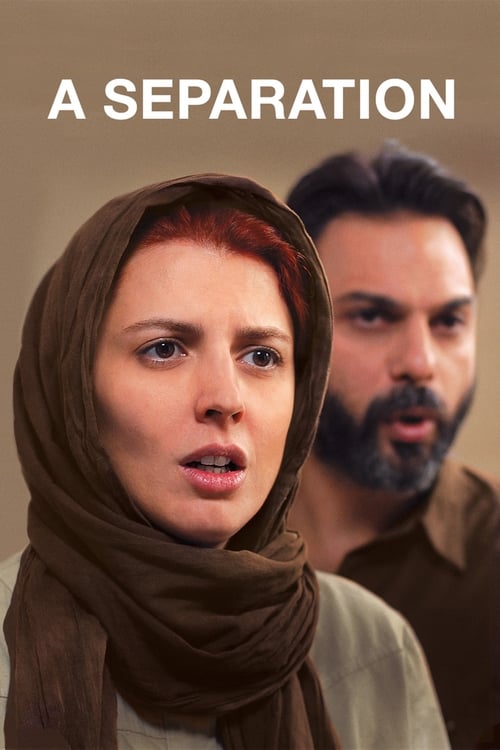
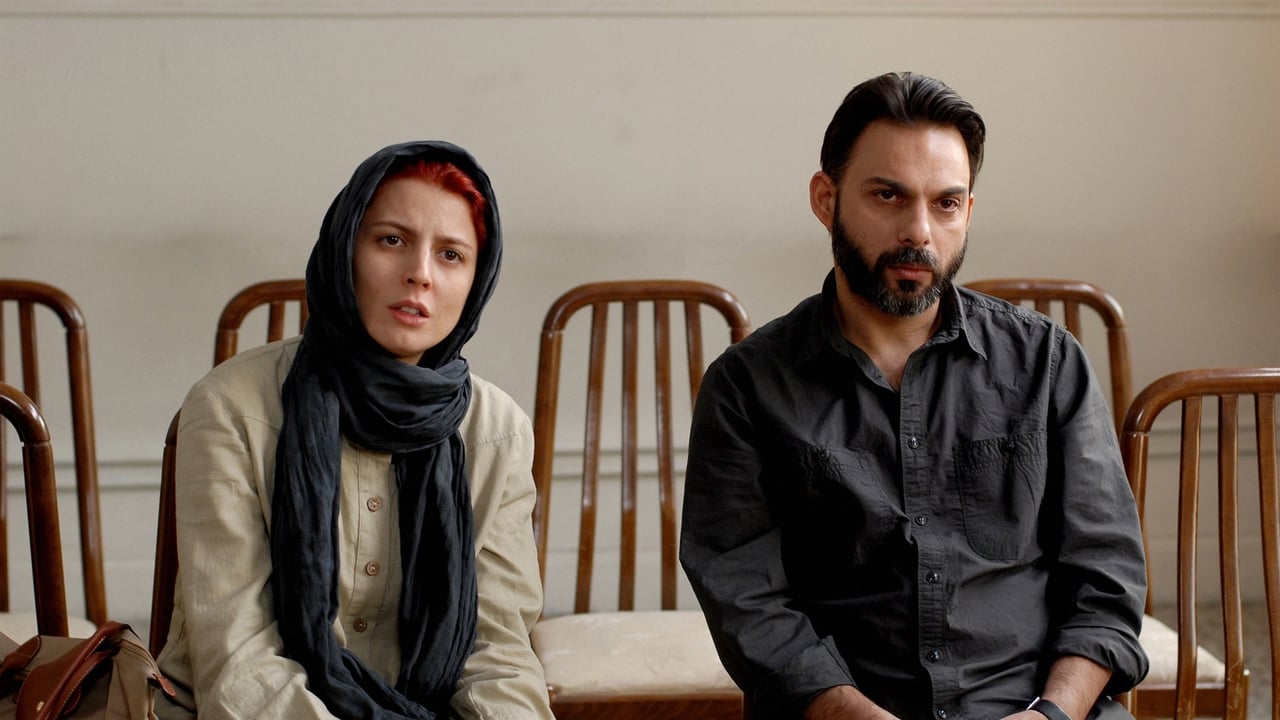
The film begins with a fixed camera looking at a photocopier. We see identification cards being scanned, the bright bar of light sliding across the glass like a scanner at a high-security checkpoint. We are seeing the bureaucracy of a marriage being dismantled before we even meet the people involved. It’s clinical, cold, and utterly riveting. When we finally see Leila Hatami and Payman Maadi, they aren't looking at each other; they are looking at us. They are presenting their case to a judge—and by extension, to the audience.
I first watched A Separation on a laptop with a slightly wonky left speaker during a rainy Tuesday afternoon. My cat, who usually ignores the TV, spent ten minutes batting at the screen because the domestic tension in the room was so high she seemingly thought there was a physical intruder in the apartment. That’s the Farhadi effect. He doesn't just tell a story; he creates a moral vacuum that sucks the air out of the room.
The Impossible Choice
On the surface, it’s a simple domestic dispute. Simin (Leila Hatami) wants to leave Iran to provide a better future for her daughter, Termeh. Her husband, Nader (Payman Maadi), refuses to go because his father has Alzheimer’s and needs constant care. "He doesn't even know you're his son," Simin argues. "But I know he's my father," Nader fires back. It is a perfect, unsolvable deadlock.
When Simin moves out, Nader hires Razieh (Sareh Bayat) to look after his father. Razieh is deeply religious, impoverished, and—unbeknownst to Nader—pregnant. When a series of small omissions and minor neglects lead to a physical altercation and a subsequent miscarriage, the film shifts from a divorce drama into a legal thriller. But this isn't Law & Order. There are no clear villains here, only people trying to protect their dignity in a system that demands they sacrifice it to survive.
The Anatomy of a Lie
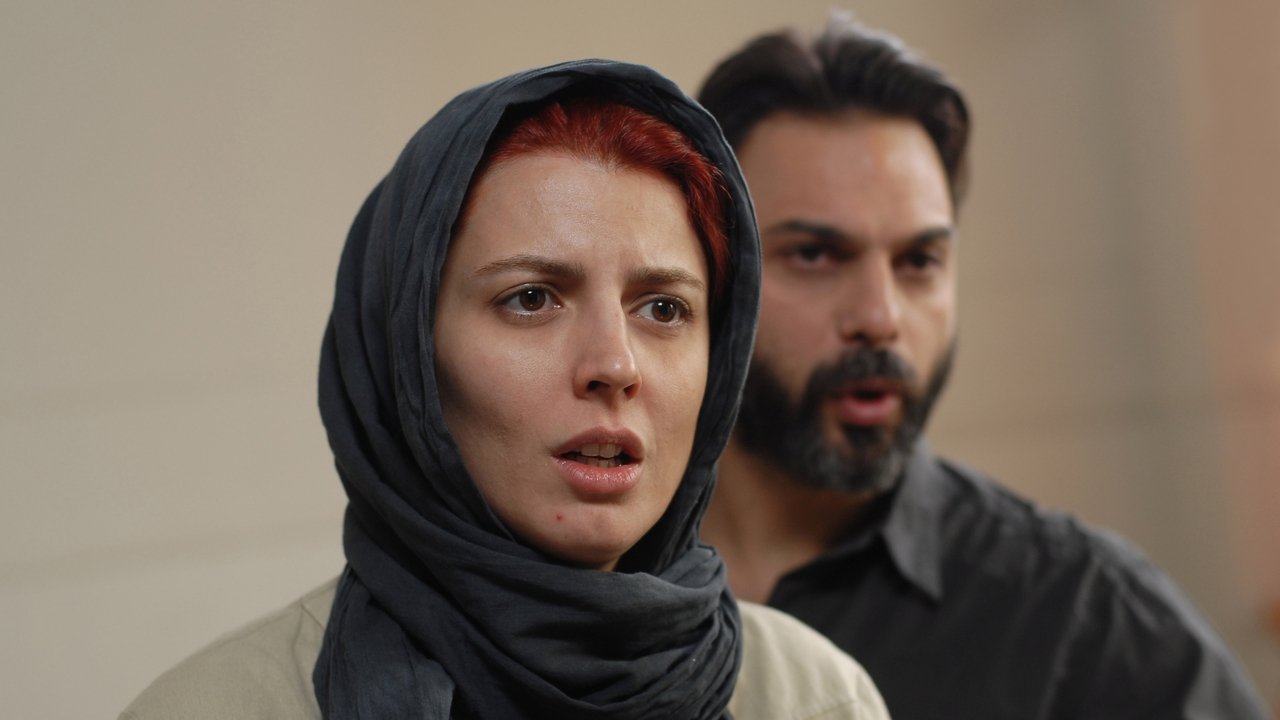
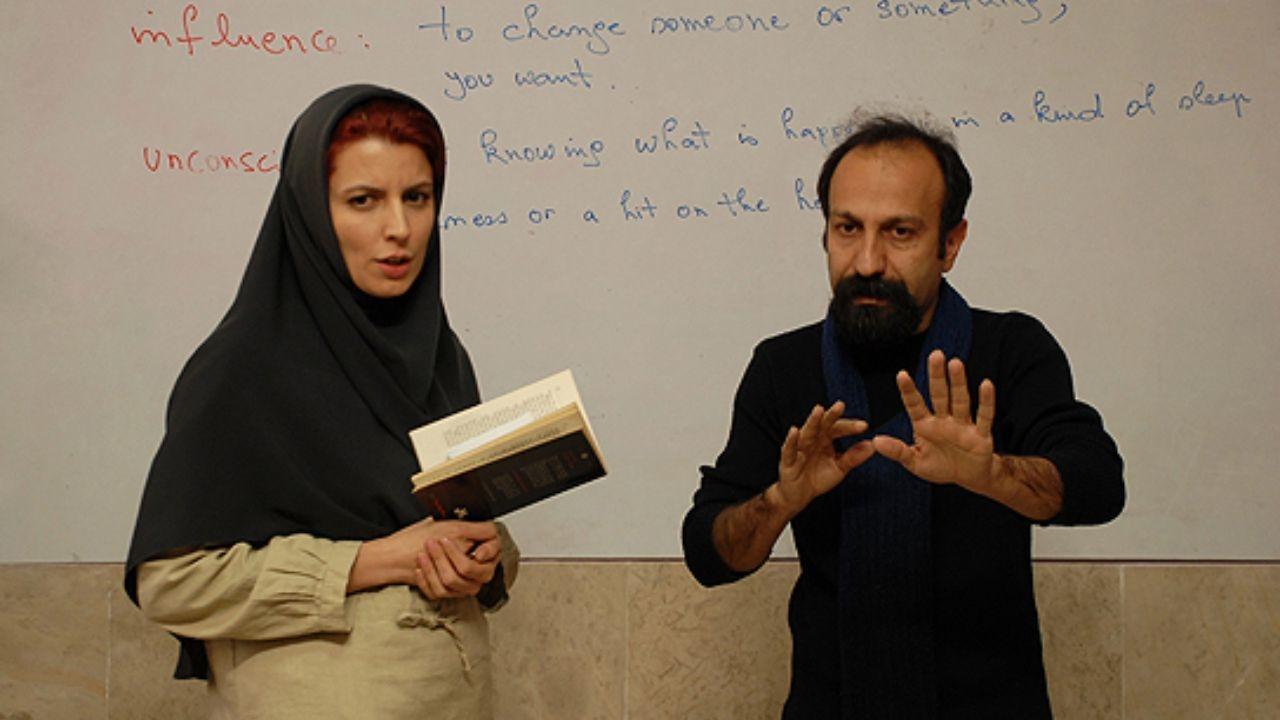
Director Asghar Farhadi (who also wrote the screenplay) is a surgeon of the human ego. Looking back from the vantage point of 2024, it’s fascinating to see how he utilized the digital cinematography of the early 2010s. Unlike the glossy, over-saturated blockbusters of the era, Mahmoud Kalari's camera is restless and handheld, but never nauseating. It feels like a silent witness trapped in the hallway, peeking through doorframes. This was the peak of the "Sundance-style" aesthetic going global, proving that high-definition digital cameras could capture the sweat on a man’s brow just as effectively as a 35mm lens.
The brilliance of the script lies in how it treats information. In most movies, secrets are "twists." Here, secrets are just things people are too tired or too scared to say. We see Nader shove Razieh out of his apartment, but did he know she was pregnant? Did she tell him? Did he hear her? The legal system in this movie makes Judge Judy look like a relaxing spa day. In the Iranian court system depicted here, the "judge" is often just a man at a desk in a crowded room, trying to make sense of four people shouting different versions of the same five seconds.
Payman Maadi is spectacular as Nader. He’s a man who prizes his integrity above all else, yet he finds himself forced into a corner where his only weapon is a technicality. He’s stubborn, prideful, and arguably a bit of a jerk, but you can’t look away from him. Opposite him, Shahab Hosseini as Razieh's husband, Hojjat, provides the film's raw, bleeding heart. He is a man who has been beaten down by debt and unemployment, and his outbursts of rage feel like the only way he can remind the world he still exists.
Class, Faith, and the Digital Mirror
The film captures a specific post-millennial anxiety that feels even more relevant today: the crushing weight of institutional pressure. Whether it’s the religious obligations that prevent Razieh from changing an old man’s pants without calling a hotline, or the social expectations that keep Nader and Simin at each other's throats, everyone is a prisoner of something.
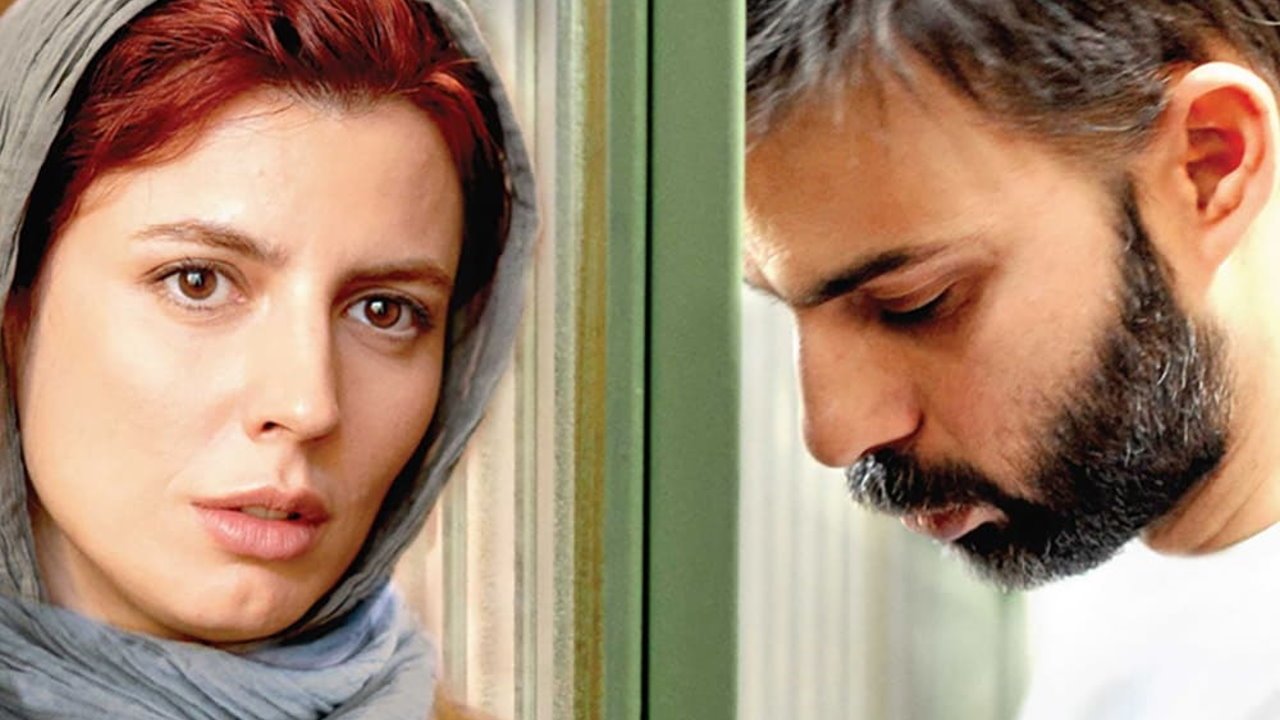
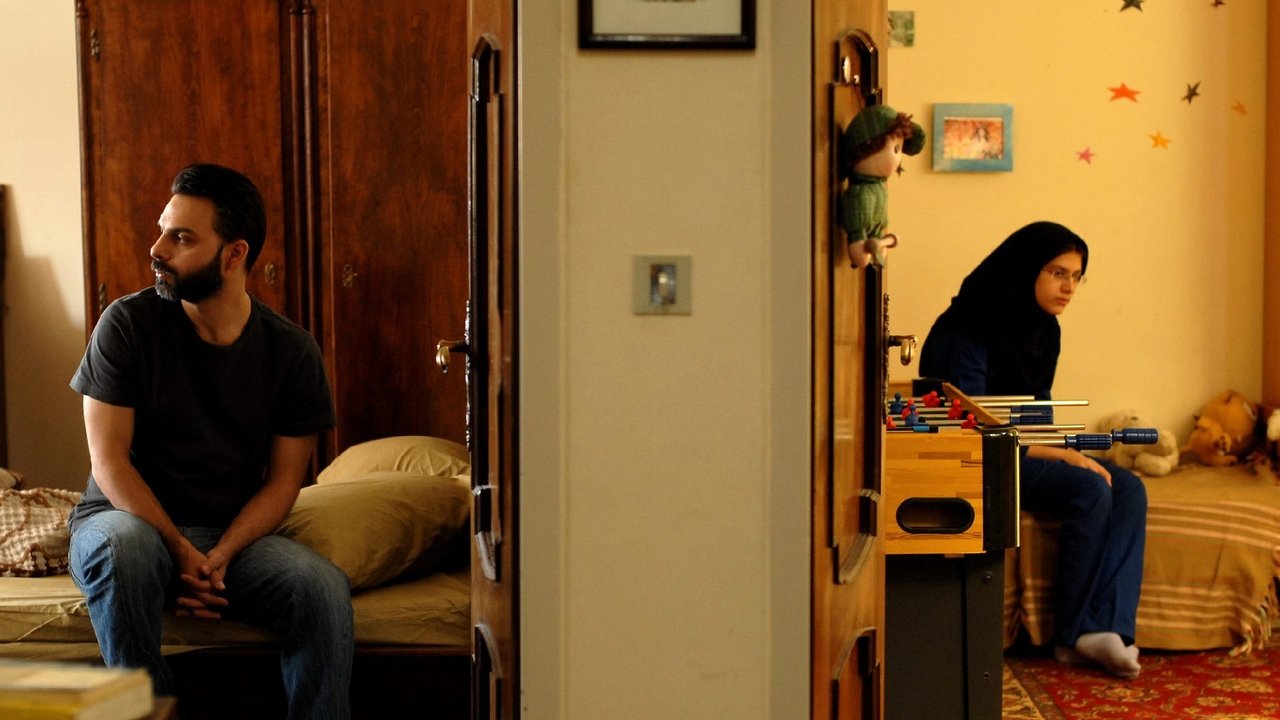
What I find most compelling upon reassessment is how the film uses the daughter, Termeh (Sarina Farhadi), as our moral compass. She is the one watching her parents through the glass, seeing the lies they tell to "protect" her. It’s a recurring theme in the 2000s and early 2010s—the realization that the adult world is built on a foundation of convenient fictions. While Hollywood was busy building the MCU, Farhadi was building a universe out of a kitchen dispute, and the stakes felt just as high as any alien invasion.
The film doesn't offer the catharsis of a "right" answer. Instead, it poses a terrifying question: Can you be a good person while doing a bad thing for a "noble" reason? It forces us to confront our own biases. Do we side with Nader because he’s educated and secular? Do we pity Razieh because she’s poor? Farhadi strips those comforts away until you’re left with nothing but the uncomfortable truth that life is mostly a series of compromises we make with our own reflections.
A Separation is that rare cinematic creature: a movie that is intellectually demanding yet impossible to stop watching. It’s a drama that moves with the speed of a heist film, where the "loot" is a person’s soul. If you missed this during its initial Oscar run or the DVD-renaissance of the early 2010s, seek it out. It’s a sharp, painful, and ultimately beautiful reminder that the most explosive conflicts aren't found on battlefields, but in the quiet moments between people who used to love each other.
Keep Exploring...
-
The Salesman
2016
-

The Fall
2006
-
Control
2007
-

Evangelion: 1.0 You Are (Not) Alone
2007
-
The Diving Bell and the Butterfly
2007
-
Il Divo
2008
-
Synecdoche, New York
2008
-

Evangelion: 2.0 You Can (Not) Advance
2009
-

My Name Is Khan
2010
-

From Up on Poppy Hill
2011
-
Amour
2012
-

Laurence Anyways
2012
-
Instructions Not Included
2013
-
Nebraska
2013
-
The Tale of The Princess Kaguya
2013
-

Fearless
2006
-

Departures
2008
-
Detachment
2011
-

The Broken Circle Breakdown
2012
-
The Normal Heart
2014