A Very Harold & Kumar Christmas
"High spirits, higher stakes, and a very dead tree."
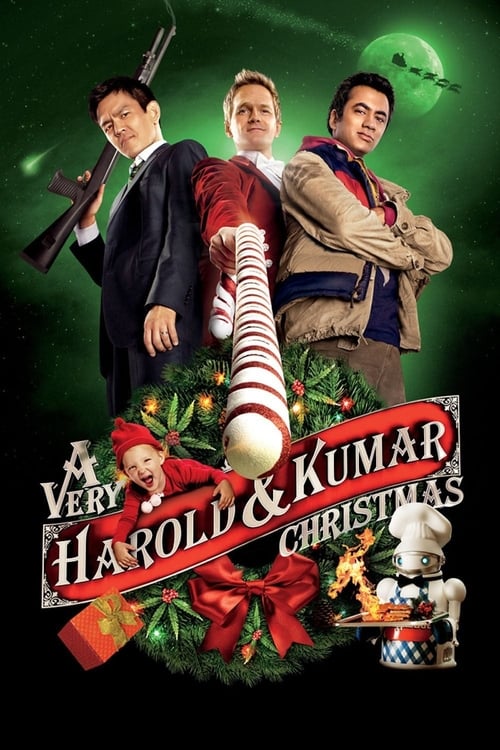
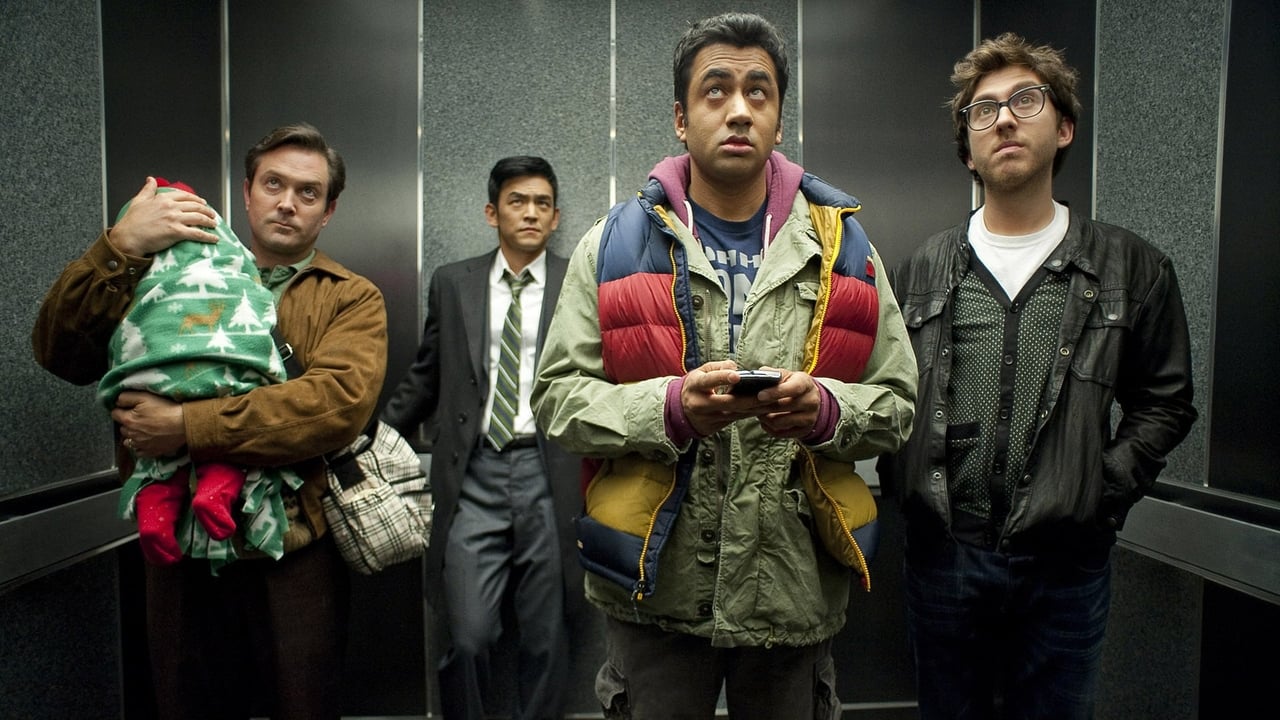
There was a specific window in the early 2010s where every movie—from Avatar to the most low-budget slasher—felt a desperate, corporate need to poke the audience in the eye with a plastic stick. While most filmmakers treated 3D as a prestige tool or a necessary evil, A Very Harold & Kumar Christmas is perhaps the only film of that era that weaponized the gimmick for pure, unadulterated stupidity. I mean that as the highest possible compliment. I watched this recently while nursing a lukewarm cup of peppermint tea that had far too much honey in it, and honestly, the film’s sugary, chaotic energy was the perfect pairing for a mild sugar crash.
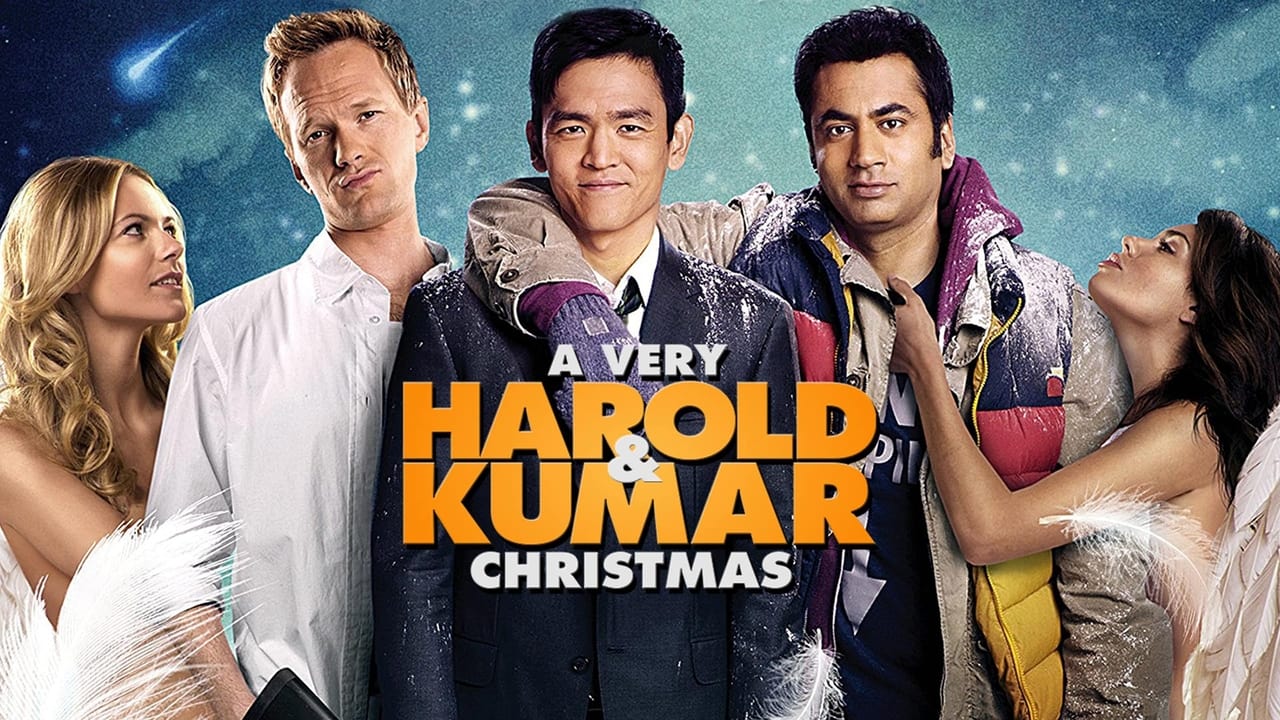
By 2011, the stoner comedy was in a strange place. The raw, indie energy of the early 2000s had been replaced by a more polished, digital sheen. We were moving away from the grainy, film-shot look of the original Harold & Kumar Go to White Castle (2004) and into an era where CGI was cheap enough to be used for a sequence involving a drug-addled toddler or a giant flying waffle. What makes this third outing work is that it leans into the artifice. It doesn’t try to be "real"; it tries to be a live-action cartoon.
Weaponizing the Gimmick
Director Todd Strauss-Schulson, who would later show off his knack for meta-commentary in The Final Girls (2015), understands the rhythm of 2011-era cinema perfectly. He treats the 3D not as a depth-of-field enhancer, but as a comedic delivery system. Whether it’s excessive amounts of fake snow, slow-motion plumes of blue smoke, or various bodily fluids flying toward the lens, the film turns the screen into a literal firing range for gags. Looking back, it’s a time capsule of that transitional moment where digital cinematography (handled here by Michael Barrett) was becoming the standard, allowing for vibrant, neon-soaked colors that pop with a clarity the previous films lacked.
The plot is classic holiday farce: six years after their escape from Guantanamo Bay, our titular duo has drifted apart. John Cho's Harold is a high-strung Wall Street success with a beautiful wife (Paula Garcés) and a father-in-law (Danny Trejo) who looks like he eats coal for breakfast. Kal Penn's Kumar is... well, he’s still Kumar, living in a haze of smoke and failed potential. When a mysterious package arrives, the two reunite only to accidentally incinerate the prize Christmas tree. The quest for a replacement is just an excuse for a series of increasingly absurd vignettes, but the script by Jon Hurwitz and Hayden Schlossberg keeps the jokes-per-minute ratio impressively high.
The Odd Couple, All Grown Up

What really keeps the movie from drifting into the bargain bin of forgotten sequels is the genuine chemistry between John Cho and Kal Penn. By 2011, Penn had actually spent time working in the Obama administration, and Cho was busy being Sulu in the Star Trek reboot. They were "serious" actors by this point, yet they stepped back into these roles with zero ego. There’s a refined timing to their bickering now; they aren't just kids looking for burgers anymore. They are men mourning the loss of their youth, which adds a surprising, albeit thin, layer of heart to the madness.
The supporting cast is equally committed to the bit. Elias Koteas (of The Prophecy and The Thin Red Line fame) shows up as a Russian mobster in a performance that is far more intense than a stoner Christmas movie deserves, and it’s hilarious for it. And then, of course, there is the Gospel of St. Neil. The "Neil Patrick Harris" character had become a franchise staple by this point, but this film takes him to his logical, supernatural conclusion. His appearance involves a Broadway-style musical number that captures the peak of NPH’s "King of the Triple Threats" era, right before the internet’s obsession with him reached saturation point.
A Snapshot of Early-2010s Excess
Looking back from a decade-plus distance, A Very Harold & Kumar Christmas feels like a last hurrah for a certain kind of mid-budget comedy. It’s a film that proudly features a claymation sequence involving a giant penis monster while simultaneously having the budget to look like a high-end commercial. It captures the post-9/11 anxiety of the previous films but trades the political edge for a more surrealist, "Y2K+11" brand of escapism. It’s flashy, it’s loud, and it’s unapologetically vulgar, but it also understands the core tenets of a Christmas movie: family, forgiveness, and the importance of a well-lit tree.
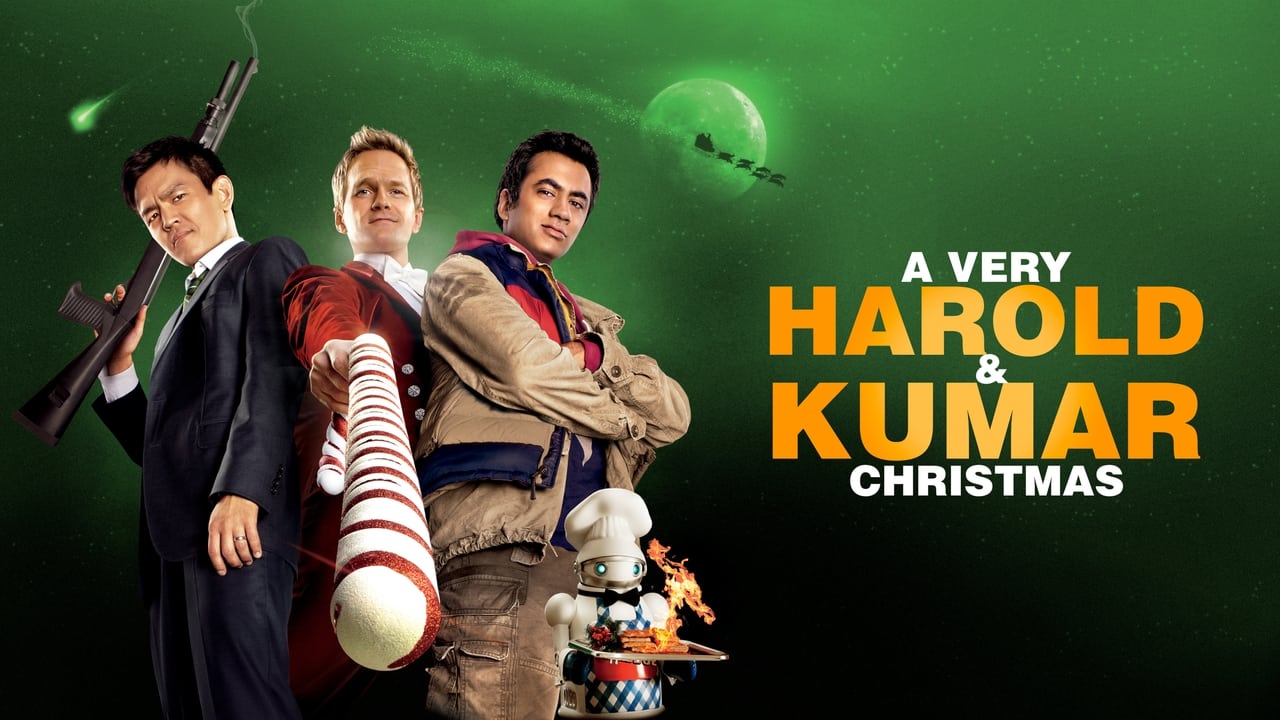
Is it high art? Absolutely not. But in the landscape of 2010s comedies, it stands out because it actually has a visual identity. It isn't just people standing in a room talking; it’s a choreographed, stylized explosion of holiday cheer. It’s the kind of movie you find on a streaming service at 11:00 PM on a Tuesday in December and end up watching until the credits roll because the pacing is just that relentless.
This is the rare third entry that manages to outshine its immediate predecessor by embracing the absurdity of its own existence. While the "edgy" humor of 2011 doesn’t always land with 2024 sensibilities, the core friendship and the sheer visual ambition make it a staple for anyone who prefers their holiday spirit with a side of contact high. It’s a crass, sugar-crusted, weed-scented ornament on the cinematic tree, and honestly, the holidays wouldn't be the same without a little bit of bad taste.
Keep Exploring...
-
Harold & Kumar Escape from Guantanamo Bay
2008
-
Harold & Kumar Go to White Castle
2004
-

I Love You, Man
2009
-

The Back-Up Plan
2010
-
The Final Girls
2015
-
Drinking Buddies
2013
-

A Good Year
2006
-
Accepted
2006
-

Aquamarine
2006
-

Clerks II
2006
-
Just My Luck
2006
-
Nacho Libre
2006
-
The Benchwarmers
2006
-

American Pie Presents: Beta House
2007
-
Big Stan
2007
-
Dan in Real Life
2007
-

Death at a Funeral
2007
-
Hot Rod
2007
-

Penelope
2007
-
Shoot 'Em Up
2007