Another Earth
"Look up. Your second chance is watching."
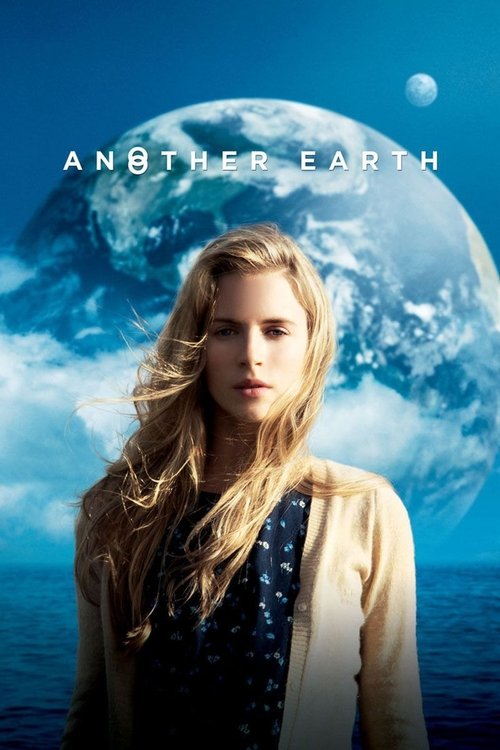
I remember exactly where I was when I first heard the buzz about Another Earth. It was 2011, a year dominated by the polished, heavy-set machinery of the early MCU and the final Harry Potter flick. Amidst all that thunder, this tiny, $100,000 whisper of a movie emerged from Sundance, carried almost entirely by the sheer magnetism of a then-unknown Brit Marling. I watched it for the first time on a laptop with a cracked screen that made the "other Earth" look like it had a permanent asteroid hitting it, and yet, the film’s grainy, intimate digital texture still managed to floor me.

Looking back, Another Earth is a perfect time capsule of that specific moment in the early 2010s when digital cameras were finally democratizing high-concept storytelling. You didn't need a sprawling VFX house or a nine-figure budget to tell a story about a duplicate planet appearing in our sky; you just needed a good script, a cold lens, and a protagonist who could hold a close-up for five minutes without blinking.
The Mirror in the Sky
The premise is the kind of "what if" that usually fuels a Michael Bay disaster epic, but director Mike Cahill treats it with the quiet reverence of a funeral. On the night a mirror-image Earth is discovered, a young, brilliant astrophysics student named Rhoda (Brit Marling) makes a catastrophic mistake. She’s driving home, staring at the blue dot in the sky, and slams into a car carrying a family.
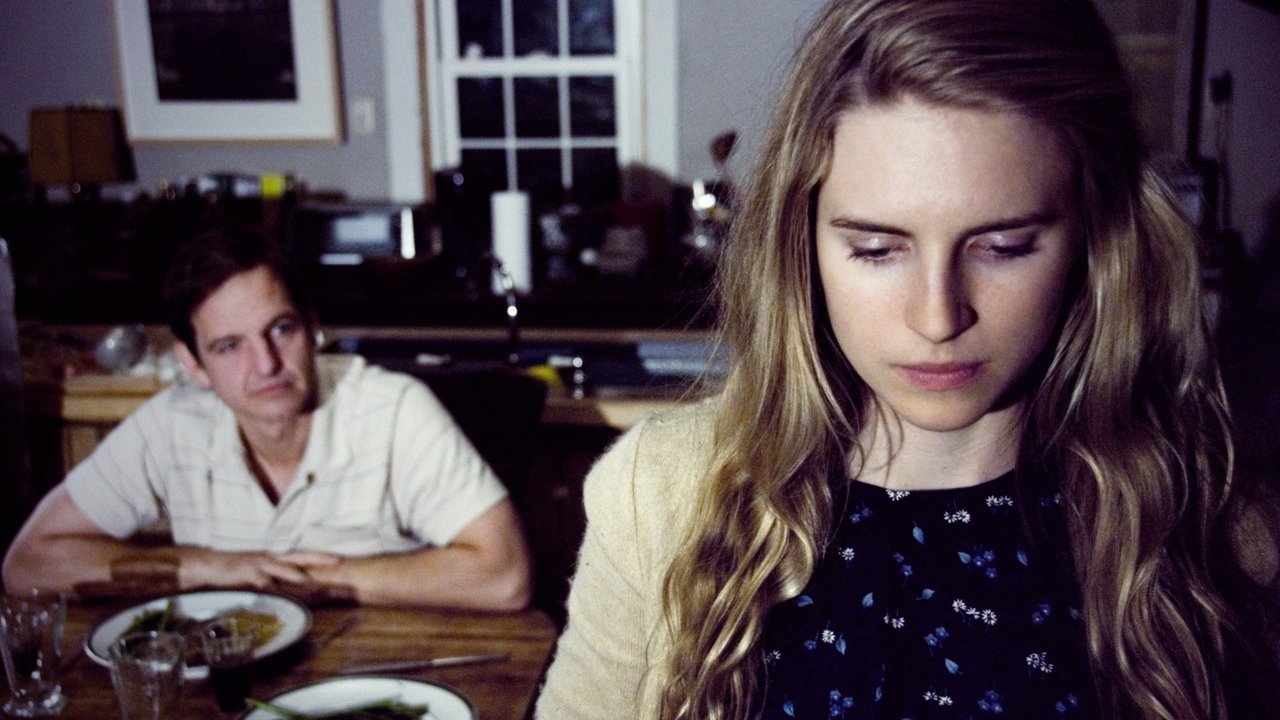
Years later, Rhoda is out of prison and hollowed out by guilt. She seeks out the survivor of the crash, a former music professor named John (William Mapother, whom you likely remember as the creepy Ethan from LOST). She doesn't tell him who she is; instead, she pretends to be a maid, cleaning his house as a form of penance. It’s a setup for a high-stakes drama, but the sci-fi element—the literal Earth 2 hanging above them—acts as a cosmic psychological pressure cooker.
The science in this movie is basically magic, and if you’re looking for Neil deGrasse Tyson levels of accuracy, you’re in the wrong zip code. The film doesn't care about orbital mechanics or the gravitational tides that would surely be shredding our coastlines. It cares about the metaphor: if there’s another you out there, did they make the same mistake you did?
Subtlety Over Spectacle
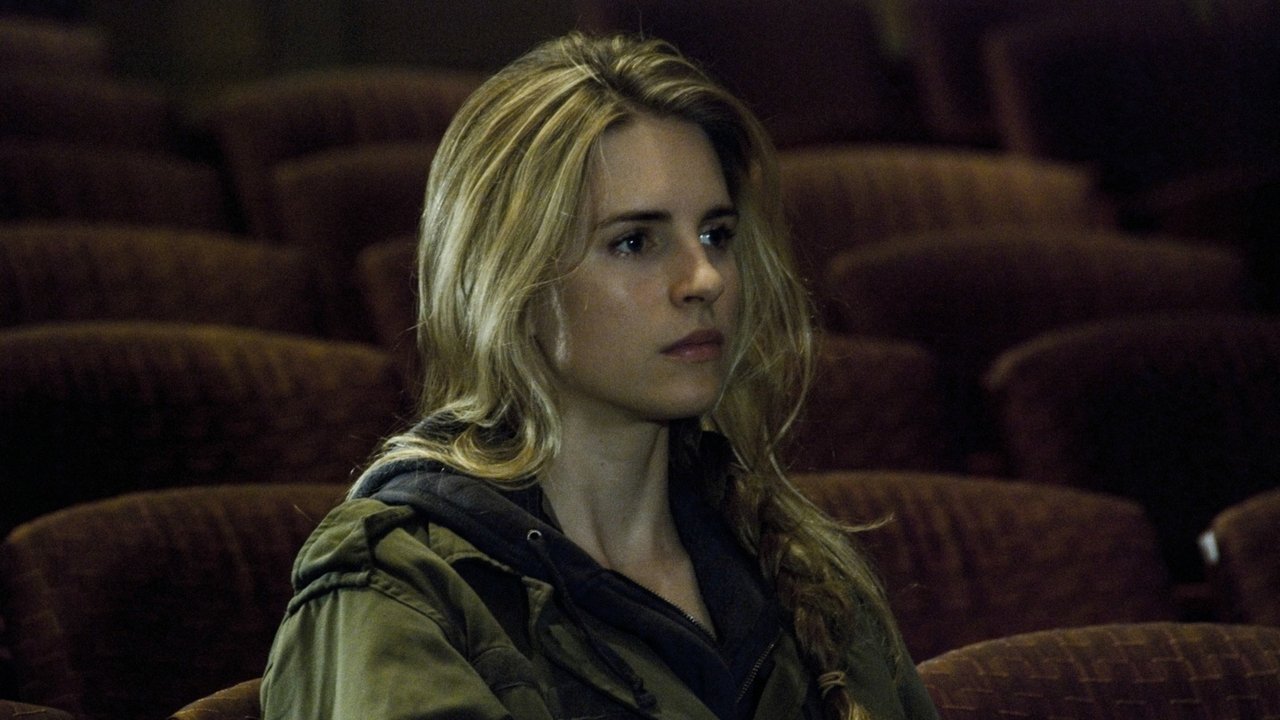
The heavy lifting here is done by the two leads. Brit Marling—who also co-wrote and produced the film—has this ethereal, translucent quality. She feels like someone who has already partially departed from our world. Her chemistry with William Mapother is uncomfortable and heavy, as it should be. Mapother is excellent at playing shattered men, and here he’s a walking bruise.
What I appreciate now, more than I did a decade ago, is Mike Cahill’s directorial restraint. This was a transition period for cinema; we were moving away from the gritty "shaky-cam" of the 2000s into a more deliberate, digital aesthetic. Cahill uses handheld shots not for "action," but for intimacy. He lets the camera linger on a dirty sink or the frost on a windowpane, making the sci-fi feel tactile and lived-in.
It’s also worth noting the presence of the late Kumar Pallana, a favorite of Wes Anderson, who plays a janitor at the school where Rhoda works. He provides this strange, philosophical undercurrent that keeps the movie from sinking too far into its own gloom.
The Beauty of the "Low-Fi" Indie
There’s a legendary bit of trivia about the production that always makes me smile: because the budget was so non-existent, they shot most of it in Cahill's childhood home in Connecticut. His mother provided the catering. They didn't have permits for many of the locations, so they just filmed until someone told them to leave.
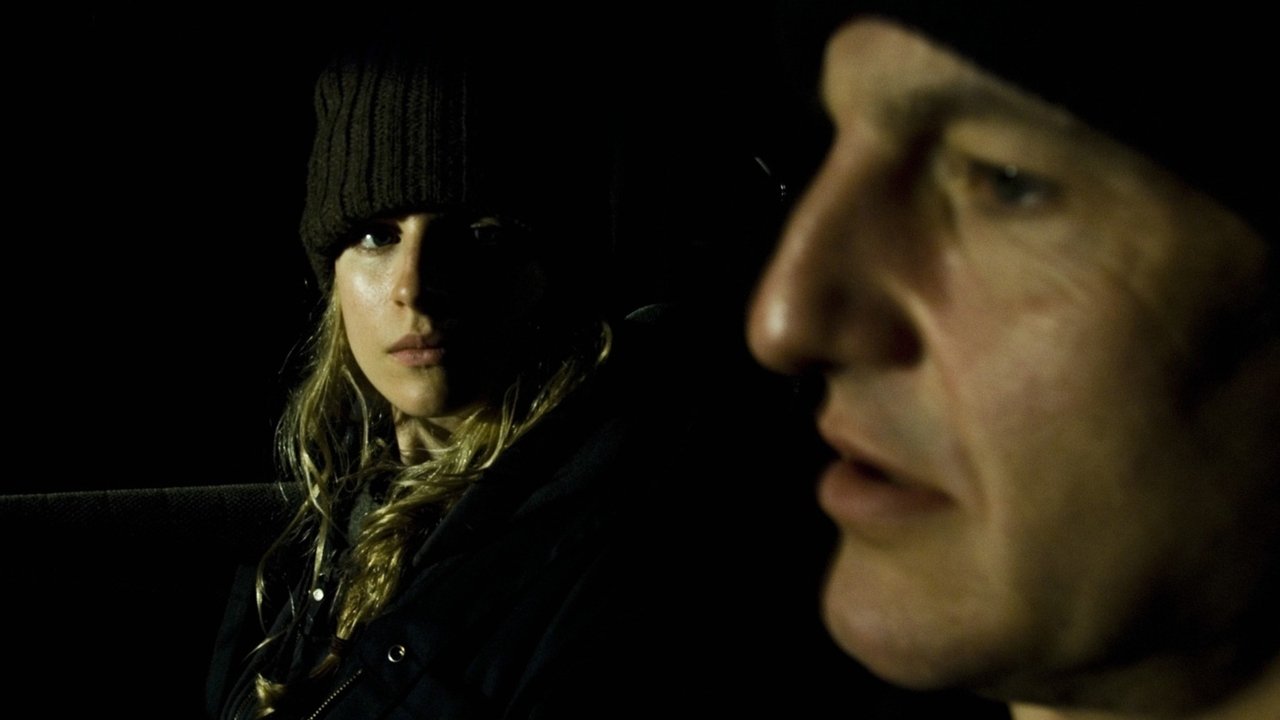
That "guerrilla" energy is palpable. It’s a reminder that before the streaming giants started spending $200 million on mediocre blockbusters, there was a brief, beautiful window where digital technology meant anyone with a compelling idea could make a dent in the culture. Another Earth hasn't quite stayed in the public consciousness like District 9 or Ex Machina, perhaps because it's so stubbornly quiet. It’s a "mood" movie, one that demands you be in a specific, slightly melancholic headspace.
The ending is still one of the most debated "final frames" of that era. It doesn't give you a clean resolution. Instead, it offers a visual gut-punch that forces you to re-evaluate everything you just watched. It’s the kind of ending that makes you want to immediately call a friend and argue about it for an hour—which is exactly what I did back in 2011.
While it occasionally leans a bit too hard into its "indie-sadness" tropes, Another Earth remains a hauntingly beautiful example of what can be achieved when ideas are bigger than budgets. It’s a film about the crushing weight of "could have been," wrapped in the shimmering skin of a sci-fi mystery. If you missed it during the initial Sundance hype, it’s well worth the 92 minutes to catch up with it now—just maybe don't watch it while you're driving and looking at the stars.

Keep Exploring...
-

I Origins
2014
-
Carriers
2009
-

Evangelion: 1.0 You Are (Not) Alone
2007
-
Blindness
2008
-
Perfect Sense
2011
-

Evangelion: 3.0 You Can (Not) Redo
2012
-

The Zero Theorem
2013
-
Flatliners
1990
-
Mary Shelley's Frankenstein
1994
-
Strange Days
1995
-
Volcano
1997
-
Soldier
1998
-

S1m0ne
2002
-
Solaris
2002
-
The Forgotten
2004
-
The Jacket
2005
-
The Man from Earth
2007
-
Monsters
2010
-
Robot & Frank
2012
-
Batman: The Dark Knight Returns, Part 1
2012