Arthur Christmas
"Mission impossible, but with more tinsel."
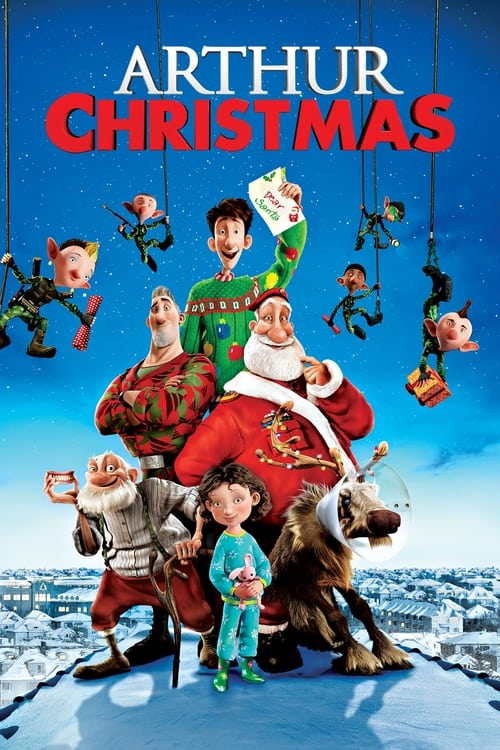
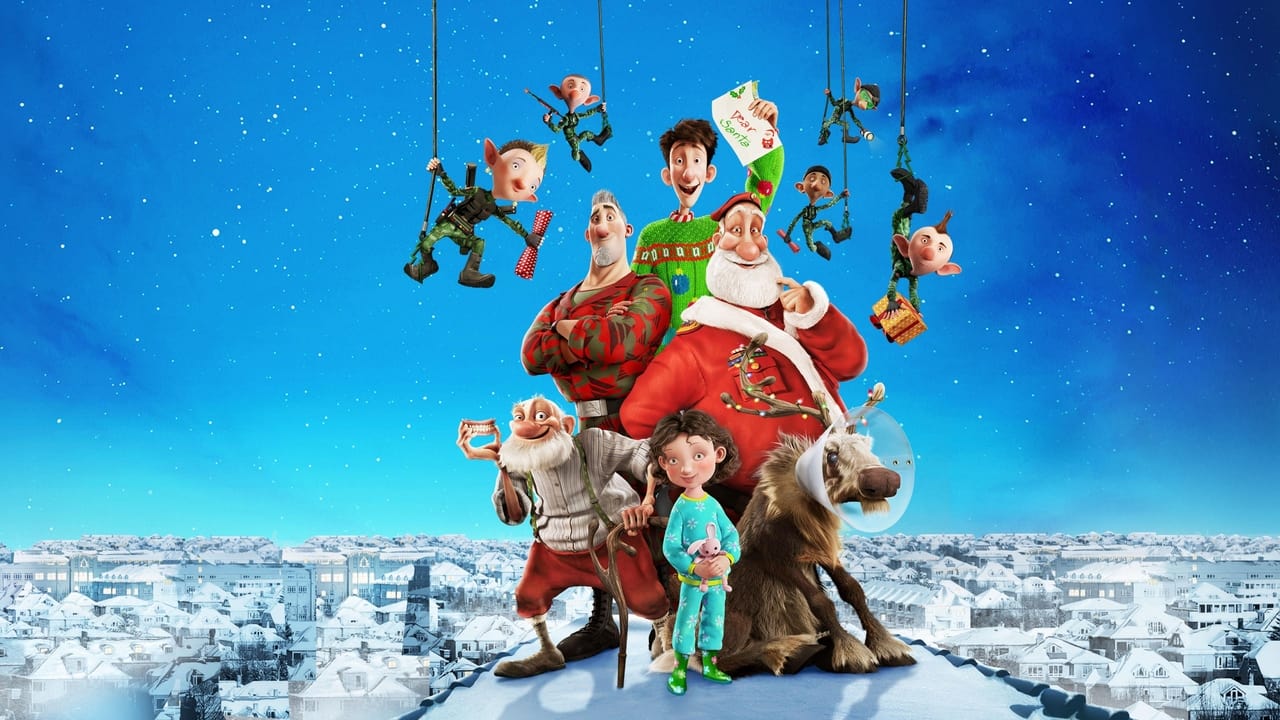
Most holiday movies treat the North Pole like a magical, snow-dusted commune where physics is a mere suggestion. But then comes Arthur Christmas, which decides that the best way to handle the logistical nightmare of delivering two billion gifts in one night is to run the operation like a high-stakes heist from a Mission: Impossible sequel. I watched this while wearing one fuzzy sock because the other had vanished into the laundry dimension, and honestly, that lopsided chill perfectly matched the film’s messy, misfit energy.
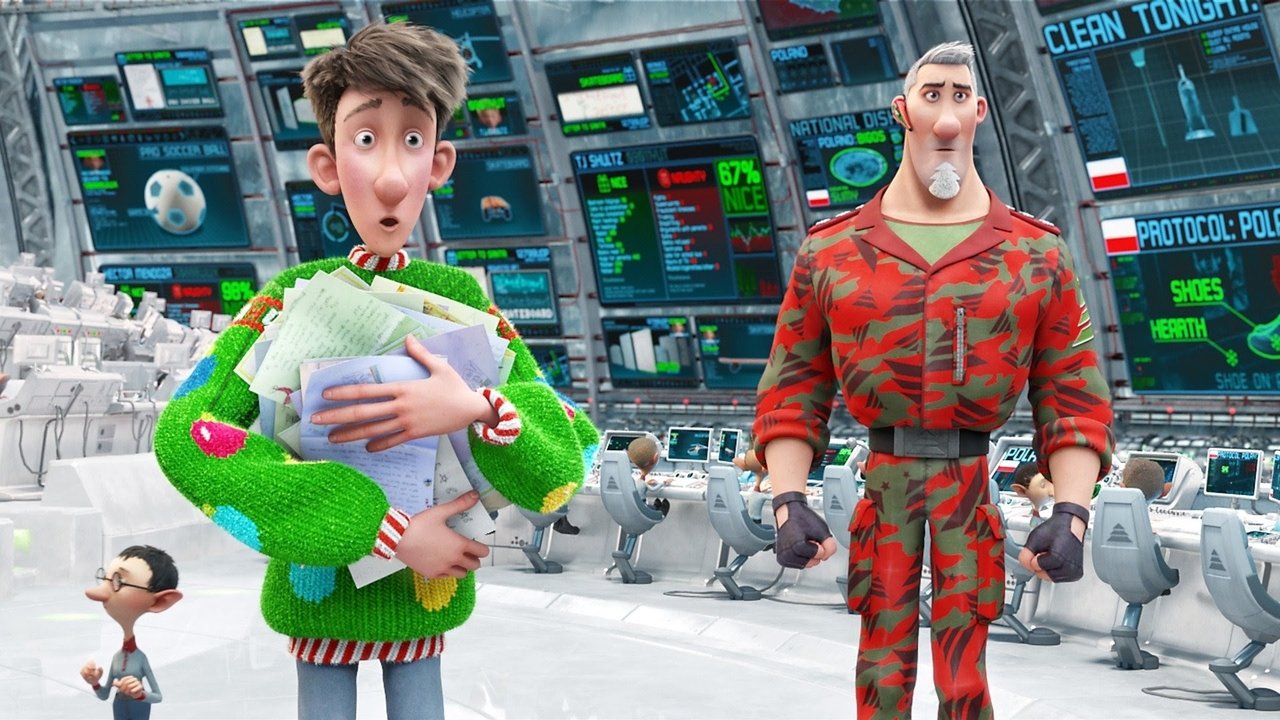
It’s rare to find an animated feature that functions so effectively as a family drama, but beneath the neon glow of the S-1000 (a massive, stealth-cloaked sleigh-ship), this is a story about the crushing weight of legacy and the fear of being replaced. While the world sees "Santa" as a singular, immortal figure, the film reveals it’s actually a hereditary title passed down like a corporate CEO position. It’s the most realistic depiction of a toxic family business ever committed to pixels, and it’s surprisingly biting for something marketed to kids.
The Corporate Claus Complex
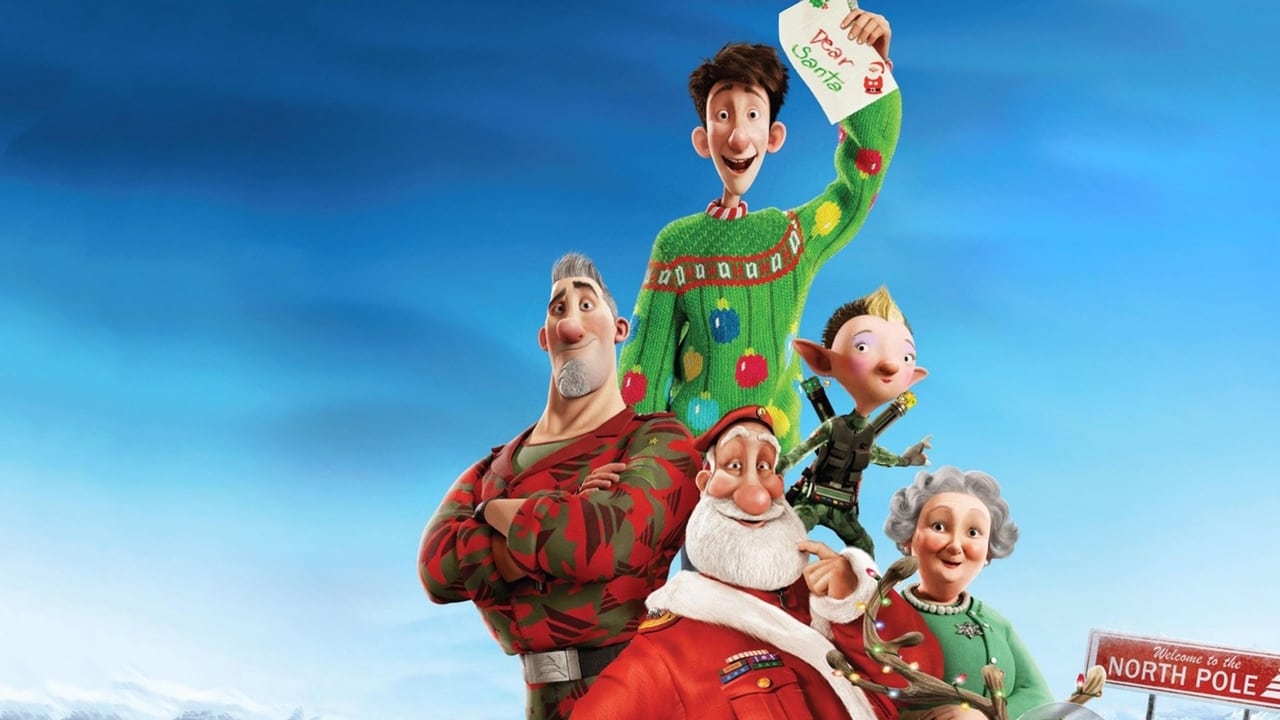
At the center of this dysfunction is the current Santa (Jim Broadbent), a man who has become a figurehead—beloved by the public but largely checked out from the actual work. The real power lies with his eldest son, Steve (Hugh Laurie), who has traded the "Ho-Ho-Ho" for a military-grade headset and a obsession with efficiency. Steve Claus is basically a Silicon Valley CEO who definitely has a ‘Rise and Grind’ playlist. He sees Christmas as a metric to be optimized, not a miracle to be shared.
Then there’s Arthur (James McAvoy). Arthur is the family embarrassment, the clumsy, terrified younger brother relegated to the Letters Department because he’s too "emotional." When a single gift—a pink bicycle for a girl named Gwen—is missed, Steve dismisses it as an acceptable margin of error (0.000000015%). It’s a chillingly modern sentiment. Arthur, however, is the only one who understands that for Gwen, the margin of error is 100%. James McAvoy gives Arthur a frantic, breathless sincerity that never feels grating; he’s the beating heart of a movie that threatens to be cold-coded by its own technology.
A Legacy in Transition
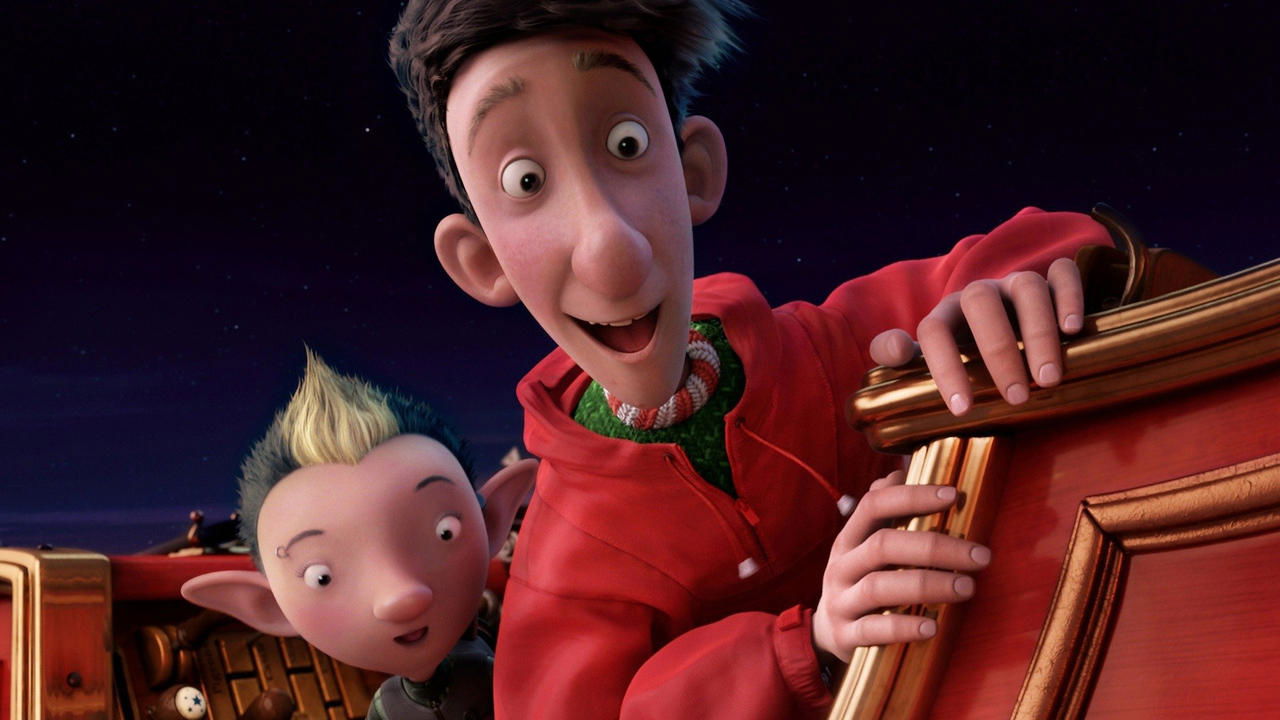
Looking back from the vantage point of 2024, Arthur Christmas feels like a pivotal moment in the "Modern Cinema" era (1990-2014). This was Aardman Animations—the masters of tactile, thumb-printed clay like Wallace & Gromit—fully embracing the CGI revolution. While some purists feared the soul of the studio would be lost in the transition from analog to digital, director Sarah Smith proved that Aardman’s wit translates perfectly to 3D. The character designs still have that "Aardman" look—the expressive mouths, the slightly bulbous noses—but the CGI allows for a scale that clay could never achieve. The sequence where the S-1000 hovers over a city is a genuine "Blockbuster" moment.
The film also captures that early-2010s obsession with tech vs. tradition. The conflict between Steve’s digital drones and the crotchety, 136-year-old Grandsanta (Bill Nighy) feels even more relevant today. Bill Nighy absolutely steals every scene he’s in; his Grandsanta is a bitter, hilarious relic of the 1940s who misses "the old days" when children were afraid of Santa. He represents the analog past—messy, dangerous, but undeniably human—clashing with a streamlined, sterile future.
Behind the High-Tech Sleigh
The financial success of Arthur Christmas was substantial, pulling in over $151 million against what the studio reported as a modest $10 million budget (though industry insiders suggest the marketing and production scale felt much larger). It was a co-production between Sony Pictures Animation and Aardman, marking a shift in how these massive holiday features were being financed and distributed globally.
What I find most fascinating about the production is the screenplay by Peter Baynham and Sarah Smith. Peter Baynham came from a background of sharp British satire, having worked on Borat and Alan Partridge, and that edge is visible here. The dialogue isn't just "kid-movie" chatter; it’s fast-paced, witty, and acknowledges the absurdity of its own premise. It also didn't hurt that the score was handled by Harry Gregson-Williams, the man who defined the sound of the 2000s through the Shrek franchise and The Chronicles of Narnia. He blends orchestral holiday warmth with the driving percussion of an action thriller.
Ultimately, Arthur Christmas succeeds because it doesn’t settle for being "just a holiday movie." It’s an exploration of how we preserve the spirit of a tradition when the world around it becomes obsessed with numbers, data, and "acceptable" failures. It’s funny, surprisingly tense, and ends on a note of genuine emotional resonance that doesn't feel manufactured by a corporate board. It’s a reminder that even in an era of drones and stealth ships, there is still a place for the clumsy, the earnest, and the one-socked believers.
The film manages to balance the high-octane energy of a 21st-century blockbuster with the cozy, character-driven charm of a classic British comedy. If you missed this during its initial run, it’s high time to let it into your rotation. It captures a specific moment in animation history where the digital and the soulful finally learned how to share the same sleigh. It’s a modern classic that earns every bit of its sentimentality.

Keep Exploring...
-
Hotel Transylvania
2012
-
Chicken Run
2000
-
Cars
2006
-

Happy Feet
2006
-

Ice Age: The Meltdown
2006
-
Over the Hedge
2006
-

The Simpsons Movie
2007
-

Horton Hears a Who!
2008
-
Kung Fu Panda
2008
-
Madagascar: Escape 2 Africa
2008
-

Ice Age: Dawn of the Dinosaurs
2009
-
Despicable Me
2010
-

Kung Fu Panda 2
2011
-

Puss in Boots
2011
-
Rio
2011
-
Ice Age: Continental Drift
2012
-
Madagascar 3: Europe's Most Wanted
2012
-

Cloudy with a Chance of Meatballs 2
2013
-
Despicable Me 2
2013
-
The Croods
2013