Battle: Los Angeles
"The line in the sand is the Santa Monica freeway."
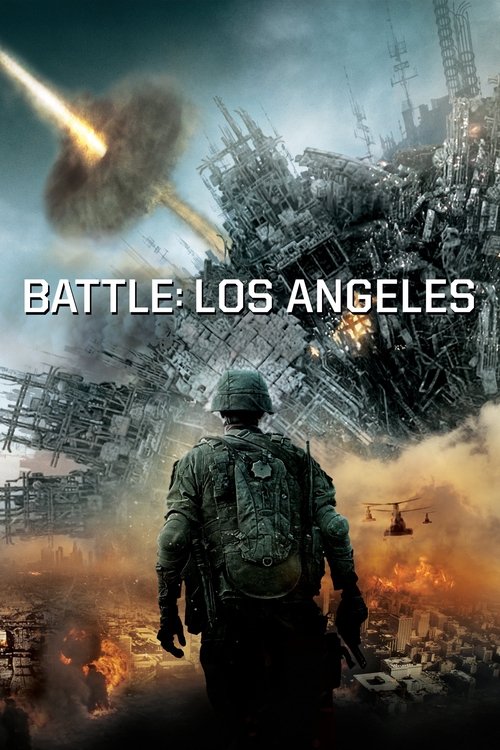
I vividly remember the teaser trailer for Battle: Los Angeles. It was 2011, and the marketing team had the inspired idea to set grainy, terrifying footage of an alien invasion to the haunting, rhythmic pulses of Jóhann Jóhannsson’s "The Sun’s Gone Dim." It promised a gritty, ground-level masterpiece—the Saving Private Ryan of sci-fi. I walked into the theater expecting a transformative cinematic experience, but what I actually got was a loud, clattering, high-octane love letter to the United States Marine Corps that happened to feature some very ugly tourists from another galaxy.
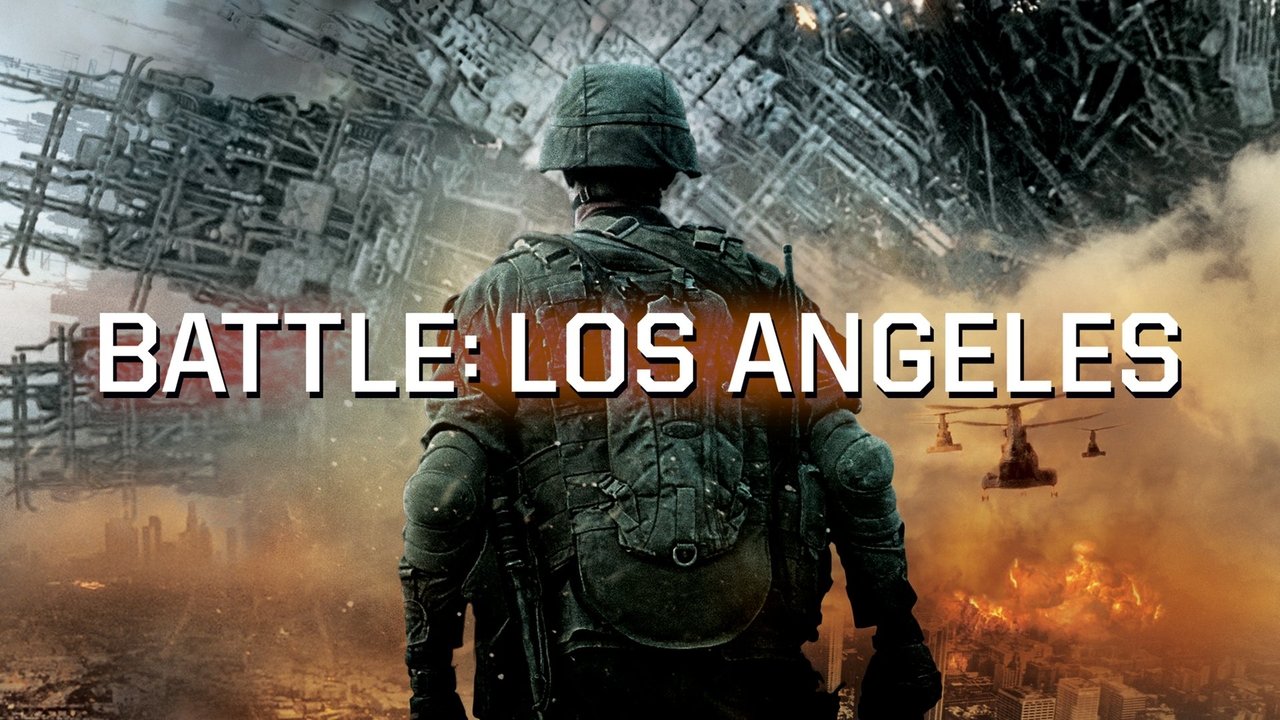
I watched this most recently on a Tuesday evening while nursing a lukewarm cup of peppermint tea that I’d forgotten to sweeten, and honestly, the slight bitterness of the drink matched the movie's desaturated, "dust and soot" color palette perfectly.
The Shaky-Cam Symphony
Director Jonathan Liebesman (who later gave us the 2014 Teenage Mutant Ninja Turtles) leans hard into the "Modern Cinema" playbook of the era. This was the peak of the post-Greengrass shaky-cam revolution. If you don’t like your cinematography served with a side of motion sickness, you’re going to have a rough time. But looking back at it now, there’s an ambition in the chaos. Lukas Ettlin’s camera doesn't just watch the action; it feels like it’s trying to survive it.
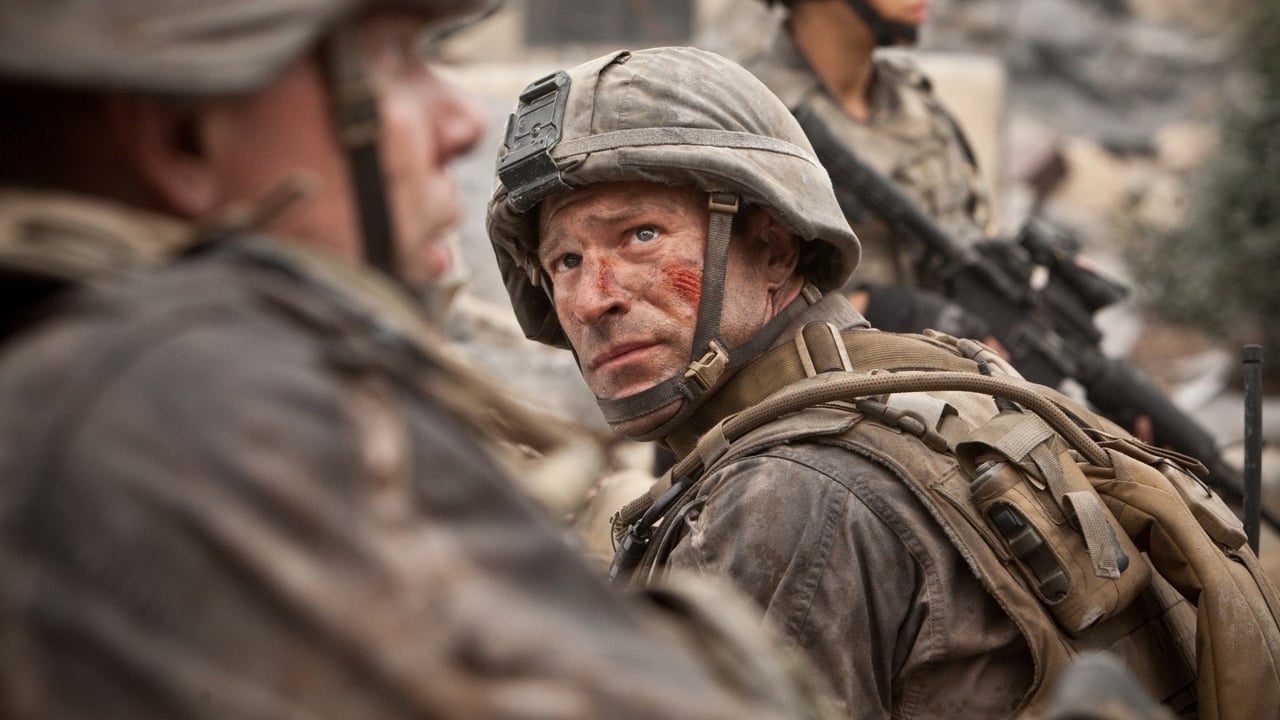
The film drops us into the boots of Staff Sergeant Michael Nantz, played by Aaron Eckhart (The Dark Knight, Thank You for Smoking) with a jawline so rugged it could probably deflect small arms fire. Nantz is the classic "one day from retirement" trope, haunted by a past mission gone wrong. When the meteors start hitting the coast, he’s thrust back into the fray with a squad of young Marines.
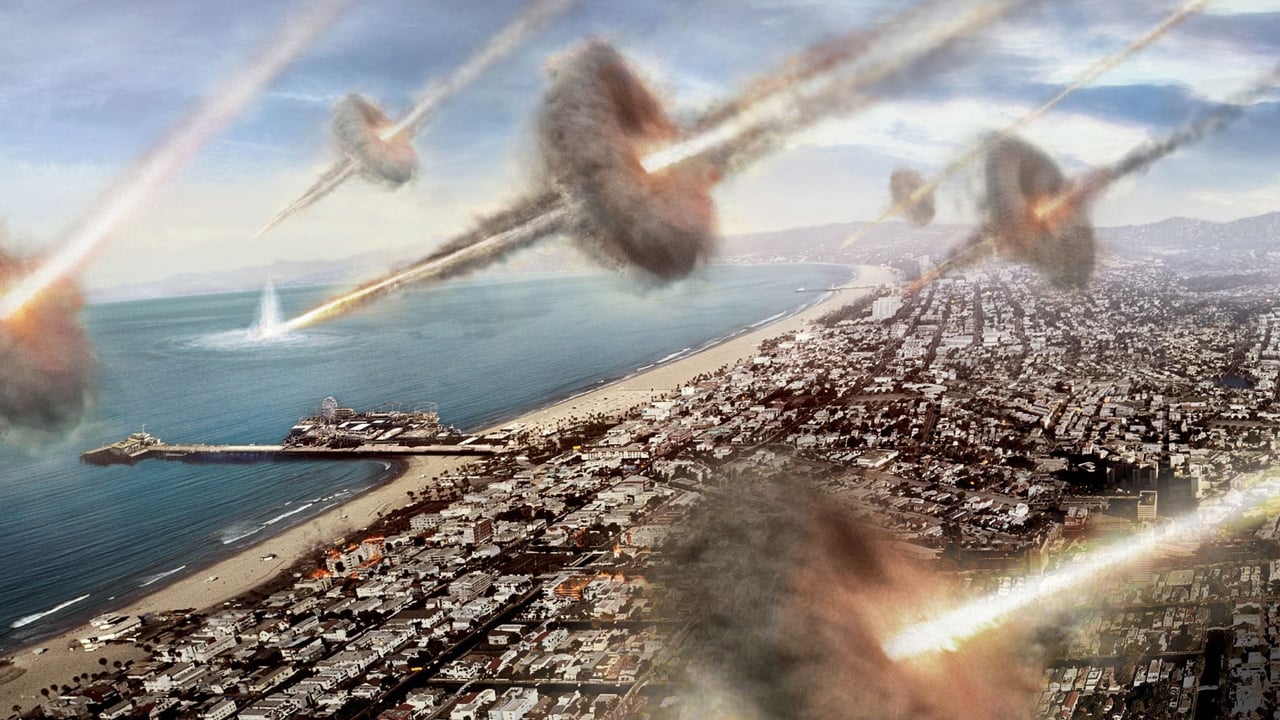
The action is relentless. Unlike the sleek, polished CGI of something like The Avengers (which arrived just a year later), the effects here have a heavy, tactile weight. When an alien ship crashes into a building, you feel the concrete splinter. The sound design is the real MVP—it was nominated for an Oscar for a reason. The rhythmic thwack-thwack-thwack of the alien weaponry sounds distinctively "other," and when combined with Brian Tyler’s bombastic, brass-heavy score, the movie does a great job of keeping your heart rate north of 100.

Boot Camp and Blood Spatter
One thing I’ve always appreciated about this production is the commitment to the "grunt" perspective. To get the cast into character, the actors—including Ramón Rodríguez, Will Rothhaar, and Noel Fisher—were sent to a grueling three-week boot camp. They lived in tents, ate MREs, and practiced small-unit tactics until they could move like a real squad. You can see it on screen; they don’t hold their rifles like actors, and they navigate the urban wreckage of a simulated Los Angeles with a convincing, jittery professionalism.
Michael Peña (Ant-Man, End of Watch) shows up as a civilian father, and he does what he always does: provides the only genuine emotional heartbeat in a script that is otherwise composed of 80% military jargon and 20% shouting. There’s a scene involving an alien "autopsy" in the middle of a war zone that is genuinely clever, showing us how these creatures work (they’re basically biological drones fused with tech) without a massive exposition dump. It’s a rare moment of "sci-fi curiosity" in a movie that is otherwise a pure combat film.
However, let’s be real: this movie is basically a two-hour US Marine recruitment ad with better lighting. The dialogue is often eye-rolling, filled with platitudes about "retreating in the other direction" and "Marine prep." It’s a film that emerged from that post-9/11 period of cinema where the military wasn't just a setting, but a sacred institution. If you can push past the thick layer of "Oorah!" sentimentality, there’s a very solid B-movie underneath.
The Scale of the Siege
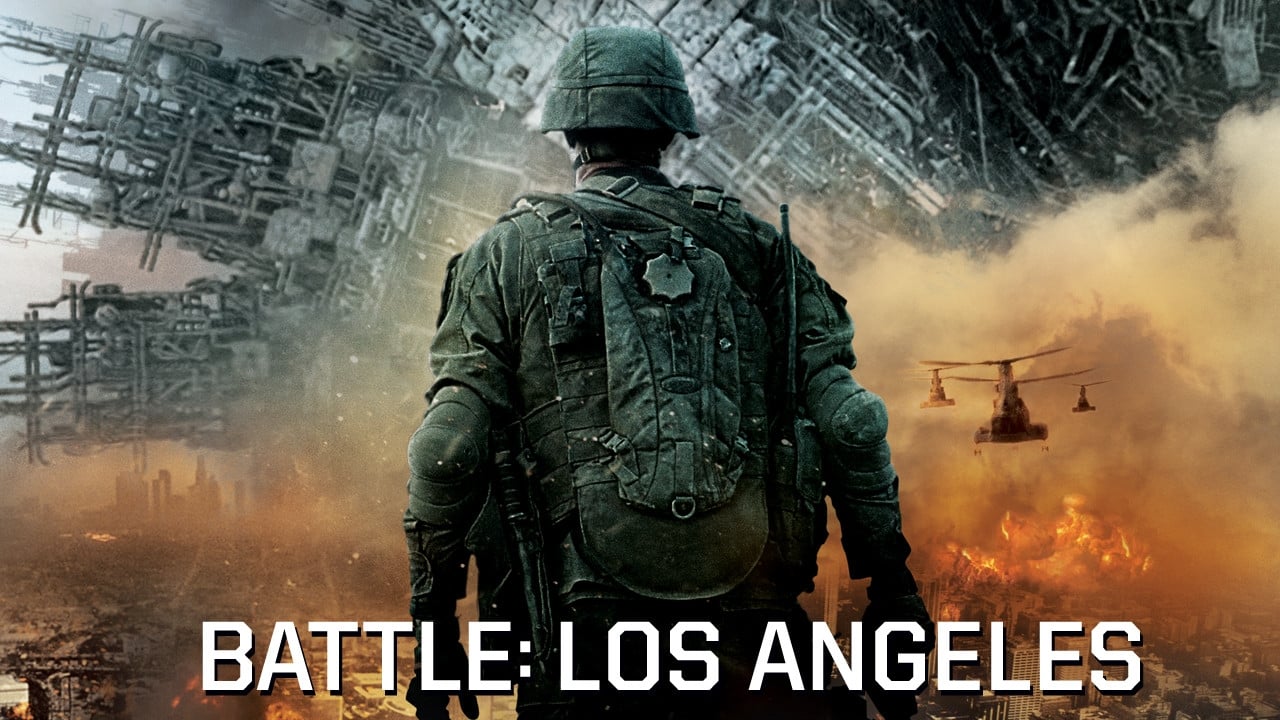
For a $70 million budget, the film looks like it cost double. While it was mostly shot in Louisiana for tax reasons (shout out to Shreveport for playing a convincing, bombed-out Santa Monica), the scale is impressive. It captures that specific 2010s aesthetic where everything is gray, brown, and tan. It’s a far cry from the neon-soaked sci-fi we see today, but it captures the "fog of war" vibe effectively.
Is it a masterpiece? No. But it’s a fascinating time capsule of a moment when Hollywood was trying to figure out how to make "realistic" alien invasions. It lacks the heart of District 9 or the sheer spectacle of Independence Day, but as a tactical exercise in urban warfare, it’s surprisingly durable. It’s the kind of movie you keep on the background while cleaning the house, only to realize forty minutes later that you’re sitting on the floor, mesmerized by a freeway shootout.
Battle: Los Angeles isn't going to win any points for narrative depth, and the shaky-cam might leave you reaching for the Dramamine. But as a loud, unapologetic, technically proficient war movie that just happens to have lasers, it delivers exactly what it promises. It’s a testament to Aaron Eckhart’s ability to sell even the most cliché dialogue with absolute conviction. If you want to see the City of Angels get pulverized by leggy bio-mechanical monsters, you could do a lot worse.
Keep Exploring...
-
Teenage Mutant Ninja Turtles
2014
-
Transformers: Revenge of the Fallen
2009
-
Spider-Man 3
2007
-
2012
2009
-

Knowing
2009
-

Resident Evil: Afterlife
2010
-

Transformers: Dark of the Moon
2011
-
Journey 2: The Mysterious Island
2012
-

Resident Evil: Retribution
2012
-

The Amazing Spider-Man
2012
-

Wrath of the Titans
2012
-
The Wolverine
2013
-
Godzilla
2014
-
The Amazing Spider-Man 2
2014
-
Transformers: Age of Extinction
2014
-
Resident Evil: Extinction
2007
-
Cloverfield
2008
-
Predators
2010
-
Alien³
1992
-
Congo
1995