Bridesmaids
"Friendship is a messy, beautiful disaster."
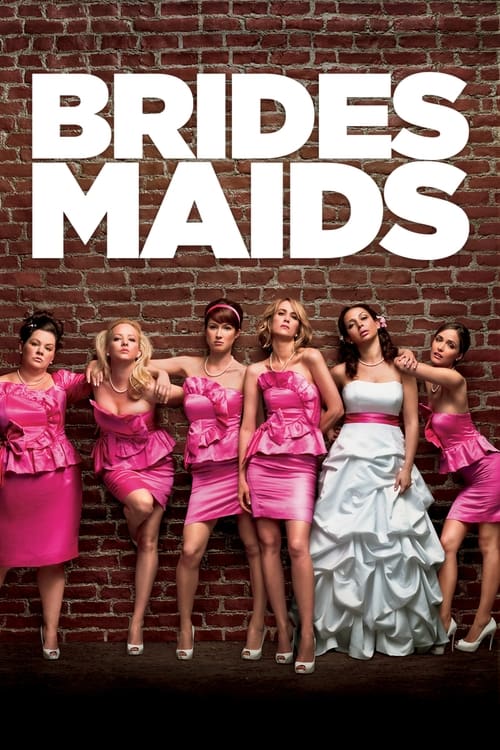
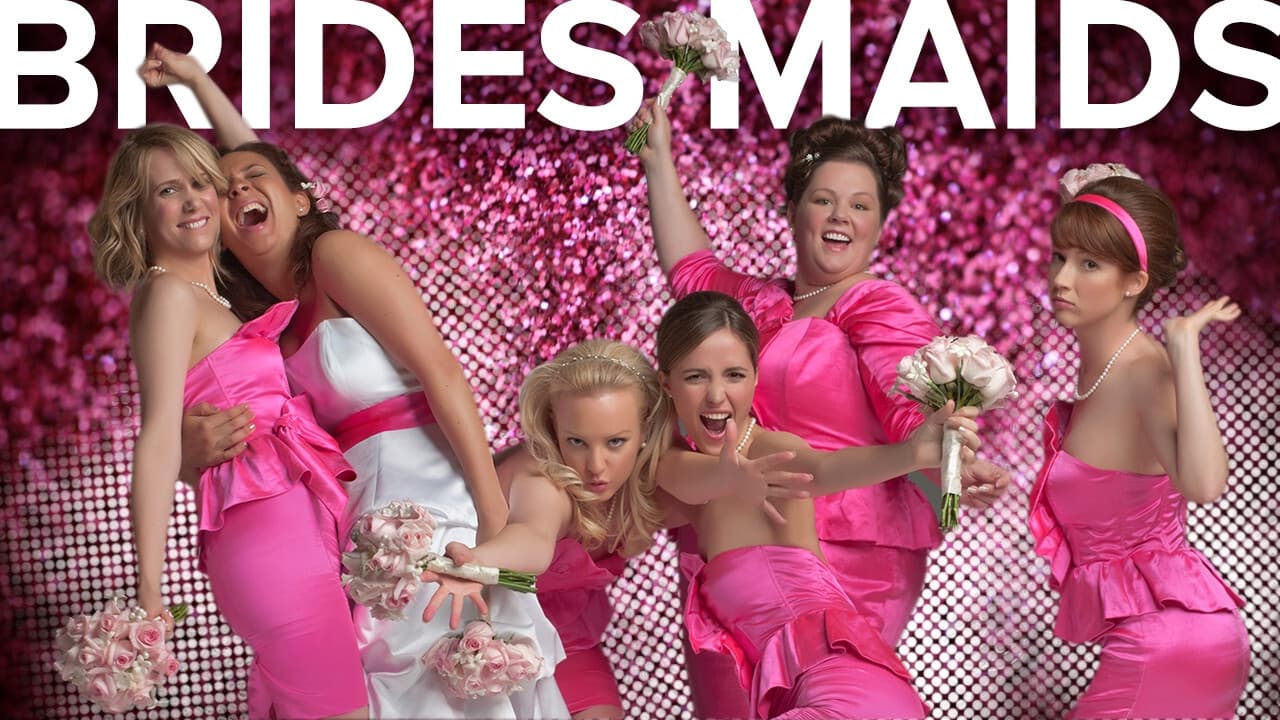
In 2011, the "chick flick" label was essentially a creative death sentence for anyone seeking actual edge, until Kristen Wiig decided to vomit in a kitchen sink while wearing a couture gown. Before Bridesmaids crashed into theaters, the industry logic was frustratingly rigid: men got the R-rated, "gross-out" comedies like The Hangover, while women were relegated to soft-focus stories about finding the right architect in a beige kitchen. Looking back, this film didn't just break that glass ceiling; it drove a stolen mini-van through it.
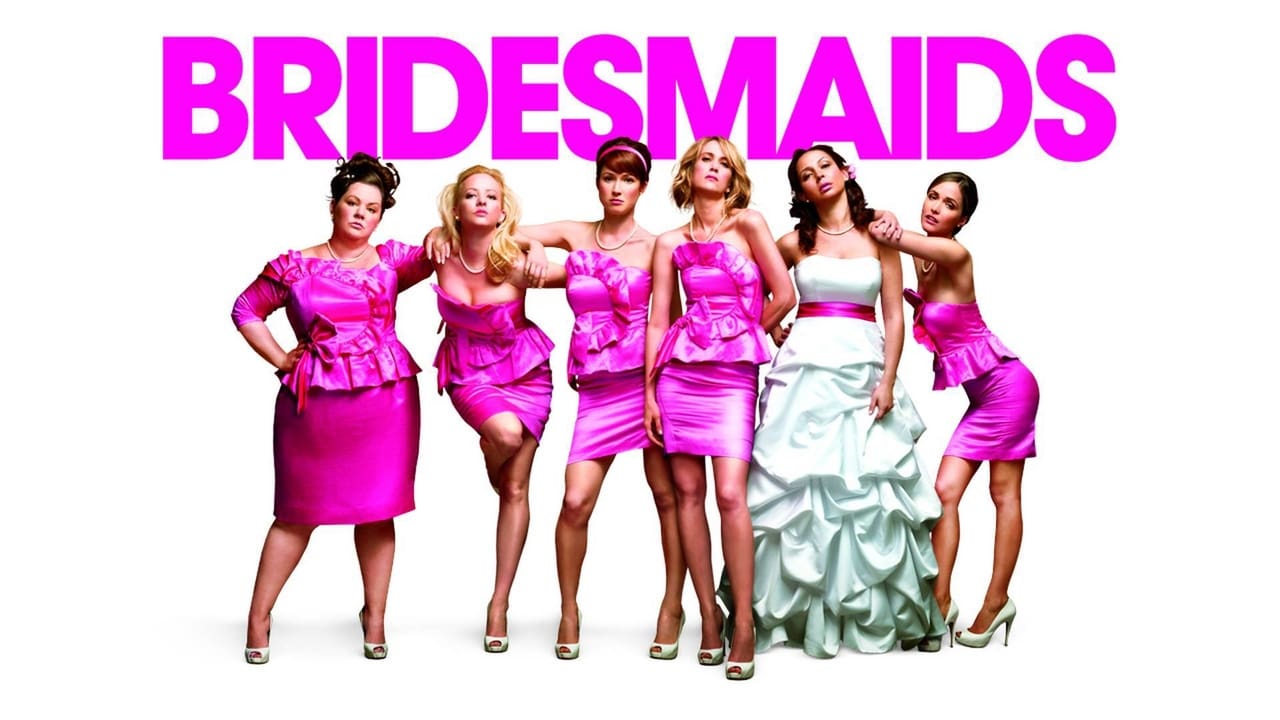
I watched this again last night while trying to peel a stubborn price tag off a new lamp, and the mounting frustration of the sticky residue felt weirdly aligned with Annie Walker’s internal monologue. That is the magic of this movie: it captures the specific, itchy anxiety of watching your life fall apart while everyone else is supposedly "leveling up."
The High Stakes of Sad Cupcakes
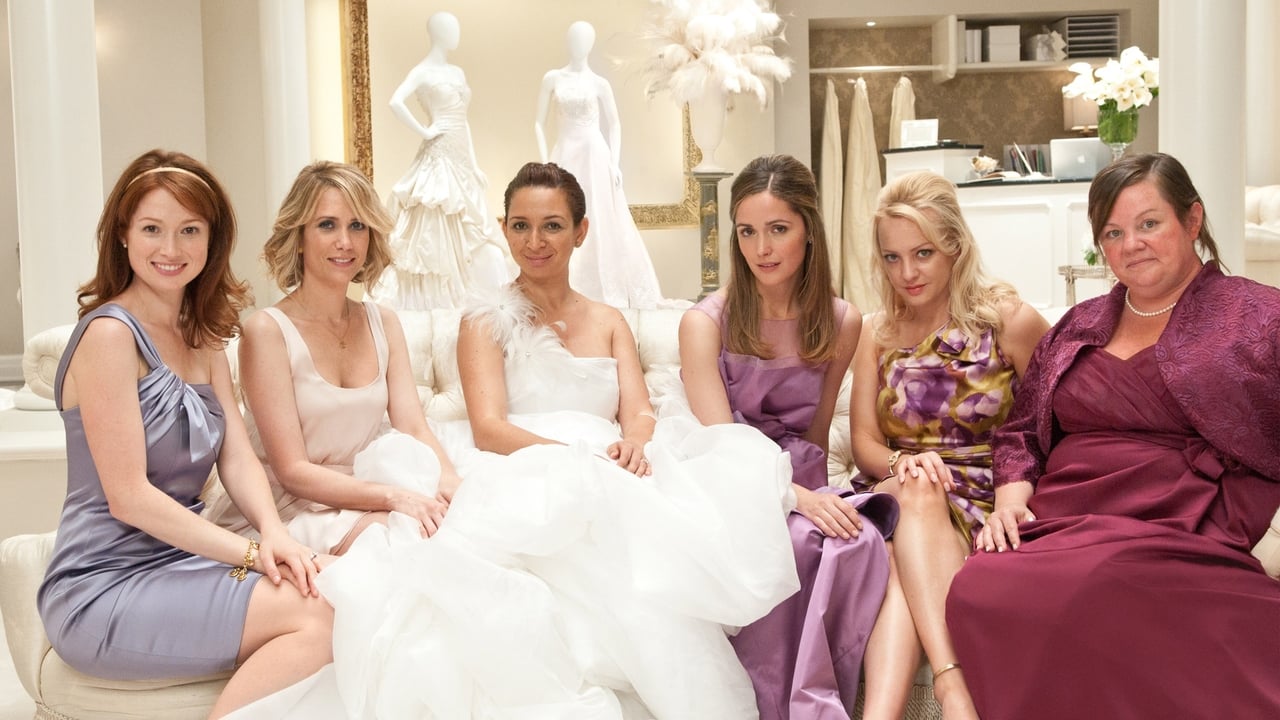
At its heart, Bridesmaids is a horror movie for anyone over thirty who feels behind in life. Kristen Wiig (who co-wrote the script with Annie Mumolo) plays Annie, a woman whose bakery has failed, whose "boyfriend" is a human garbage disposal played by Jon Hamm, and whose best friend Lillian (Maya Rudolph) just got engaged.
The direction by Paul Feig—who gave us the cult classic Freaks and Geeks—is smart enough to let the camera linger on Annie’s failures. We’ve all seen the "clumsy" rom-com lead who trips over a rug and looks adorable. Annie isn’t that. When she makes a single, elaborate, beautiful cupcake just to eat it alone in her pajamas, it’s a masterstroke of relatable misery. It’s the kind of scene that resonates because it’s not trying to be "funny" in a traditional sense; it’s just true.
The conflict arrives in the form of Helen (Rose Byrne), the "perfect" new friend who has the money, the hair, and the organizational skills to hijack Lillian’s wedding. Rose Byrne is a revelation here, playing Helen as a woman who is essentially a Disney villain in a Vera Wang dress. The passive-aggressive "toast-off" between Annie and Helen at the engagement party remains one of the best-edited comedic sequences of the last twenty years. You can feel the oxygen leaving the room.
The Supernova of McCarthy
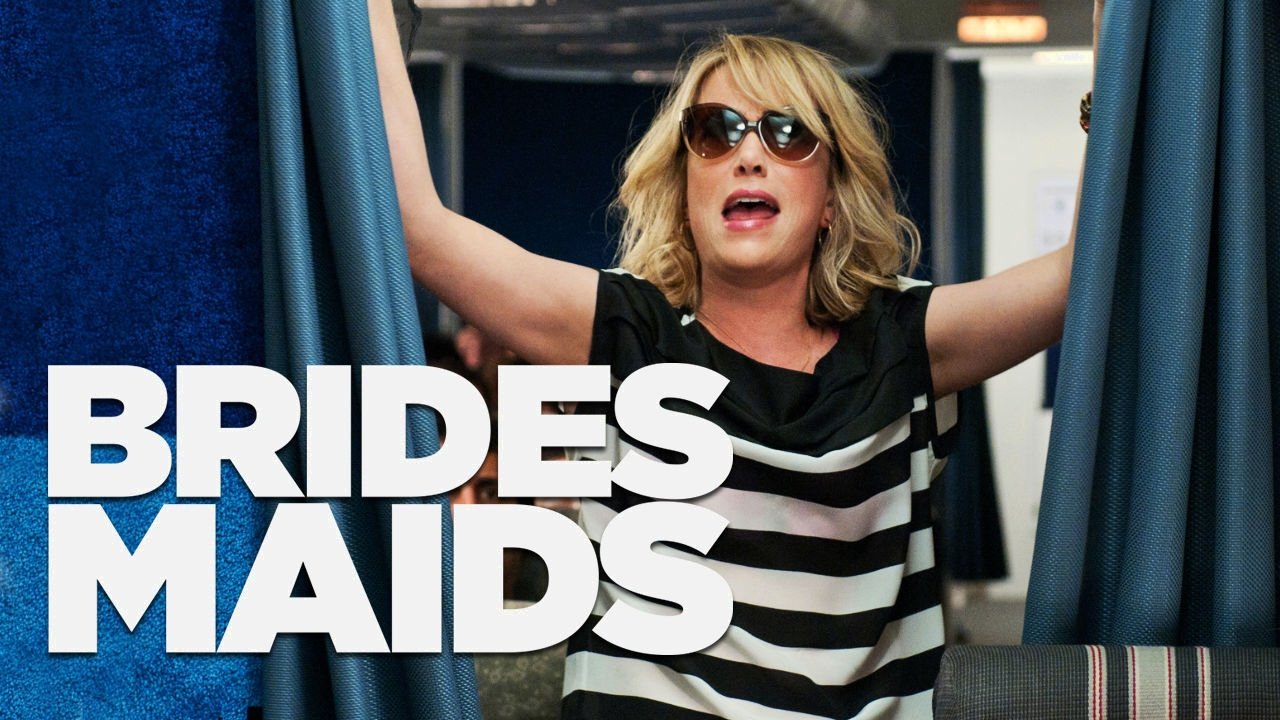
You can’t talk about this film without acknowledging the shift in the planetary alignment caused by Melissa McCarthy. As Megan, the sister of the groom, she provides the film’s chaotic neutral energy. Apparently, McCarthy based her character’s look and blunt attitude on Guy Fieri, which is the kind of behind-the-scenes trivia that makes me love the craft even more.
While the rest of the ensemble—including the dryly hilarious Wendi McLendon-Covey and the endearingly naive Ellie Kemper—play the "types" we expect at a bridal shower, Megan is the wild card. The scene on the plane where she interacts with Ben Falcone (her real-life husband) is a clinic in improvisation. Most romantic comedies treat women like porcelain dolls; this one treats them like demolition derbies.
Interestingly, the infamous food poisoning scene—the one involving a sink and a Brazilian steakhouse—wasn’t in the original script. Kristen Wiig and Annie Mumolo initially resisted the idea, but producer Judd Apatow and Paul Feig pushed for a high-octane physical comedy set piece. While some critics at the time thought it was "low-brow," I’d argue it’s the most honest moment in the film. Friendship is often about being at your absolute worst in front of someone who still loves you afterward.
Why the Giggles Still Hurt
Looking back from the 2020s, Bridesmaids feels like the peak of the "Apatow-era" comedy style: loose, improv-heavy, and long. At 125 minutes, it’s technically too long for a comedy, but I find I don't mind the bloat because I actually like spending time with these people. The chemistry between Wiig and Chris O’Dowd, who plays the charming Officer Rhodes, provides a necessary sweetness that keeps the movie from becoming too cynical. O’Dowd is the "nice guy" trope done right—he has a personality beyond just being "the guy."
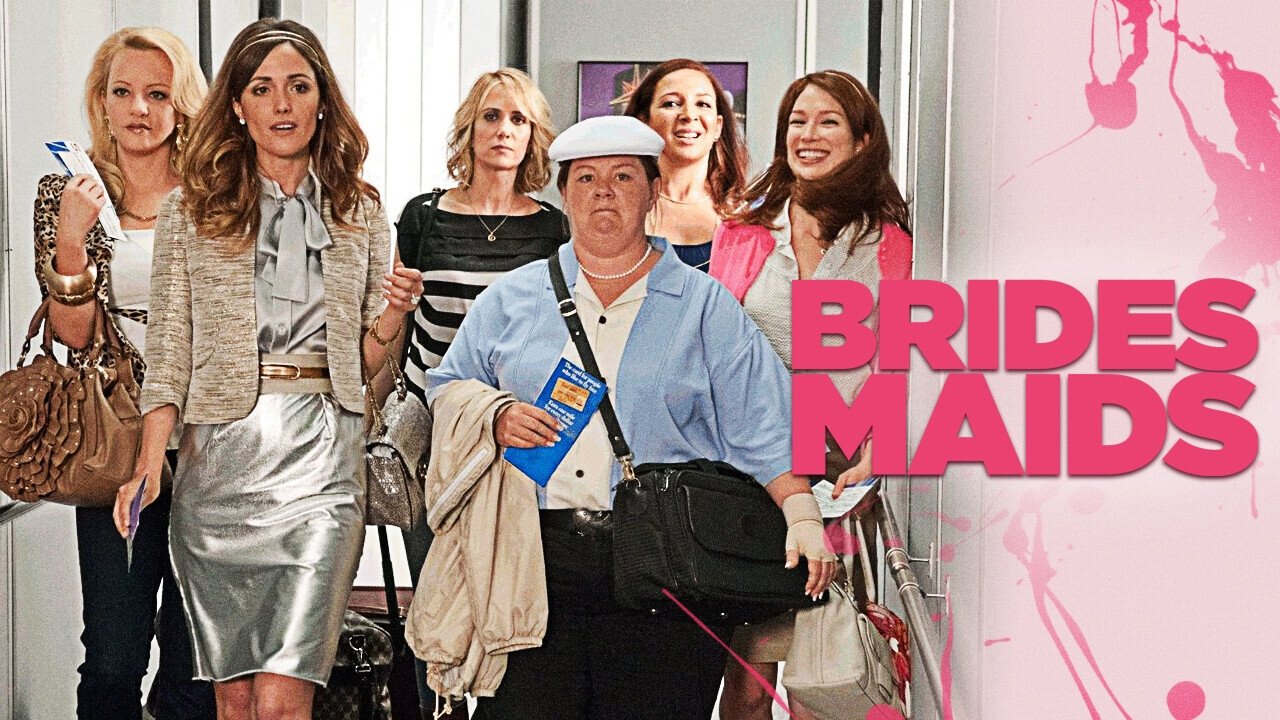
The film’s financial impact was staggering. On a $32 million budget, it hauled in over $288 million worldwide. It proved to a skeptical Hollywood that female-led comedies weren't just "niche"—they were blockbuster material. It even secured two Oscar nominations, including a Best Supporting Actress nod for McCarthy, which is almost unheard of for a movie that features a joke about a chocolate fountain.
What holds up best isn't the gross-out humor, though. It’s the quiet moments of jealousy and the terrifying feeling of being replaced. Annie Walker is the patron saint of the "hot mess" generation, and watching her navigate the minefield of bridesmaids' dresses and Parisian-themed showers is just as cathartic today as it was in 2011.
Bridesmaids is more than just a collection of great improvised riffs; it’s a film with a genuine soul. It captures that specific era of the early 2010s where we were transitioning out of the glossy, unrealistic rom-coms of the 90s into something much more grounded and gritty. It’s loud, it’s gross, and it’s occasionally heartbreaking. It’s exactly what a movie about friendship should be.
Keep Exploring...
-
The Heat
2013
-
Love & Other Drugs
2010
-
Pitch Perfect
2012
-
Blended
2014
-
Juno
2007
-
Knocked Up
2007
-
Music and Lyrics
2007
-
27 Dresses
2008
-

Forgetting Sarah Marshall
2008
-

High School Musical 3: Senior Year
2008
-
What Happens in Vegas
2008
-

17 Again
2009
-

Hannah Montana: The Movie
2009
-
He's Just Not That Into You
2009
-
The Proposal
2009
-
Friends with Benefits
2011
-
No Strings Attached
2011
-
Silver Linings Playbook
2012
-
Warm Bodies
2013
-
The Other Woman
2014