Captain America: The First Avenger
"A sepia-toned, heartfelt embrace of old-school heroism before the world got complicated."
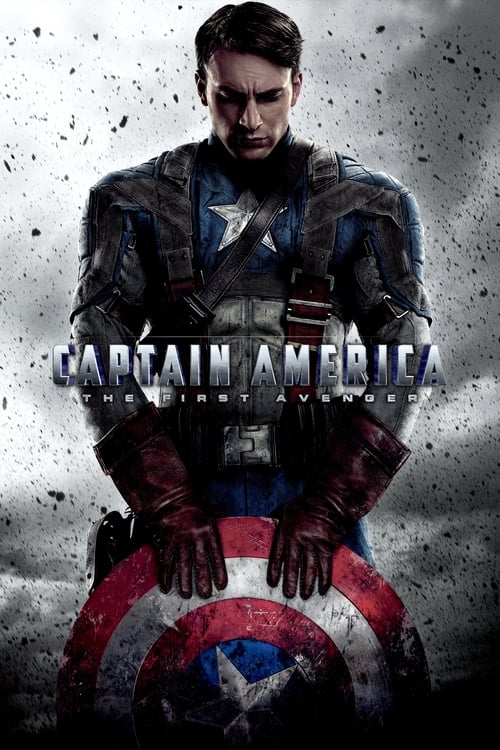
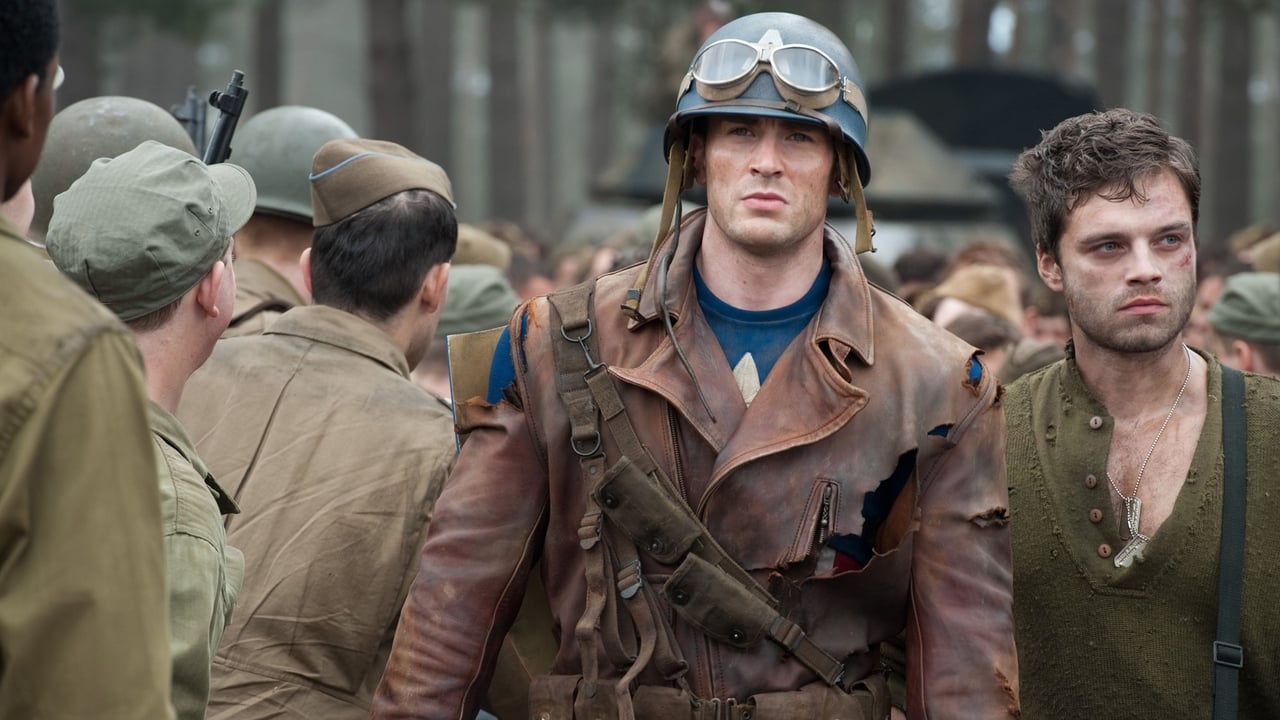
The first time I saw Steve Rogers’ tiny, hollowed-out chest on the big screen in 2011, I felt a genuine pang of physical discomfort. It wasn't just the CGI—which was, and still is, a staggering feat of digital plastic surgery—it was the vulnerability. I remember sitting in a theater in a humid July, my sneakers sticking to the floor because someone had spilled a gallon of cherry ICEE, and realizing that Joe Johnston wasn't making a modern action movie. He was making a 1940s adventure that just happened to have a $140 million budget.
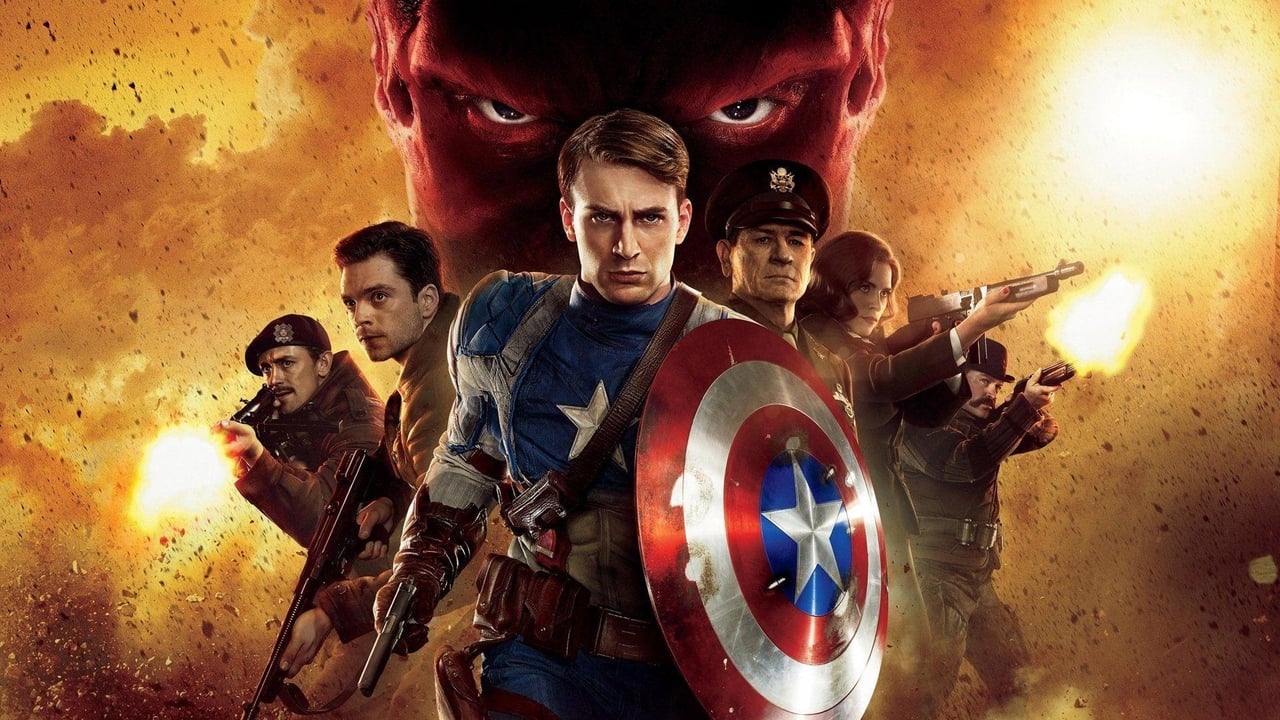
In an era where every hero was trying to be "dark and gritty" to chase the ghost of The Dark Knight, Captain America: The First Avenger felt like a defiant, sun-drenched outlier. It was the last moment of pure sincerity before the Marvel Cinematic Universe became an inescapable sprawling monolith. Looking back, it’s the most "human" film in the entire franchise, mostly because it spends its first forty minutes falling in love with a guy who can’t even win a fight against a trash can lid.
The Digital Alchemy of Skinny Steve
The "Skinny Steve" effect remains one of the most impressive uses of technology from that transitional 2010-era. They didn't just paste Chris Evans’ head on a body double; they used a process of "shrinking" Evans himself, frame by frame, to ensure his skeletal structure moved like a man who had spent his life fighting asthma and bullies. I’ve always found it funny that the studio spent millions making a handsome movie star look like he hadn't seen a carb since the Great Depression, but it was essential. If we didn’t believe in the 90-pound weakling, the 200-pound super-soldier wouldn't have mattered.
Chris Evans famously turned down the role three times before saying yes. He was terrified of the multi-picture contract, and honestly, I get it. At the time, he was the "funny guy" from Fantastic Four and Scott Pilgrim vs. the World. But he found something here that few actors can pull off: he made "earnestness" cool. My hot take? Playing a genuinely good person without being a boring cardboard cutout is the hardest acting job in Hollywood. Evans imbues Steve with a quiet dignity that keeps the film grounded even when he’s jumping onto moving motorcycles or fighting a guy with a literal red skin-mask.
A Shield for a Simpler Time
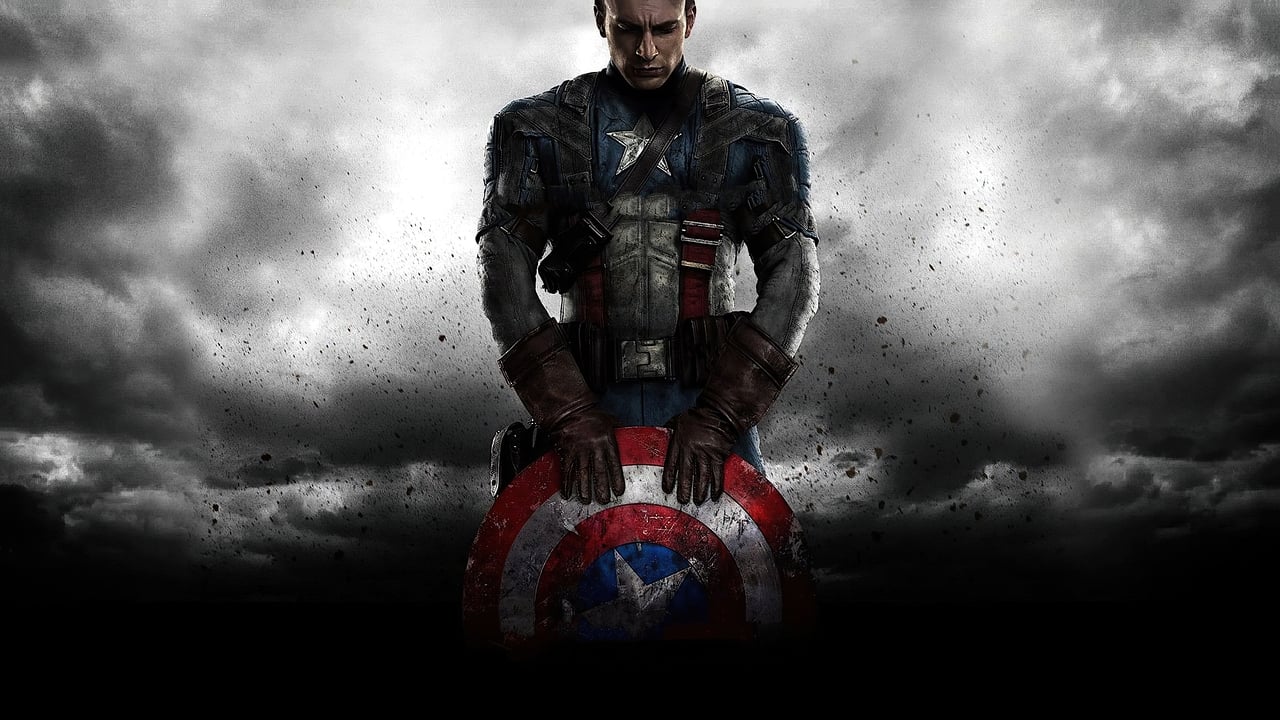
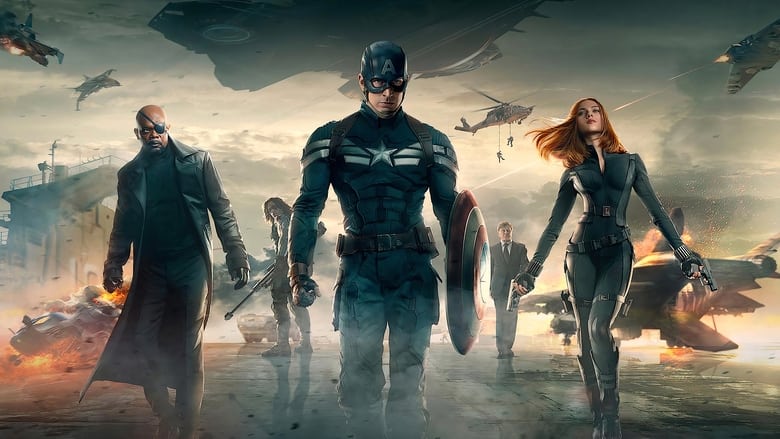
The action choreography here is a far cry from the sleek, bone-crunching "shaky cam" of the later Captain America: The Winter Soldier. Under the direction of Joe Johnston—who cut his teeth on The Rocketeer and Jurassic Park III—the fights feel like something out of an Indiana Jones film. There’s a weight to the shield throws, a certain "clank" to the explosions, and a wonderful reliance on practical sets that make the 1940s feel lived-in.
I love the "Star-Spangled Man" montage. It’s a brilliant meta-commentary on the character’s history, turning a potential cheesiness into a plot point. Steve isn't a hero yet; he’s a mascot. The movie acknowledges that the costume is ridiculous, but by the time he’s leading the Howling Commandos through the snowy Alps, you’re ready to follow that goofy helmet anywhere. Hugo Weaving as Johann Schmidt is the perfect scenery-chewing foil. He’s essentially playing a Bond villain with a Norse mythology fetish, and his performance is a reminder that sometimes you just need a villain who is unrepentantly evil.
The Heart Under the Vibranium
The real secret weapon, though, is Hayley Atwell as Peggy Carter. Their chemistry is the only reason the ending of this movie—and the ending of Avengers: Endgame years later—works at all. There’s a moment where Peggy instinctively touches Steve’s chest after the transformation; apparently, Atwell's reaction was unscripted, as she’d never seen Evans shirtless after his bulk-up and was genuinely startled. That one moment of human magnetism sells the tragedy of their "late date" more than any ten pages of dialogue could.

Looking back, the film’s post-9/11 context is fascinating. It arrived at a time when American audiences were grappling with cynicism and complicated wars. The First Avenger provided a nostalgic escape to a war that (in cinema, at least) had clear lines between good and evil. It’s also filled with the kind of trivia fans obsess over: the fact that Sebastian Stan originally auditioned for Steve Rogers but ended up as Bucky, or the way Dominic Cooper perfectly channeled a young, flirtatious Howard Stark to bridge the gap to Robert Downey Jr.
Captain America: The First Avenger is a rare blockbuster that prioritizes character over spectacle. It’s the origin story of a heart, not just a hero. While the final act gets a bit bogged down in generic laser-fights inside a giant wing, the emotional core—the kid from Brooklyn who just doesn't like bullies—remains the gold standard for how to introduce a legend. It’s a beautifully shot, wonderfully acted piece of pulp fiction that hasn't aged a day since 2011.
Keep Exploring...
-
Captain America: The Winter Soldier
2014
-
Captain America: Civil War
2016
-

Jurassic Park III
2001
-

The Rocketeer
1991
-
Jumper
2008
-
Push
2009
-
The Incredible Hulk
2008
-

Star Trek
2009
-
TRON: Legacy
2010
-

X-Men: First Class
2011
-
John Carter
2012
-
The Hunger Games
2012
-

Ender's Game
2013
-
Man of Steel
2013
-
Oblivion
2013
-
Pacific Rim
2013
-
Star Trek Into Darkness
2013
-
X-Men: Days of Future Past
2014
-
The Matrix Revolutions
2003
-
Captain America: Brave New World
2025