Carnage
"Civility is a very thin coat of paint."
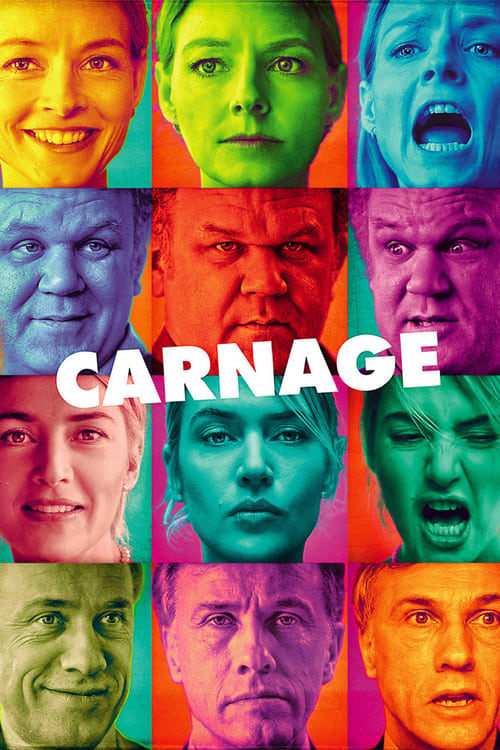
If you’ve ever wanted to watch four of the greatest actors of their generation slowly devolve into barking seals over a plate of cobbler, Carnage is your ticket to the circus. It is a film that takes the concept of a "social contract" and puts it through a woodchipper for eighty glorious, claustrophobic minutes. Watching it again recently, while unsuccessfully trying to scrape a bit of dried candle wax off my coffee table with a fingernail, I was struck by how much we’ve lost by moving away from these mid-budget, high-concept "chamber pieces" in the streaming era.

Released in 2011, Carnage arrived at the tail end of that glorious window where you could still get a massive studio to bankroll a movie that never leaves a single Brooklyn apartment. Of course, the "Brooklyn" in question was actually a soundstage in Paris. Because of Roman Polanski’s well-documented legal status, the entire production had to be uprooted to Europe. You’d never know it, though. The art direction is so pinpoint-accurate to a specific kind of "enlightened" liberal intellectualism—the kind where the coffee table books are curated specifically to signal a soul—that you can practically smell the fair-trade espresso.
A Masterclass in Passive-Aggressive Warfare
The premise is deceptively simple: two sets of parents meet to discuss a playground scuffle between their sons. One kid hit the other with a stick. No big deal, right? We’ll just sign a statement, have some cobbler, and be on our way. But the screenplay, co-written by Polanski and Yasmina Reza (who wrote the original play, God of Carnage), understands that humans are essentially territorial primates in better clothes.
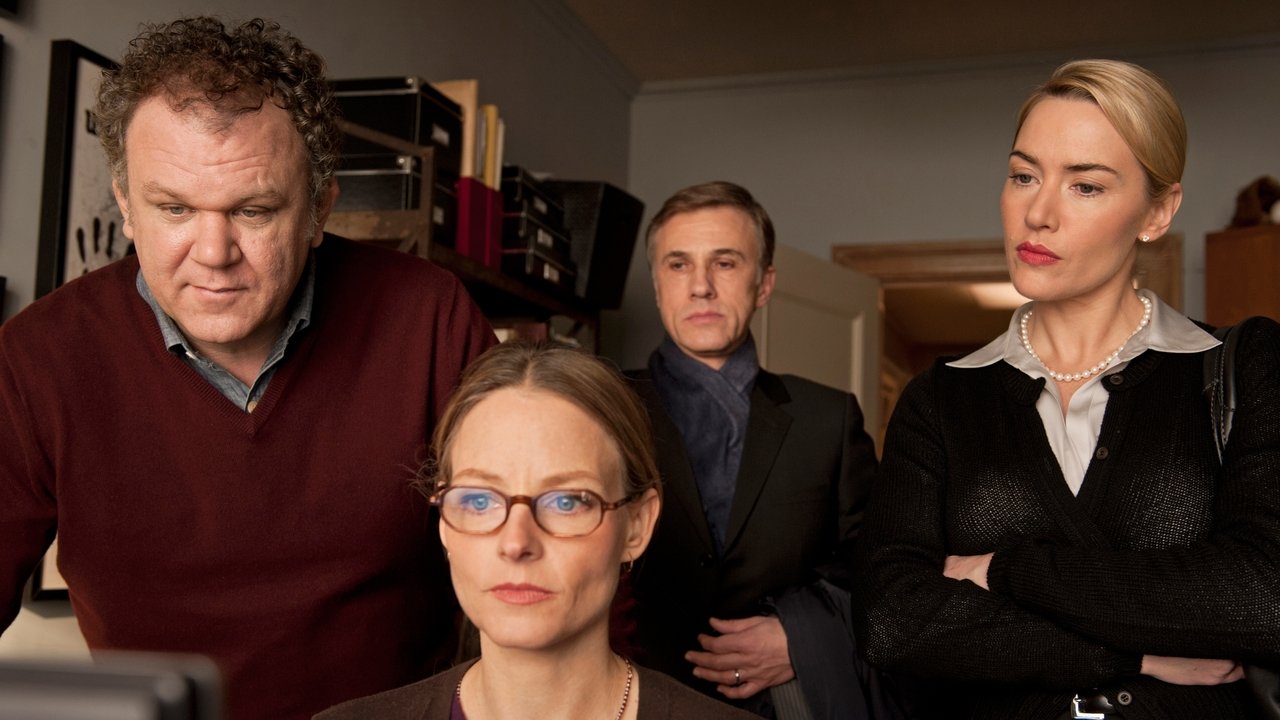
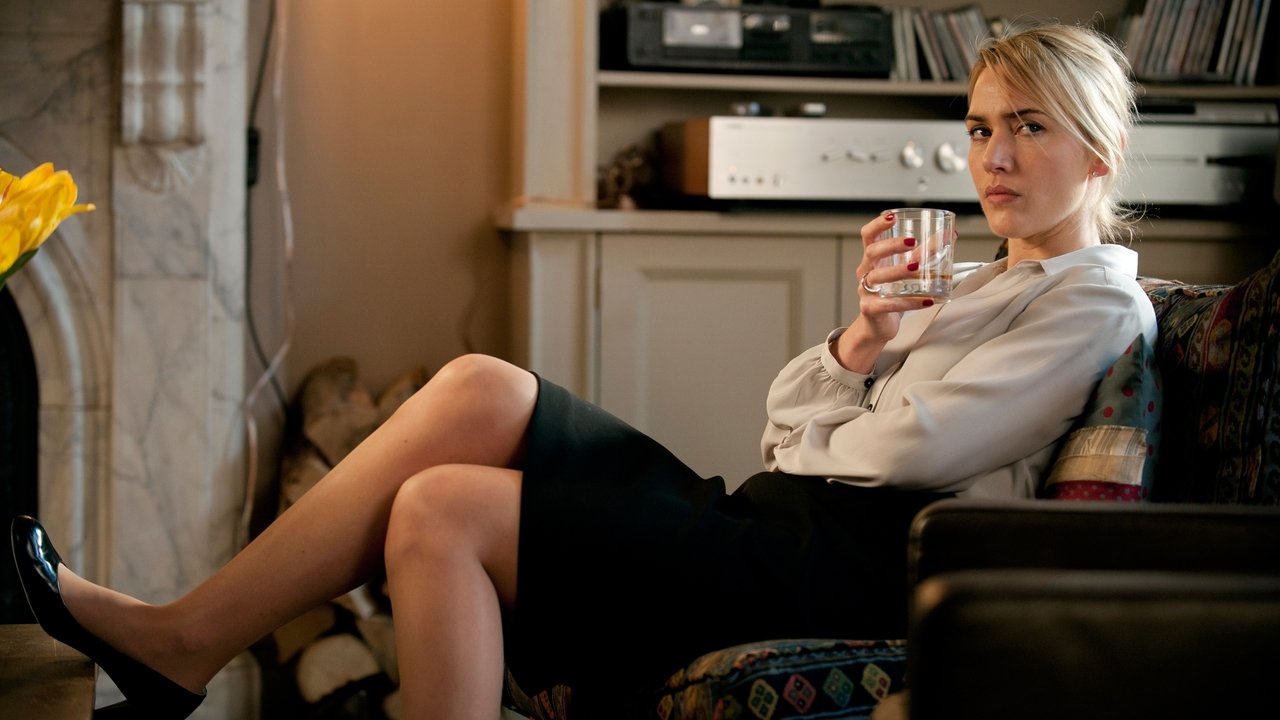
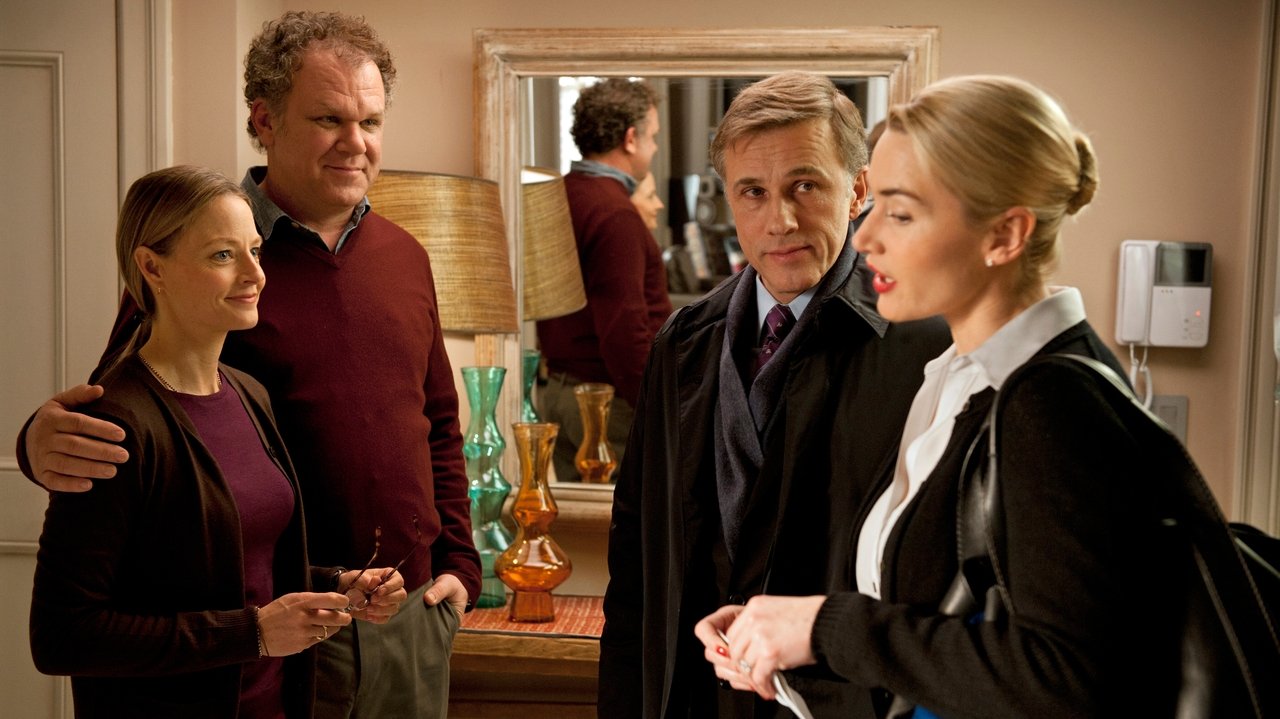
The cast is a sheer embarrassment of riches. Jodie Foster plays Penelope, a woman who is so performatively virtuous that she seems to be physically vibrating with moral superiority. Opposite her is John C. Reilly as Michael, the "common man" husband who just wants everyone to get along until his inner Neanderthal is poked one too many times. Then we have the visitors: Christoph Waltz as Alan, a corporate lawyer who is surgically attached to his Blackberry, and Kate Winslet as Nancy, an investment broker who is desperately trying to maintain a facade of poise.
Watching these people interact is like witnessing a four-way car crash in slow motion where everyone is screaming about fair trade coffee. The power dynamics shift every ten minutes. First, it’s the Longstreets vs. the Cowans. Then it’s the men vs. the women. Then it’s everyone vs. Christoph Waltz’s cell phone. Waltz is particularly brilliant here; he treats the other three like annoying bugs he’s waiting to squash, and his breezy dismissal of the entire situation is the catalyst for the chaos.

Behind the Scenes of the Breakdown
Part of the fun of Carnage is the trivia that underscores just how tightly wound this production was. Because it’s a real-time film, the continuity was a nightmare. Every time a character took a sip of juice or moved a pillow, it had to be tracked across the entire shoot. I heard that the actors actually spent weeks rehearsing in the apartment before a single frame was shot, which explains why the chemistry feels so lived-in and, eventually, so toxic.
There’s also the infamous "vomit" scene. Without spoiling too much, Kate Winslet has a moment of physical distress that is both hilarious and genuinely revolting. Turns out, the "prop" was a hidden mechanism that sprayed a mixture of peach nectar and oatmeal. Winslet later joked that her kids were on set that day and found the whole thing legendary. It’s the turning point of the film—the moment where the "no manners" comedy shifts from verbal sparring to physical absurdity.
One detail I love: the boy who plays the "victim" in the playground fight, Eliot Berger, is actually the son of the film's producer, and the "aggressor" is played by Elvis Polanski, the director’s son. It’s a family affair that ends in a broken tooth and a shattered social hierarchy.
Why This Cult Gem Still Bites
Looking back from the 2020s, Carnage feels like a time capsule of the early 2010s "prestige" era. It was a time when the DVD market was still healthy enough that a movie like this could thrive on "Special Features" alone. I remember the DVD extras showing how they used digital trickery to make the Parisian windows look like a Brooklyn street—a subtle use of CGI that holds up far better than the blockbuster explosions of the same year.
The film is a "cult classic" not because it’s weird or obscure, but because it’s so relentlessly mean-spirited in its honesty. It exposes the fact that we’re all just one bad afternoon away from throwing someone’s cell phone into a vase of tulips. Jodie Foster’s Penelope is a human migraine in a sensible cardigan, and seeing her finally snap is one of the most satisfying things I’ve seen on screen in years. It’s a drama that acts like a horror movie, where the monster is just the person sitting across from you.
In an era of three-hour epics and endless franchise building, there is something deeply refreshing about a movie that says what it needs to say in 80 minutes and gets out. It’s sharp, it’s nasty, and it’s deeply funny in a way that makes you feel a little bit guilty for laughing. If you’ve ever been stuck in a social situation you couldn’t escape, Carnage will feel like a documentary. Just maybe skip the cobbler while you’re watching.
Keep Exploring...
-

The Ghost Writer
2010
-

Stranger Than Fiction
2006
-

High School Musical 2
2007
-

The Darjeeling Limited
2007
-

3 Idiots
2009
-

(500) Days of Summer
2009
-

A Serious Man
2009
-

Adventureland
2009
-
Mary and Max
2009
-

It's Kind of a Funny Story
2010
-

Letters to Juliet
2010
-

Life As We Know It
2010
-
50/50
2011
-

Moonrise Kingdom
2012
-

Seeking a Friend for the End of the World
2012
-

What If
2013
-

Begin Again
2014
-

Inherent Vice
2014
-

Magic in the Moonlight
2014
-

The Bélier Family
2014