Contagion
"Don’t talk to anyone. Don’t touch anything."
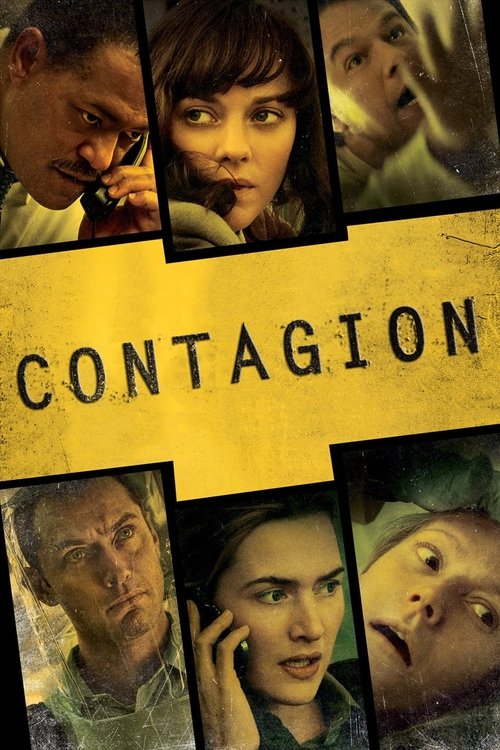
The sound that defines Steven Soderbergh’s Contagion isn’t a scream or an explosion; it’s a wet, ragged cough. It’s the sound of Gwyneth Paltrow (fresh off her Iron Man high) looking pale and clammy in a Chicago airport, touching a bowl of peanuts that suddenly looks like a biological weapon. In 2011, this felt like a high-concept thriller from the man who gave us Traffic and Ocean's Eleven. Today, it feels like a documentary that someone accidentally sent back in time.
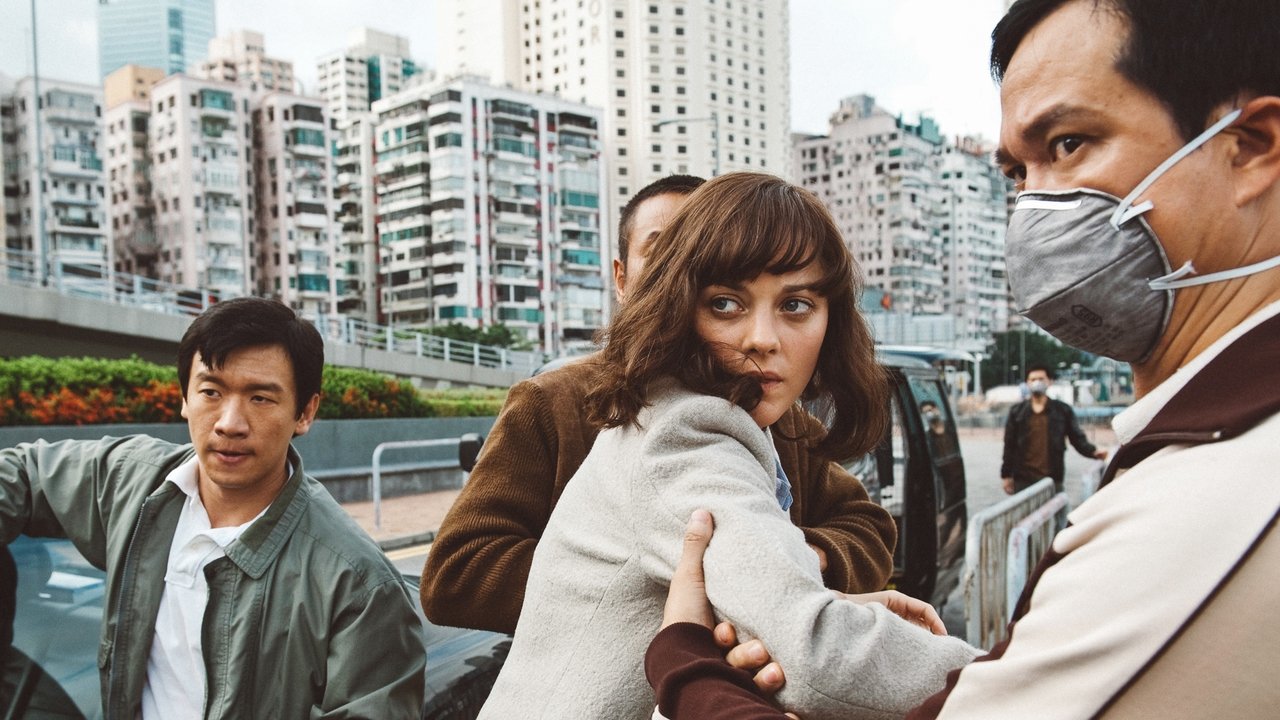
I watched this recently on my laptop while drinking a lukewarm ginger ale, and every time a character on screen touched an elevator button, I subconsciously wiped my own trackpad with my sleeve. That is the "Soderbergh Effect"—he makes the mundane feel murderous.
The Microscope Aesthetic
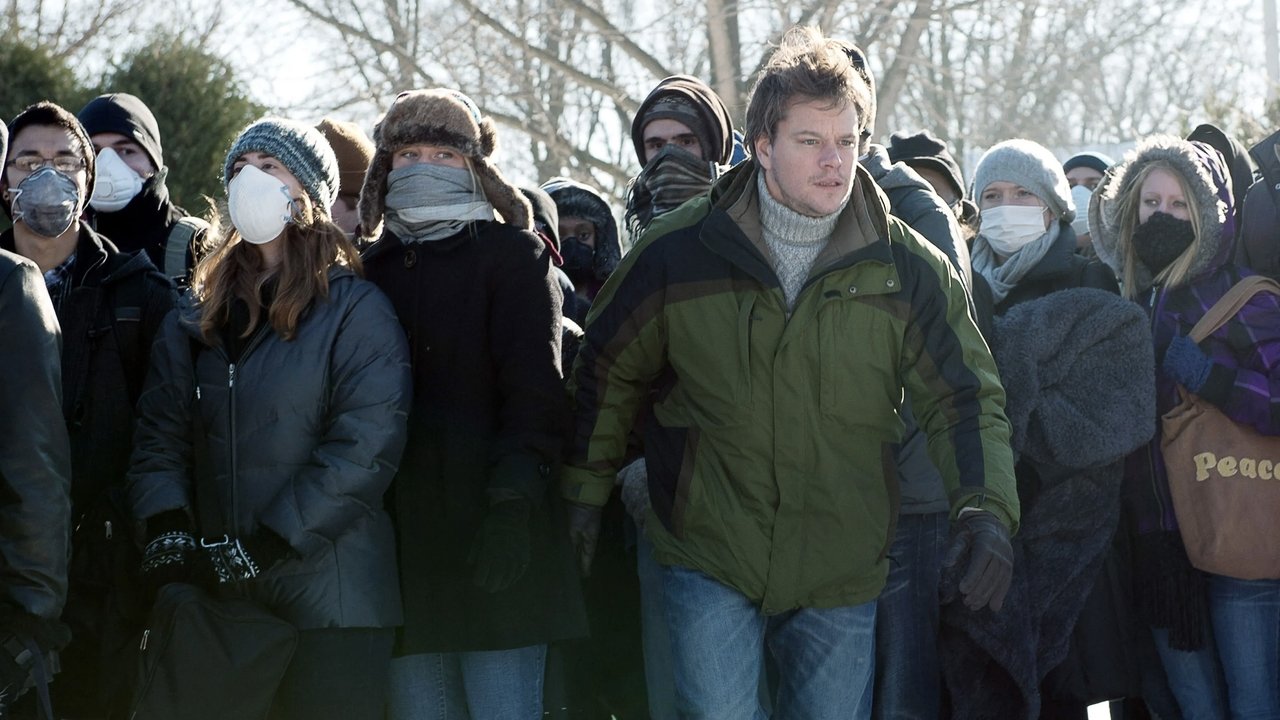
What strikes me most about Contagion, especially looking back from our current vantage point, is how aggressively it avoids Hollywood melodrama. In the 2000s and early 2010s, we were used to disaster movies like 2012 or The Day After Tomorrow, where a hero chases a cloud of frost or a CGI wave. Soderbergh went the other way. He shot this on early RED digital cameras, giving the whole film a sterile, fluorescent-light-in-a-hospital-hallway glow. It’s cold, clinical, and terrifyingly efficient.
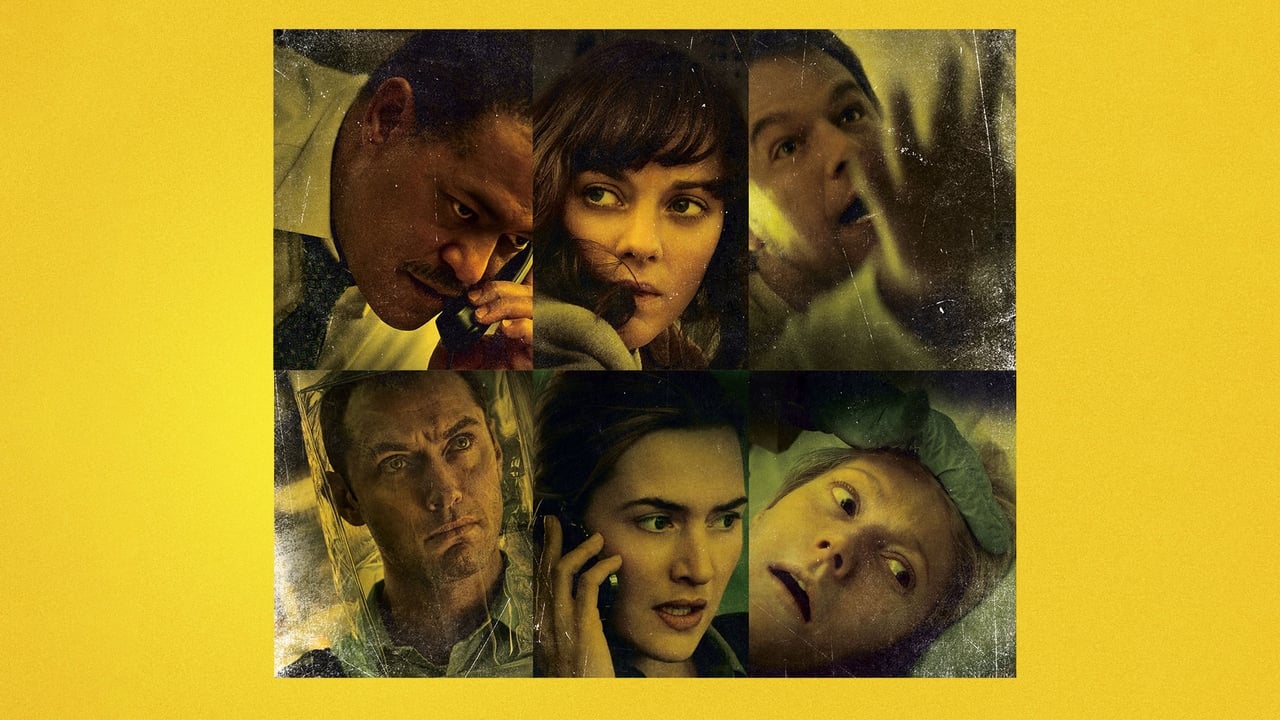
The film moves with the same relentless speed as the MEV-1 virus it depicts. There’s no "chosen one" here. Instead, we get a fragmented look at a collapsing world through the eyes of the people trying to hold the stitches together. Laurence Fishburne brings a weary, authoritative weight to Dr. Ellis Cheever, while Kate Winslet plays Dr. Erin Mears with a focused desperation that provides the film's most heartbreaking pivot point. Winslet is the one who explains "fomites"—the surfaces that transmit disease—and she does it with such clarity that the movie essentially turns your own TV remote into a source of existential dread.
The Drama of the Unseen
While the science is the engine, the drama is found in the silence. Matt Damon delivers one of his most underrated performances as Mitch Emhoff, a man whose only superpower is being immune and having a teenage daughter to protect. There’s a scene where he tries to organize a prom in his living room because the world has ended outside, and it’s arguably more moving than any of his "Bourne" brawls. He captures that specific, paralyzed suburban fear perfectly.
Then there’s the flip side of the coin: the misinformation. Jude Law plays Alan Krumwiede, a conspiratorial blogger with a prosthetic snaggletooth and a massive chip on his shoulder. Looking back, this performance is hauntingly prescient. Jude Law’s snaggletooth is an acting choice that deserves its own IMDb page, but his character’s exploitation of fear for "clicks" (a word we were just starting to use back then) is the most grounded "villain" arc in 2010s cinema.
The film doesn’t cheat. It doesn't give us a miracle cure in the final five minutes found by a guy in a lab coat who just happens to be a genius. It shows the grit: the bureaucratic red tape, the agonizing wait for a vaccine, and the logistical nightmare of distributing it. Jennifer Ehle, as the scientist Ally Hextall, is the quiet MVP here. Her performance is a masterclass in subtlety; she conveys more intelligence and bravery by simply testing a syringe on her own leg than most action stars do in a two-hour runtime.
A Cult Classic by Accident
Contagion was a modest success in 2011, but its journey to "cult" status is unique. It didn't find its following at midnight screenings or through ironic memes. It became a cult classic because the world caught up to the script. Turns out, writer Scott Z. Burns did his homework so well that the CDC actually used the film as a sort of public relations tool.
The production trivia is just as clinical as the film itself. To get the "look" of the virus right, the team consulted top-tier epidemiologists, and Gwyneth Paltrow actually had to lie on a cold metal table while a prosthetic of her own scalp was peeled back for the autopsy scene. That’s the kind of commitment to "the gross truth" that makes this more than just another thriller.
The film also captures a specific moment in the digital revolution. This was an era where we were starting to realize that the internet could spread panic faster than a sneeze, but we hadn't quite figured out how to fight back against it. It’s a snapshot of Y2K-era tech anxiety maturing into something much more cynical and real.
Soderbergh crafted something that is simultaneously hard to watch and impossible to turn off. It’s a thriller that relies on math and biology rather than car chases, proving that the most terrifying thing about this movie isn't the virus; it's how quickly we run out of frozen dinners. It’s lean, smart, and features an ensemble cast that actually feels like a functioning society rather than a group of stars fighting for screen time. If you haven’t revisited it lately, do so—just maybe keep some hand sanitizer nearby.
Keep Exploring...
-
Side Effects
2013
-
Elysium
2013
-
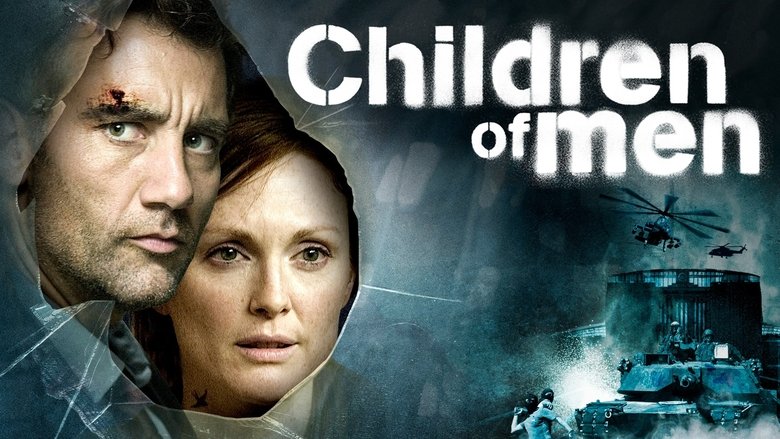
Children of Men
2006
-
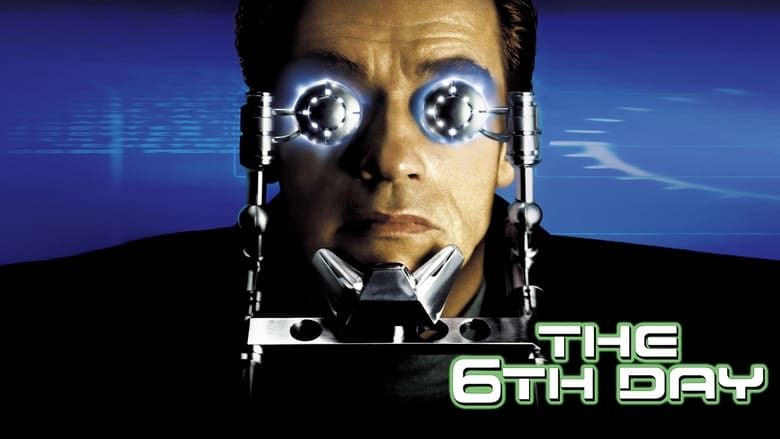
The 6th Day
2000
-
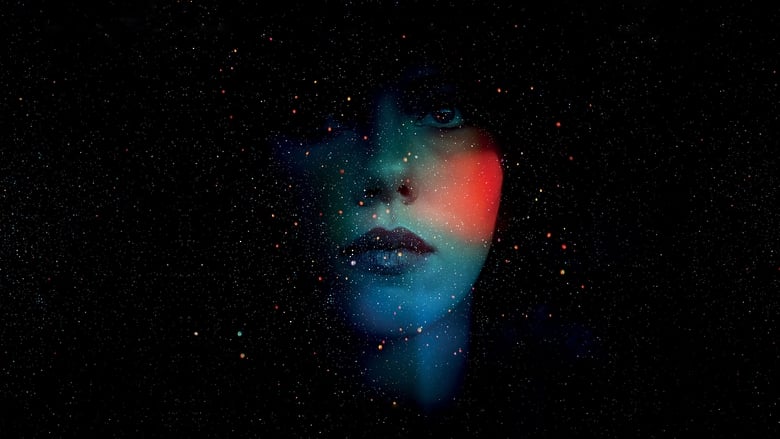
Under the Skin
2014
-
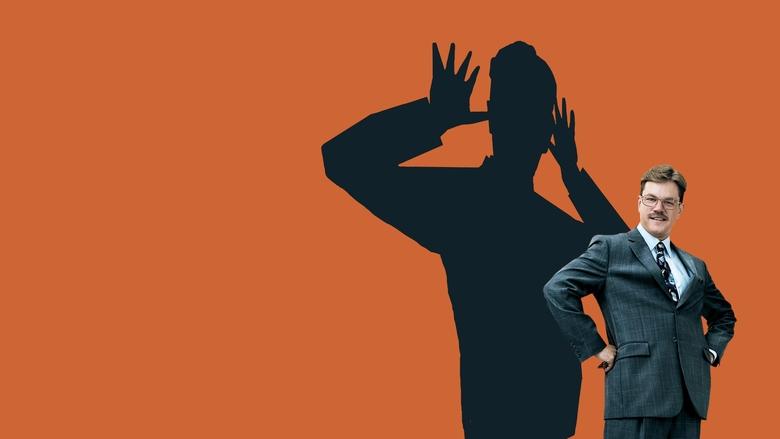
The Informant!
2009
-

Traffic
2000
-
Solaris
2002
-
I Am Legend
2007
-
Ocean's Thirteen
2007
-
Rise of the Planet of the Apes
2011
-
Total Recall
2012
-
Gravity
2013
-
Dawn of the Planet of the Apes
2014
-
Transcendence
2014
-
Ocean's Eleven
2001
-

The Day the Earth Stood Still
2008
-
Carriers
2009
-
Monsters
2010
-
Drive
2011