Cowboys & Aliens
"High Noon. Deep Space. Dead Silence."
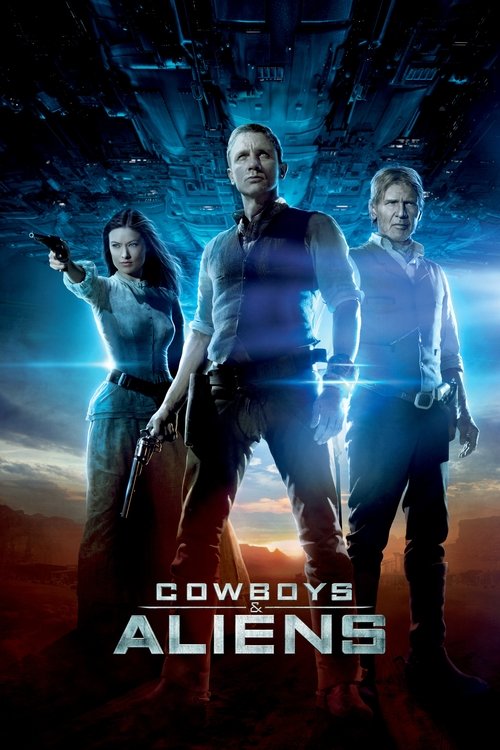
If you walked into a pitch meeting in 2010 and said, "I want to make a movie called Cowboys & Aliens, but I want it to be as serious as Unforgiven," you’d probably be laughed out of the room. Unless, of course, you were Jon Favreau coming off the massive success of Iron Man. On paper, this is the ultimate B-movie premise—the kind of thing you’d find on a dusty VHS shelf between Mega Shark vs. Giant Octopus and Critters 4. But Favreau, backed by producers Steven Spielberg and Ron Howard, decided to play it completely straight.
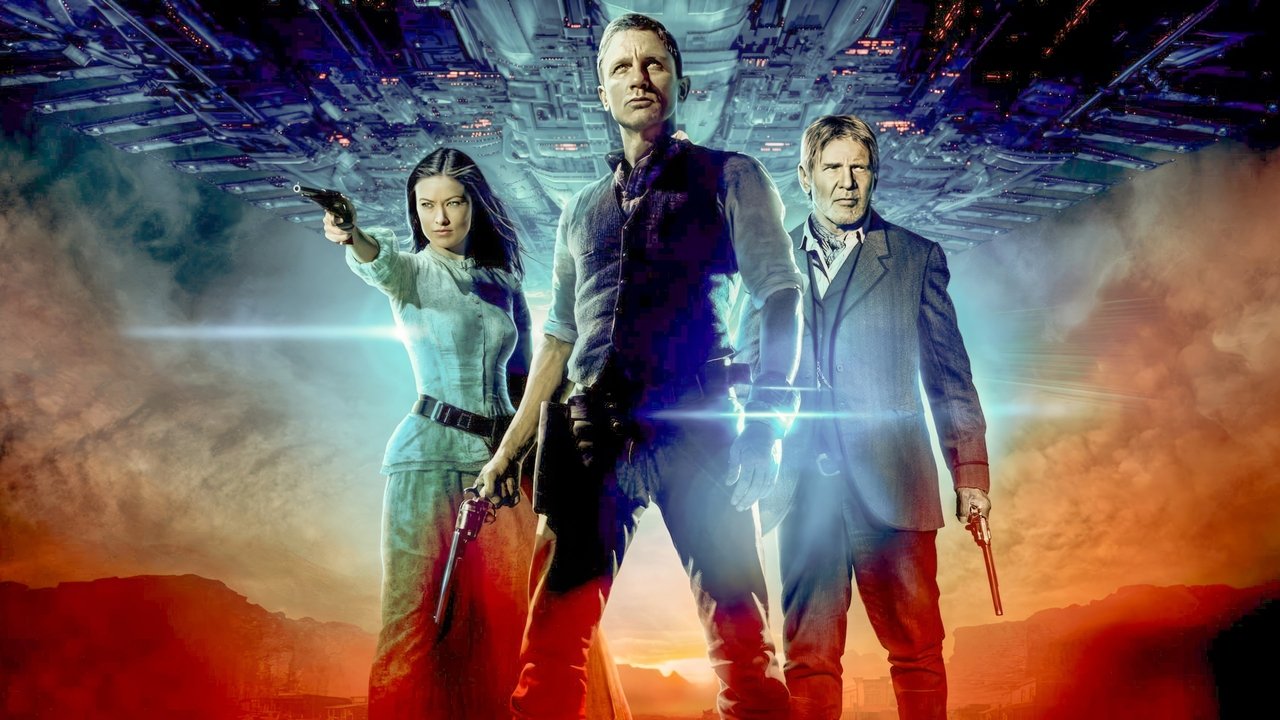
I’ll admit, the first time I sat down to watch this, I was eating a bag of slightly stale pretzels and waiting for the "wink." I kept expecting Daniel Craig to drop a quip or for an alien to do something campy. It never happens. The film’s refusal to acknowledge how ridiculous its title is remains its most fascinating, and arguably its most polarizing, quality.
The Dissonance of Serious Sci-Fi
Released in 2011, Cowboys & Aliens arrived at a strange crossroads in cinema. We were deep into the "gritty reboot" era, but the Marvel Cinematic Universe was just starting to teach audiences to expect levity with their spectacle. This movie chose a different path: it’s a legitimate Western that just happens to have lasers. The first forty minutes feel like a classic John Ford production. The cinematography by Matthew Libatique (Black Swan, Requiem for a Dream) is stunning, capturing the New Mexico landscape with a golden, dusty reverence that makes the eventual arrival of the "demons" feel genuinely intrusive.
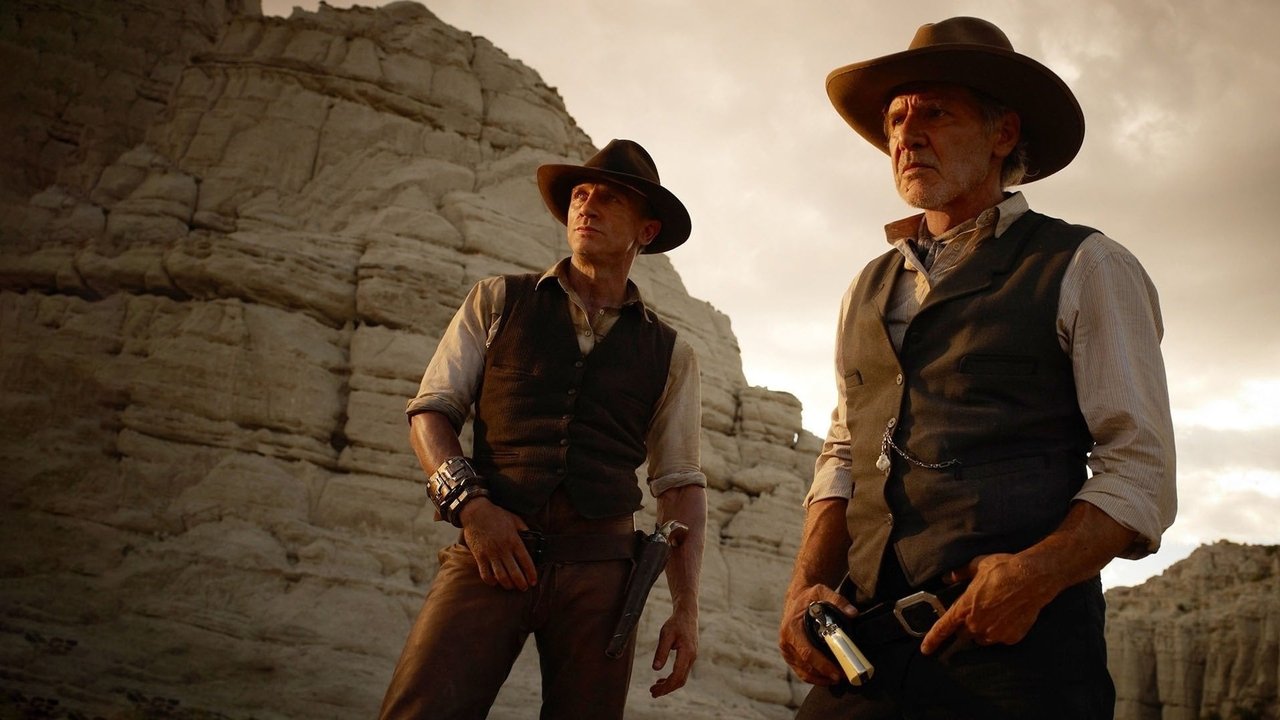
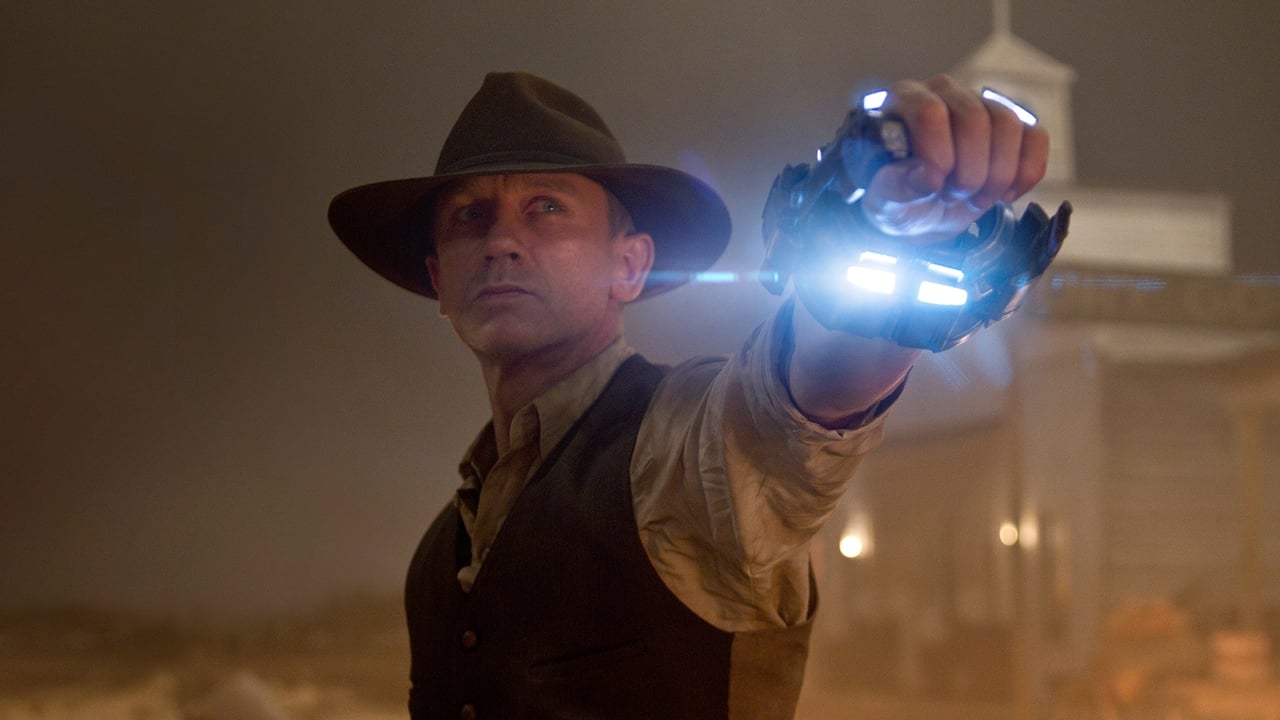
The plot kicks off with Daniel Craig as Jake Lonergan, a man who wakes up with no memory and a high-tech shackle on his wrist. Craig basically plays a silent, lethal version of James Bond if he were dropped into 1873. He doesn't say much, which is fine, because his physical presence does the heavy lifting. When he eventually wanders into the town of Absolution, the movie shifts into a tense character study of a frontier community under the thumb of Colonel Dolarhyde, played by a gloriously grumpy Harrison Ford.
Looking back, Ford’s performance is a highlight. This was right before he entered his "Legacy Sequel" phase with Star Wars and Blade Runner 2049, and you can tell he’s having a blast playing a mean-spirited, cattle-ranching jerk who eventually has to find his soul. The chemistry between the two leads is basically just two very intense men squinting at each other, but in the context of a Western, that's exactly what you want.

Practical Dirt and Digital Stars
One of the reasons Cowboys & Aliens has aged better than many of its 2011 contemporaries—looking at you, Green Lantern—is the heavy reliance on practical effects and locations. The town of Absolution was built from the ground up in New Mexico, and the dust you see on the actors' faces isn't a digital filter; it’s the real deal. Favreau reportedly insisted on a "no winking" rule on set, and that extended to the action.
The first alien attack is a masterclass in tension. Instead of a full-scale invasion, we get small, scout-like ships that "lasso" townsfolk from the sky. The sound design here is incredible; the screech of the alien engines feels alien to the setting, piercing through the quiet desert night. It captures a specific post-9/11 anxiety that permeated action films of this era—the idea of an unpredictable, technologically superior enemy attacking from above without warning.
However, once the aliens are fully revealed, some of that tension dissipates. While the creature design is "insectoid" and interesting, they are largely CGI creations. In 2011, the transition from practical Western grit to digital alien carnage was a bit jarring. The aliens look like they wandered in from a completely different movie, which I suppose is technically the point, but it creates a visual disconnect that the third act struggles to reconcile.
A Posse of Prestige Talent
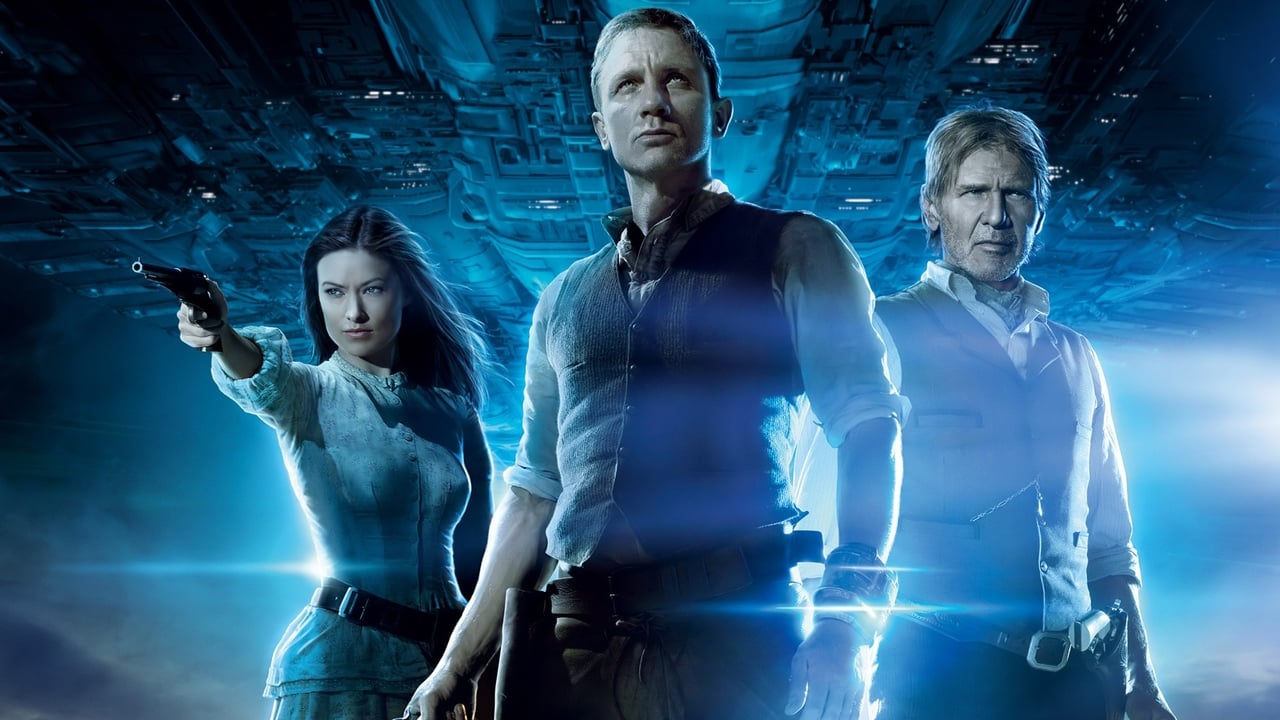
The supporting cast is an absolute embarrassment of riches. Olivia Wilde provides the mystery as Ella Swenson, while Sam Rockwell plays against type as a timid doctor who eventually has to pick up a gun. Seeing a young Paul Dano play a spoiled, bratty version of Harrison Ford’s son is a treat, especially knowing he’d eventually become one of the most respected actors of his generation.
Interestingly, the film spent 14 years in development hell. It passed through various hands before Favreau took the reigns. Apparently, Daniel Craig was the one who personally suggested Harrison Ford for the role of Dolarhyde, realizing the film needed a titan of the genre to balance his own modern intensity. The production also employed a massive amount of "horse work." Craig and Ford did a significant amount of their own riding, and that physical commitment shows on screen. There’s a weight to the chase sequences that you just don't get when actors are sitting on "buck" machines in front of a green screen.
Ultimately, Cowboys & Aliens is a noble experiment that almost works. It’s a movie that asks for your total buy-in, offering a dead-serious take on a premise that probably should have been at least 15% funnier. But I find myself returning to it because of its craftsmanship. In an age of increasingly homogenized blockbusters, there’s something admirable about a $163 million movie that refuses to apologize for its own weirdness. It’s a beautifully shot, well-acted Western that just happens to feature a spaceship, and if you can meet it on those terms, it’s a ride worth taking.
Keep Exploring...
-

X-Men: The Last Stand
2006
-
Next
2007
-
Babylon A.D.
2008
-
Gamer
2009
-

G.I. Joe: The Rise of Cobra
2009
-
Surrogates
2009
-
Terminator Salvation
2009
-
I Am Number Four
2011
-

Battleship
2012
-
Total Recall
2012
-
Elysium
2013
-

G.I. Joe: Retaliation
2013
-

World War Z
2013
-
Death Race
2008
-
Pandorum
2009
-
Godzilla
1998
-
Hollow Man
2000
-
The 6th Day
2000
-
The Tuxedo
2002
-
Terminator 3: Rise of the Machines
2003