Crazy, Stupid, Love.
"Finding the one, after losing the one."
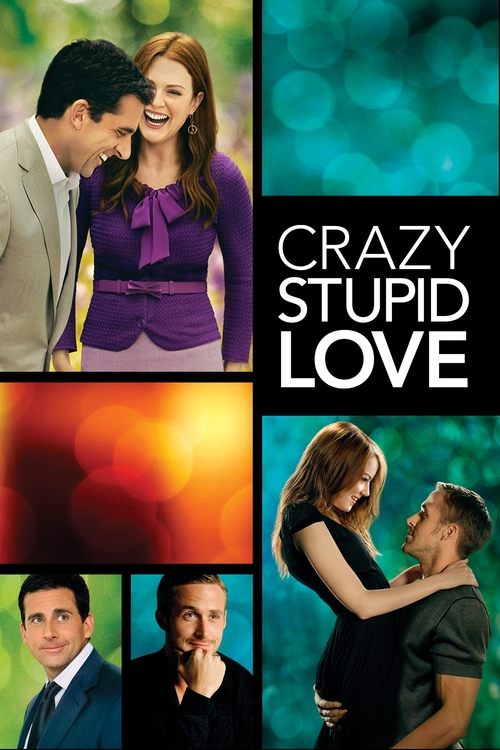
In the summer of 2011, the mid-budget studio comedy was fighting for its life against an encroaching tide of capes and sequels, yet Crazy, Stupid, Love. walked into the room with the confidence of a man wearing a custom-tailored suit and no socks. It arrived right at that sweet spot of Modern Cinema where the "Apatow era" of shlubby, improvised aimlessness was giving way to something more structured, polished, and—dare I say—adult. I sat down to watch this again recently while nursing a lukewarm cup of peppermint tea that I’d forgotten to steep, and I was struck by how it manages to be a glossy Hollywood product that still feels like it has a pulse.
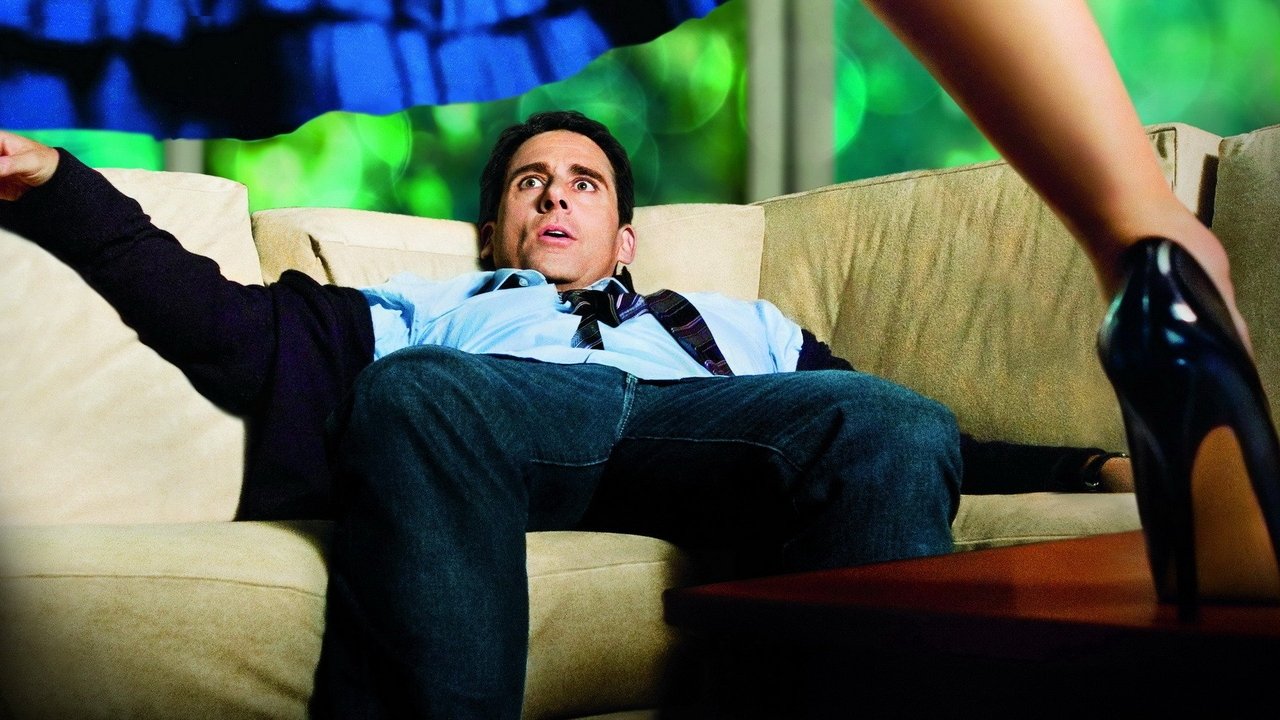
While the marketing sold it as a wacky romp about a sad dad getting a makeover, the film is actually a deceptively sharp drama about the messy, jagged edges of long-term commitment. It’s the kind of movie that shouldn't work as well as it does, considering it juggles about five different subplots, but it lands because it understands that heartbreak is both a tragedy and a punchline.
The Gospel According to Jacob Palmer
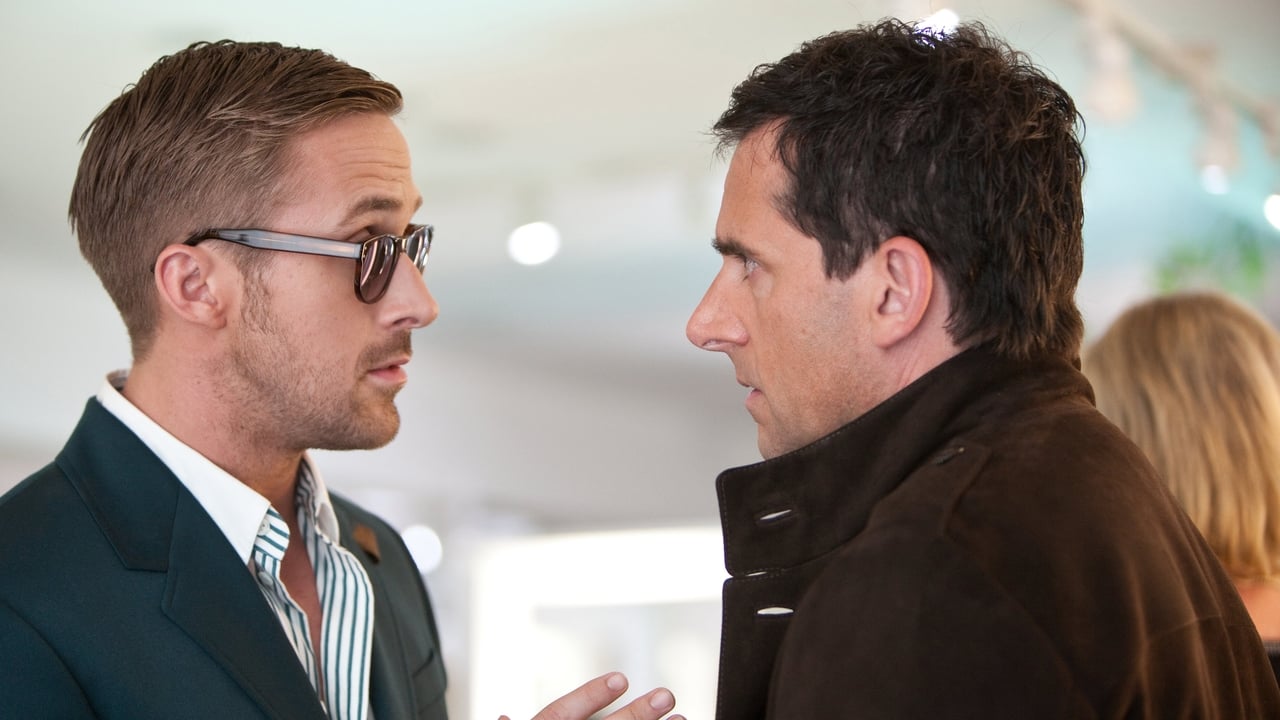
The engine of the film is the chemistry between Steve Carell and Ryan Gosling, a pairing that felt like a fever dream on paper but became an instant classic onscreen. Carell, playing the cuckolded Cal Weaver, brings that specific brand of "sad-sack-with-dignity" that he perfected on The Office, but it’s Gosling who steals the show. Before this, Gosling was the brooding indie darling of Half Nelson and Blue Valentine; here, he leaned into his "Photoshopped" physique and revealed a comedic timing so dry it could dehydrate a cactus.
I love that the "makeover" isn't just about the clothes—though watching Gosling slap Carell in a mall for wearing New Balance 407s is a core memory for many of us. It’s about the performance of masculinity. Gosling's Jacob Palmer is a man who has turned his life into a series of curated interactions, and watching Carell’s earnestness slowly dismantle that facade is where the real drama lies. Steve Carell’s New Balance sneakers are the true villains of the first act, and frankly, they deserved their own Razzie.
The Weight of the Weaver Divorce
For all the talk of "abs" and "pick-up lines," the film’s emotional anchor is Julianne Moore. As Emily, the wife who initiates the split, she has the hardest job in the script. It would be easy to make her the antagonist, but Moore brings such a weary, lived-in humanity to the role that you understand her claustrophobia. The scenes of them talking over the phone about the mundane details of their house while living separate lives are agonizingly real.
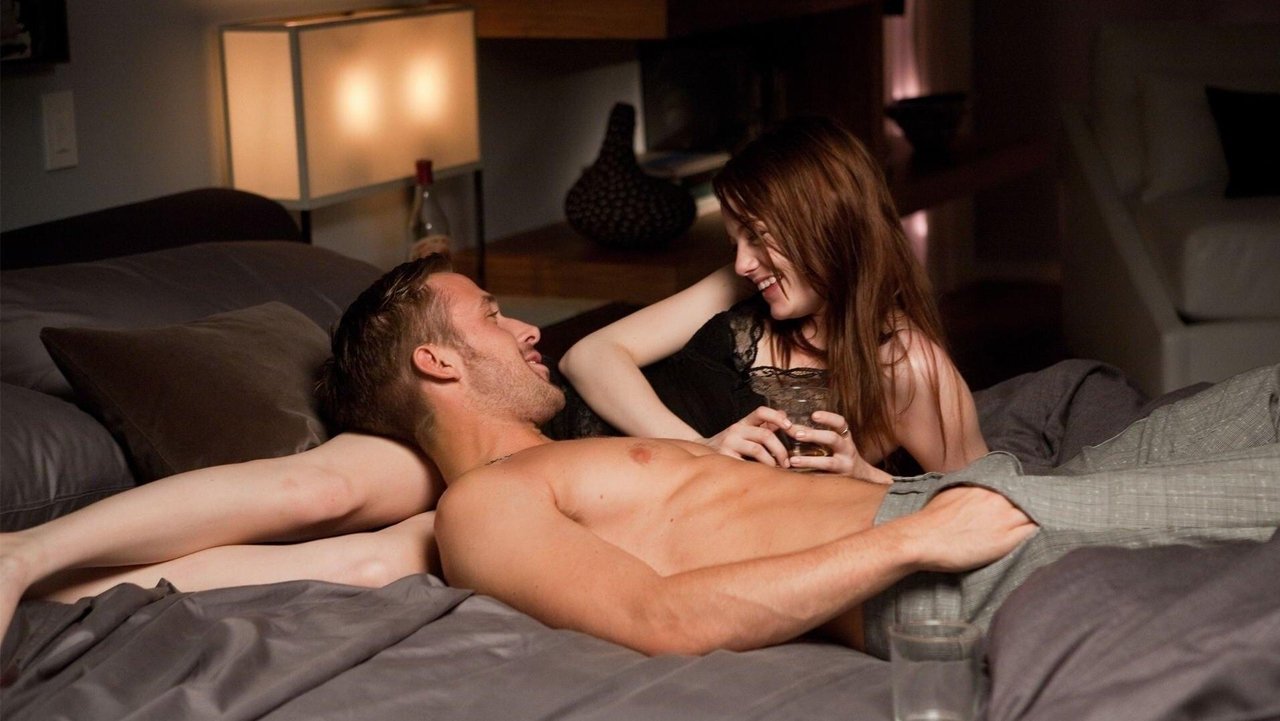
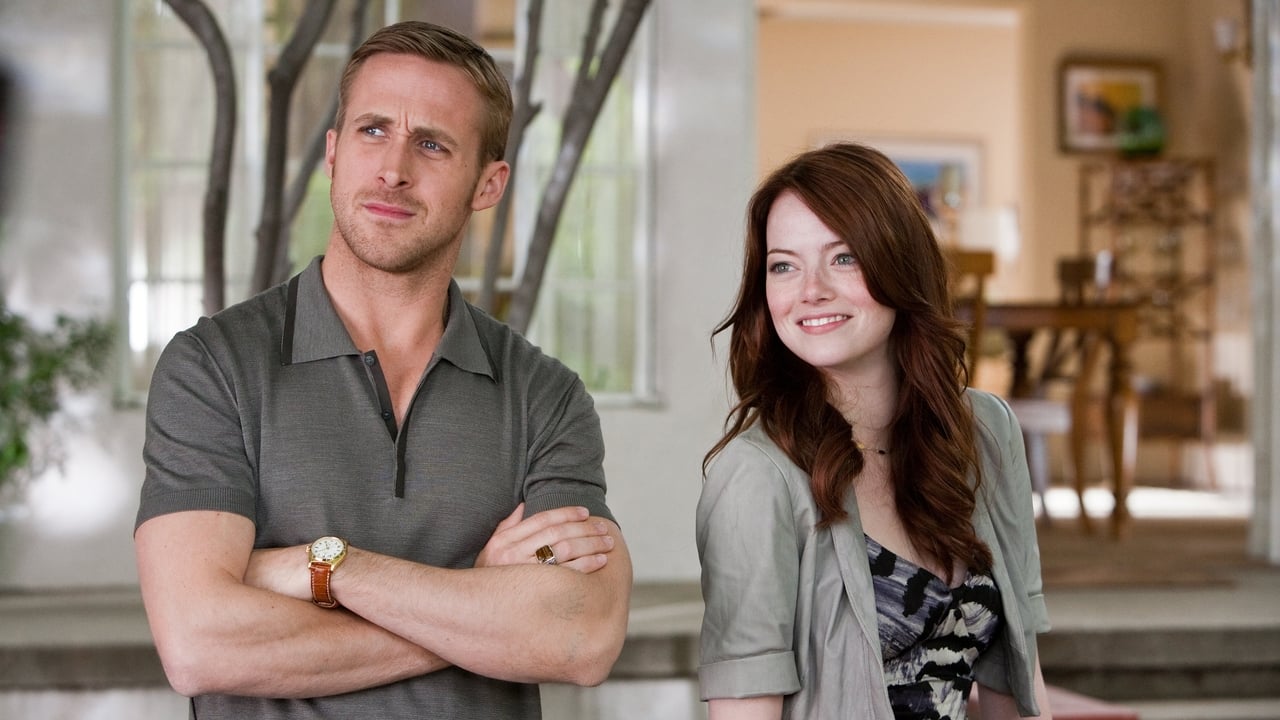
Then there’s the "kids" side of the ensemble. Emma Stone (as Hannah) and Gosling have such natural, crackling energy that it’s no wonder they went on to make Gangster Squad and La La Land together. Their big "date" scene, where they forgo the usual rom-com tropes to just talk all night, feels like a breath of fresh air. Interestingly, the famous "Dirty Dancing" lift was actually Ryan Gosling’s real-life "stupid human trick" that he used to do in bars to impress girls. When he told the directors about it, they immediately wrote it into the script. Similarly, Emma Stone’s reaction to seeing Gosling shirtless for the first time—screaming "Seriously? It’s like you’re Photoshopped!"—was an unscripted moment of genuine shock that they kept in the final cut.
A Cult Classic in Plain Sight
While it was a hit at the time, Crazy, Stupid, Love. has morphed into a genuine cult favorite because of its replayability. It’s a film defined by its secrets. The script by Dan Fogelman (who would later go on to create This Is Us) is a marvel of narrative architecture. There is a mid-movie twist—one I won’t spoil if you’re the one person left on Earth who hasn't seen it—that remains one of the most satisfying "Aha!" moments in recent cinema history. It’s the moment the movie stops being a collection of vignettes and becomes a unified story about how love makes us all equally ridiculous.
The production trivia is just as charming as the film itself. Turns out, Steve Carell actually produced the film, marking his first foray into production because he believed so strongly in the script’s balance of tone. The film also features a pre-fame Lio Tipton (then Analeigh Tipton) who had just come off a run on America's Next Top Model, proving that sometimes the reality-TV-to-prestige-drama pipeline actually works. Also, keep an eye out for Josh Groban playing the world’s most obnoxious boyfriend; it’s a tiny role that signaled the beginning of his "I’m actually a funny guy" era. The backyard brawl in the third act is the only time a suburban lawn has felt like a Shakespearean stage.
Looking back, this film captures the transition of the 2010s perfectly. It has the high-gloss cinematography of the digital age but the heart of a 70s relationship drama. It’s a movie that respects its characters' pain as much as their punchlines.
Ultimately, the film succeeds because it doesn't offer easy answers. It suggests that love isn't a destination you reach once you get the girl or the guy; it’s a chaotic, ongoing renovation project that usually involves someone getting hit in the face. It’s a polished, deeply funny, and surprisingly moving look at why we keep trying, even when we look stupid doing it. If you haven't revisited the Weavers in a while, it's time to put on your best suit—and leave the New Balances in the closet.

Keep Exploring...
-
I Love You Phillip Morris
2010
-

Seeking a Friend for the End of the World
2012
-
Magic in the Moonlight
2014
-

Hairspray
2007
-
Dan in Real Life
2007
-
Stranger Than Fiction
2006
-
High School Musical 2
2007
-
(500) Days of Summer
2009
-

Adventureland
2009
-
Letters to Juliet
2010
-
Life As We Know It
2010
-
Moonrise Kingdom
2012
-

Begin Again
2014
-
The Family Man
2000
-
Just Like Heaven
2005
-

Camp Rock
2008
-

What If
2013
-
10 Things I Hate About You
1999
-
High Fidelity
2000
-
Punch-Drunk Love
2002