Desire
"Economic collapse meets the heat of human skin."

There is a specific brand of French cinema that treats the human body like a tectonic plate—shifting, colliding, and occasionally triggering a total structural collapse. When Desire (originally titled Q) arrived in 2011, it felt less like a narrative and more like a fever dream caught in the middle of a recession. It’s a film that asks a very uncomfortable, very European question: when the banks are failing and the social contract is shredded, what is left besides our most basic, primal hungers?
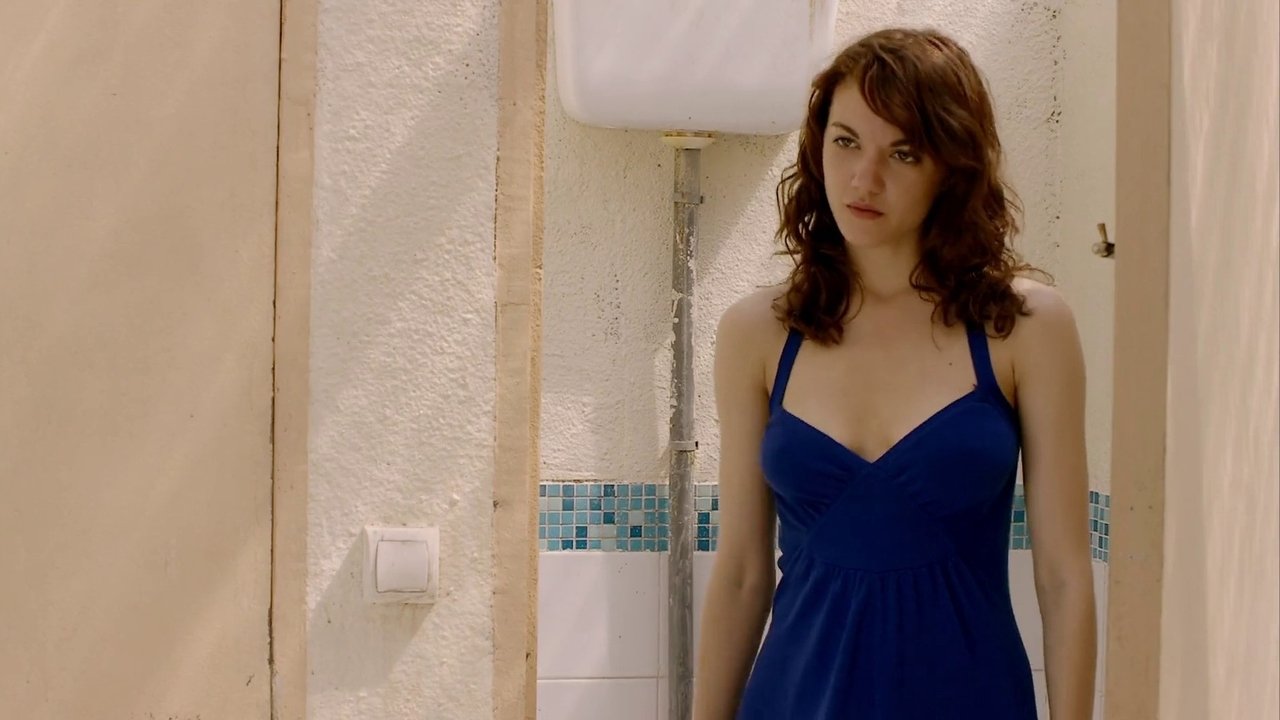
I watched this on a Tuesday night while eating a bowl of slightly burnt popcorn, and the contrast between my mundane snack and the film’s high-octane eroticism was, frankly, hilarious. But that’s the thing about Laurent Bouhnik’s direction here; he’s not interested in being polite. He’s interested in the friction between a world that is dying and a protagonist who has never felt more alive.
A Catalyst in a Cardigan
The film centers on Cécile, played by Déborah Révy in a performance that is remarkably brave, even by the standards of French transgressive cinema. Cécile isn’t so much a character as she is a weather pattern. Following the death of her father, she wanders through a bleak, industrial landscape, drifting into the lives of strangers and acquaintances alike. She doesn't just have sex; she uses desire as a way to map the void left by a crumbling society.
Déborah Révy has this incredible, wide-eyed intensity that makes it impossible to look away, even when the scenes veer into territory that would make a Victorian ghost faint. She’s joined by an ensemble that includes Hélène Zimmer as Alice and Johan Libéreau (who you might recognize from the high-tension Frontier(s)) as Manu. The chemistry here isn't the "Hollywood rom-com" kind; it’s the "two atoms smashing together in a particle accelerator" kind. It’s essentially a philosophical treatise with the clothes ripped off, and while that might sound pretentious, Bouhnik grounds it in a gritty, handheld aesthetic that feels very much of its era.
The Budget of Bare Necessities

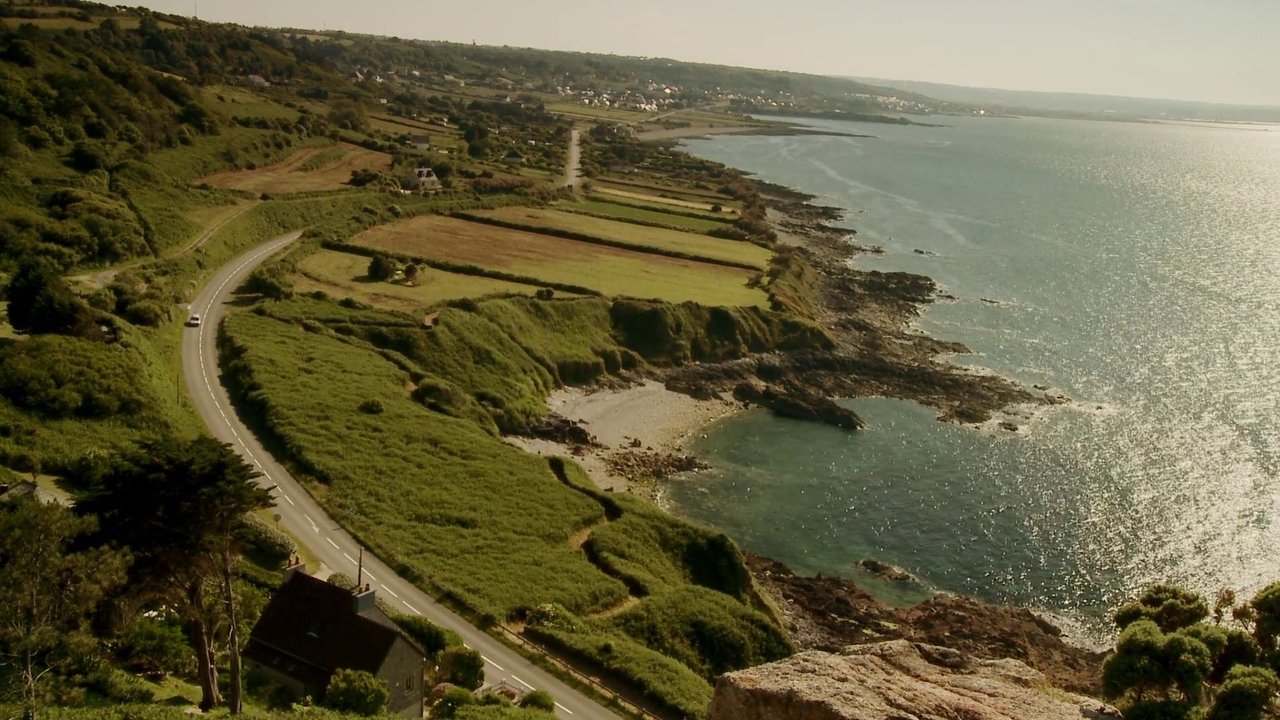
For an independent film made for around $1.3 million, Desire looks surprisingly polished, thanks to the cinematography of Dominique Colin. Looking back at this "Modern Cinema" era (1990-2014), you can really see the transition from the polished film stock of the 90s to the raw, democratic digital look of the early 2010s. This film leans into that digital intimacy. There are no massive sets or CGI spectacles here—just the natural light of French apartments and the gray, drizzly skies of a country in an economic slump.
The production was a bit of a "passion project" hustle. Laurent Bouhnik spent years trying to get this vision onto the screen, eventually shooting the whole thing in a whirlwind 20-day schedule. Because the budget was tight, the "sets" were often just real locations, which adds a layer of authenticity to the social decay being portrayed. Apparently, the casting process was equally intense; Révy was chosen because she possessed a rare combination of vulnerability and total lack of inhibition. The film is so committed to its "no-simulated" aesthetic that it often blurs the line between art and adult film, a hallmark of the "New French Extremity" movement that was winding down just as this was being released.
A Relic of Y2K Hangover
Revisiting Desire now, over a decade later, it feels like a fascinating time capsule. It captures that post-2008 anxiety where the "End of History" had been replaced by a "When does the next paycheck come?" reality. It’s a drama that uses romance (or at least, the physical mechanics of it) to distract from the fact that the characters have no future. While some critics at the time dismissed it as mere provocation, I think that’s a bit unfair. There’s a sadness under the surface—a desperate need for connection in a world that’s becoming increasingly digital and distant.
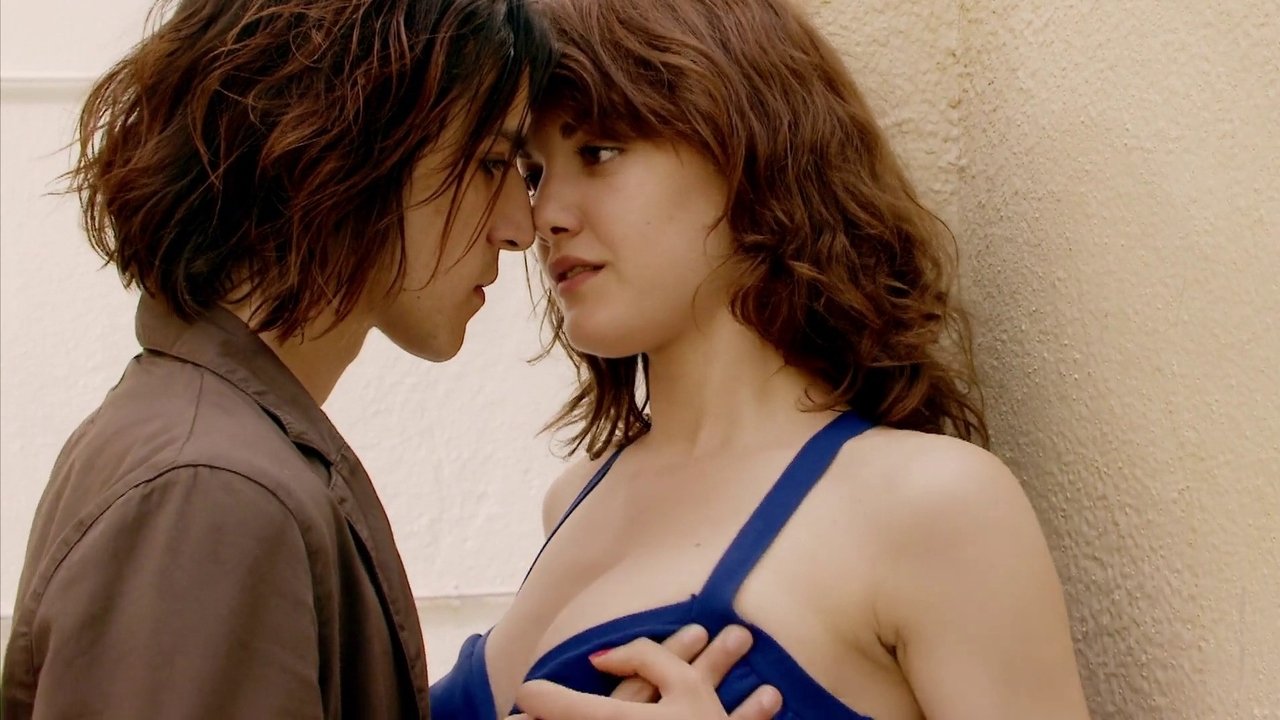
The film does occasionally stumble into its own self-importance. There are moments of dialogue that feel like they were lifted straight out of a philosophy student's first-year dissertation. However, the sheer conviction of the actors saves it. They aren't just playing roles; they are inhabiting a state of being. Whether it’s Johnny Amaro’s Chance or Gowan Didi’s Matt, everyone in this film feels like they are one bad day away from a total nervous breakdown, and Cécile is the only one offering a temporary escape.
Ultimately, Desire is a film for people who like their dramas raw, unfiltered, and unapologetically French. It’s not a "comfortable" watch, and it’s certainly not something you’d put on during a family gathering unless you want to make things incredibly awkward for the next five years. But as an exploration of how we use our bodies to cope with a world that doesn't care about our souls, it’s a striking, albeit polarizing, piece of indie filmmaking. It captures a specific moment in time when cinema was trying to figure out how to be "real" in an increasingly artificial world.

Keep Exploring...
-

High School Musical
2006
-

Heartbeats
2010
-
Beginners
2011
-
The First Time
2012
-
Don Jon
2013
-
The Spectacular Now
2013
-
Chasing Amy
1997
-
Buffalo '66
1998
-
Monster's Ball
2001
-

Bend It Like Beckham
2002
-
Secretary
2002
-
Garden State
2004
-

Blue Is the Warmest Color
2013
-
Welcome to the Sticks
2008
-
Blue Valentine
2010
-

Like Crazy
2011
-
Rust and Bone
2012
-
Rubber
2010
-

Young & Beautiful
2013
-
Imagine Me & You
2006