Detachment
"The classroom is a cage, and the bell is a warning."
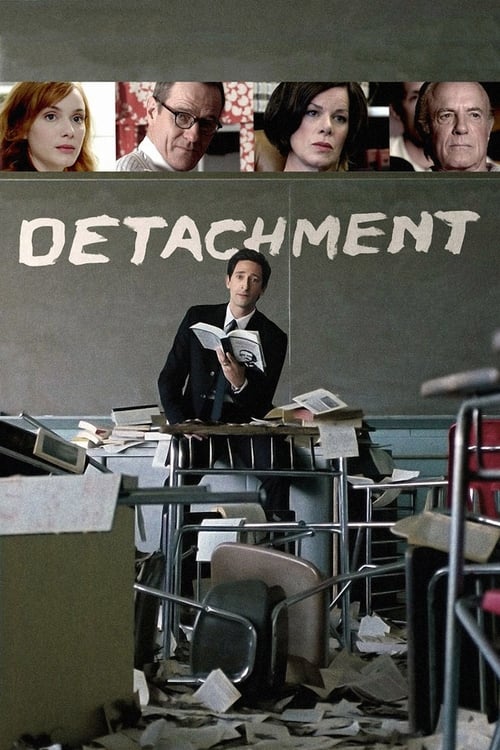
Walking into a high school classroom as a substitute teacher is a bit like being a gladiator tossed into a coliseum where the lions are mostly just bored, hormonal, and armed with iPhones. It is a transitory, thankless existence. This is the jagged headspace of Detachment, a film from 2011 that feels less like a traditional drama and more like a fever dream of administrative failure and existential dread. When I first sat down to watch this, I was wearing a pair of itchy wool socks that were slightly too small, and that nagging physical discomfort actually helped me sync up with the film’s restless, uncomfortable energy.
Directed by Tony Kaye—the man who gave us the ferocious American History X before famously getting into a public spat with the studio—this film arrived during that weird transition in the early 2010s. It was a moment when indie cinema was moving away from the quirky "manic pixie dream girl" tropes of the mid-2000s and leaning into a grittier, post-Recession malaise. Despite a heavy-hitting cast, Detachment basically vanished after a blink-and-you-miss-it theatrical run, earning just over $1.5 million. It’s a "lost" film that deserves a second look, provided you’re in the mood to have your soul lightly pulverized.
The Art of Professional Ghosting
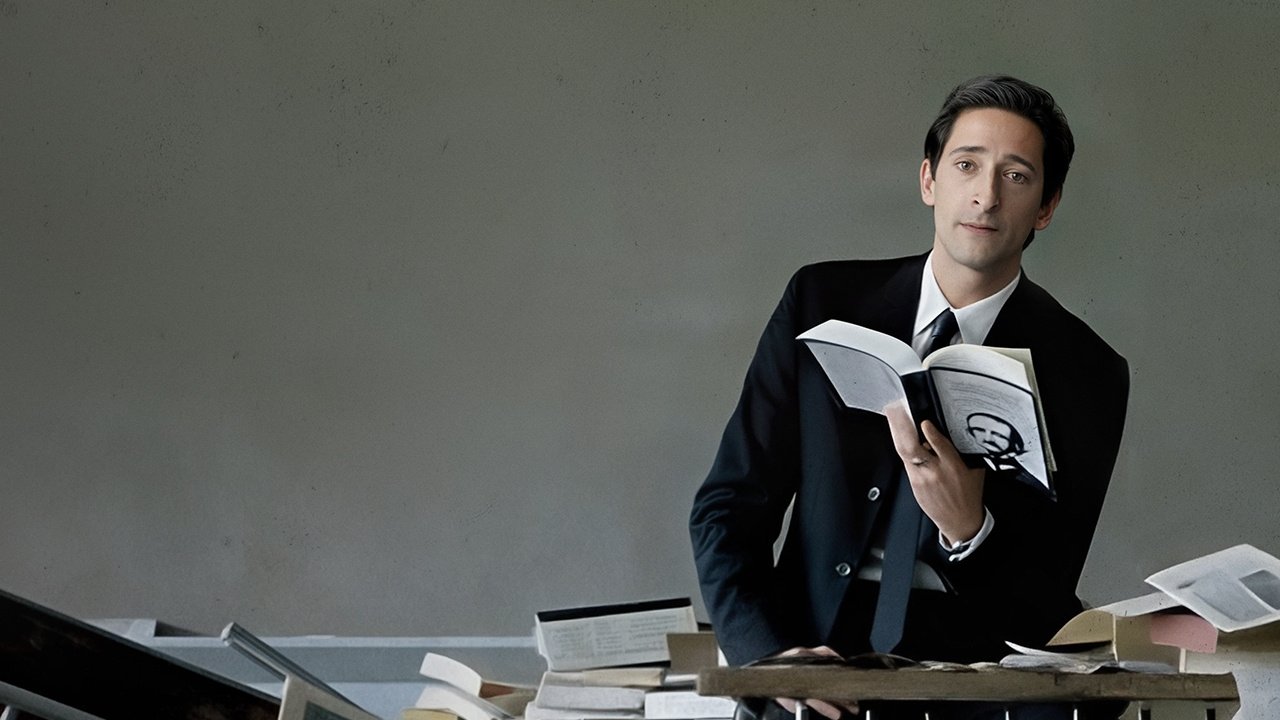
At the center of the storm is Henry Barthes, played by Adrien Brody in what I honestly believe is his most haunting work since The Pianist. Henry is a "long-term sub," a man who has perfected the art of being a ghost. He moves from one failing school to another, refusing to stay long enough to form an "attachment." He’s the guy who can walk into a room of screaming teenagers and quiet them not through shouting, but through a terrifyingly calm, dead-eyed authority.
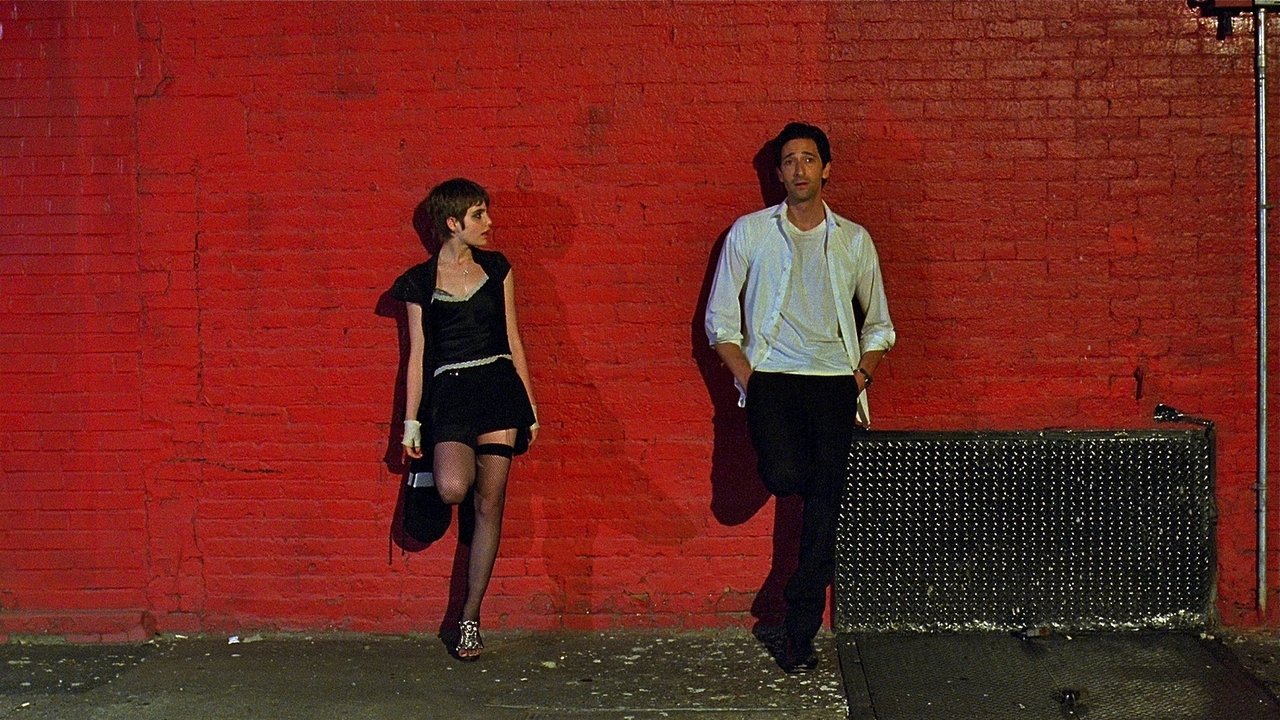
Adrien Brody has a face that was designed by the universe to convey deep, historical sadness. He uses it here to play a man who is desperately trying to stay hollow so the world can’t pour any more pain into him. But the film gnaws on a difficult question: Is detachment a survival strategy, or is it just a slower way to die? Henry eventually finds his walls crumbling due to two people: a troubled student named Meredith and a teenage runaway named Erica whom he takes in off the street. The film treats public education like a terminal diagnosis in a way that would make a Hallmark movie producer faint from sheer terror.
An Ensemble of the Exhausted
What’s truly wild about looking back at Detachment is the sheer caliber of the supporting cast. They represent the various ways that a broken system can eat its own. Marcia Gay Harden is the principal facing a forced retirement, looking like she hasn’t slept since the late 90s. Christina Hendricks plays a fellow teacher who still has a shred of hope left, which in this movie is essentially a death sentence.
Then there’s James Caan. Usually, we expect James Caan to be the toughest guy in the room, but here he plays Mr. Seaboldt, a veteran teacher who maintains his sanity by being the school’s cynical jester. He literally pops pills and jokes about his own irrelevance. It’s a wonderful, biting performance that highlights how the era’s "No Child Left Behind" pressures turned educators into data-entry clerks with high blood pressure. Lucy Liu also shows up as a school psychologist who finally snaps in a scene that feels like every frustrated person’s intrusive thoughts finally reaching a boiling point.
Why This Movie Vanished
So, why did a movie with this much talent end up as a footnote? For starters, Tony Kaye doesn't do "approachable." The film is shot with a jagged, documentary-style handheld camera, interspersed with surrealist animations and "talking head" interviews where Adrien Brody speaks directly to the viewer. It’s an aggressive aesthetic. In 2011, audiences were beginning to flock to the early MCU movies or the high-gloss polish of films like Inception. A grainy, hyper-depressing look at the collapse of the American school system was a hard sell.
The production itself was a bit of a scavenger hunt for authenticity. They shot in a real, recently closed middle school in New York, and you can practically smell the floor wax and old textbooks through the screen. There’s a rumor that Tony Kaye’s editing process was so chaotic that the film almost didn’t come together at all, which fits his reputation as a beautiful, difficult madman. It’s a film that reflects the chaos of its own making.
The Philosophical Gut-Punch

Detachment isn't just about bad schools; it’s about the burden of empathy. Henry’s grandfather, played by Louis Zorich, is dying of dementia, and those scenes are some of the most difficult to watch. They mirror the chaos in the classroom—a loss of history, a loss of connection, and the terrifying realization that we are all eventually going to be forgotten.
The film challenges us to look at the "ugliness" we usually ignore. It’s about the "holocaust of the heart," a phrase Henry uses during one of his direct-to-camera monologues. While some might find the metaphors a bit heavy-handed, I found them refreshing. In an era where most dramas are afraid to be "too much," Tony Kaye goes for the throat every single time. It is a movie that refuses to give you a gold star for participation; it wants to make sure you’re actually awake.
Ultimately, Detachment is a cinematic punch to the ribs that lingers long after the credits roll. It’s not a "fun" watch, but it is an essential one for anyone who feels like the modern world has become a bit too cold and automated. It captures a specific 2011 anxiety about the future of our institutions while showcasing Adrien Brody at the height of his powers. If you can find it on a streaming service or a dusty DVD shelf, give it 98 minutes of your time—just don’t expect a happy ending.
Keep Exploring...
-

The Fall
2006
-

Synecdoche, New York
2008
-
Nebraska
2013
-

American History X
1998
-
Fearless
2006
-
Control
2007
-

Evangelion: 1.0 You Are (Not) Alone
2007
-
The Diving Bell and the Butterfly
2007
-

Departures
2008
-
Il Divo
2008
-

Evangelion: 2.0 You Can (Not) Advance
2009
-

My Name Is Khan
2010
-

A Separation
2011
-
From Up on Poppy Hill
2011
-
Amour
2012
-

I Want You
2012
-
Laurence Anyways
2012
-
The Broken Circle Breakdown
2012
-
Instructions Not Included
2013
-
The Tale of The Princess Kaguya
2013