Dream House
"The truth is out before the lights go down."
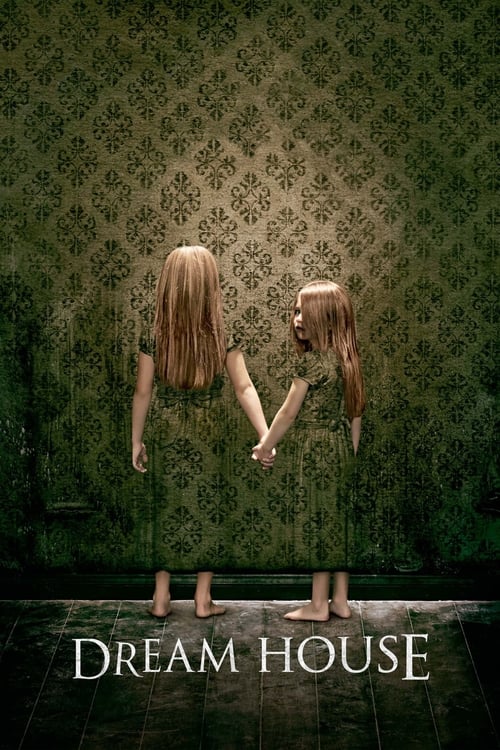
I remember sitting in a half-empty theater in late 2011, clutching a bag of lukewarm popcorn, and feeling a distinct sense of déjà vu. It wasn’t because I’d seen Dream House before; it was because the marketing department had essentially uploaded the entire movie’s cliff notes into a two-minute trailer six months earlier. I watched this on a laptop recently while nursing a mild case of food poisoning from a questionable street taco, and honestly, the fever dreams I had afterward were more coherent than the film's third act.
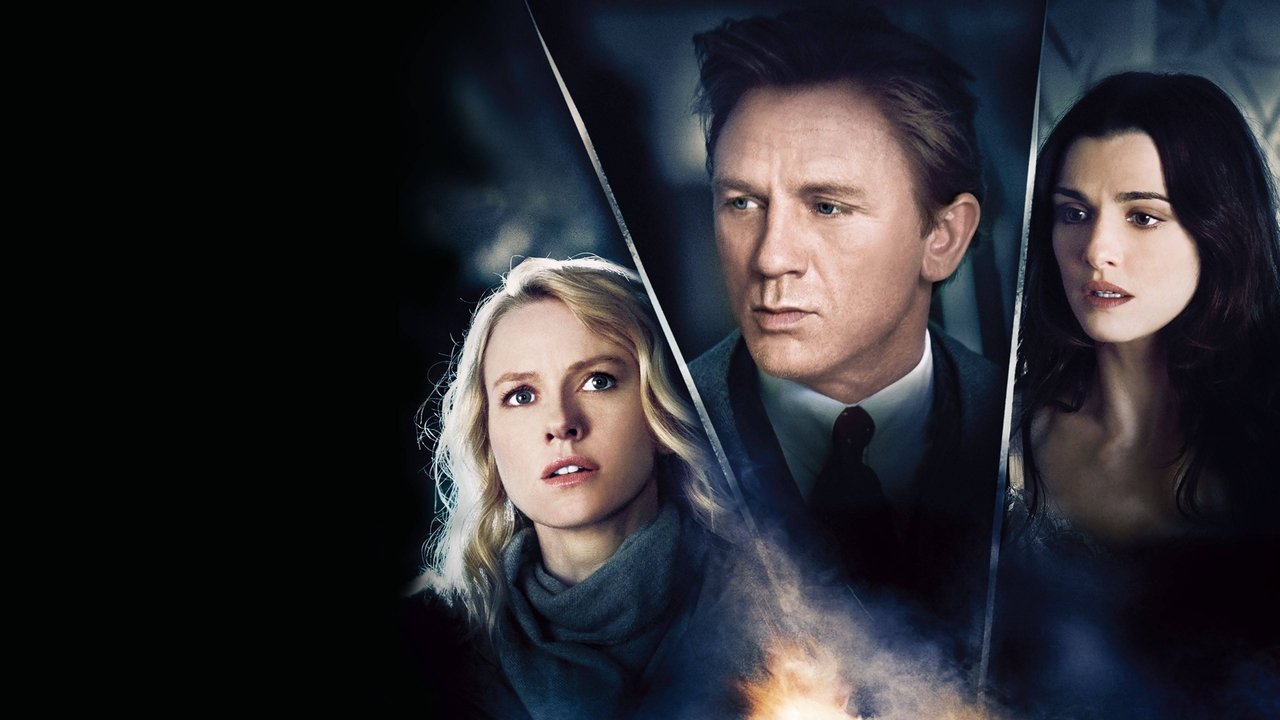
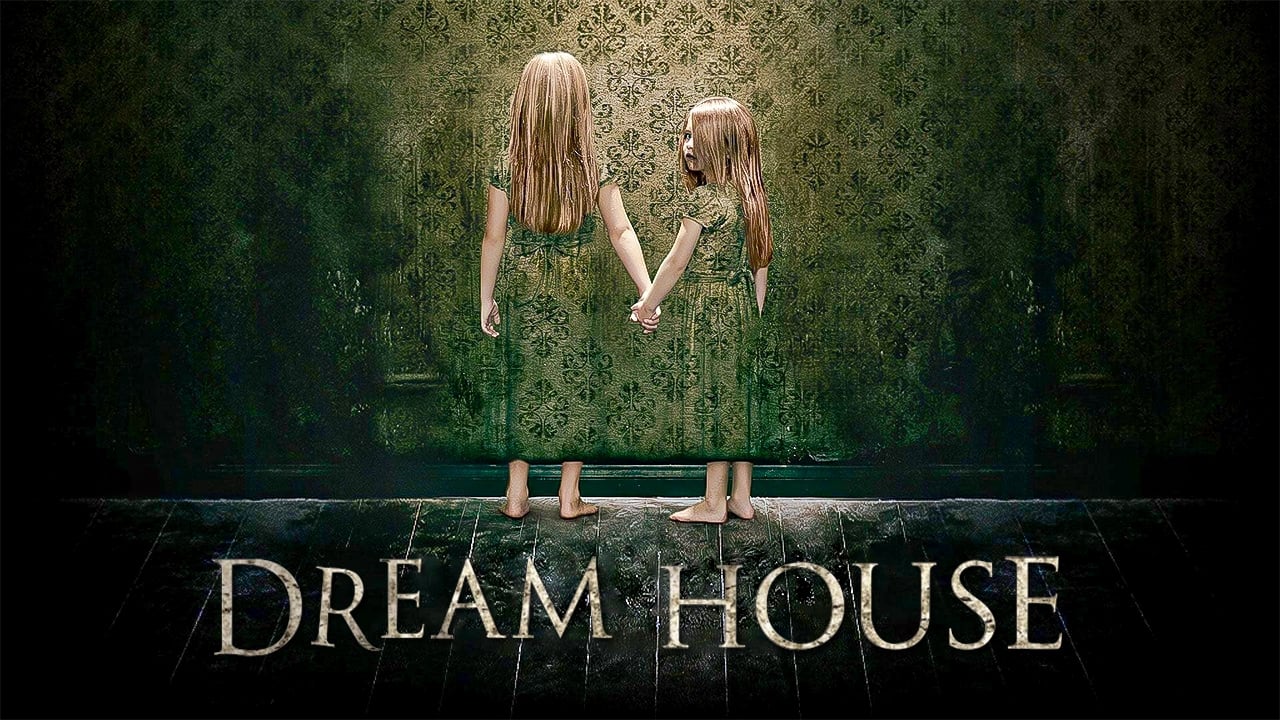
Dream House is a fascinating relic of the early 2010s, a period when Hollywood was still trying to figure out how to market "prestige" psychological thrillers to an audience increasingly distracted by the burgeoning MCU. It should have been a slam dunk. You have Jim Sheridan, the director behind My Left Foot, at the helm. You have Daniel Craig fresh off his second Bond outing, paired with the luminous Rachel Weisz and the perpetually reliable Naomi Watts. On paper, this is an Oscar-contender ensemble. On screen, it’s a case study in how studio interference can turn a promising drama into a muddled ghost story that doesn't know which haunting it wants to prioritize.
The Marketing Department vs. The Movie
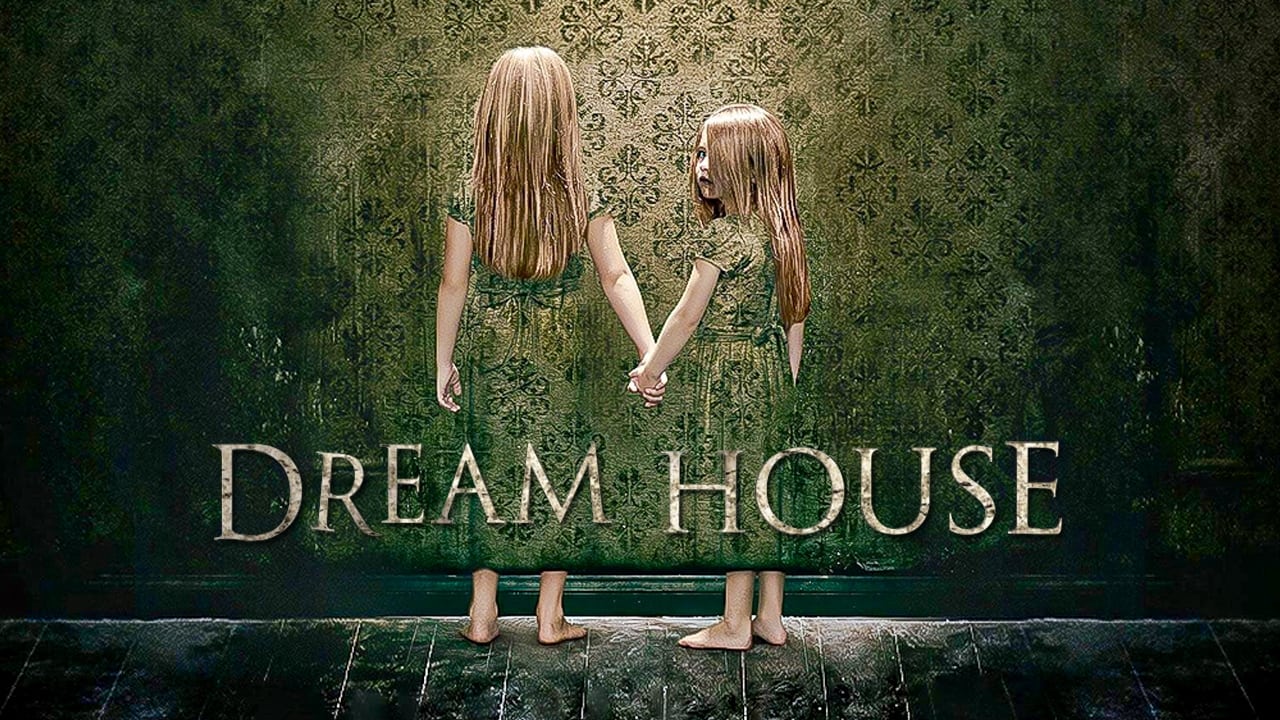
The biggest hurdle Dream House ever faced wasn't its script—it was its trailer. In an era where "spoiler culture" was becoming a dominant conversation, Morgan Creek Entertainment made the baffling decision to reveal the film's massive mid-point twist in the promotional footage. For those who missed it back then: Daniel Craig plays Will Atenton, a publisher who moves his family to a cozy New England home, only to discover it was the site of a gruesome murder. The twist? Will is the alleged murderer, Peter Ward, and his "happy family" is a lingering hallucination.
Imagine if the trailer for The Sixth Sense had shown Bruce Willis realizing he was a ghost. It effectively neutered the first 45 minutes of the film for everyone in the audience. Because of this, the tension is non-existent. We’re just waiting for the character to catch up to what we already know. The marketing team basically committed cinematic treason, and the fallout was ugly. Jim Sheridan tried to take his name off the film, and the lead actors famously refused to do any press for it. When the stars of your $50 million movie won't even talk to a reporter, you know the "dream" has become a nightmare.
A Romance Amidst the Rubble
Despite the behind-the-scenes chaos, there is one undeniable spark in this movie: the chemistry between Daniel Craig and Rachel Weisz. They met on this set, fell in love, and got married shortly after. You can actually see it happening in their scenes together. There’s a tenderness in their interactions that feels entirely unscripted, a warmth that belongs in a much better movie. Rachel Weisz brings a soulful, ethereal quality to Libby Atenton that makes the eventually-revealed tragedy actually sting.
Daniel Craig, meanwhile, is doing a lot of heavy lifting. He spends the first half of the film as a doting, slightly bored father and the second half as a man unraveling. It’s a performance that requires a delicate touch, and while he occasionally leans into "intense blue-eyed staring," he makes the psychological fracture feel grounded. It’s just a shame that the script doesn’t give him much to work with once the "haunting" turns into a standard conspiracy plot involving a crooked neighbor played by Marton Csokas and a mysterious figure portrayed by Elias Koteas.
The Identity Crisis of 2011
Looking back at this film now, it screams of the transition from the gritty, practical thrillers of the 2000s to the more polished, digitally-assisted dramas of the current era. The cinematography by Caleb Deschanel is actually quite beautiful—lots of cold blues and oppressive snowscapes—but it’s often undercut by some truly dated CGI "ghost" effects that feel like they were pulled from a mid-tier J-horror remake.
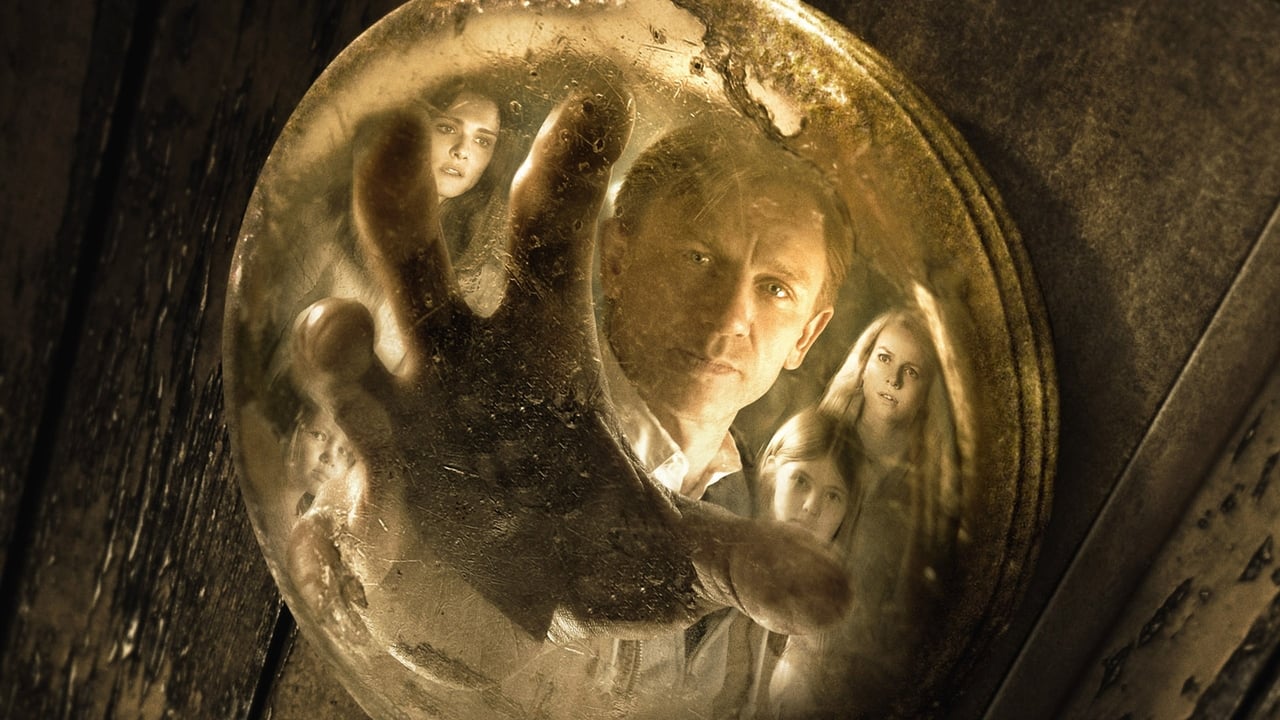
The film's failure to find an audience is understandable. It’s too slow for the horror crowd and too messy for the drama enthusiasts. By the time we get to the third act, which involves a secret basement, a fire, and a convoluted motive involving a hitman, the psychological weight of the first hour has completely evaporated. It becomes a generic race against time that feels beneath the talent involved. It’s a classic "what-if" of the Modern Cinema era: What if the studio had let Sheridan finish his cut? What if they hadn't spoiled the reveal? We’re left with a "lost" film that is mostly remembered for the tabloid romance it birthed rather than the story it told.
Ultimately, Dream House is a handsomely shot, well-acted misfire that serves as a cautionary tale about studio overreach. It’s not a complete disaster—the central performances are far better than the material—but it’s a movie that was dead on arrival thanks to its own marketing. If you’re a fan of Daniel Craig or curious about the origin story of his marriage to Rachel Weisz, it’s a harmless 84-minute diversion. Just don’t expect the house to hold any secrets you haven't already guessed.
Keep Exploring...
-
Blindness
2008
-
Passengers
2008
-
Stay
2005
-
K-19: The Widowmaker
2002
-
Premonition
2007
-

Pride and Glory
2008
-
Untraceable
2008
-
Chloe
2010
-
Double Jeopardy
1999
-
Basic
2003
-
Kiss the Girls
1997
-
Original Sin
2001
-
The Forgotten
2004
-

Revolver
2005
-
Edge of Darkness
2010
-

Red Riding Hood
2011
-
Transcendence
2014
-
Inland Empire
2006
-
In the Valley of Elah
2007
-
After.Life
2009