Drive
"Silence has never looked so cool—or been so bloody."
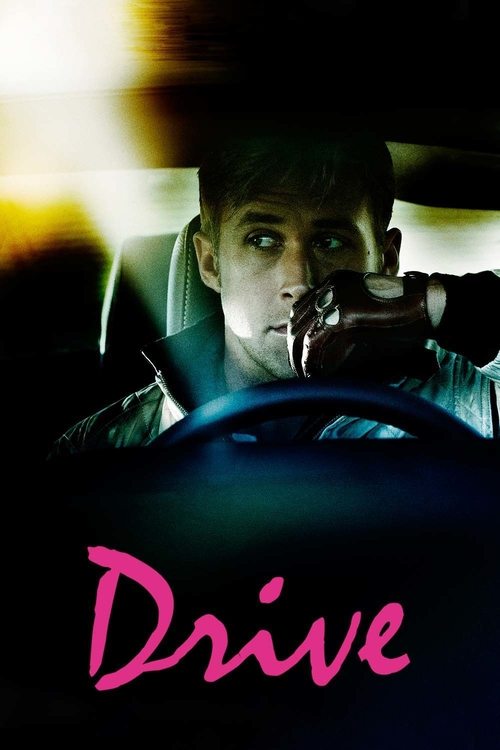
I remember the first time I saw that pink cursive font crawl across the screen. I was sitting on a beanbag chair that was slowly leaking its styrofoam guts onto my carpet, holding a lukewarm soda, and expecting something akin to The Fast and the Furious. Instead, I got a heist movie that felt like a fever dream directed by a ghost. Ryan Gosling doesn’t speak for the first ten minutes, and yet, I couldn't look away.

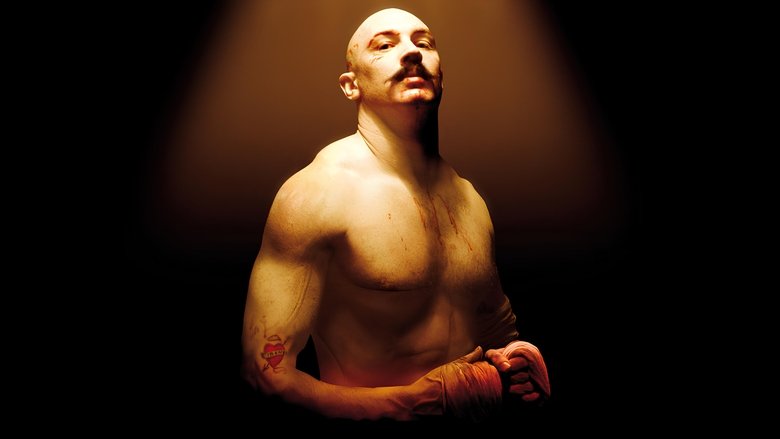
Released in 2011, Drive feels like the definitive bridge between the gritty, shaky-cam aesthetic of the 2000s and the hyper-stylized "vibe" cinema of the 2010s. It arrived at a time when we were starting to get tired of over-edited action sequences where you couldn't tell who was punching whom. Nicolas Winding Refn (who also gave us the brutal Bronson) decided to swing the pendulum the other way. He gave us stillness. He gave us long, uncomfortable stares. And then, he gave us a hammer.
The Art of the Quiet Storm
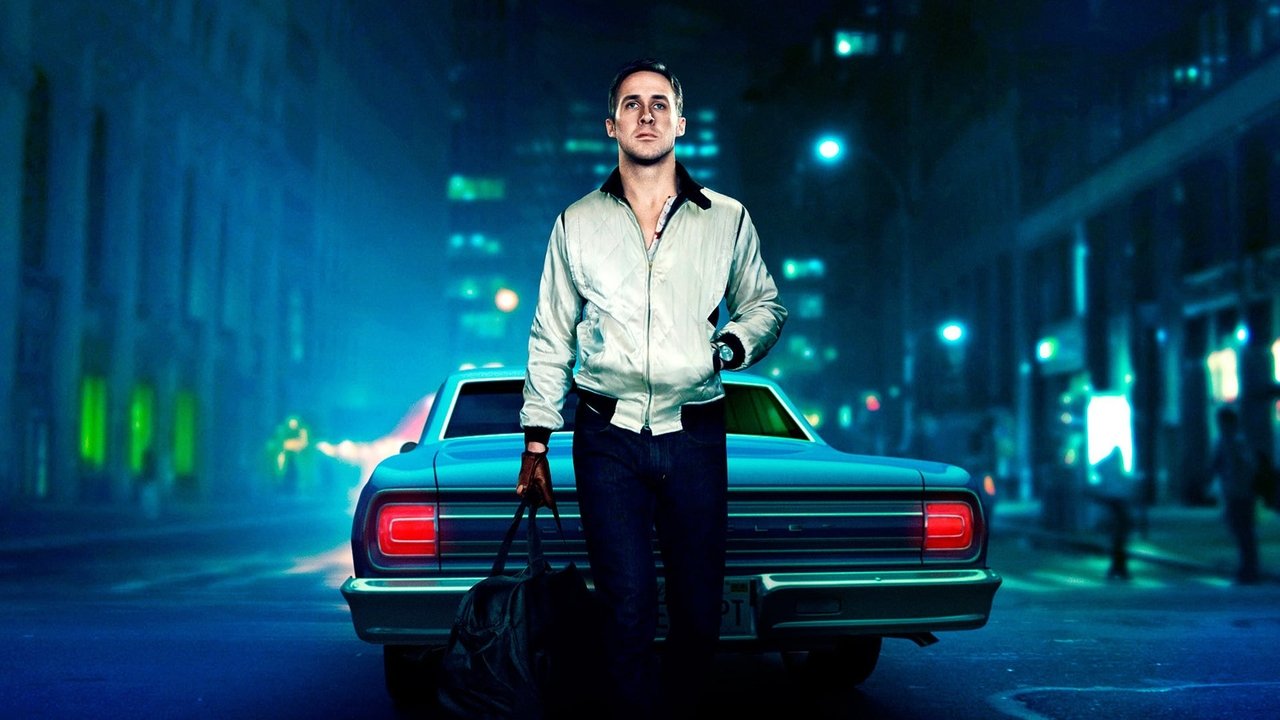
The premise is deceptively simple: a nameless stunt driver moonlights as a getaway wheelman with a strict five-minute rule. He falls for his neighbor, Irene (Carey Mulligan), and gets sucked into a botched pawn shop robbery to protect her family. If this were any other movie, it would be a breezy action flick. But Refn treats it like a dark fairy tale. Ryan Gosling delivers a performance that is almost entirely internal. He’s like a coiled spring; you can practically hear the tension humming off his satin scorpion jacket.
The chemistry between Gosling and Mulligan is some of the most "un-Hollywood" romance I’ve ever seen. They barely talk. They just look at each other while Cliff Martinez’s synth-heavy score pulses in the background. It’s romantic, sure, but it’s underpinned by a deep, existential dread. The scorpion jacket shouldn't work—it looks like something a toddler would wear to a disco—but on Gosling, it becomes a terrifying suit of armor.
What’s fascinating is how the film handles its violence. It’s not "fun" action. When the Driver finally snaps, it’s messy, shocking, and genuinely upsetting. I’ll never forget the collective gasp in the theater during the elevator scene. One moment, there’s a halo of light and a soft kiss; the next, there’s a crushed skull. It’s that tonal whiplash that makes Drive so indelible.

Casting Against the Grain
One of the smartest things Refn did was cast Albert Brooks as the villain, Bernie Rose. Before this, Brooks was the neurotic, funny guy from Broadcast News or the voice of Marlin in Finding Nemo. Seeing him play a cold-blooded mobster who uses a straight razor with surgical precision was a revelation. He’s not a cartoon villain; he’s a tired businessman who happens to kill people.
Then you have Bryan Cranston as Shannon, the Driver’s mentor. This was right in the middle of the Breaking Bad explosion, and Cranston brings a tragic, pathetic edge to a character who is just trying to catch one last break. Even Oscar Isaac, before he was a household name, shows up as Irene’s husband, Standard. He’s not a one-dimensional jerk; he’s a man who made mistakes and is trying to do right by his kid. Every character feels like they have a life that exists outside the frame of the movie.
The Cult of the Driver
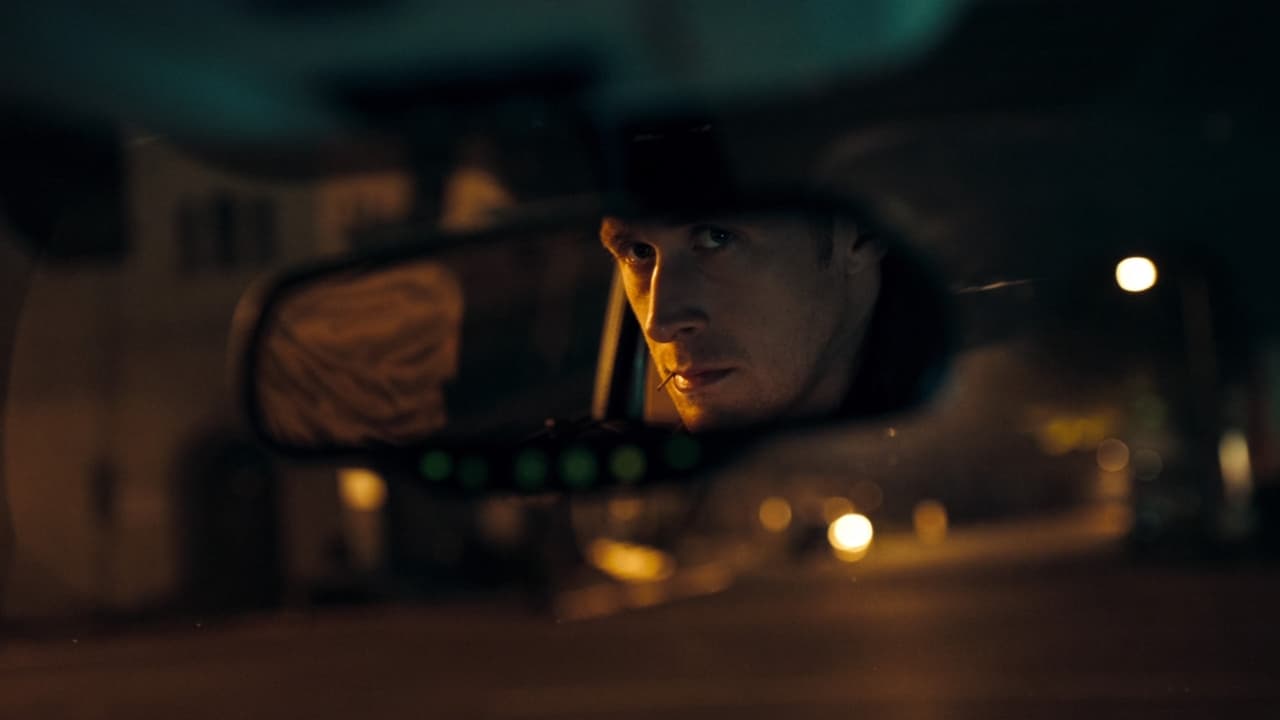
Drive didn't just come and go; it sparked a subculture. It’s the film that launched a thousand "Literally Me" memes and made synthwave a mainstream aesthetic. But the road to cult status was bumpy. Apparently, a woman in Michigan famously sued the theater and the distributors because the trailer misled her into thinking it was a high-octane racing movie. She wanted her money back because there wasn't enough "driving."
In reality, the "driving" is almost secondary to the mood. Interestingly, Refn himself doesn't even have a driver's license—he’s failed the test eight times. He directed the car chases based on how he imagined they should feel, focusing on the sound of the engine and the rhythm of the gear shifts rather than just speed. That lack of technical "car guy" baggage is probably why the opening chase is so unique. It’s a game of hide-and-seek played with police scanners and shadows, rather than a mindless burn through the streets of L.A.
I also love the fact that Gosling and Refn bonded over REO Speedwagon. During their first meeting, they were driving around L.A. in silence until "Can't Fight This Feeling" came on the radio. They both started singing along, and Refn realized that the movie should be about a man who drives around listening to pop music because he has no other way to express his emotions. That's the secret sauce: it’s a brutal crime noir with the heart of a 1980s power ballad.
Looking back, Drive is a miracle of a movie. It takes a well-worn genre—the "one last job" thriller—and strips it down to its chassis, painting it in neon pink and blood red. It’s a film that demands your attention not with loud explosions, but with the quiet, terrifying intensity of its lead. If you haven't revisited it lately, turn off the lights, crank up the volume on "A Real Hero," and let the atmosphere wash over you. It's a reminder that sometimes, the most powerful thing a character can do is absolutely nothing at all.
Keep Exploring...
-
Lucky Number Slevin
2006
-
The Next Three Days
2010
-
The Lincoln Lawyer
2011
-
End of Watch
2012
-
Nightcrawler
2014
-
The Place Beyond the Pines
2013
-

Law Abiding Citizen
2009
-

Only God Forgives
2013
-

Falling Down
1993
-
Natural Born Killers
1994
-

Jackie Brown
1997
-
American Psycho
2000
-
John Q
2002
-
21 Grams
2003
-
Bronson
2009
-
Batman: Year One
2011
-

The Negotiator
1998
-
Road to Perdition
2002
-
Dogville
2003
-

A History of Violence
2005