Drive Angry
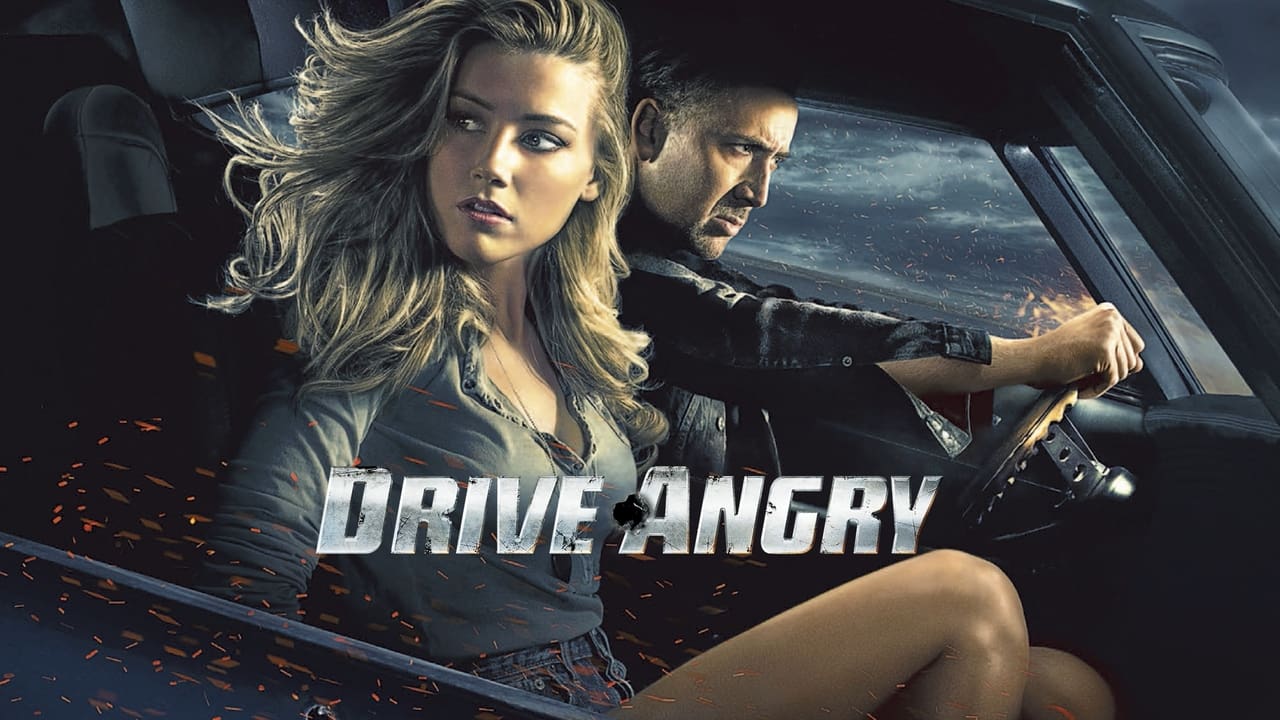
"Hell hath no fury like a father with a Chevelle."
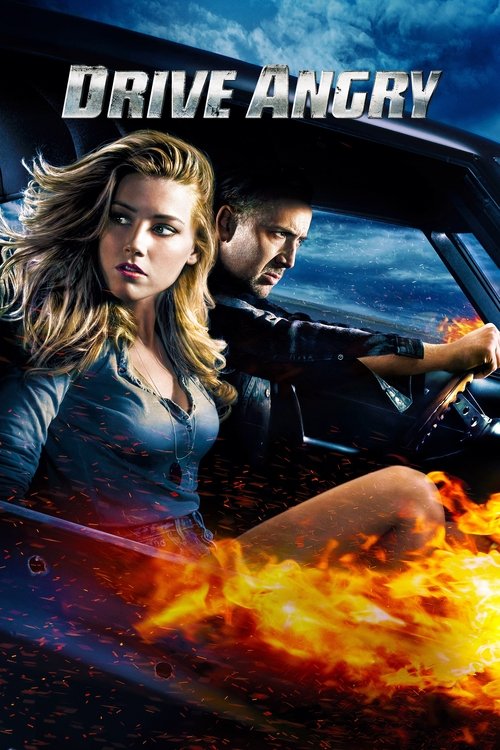
There was a very specific, briefly lived fever dream in Hollywood between 2009 and 2012 where every director convinced themselves that the only way to save cinema was to hurl objects directly at the audience's eyeballs. We call this the "Post-Avatar 3D Gold Rush." Most films from this era just used shitty post-production conversion to add depth, but Drive Angry was one of the few that actually leaned into the gimmick with its whole chest. It didn’t just want to be in 3D; it wanted to spit, shoot, and burnout in 3D.
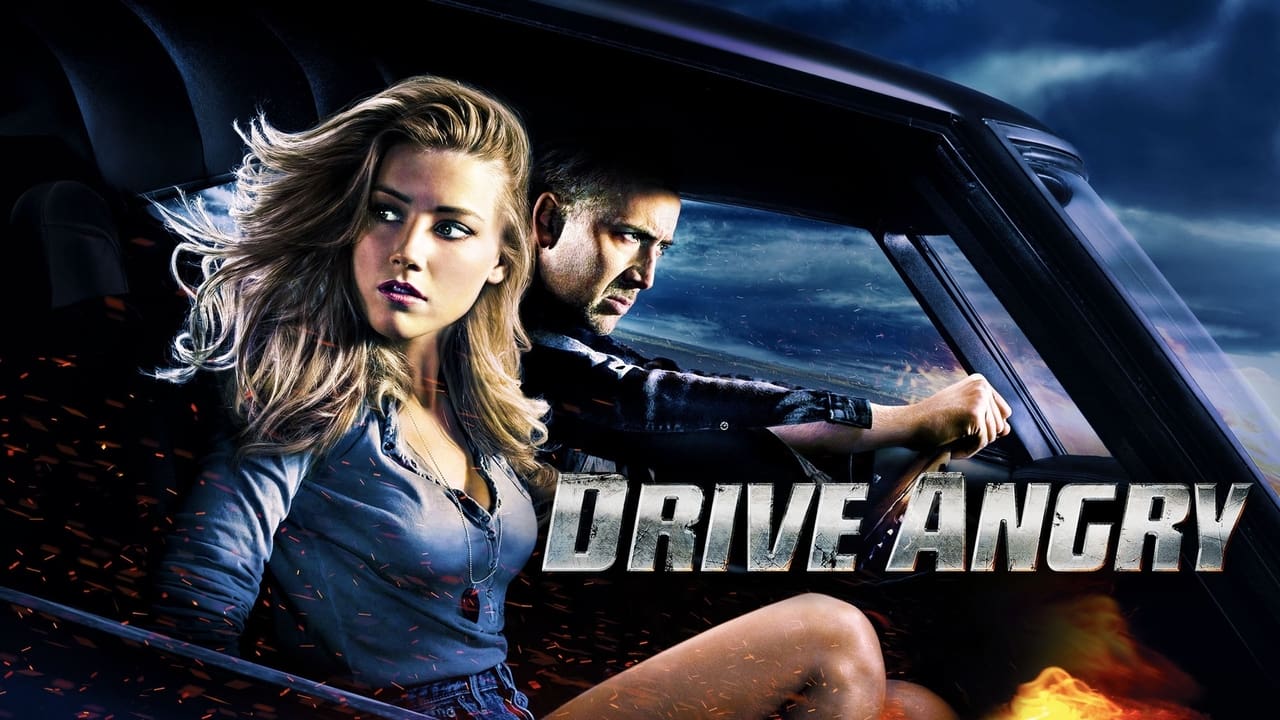
I actually watched this on a Tuesday afternoon while my neighbor was power-washing his driveway, and the constant hum of high-pressure water weirdly synchronized with the roar of the 1969 Dodge Charger on screen. It’s that kind of movie—best experienced with a little bit of external noise and zero intellectual pretension.
A Supernatural Middle Finger to Physics
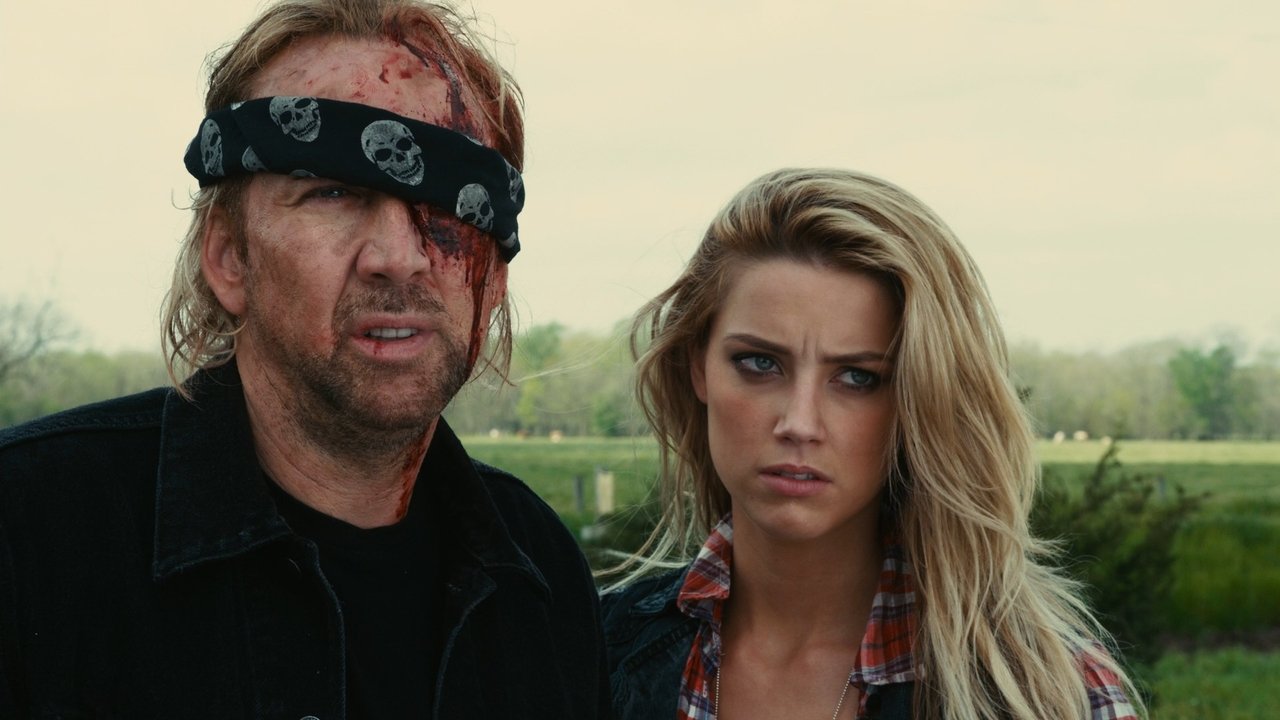
The plot is effectively a heavy metal album cover come to life. Nicolas Cage plays Milton, a man who literally crawled out of the pits of Hell to stop a satanic cult leader, played with oily charisma by Billy Burke (Twilight), from sacrificing his grandchild. It’s a standard "race against time" thriller, but with the added bonus that the protagonist is technically a walking corpse with a bottomless pit of vengeance.
Milton picks up a waitress named Piper—Amber Heard—who owns a 1969 Dodge Charger and a right hook that could fell a steer. One thing I appreciate looking back is that Piper isn't just a damsel; she’s the one doing half the heavy lifting while Milton handles the supernatural ordnance. They’re pursued by "The Accountant," a middle-management enforcer from the afterlife played by the eternally underrated William Fichtner (The Dark Knight).
If Cage is the engine of this movie, William Fichtner is the chrome trim that makes it look cool. He plays the role with a deadpan, "I’m too overqualified for this" energy that steals every single scene. Whether he’s flipping a coin or casually walking through a massive semi-truck explosion, he treats the apocalypse like a tedious day at the DMV.
Practical Metal and Digital Fire
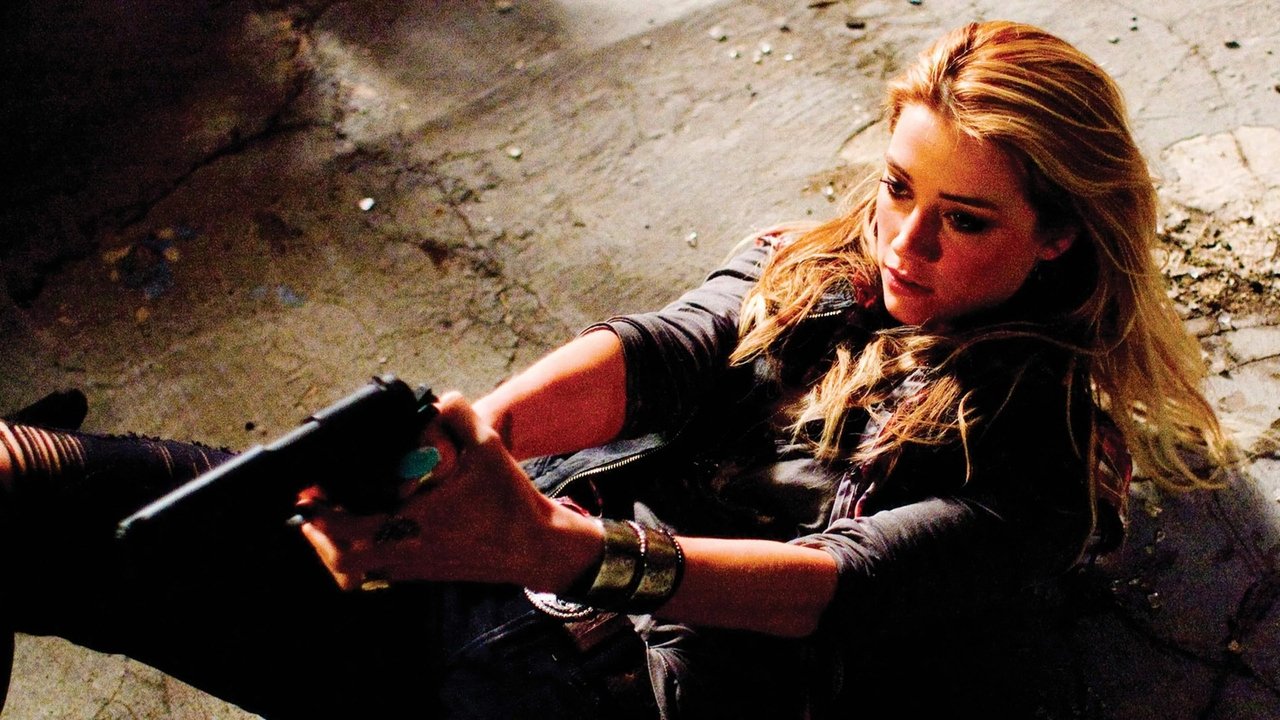
As an action film, Drive Angry sits in a strange transitional space. Director Patrick Lussier (who previously gave us the surprisingly fun My Bloody Valentine 3D) clearly loves the practical car stunts of the 1970s. You can feel the weight of the steel and the heat of the asphalt during the chases. However, because this was 2011, those beautiful practical stunts are frequently punctuated by CGI fire and blood that looks like it was rendered on a microwave during a power outage.
That’s not a knock, though. In the context of "Modern Cinema" retrospection, these flaws are part of the charm. This was an era where filmmakers were still figuring out how to balance the "Indie Renaissance" grit with the burgeoning "MCU-style" digital spectacle. Drive Angry doesn't care about being polished; it cares about being loud.
The standout action sequence involves Milton engaging in a massive shootout while simultaneously having sex with a waitress and smoking a cigar. It is the most "I can't believe a studio spent fifty million dollars on this" moment in history. It’s trashy, it’s absurd, and it’s executed with a straight face that only Nicolas Cage could pull off. He doesn't wink at the camera; he stares through it until you blink.
Why It Stalled at the Box Office
Looking back, it’s easy to see why this vanished. It was a $50 million R-rated supernatural grindhouse movie released during a time when audiences were starting to get 3D fatigue. It didn't have the prestige of a Christopher Nolan film or the brand recognition of a Marvel flick. It was a weird, aggressive anomaly that felt about thirty years too late for the drive-in circuit and ten years too early for the "Cage-issance" of the 2020s.
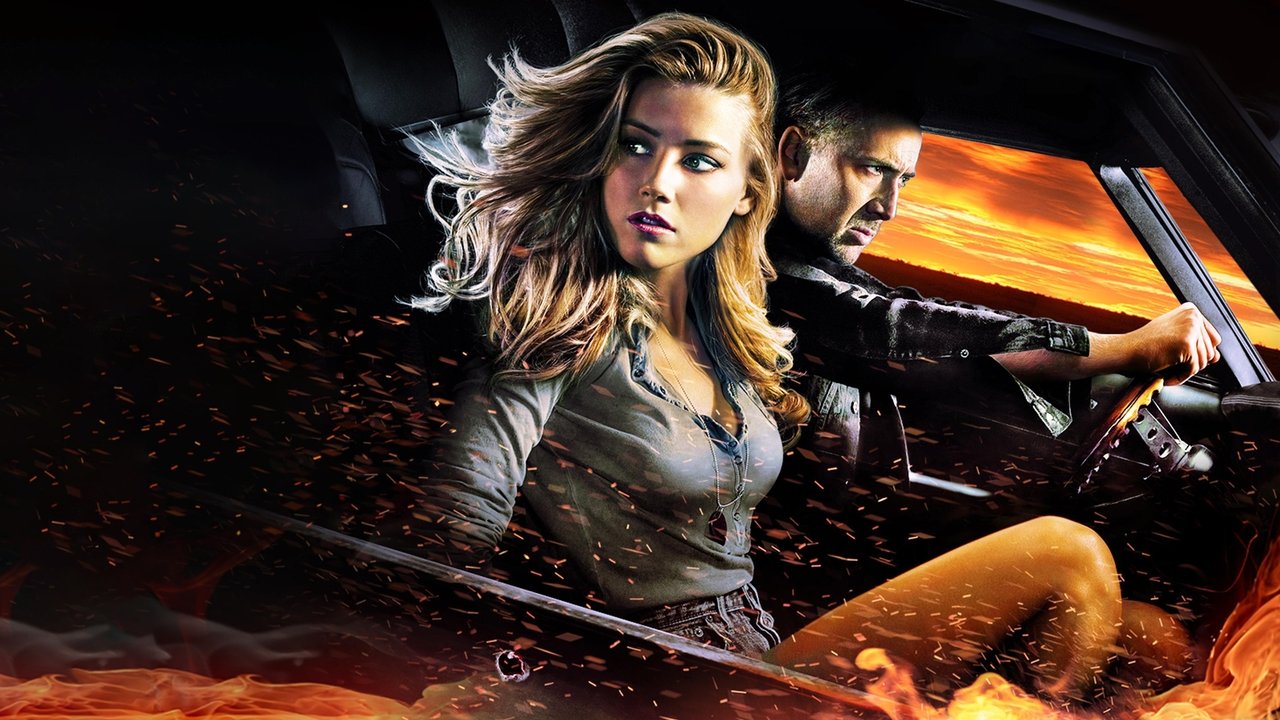
It also suffered from "The Marketing Problem." The trailers made it look like a generic action movie, failing to highlight the fact that the lead character is an actual undead escapee from the inferno. If I hadn't known the premise, I would have just thought Cage was playing another "man with a gun and a grudge" role.
Despite the box office failure, there is a lot of craft here. The score by Michael Wandmacher is all grinding guitars and pounding drums that keep the momentum high even when the dialogue gets a bit clunky. The cinematography by Brian Pearson manages to make the dusty highways of Louisiana look like a scorched-earth purgatory. It’s a film that knows exactly what it is, and what it is happens to be a very loud, very fast car wreck that you can’t look away from.
Drive Angry isn't going to win any awards for storytelling, and some of the early-2010s digital effects have aged like milk left in a hot car. But if you have 104 minutes to kill and a high tolerance for glorious stupidity, it’s a hell of a ride. It’s a reminder of a time when Hollywood was still willing to take a big-budget gamble on a movie where the hero uses a "Godkiller" gun to shoot Satanists in the face. It’s the kind of obscure gem that deserves a second life on a Friday night with a cold beer and the volume turned way, way up.
Keep Exploring...
-

The International
2009
-
Ghost Rider
2007
-
Machete Kills
2013
-
Miami Vice
2006
-
The Sentinel
2006
-
Race to Witch Mountain
2009
-

Bullet to the Head
2012
-
Along Came a Spider
2001
-
Gone in Sixty Seconds
2000
-
Firewall
2006
-
Shoot 'Em Up
2007
-
Cirque du Freak: The Vampire's Assistant
2009
-
My Bloody Valentine
2009
-
Takers
2010
-
The Losers
2010
-
Blitz
2011
-
Stand Up Guys
2012
-
Dead Man Down
2013
-
Sabotage
2014
-
Striking Distance
1993