Extremely Loud & Incredibly Close
"A child's search for a lock in a city of secrets."
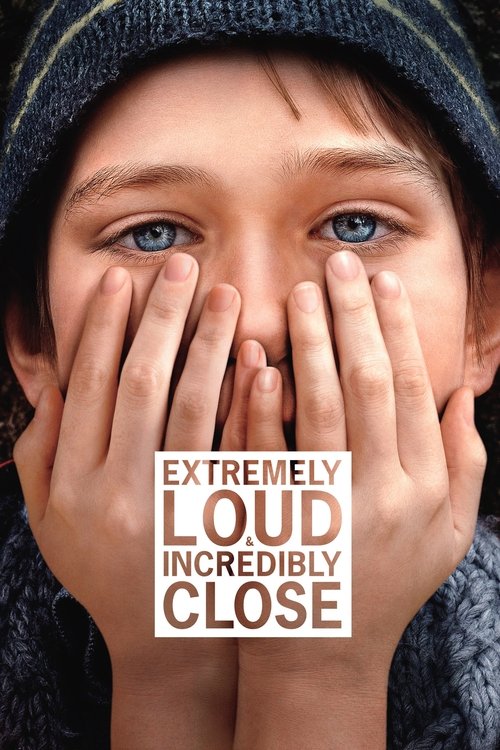
There is a specific kind of silence that follows a massive explosion—a ringing in the ears that makes the rest of the world feel slightly out of sync. In 2011, Extremely Loud & Incredibly Close arrived like that ringing. Released exactly a decade after the towers fell, it bore the unenviable weight of being "The 9/11 Movie" that wasn't actually about the day itself, but about the jagged, confusing shards of grief left in the aftermath. It’s a film that practically begs you to bring a box of tissues, or perhaps a shield, depending on how much you tolerate high-fructose sentimentality.

I watched this film on a Tuesday evening while trying to fix a leaky kitchen faucet, and I ended up getting more water on the floor than in the bucket because I kept looking up, caught between rolling my eyes and wiping them. It’s that kind of movie—one that works overtime to break your heart while occasionally stepping on your toes.
The Polarization of Oskar Schell
At the center of this scavenger hunt through sorrow is Thomas Horn, who plays Oskar Schell. Interestingly, the producers didn't find Horn at a prestigious acting school; they spotted him during "Kids Week" on Jeopardy! and thought his precocious intensity was exactly what they needed. It was a gamble. Oskar is a difficult protagonist—he’s "extremely loud," literally and figuratively. He carries a tambourine to soothe his anxiety, wears a gas mask on the subway, and possesses a vocabulary that would make a linguistics professor blush.
For some, Oskar is a heartbreakingly accurate portrait of a neurodivergent child (though the film never explicitly labels him) processing an impossible trauma. To others, he is a walking, talking Oscar-baiting device designed in a laboratory to win trophies. I tend to land somewhere in the middle. There’s something undeniably moving about a kid who thinks that if he just solves one last puzzle left by his father (Tom Hanks), the world will stop spinning off its axis. But the film’s insistence on making every interaction a "Life Lesson" can feel a bit like being lectured by a very sad, very articulate Hallmark card.
The New York Scavenger Hunt
The plot kicks off when Oskar finds a key in a blue vase in his late father’s closet. The key is in an envelope with the word "Black" written on it. Oskar decides to visit every person named Black in the five boroughs of New York to find the lock that matches the key. It’s a premise that feels more like a fable than a drama, which is where director Stephen Daldry and screenwriter Eric Roth (the man who gave us Forrest Gump) find their comfort zone.
As Oskar traverses the city, we get a rotating gallery of grief. Viola Davis shows up for just a few minutes as Abby Black, and in those few minutes, she essentially reminds everyone why she’s one of the greatest actors alive. Her face does more work in a single close-up than the rest of the script does in ten pages. Jeffrey Wright eventually enters the fray as William Black, providing a grounded, soulful counterweight to the film’s more whimsical tendencies. Even John Goodman pops up as Stan the Doorman, offering a brief sense of normalcy in Oskar's fractured world.
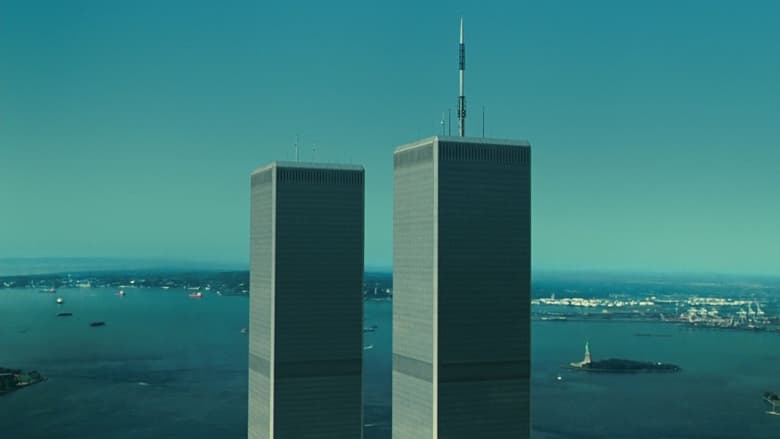
The cinematography by Chris Menges is truly lovely, capturing a version of New York that is both intimate and terrifyingly vast. Looking back at this era of filmmaking, you can see the transition where NYC started to be filmed with a certain digital crispness that stripped away the grit of the 70s and 80s, replacing it with a polished, slightly ethereal glow. It fits the story, but it also adds to the feeling that we are watching a stylized dream rather than a messy reality.
The Weight of the "Best Picture" Tag
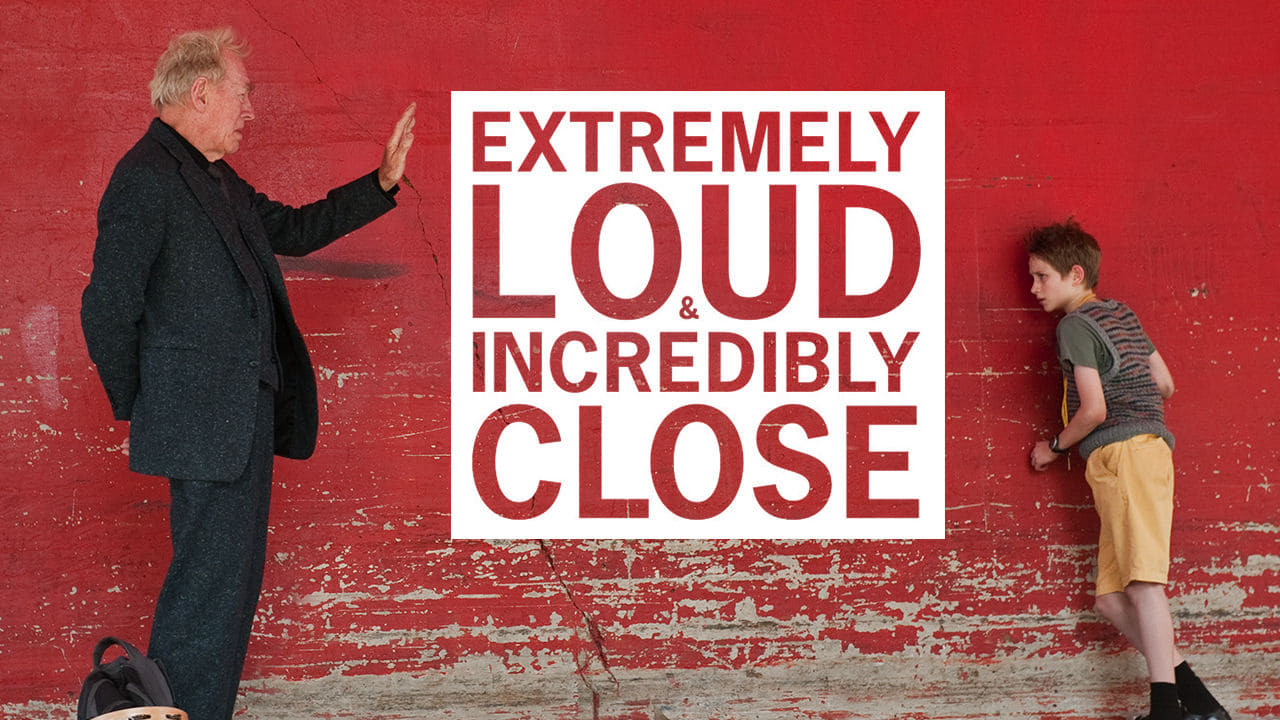
When Extremely Loud & Incredibly Close was nominated for Best Picture at the Academy Awards, it sparked a mini-riot among cinephiles. It was seen as the ultimate example of "the Academy loves a tragedy," even if the film itself felt manipulative. But is it actually bad? Not necessarily. It’s just heavy-handed. It’s a film made by people who are very good at their jobs—Sandra Bullock gives a remarkably restrained performance as Oskar’s mother, a role that could have easily been a one-note "grieving widow" but instead becomes something much more observant and protective.
There are also some fascinating behind-the-scenes wrinkles. For instance, the film originally included a much more graphic depiction of the "Falling Man" imagery from 9/11, which was eventually dialed back after test screenings found it too traumatic. It’s a reminder of how raw the collective nerve still was in 2011. Apparently, Tom Hanks only filmed for about ten days, yet his presence looms over every frame, a testament to his ability to play the "Ideal Father" with effortless warmth.
Ultimately, this is a movie that works best if you view it as a modern-day fairytale about how we navigate the unnavigable. It’s beautifully shot, expertly acted, and occasionally so schmaltzy it makes your teeth ache. If you’re in the mood for a good cry and can look past the "designed for awards" polish, there’s a genuine heart beating under all those layers of production value. Just don't expect it to be a quiet experience—it lives up to its title.
Keep Exploring...
-
The Lake House
2006
-
The Reader
2008
-
It's Kind of a Funny Story
2010
-
Larry Crowne
2011
-
Beautiful Creatures
2013
-
The Monuments Men
2014
-
The Illusionist
2006
-
August Rush
2007
-

High School Musical 2
2007
-

Never Back Down
2008
-

The Other Boleyn Girl
2008
-

Brothers
2009
-
My Sister's Keeper
2009
-
The Road
2009
-
The Time Traveler's Wife
2009
-

Charlie St. Cloud
2010
-
Faster
2010
-

Letters to Juliet
2010
-
Life As We Know It
2010
-
Remember Me
2010