Fast Five
"Ten million dollars. Two hulks. One impossible vault."
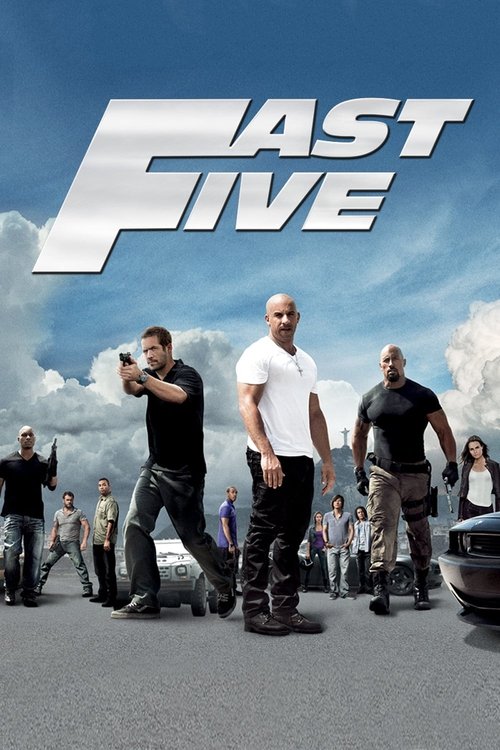
The sound of two massive, prime-meat action stars colliding is a specific kind of cinema. It’s the sound of a studio realizing that street racing was a limited engine and that what the public actually craved was a high-stakes heist movie wrapped in the armor of a demolition derby. When Dwayne Johnson stepped onto the screen as Luke Hobbs, glistening with enough baby oil to lubricate a freight train, the Fast franchise didn't just change gears—it swapped its entire transmission.
I watched this for the third time on a flickering laptop screen while hiding from a tropical thunderstorm in a hostel in Peru, and the humidity in the room felt like a perfect 4D extension of the Rio de Janeiro heat on screen. It’s a film that demands you feel the sweat and the grit, moving away from the neon-lit underground of the early 2000s and into a sun-bleached, oppressive landscape where the stakes are finally, for the first time in the series, life and death.
The Shift from Asphalt to Iron
Before 2011, the Fast series was a curious relic of Y2K car culture. By the time Justin Lin took the helm for his third outing in the director’s chair, he and screenwriter Chris Morgan understood that the "tuner" scene had peaked. To survive the burgeoning era of the MCU, they needed to scale up. Fast Five is the precise moment this series transformed into a "superhero" franchise, but it’s anchored by a surprising amount of heavy, physical reality.
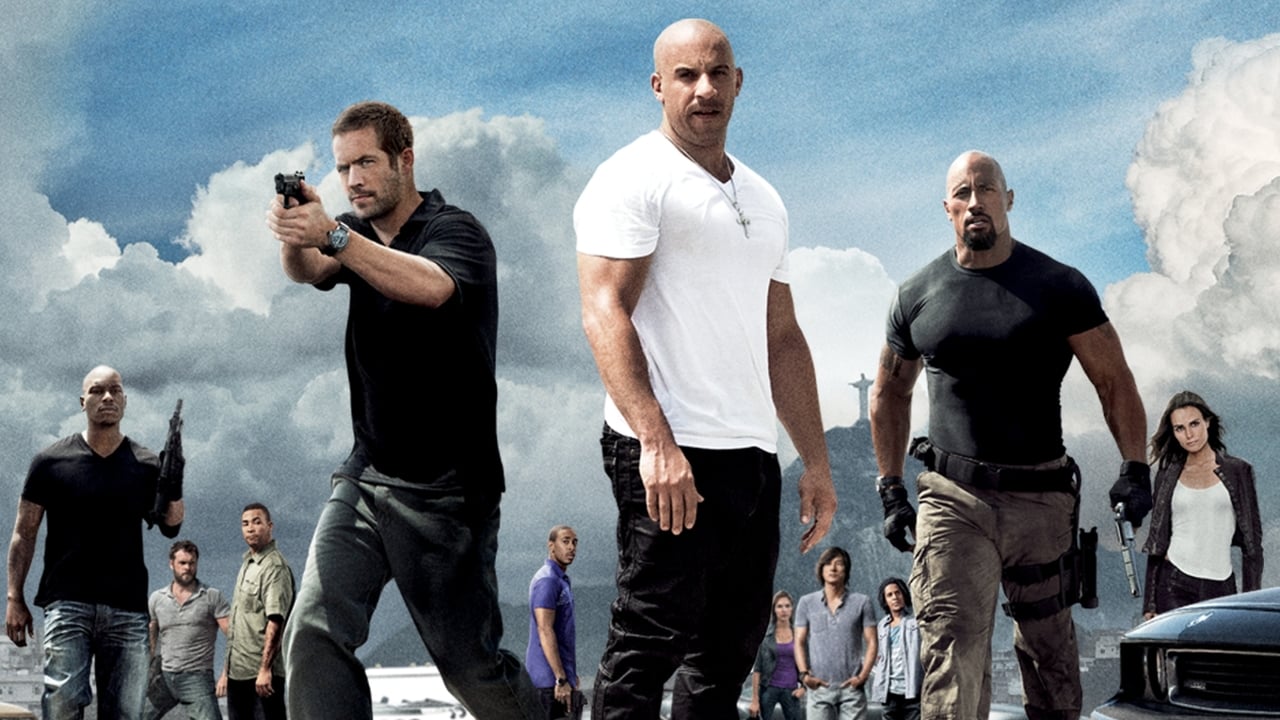
The plot finds Vin Diesel’s Dom Toretto and Paul Walker’s Brian O'Conner as fugitives in the Rio favelas. There is a genuine sense of dread in these early sequences. The camera looms over the crowded, vertical slums, capturing the claustrophobia of being hunted by both a corrupt businessman and a relentless US federal agent. Unlike the polished, digital sheen of later entries, Fast Five still feels like it has dirt under its fingernails. The action choreography, particularly the foot chase through the favelas, owes more to The Bourne Ultimatum than it does to the cartoonish physics the series would later adopt.
The Gravity of the Vault
The centerpiece of the film—and perhaps the entire franchise—is the vault heist. In an era where CGI was becoming the default solution for every "impossible" sequence, Justin Lin made the radical choice to do as much as possible for real. The production built several props of the ten-ton vault, including a self-propelled version that could be driven from the inside to smash into real cars on the streets of San Juan (doubling for Rio).
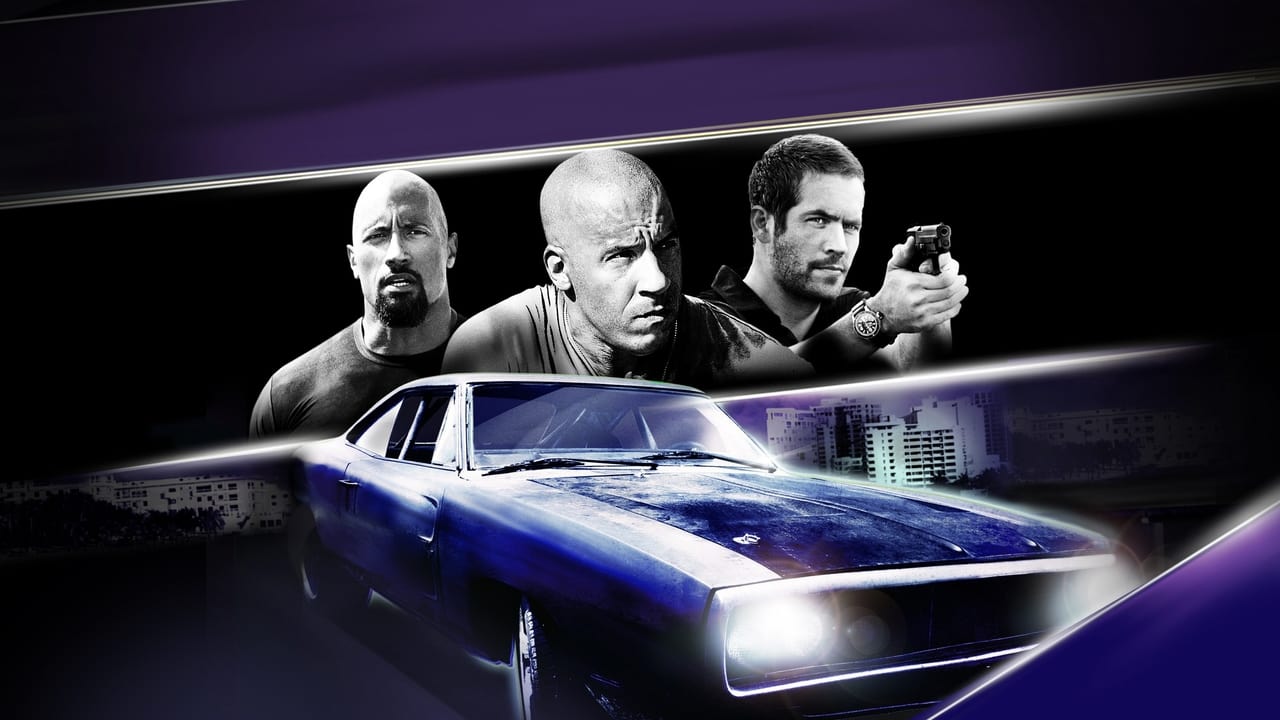
When those two Dodge Chargers yank that steel monolith out of the police station, you feel the momentum. You hear the screech of metal on pavement and the literal weight of the object as it swings like a wrecking ball through the city. The physics of that vault chase are less realistic than a Looney Tunes short, but I simply do not care. The commitment to practical stunt work gives the sequence a terrifying energy. Every time that vault crushes a cruiser, there is a sickening crunch of metal that digital effects just can't replicate with the same impact. It’s a masterclass in pacing, escalating from a stealthy break-in to a localized earthquake.
A Collision of Titans
The real draw, however, is the friction between Vin Diesel and Dwayne Johnson. In 2011, Johnson was the "franchise VR," brought in to resuscitate dying IPs, and his introduction here is somber and intense. He plays Hobbs not as a hero, but as an unstoppable force of nature who views the Toretto "family" as a moral cancer. The fight between Dom and Hobbs in the warehouse is brutal, unglamorous, and genuinely heavy. There are no wire-work flips here; it’s just two massive men throwing each other through brick walls.
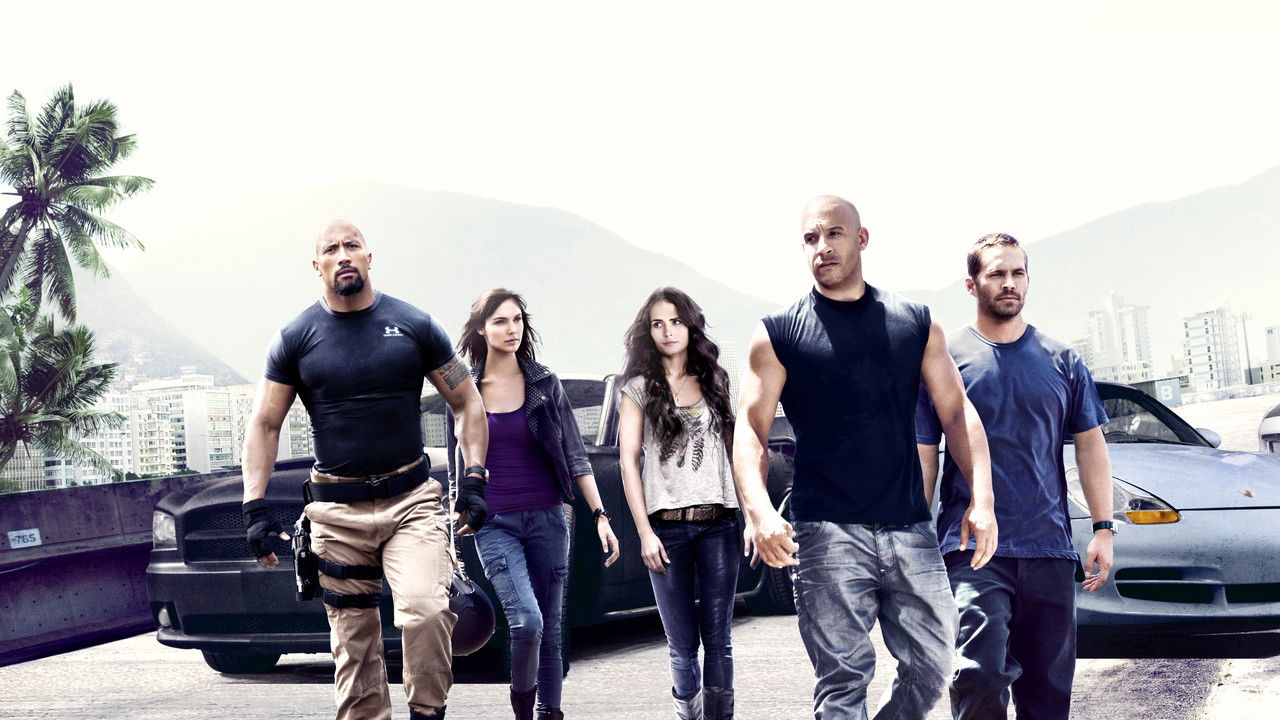
The supporting cast, featuring the return of Tyrese Gibson as Roman and Ludacris as Tej, provides the necessary levity, but it’s filtered through a "professional" lens. They aren't just racers anymore; they are specialists being pulled together for a "one last job" scenario. This ensemble dynamic would become the blueprint for the next decade of blockbusters, proving that the audience cared more about the chemistry between these characters than the cars they were driving.
Looking back, Fast Five was an incredible gamble. Universal spent $125 million on a franchise that many thought had run out of gas after Tokyo Drift. The payoff was a staggering $626 million global box office, proving that there was a massive appetite for "old-school" action scale delivered with modern digital precision. It’s the high-water mark of the series because it strikes the perfect balance: it has the heart of a heist movie, the muscles of an 80s action flick, and the brains of a savvy modern blockbuster.
Fast Five is the rare sequel that completely redefines its own identity without losing its soul. It’s a heavy, intense, and surprisingly grounded heist film that reminds us why we go to the movies in the first place—to see things go "boom" with a bit of conviction. It’s the last time the series felt like it was governed by the laws of gravity, and it’s all the better for it. If you need a reminder of why this franchise became a global juggernaut, this is the fuel you’re looking for.
Keep Exploring...
-
Fast & Furious 6
2013
-
Fast & Furious
2009
-
Furious 7
2015
-

The Fast and the Furious: Tokyo Drift
2006
-
F9
2021
-
The Fast and the Furious
2001
-
Fast X
2023
-
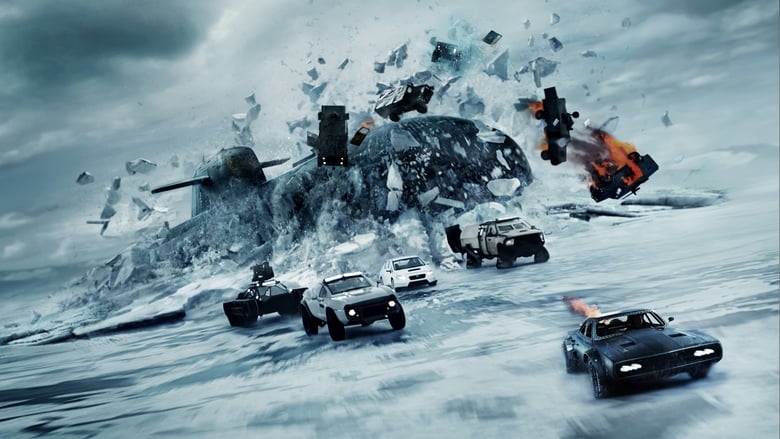
The Fate of the Furious
2017
-
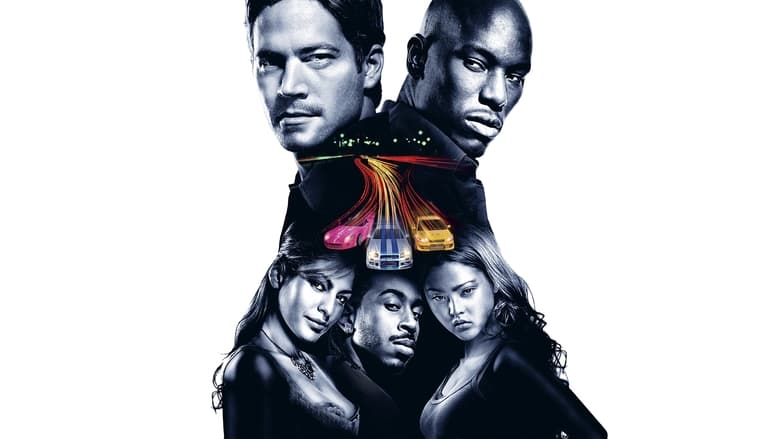
2 Fast 2 Furious
2003
-

The Equalizer
2014
-

Wanted
2008
-

The Dark Knight Rises
2012
-

Kill Bill: Vol. 2
2004
-

RED
2010
-
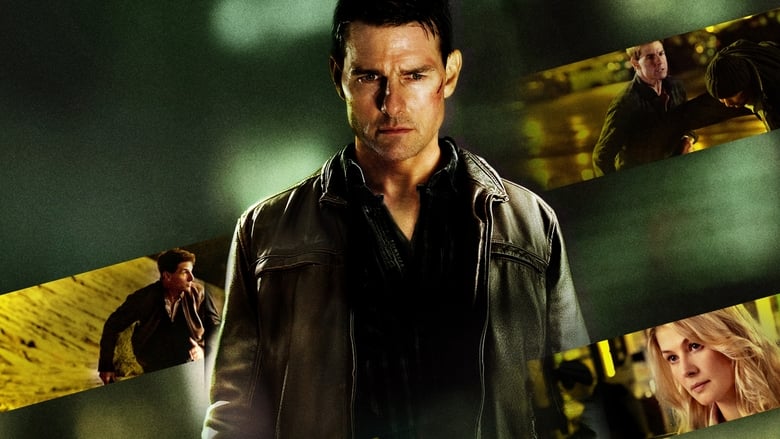
Jack Reacher
2012
-
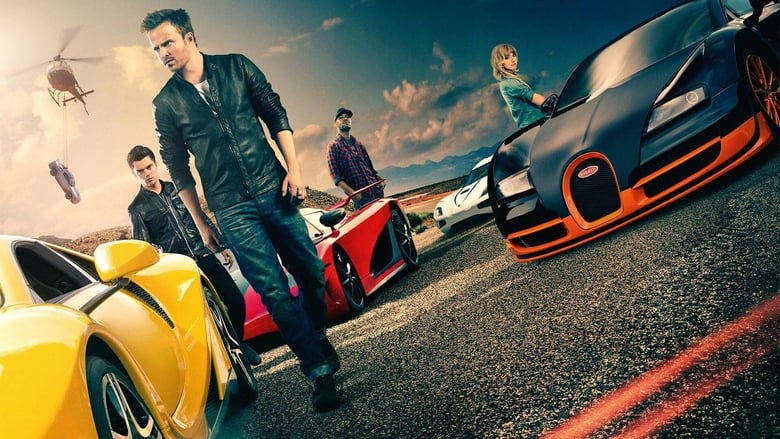
Need for Speed
2014
-
Undisputed II: Last Man Standing
2006
-
United 93
2006
-
Felon
2008
-

Blood and Bone
2009