Footloose
"Same rhythm, sharper boots."
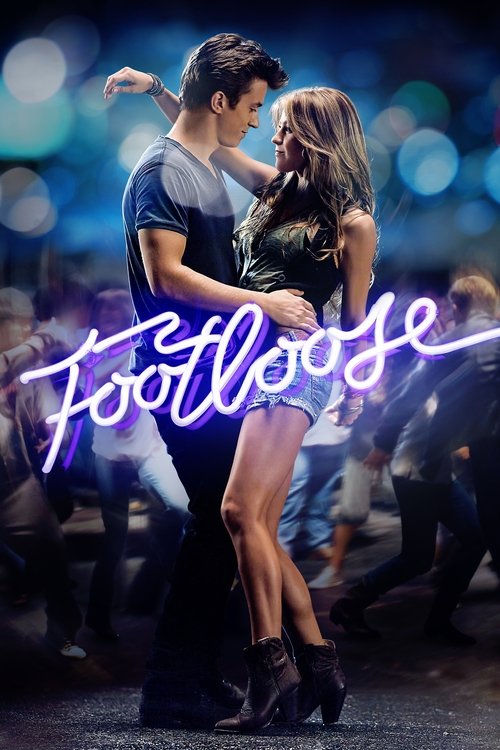
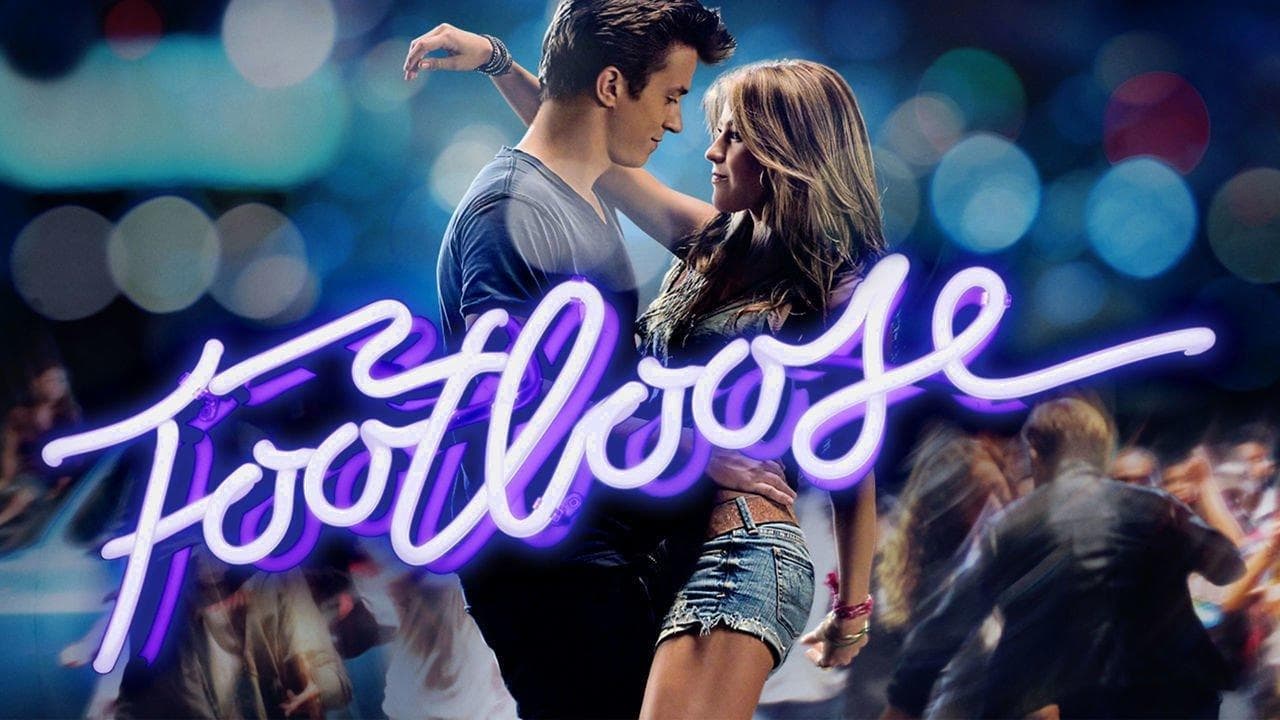
The 2011 remake of Footloose arrived at a very specific crossroads in Hollywood history. It was a moment when the industry was obsessed with "updating" the 1980s library for a generation raised on Step Up sequels and High School Musical, yet it was also the tail end of a time when a mid-budget drama could actually find a seat at the table. To be honest, I walked into this one with my arms crossed and a skeptical brow arched high enough to disappear into my hairline. Remaking Kevin Bacon’s career-defining moment felt like trying to paint a mustache on the Mona Lisa—unnecessary and likely to offend the purists.
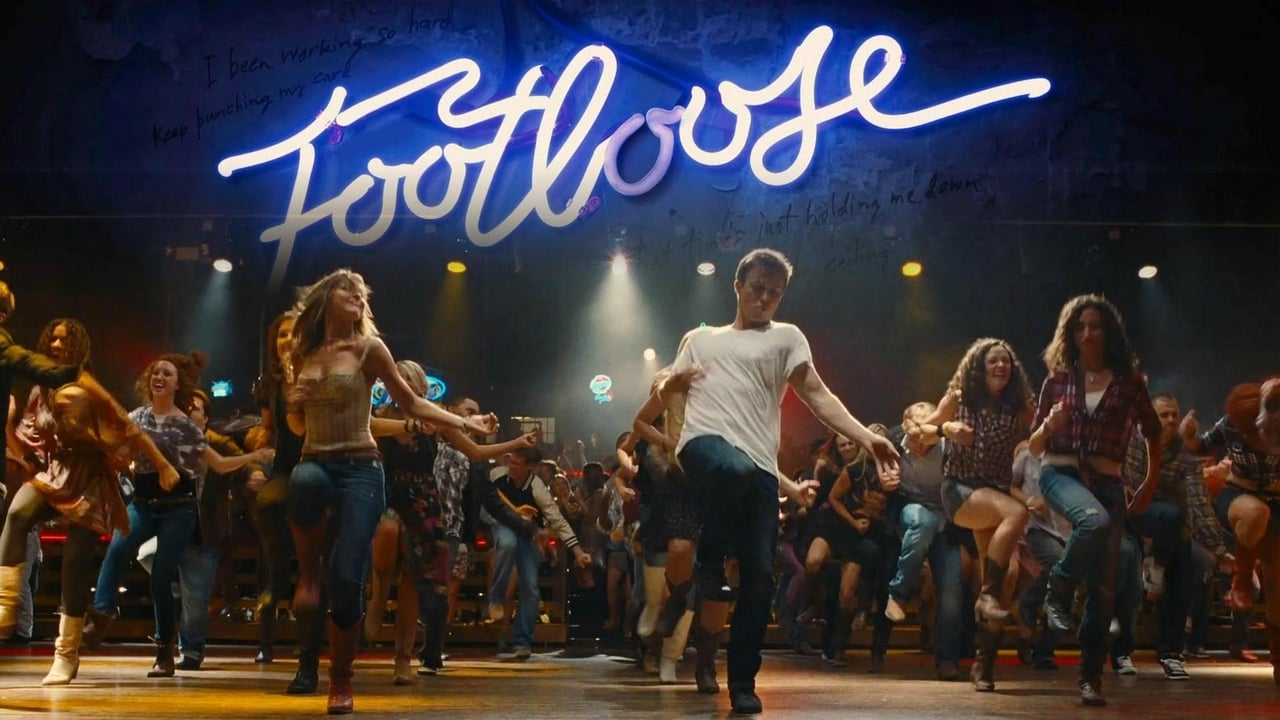
However, Craig Brewer (the man who gave us the gritty Hustle & Flow) didn't just photocopy the script. He took the skeletal remains of the 1984 classic and draped them in the humidity of a contemporary Georgia summer. I watched this on a Tuesday night while wearing one mismatched sock because my dryer had "eaten" the other one, and honestly, the lack of symmetry suited the film’s jagged edges perfectly.
Southern Fried Grief
What surprised me most about this iteration is how it anchors the "no dancing" law in something far more tangible than mere religious zealotry. The film opens with the horrific car crash that claims the lives of five local teens, including the son of the town’s spiritual leader. It transforms the ban from a goofy plot device into a manifestation of collective PTSD. Dennis Quaid plays Rev. Shaw Moore with a weary, fractured dignity that makes you understand his fear, even if you hate his methods. He isn't a cartoon villain; he’s a grieving father who has mistaken control for safety.
Then we get Kenny Wormald as Ren MacCormack. Replacing Kevin Bacon is a suicide mission, but Wormald—a professional dancer by trade—brings a Boston-bred "fish out of water" energy that feels authentic. He doesn't try to mimic Bacon’s twitchy charisma. Instead, he plays Ren as a kid who uses movement as a release for his own unspoken sorrow. When he eventually hits that "angry dance" in the warehouse, it feels less like a music video and more like a physical exorcism.
The Miles Teller Factor
If there is a singular reason to revisit this film today, it’s to witness the early-career spark of Miles Teller as Willard. Taking over a role made iconic by the late Chris Penn is no small feat, but Teller is the film’s secret weapon. He possesses that rare, effortless "dude you know from the hardware store" charm. Watching his awkward, limb-flailing journey toward learning how to keep a beat is genuinely funny and serves as the heart of the movie. It’s a reminder of why Miles Teller (long before Top Gun: Maverick or Whiplash) became a star; he’s the guy who makes the ridiculous feel relatable.

Opposite the boys, Julianne Hough steps into the role of Ariel Moore. Coming off the back of Dancing with the Stars fame, there was a lot of "stunt casting" chatter at the time, but she carries the weight of the "troubled preacher's daughter" archetype well. She and Wormald have a chemistry that feels appropriately teenage—lots of simmering glances and ill-advised stunts on moving trains. It’s basically a high-stakes episode of Glee with more sweat and fewer sweaters, and for a Friday night popcorn flick, that’s a compliment.
A Digital Reflection of the 2011 Aesthetic
Looking back at this film from over a decade out, you can see the digital transition in full swing. Cinematographer Amy Vincent captures a saturated, golden-hour South that feels worlds away from the grainy, film-stock texture of the 1984 version. It’s slicker, sure, but it also reflects that 2011 moment where "indie grit" was being polished by studio hands into something more palatable for a global audience.
Interestingly, Zac Efron was originally attached to play Ren, but he famously backed out to avoid being typecast as the "musical guy." His departure allowed Craig Brewer to lean into a slightly more muscular, Southern-rock vibe. The soundtrack reflects this too, blending the original hits with country-tinged covers that, surprisingly, don't make you want to plug your ears with movie theater napkins. Blake Shelton’s take on the title track is serviceable, but it’s the bluesy, slowed-down atmosphere of the rest of the score that keeps the film grounded.
The Legacy of the "Unnecessary" Remake
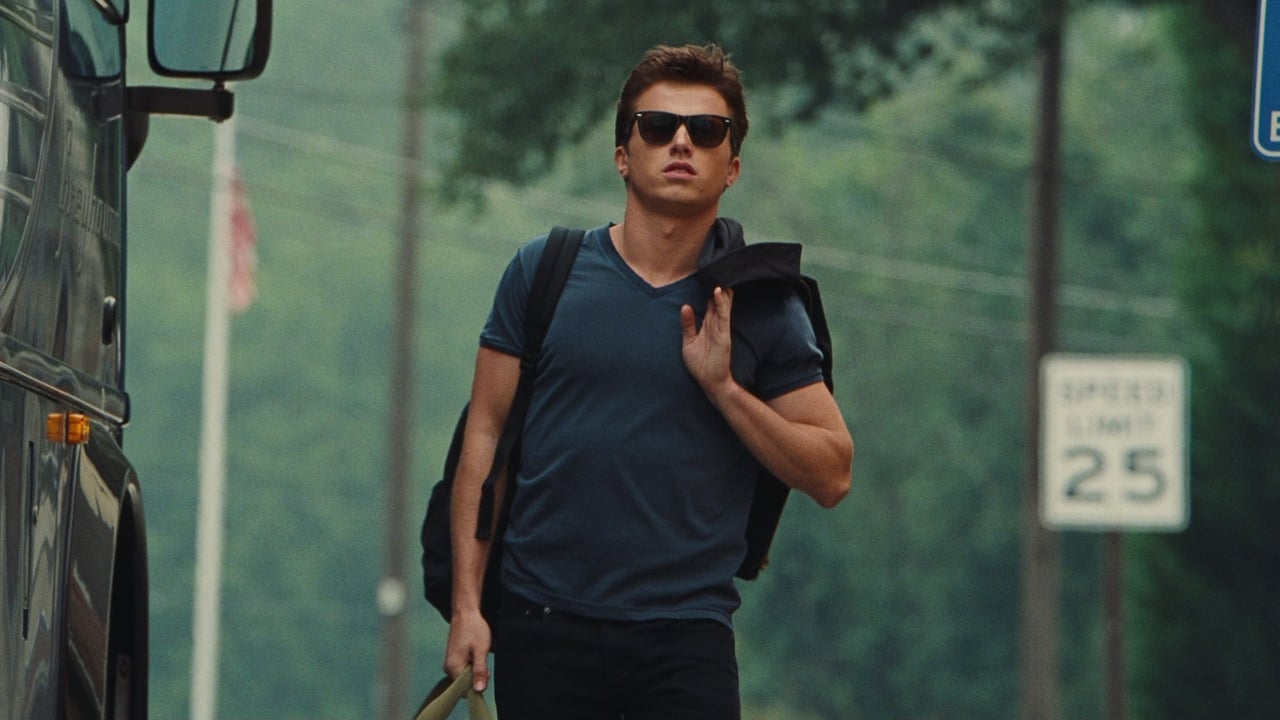
So, why has this film faded into the background while the original remains a staple of retro-themed parties? It’s likely because it’s too good at being a solid, mid-tier drama. It doesn't have the camp factor of the 80s, nor does it have the revolutionary digital effects that defined the era’s blockbusters. It’s a well-acted, beautifully shot drama about a kid who just wants to jump around.
The DVD release back in the day was packed with "how to dance" features—a relic of a time when we still bought physical discs to learn the steps to a movie’s climax. Reassessing it now, I find it's a far more thoughtful film than its "MTV-style" marketing suggested. It respects its source material but isn't afraid to get a little mud on its tires.
It’s easy to be cynical about remakes, but this one earns its keep by focusing on the characters rather than just the choreography. It captures a specific transitional moment in cinema where the old-school drama met the new-school digital sheen. If you’ve spent the last decade ignoring it because "Kevin Bacon did it better," you might find yourself surprised by how much heart is hidden under these new Sunday shoes.
Keep Exploring...
-

Black Snake Moan
2006
-
Nick and Norah's Infinite Playlist
2008
-
Crazy Heart
2009
-
Step Up All In
2014
-
Rock of Ages
2012
-
That Thing You Do!
1996
-
Honey
2003
-
Raise Your Voice
2004
-
Step Up
2006
-

High School Musical 2
2007
-

High School Musical 3: Senior Year
2008
-
Step Up 2: The Streets
2008
-

Hannah Montana: The Movie
2009
-

Step Up Revolution
2012
-
Begin Again
2014
-

High School Musical
2006
-

A Good Year
2006
-
Just My Luck
2006
-

Little Children
2006
-
Across the Universe
2007