Friends with Benefits
"Sex, snacks, and the death of the Hollywood cliché."
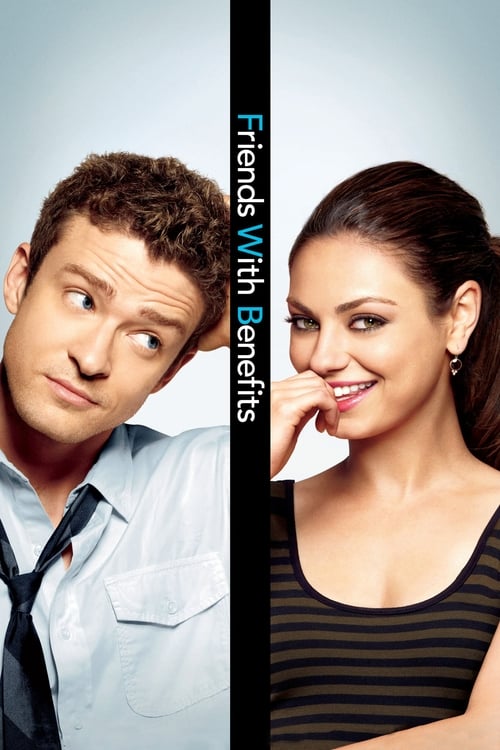
I remember 2011 as the year Hollywood decided we were all collectively over the "happily ever after." It was the summer of the cynical hookup. We had two movies with the exact same premise—attractive people trying to navigate a "sex-only" contract—fighting for our attention. On one side, you had No Strings Attached with Natalie Portman and Ashton Kutcher. On the other, the scrappy, fast-talking challenger: Friends with Benefits.

While the former felt like a standard studio rom-com with the "PG-13" edges filed off, Will Gluck’s film felt like it was actually in on the joke. I watched this recently on a Tuesday night while trying to fix a leaky faucet with a YouTube tutorial playing on mute, and even with the distraction of a soggy kitchen floor, the chemistry between the leads felt like a lightning strike.
The Battle of the Fast-Talkers
The magic here isn't the plot—you know exactly where this train is heading before the opening credits finish. The magic is the rhythm. Justin Timberlake plays Dylan, a Los Angeles-based art director who moves to NYC to work for GQ, and Mila Kunis is Jamie, the corporate headhunter who recruits him. They both claim to be "emotionally stunted" and "done with the Hollywood lie."
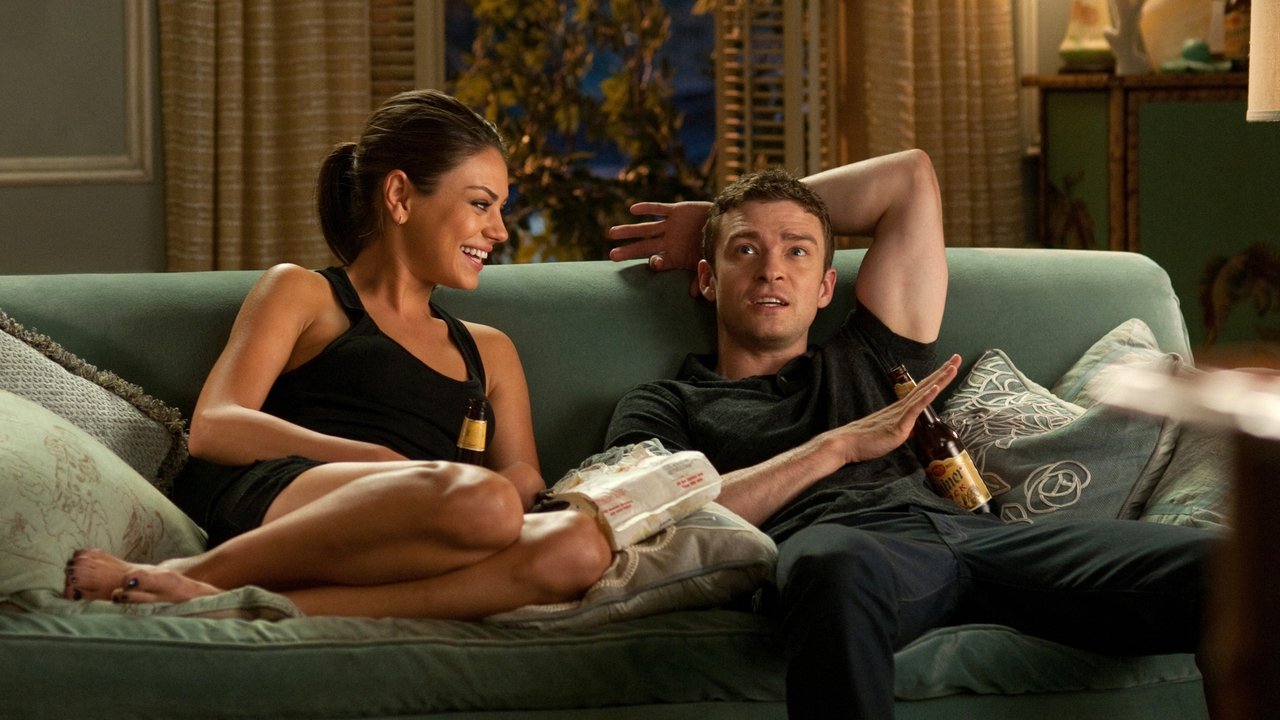
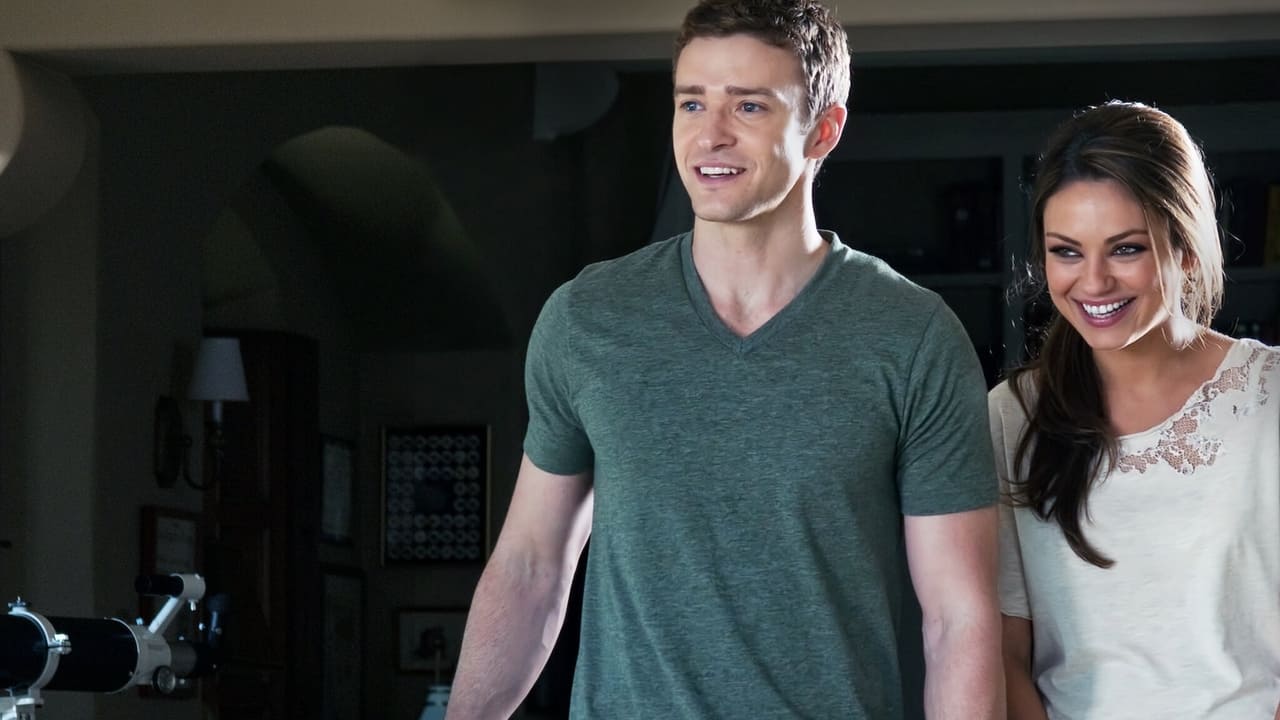
Their banter is relentless. It’s that Aaron Sorkin-lite, rapid-fire dialogue that defined the post-2010 comedy era. Justin Timberlake’s real talent isn't singing; it's being the most charmingly annoying guy in the room. He brings this high-energy, "I’m-too-smart-for-this" vibe that usually feels grating, but when paired with Mila Kunis, it just works. Kunis has this raspy, grounded energy that acts as a perfect tether to Timberlake’s manic theater-kid energy. They look like they actually like each other, which is a shockingly rare commodity in this genre.
Meta-Humor and the 2011 Time Capsule
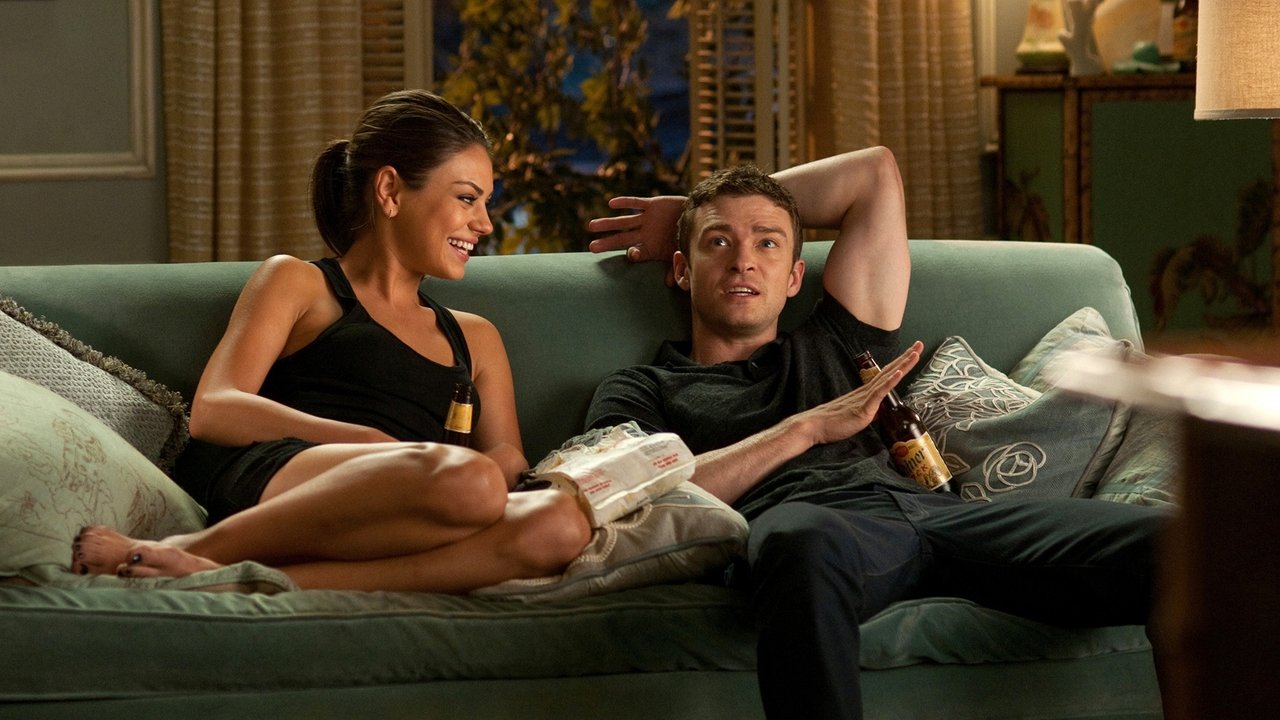
Friends with Benefits spends a lot of its runtime making fun of romantic comedies. They literally watch a fake rom-com starring Jason Segel and Rashida Jones within the movie just to mock the tropes. Dylan and Jamie pinky-swear on an iPad Bible (a very "cutting edge" 2011 moment) that they won't let feelings get in the way.
Looking back, the movie is a fascinating time capsule of that era’s transition. We see the emergence of the "Flash Mob" as a major plot point—something that felt trendy then but now feels like a cringe-inducing relic from a lost civilization. It also captures that specific moment when magazines like GQ were still the pinnacle of "making it," right before the digital pivot turned everything into a landscape of listicles and TikToks.
The film was a massive hit, raking in nearly $150 million on a modest $35 million budget. It succeeded because it felt "adult" without being grim. It leaned into its R-rating with dialogue that felt like how people actually talk about sex and relationships when they're three drinks deep at a dive bar.
The Secret Ingredient: A Sucker-Punch of Heart
What separates this from a standard "sex-capade" comedy is the supporting cast. Woody Harrelson shows up as a gay sports editor named Tommy, and he’s essentially playing a heightened, hilariously aggressive version of himself. He gives Dylan advice while jet-skiing or hitting golf balls off a skyscraper, and every line he delivers is a masterstroke of comedic timing. Patricia Clarkson is equally brilliant as Jamie's flighty, polyamorous mother, providing a chaotic mirror to Jamie's fear of commitment.
But the real curveball is Richard Jenkins as Dylan’s father. There is a subplot involving early-onset Alzheimer's that has no business being in a movie about two people trying to bang without feelings, yet it’s the thing that gives the film its soul. It grounds the "anti-romance" in real-world stakes. When Dylan sees his father’s vulnerability, it forces him to stop playing the "cool guy" and actually engage with his own life. It’s a tonal shift that could have derailed a lesser movie, but Gluck (who previously gave us the excellent Easy A) manages to keep the plates spinning.
In the decade-plus since its release, Friends with Benefits has aged surprisingly well. While the flash mobs are a bit of a "yikes" and the third act eventually surrenders to the very clichés it spent an hour mocking, the central pairing remains elite. It’s a movie that understands that the most attractive thing two people can do is be genuinely funny together. If you’re looking for a sharp, breezy watch that reminds you why we all had a crush on both these leads in the early 2010s, this is the one.
The film doesn't reinvent the wheel, but it polishes the spokes until they shine. It's the cinematic equivalent of a high-end burger: you know exactly what’s in it, but when the ingredients are this fresh, you don't care that you've had it a hundred times before. Just maybe skip the salt and vinegar chips while watching—trust me on that one.

Keep Exploring...
-

Anyone But You
2023
-

Love & Other Drugs
2010
-

The Bounty Hunter
2010
-
Midnight in Paris
2011
-

Silver Linings Playbook
2012
-

Warm Bodies
2013
-
The Break-Up
2006
-
The Artist
2011
-

Peter Rabbit 2: The Runaway
2021
-
Bird on a Wire
1990
-
Pretty Woman
1990
-
The Three Musketeers
1993
-
The Mask
1994
-

While You Were Sleeping
1995
-
Shakespeare in Love
1998
-
The Wedding Singer
1998
-

There's Something About Mary
1998
-
About a Boy
2002
-
Freaky Friday
2003
-

Just Married
2003