Grave Encounters
"Reality TV just lost its script—and the exit."
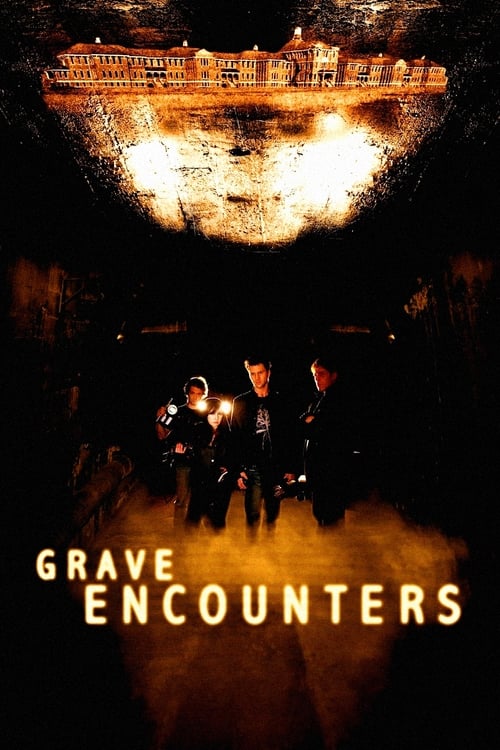
By 2011, the found footage genre was starting to feel like a houseguest who had overstayed their welcome and was now raiding your fridge for the last of the beer. Between the endless Paranormal Activity sequels and a mountain of direct-to-DVD imitators, the "shaky cam" gimmick was wearing thin. I went into Grave Encounters expecting another derivative slog, but what I found was a clever, mean-spirited, and genuinely disorienting little indie that knew exactly how to weaponize our cynicism against us.
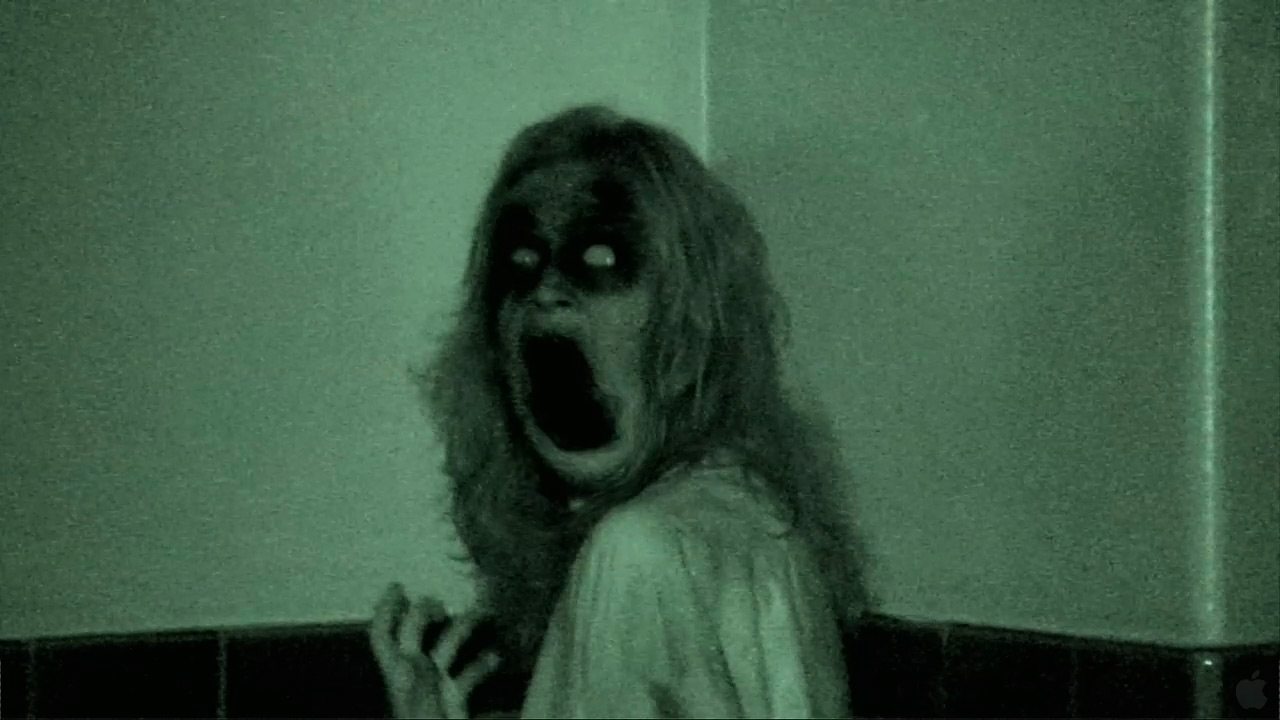
I watched this for the first time on a laptop in a darkened room while eating a bowl of cereal that was 40% milk and 60% soggy regret, and let me tell you—by the forty-minute mark, I’d completely forgotten about the cereal.
Faking the Funk
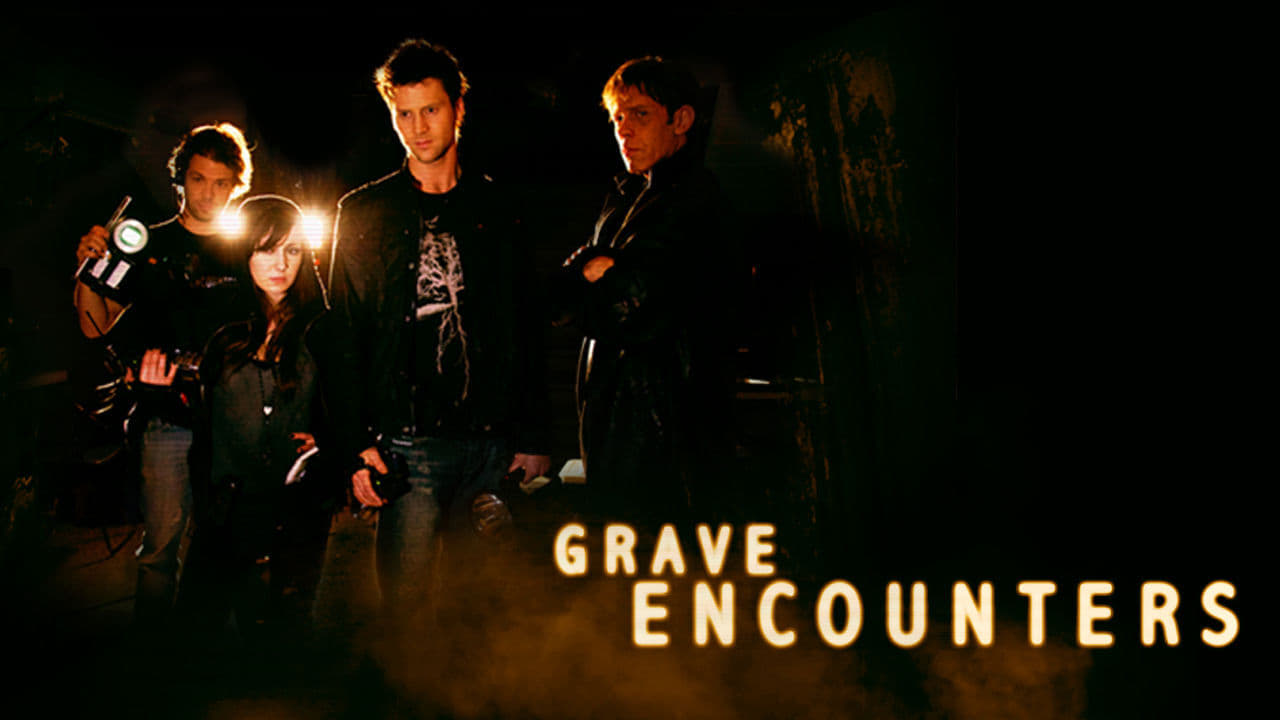
The film’s greatest strength is its first act, which functions as a biting satire of the "ghost hunter" reality TV craze that dominated the late 2000s. We meet Lance Preston, played with delightful sleaze by Sean Rogerson, the host of a struggling paranormal investigation show. He’s the kind of guy who pays a gardener twenty dollars to lie about seeing a ghost and rolls his eyes when his "medium," Houston Gray (Mackenzie Gray), starts hammy-ing it up for the cameras.
This setup is vital. By showing us the gears of the deception—the fake psychics, the rigged equipment, the staged interviews—directors Colin Minihan and Stuart Ortiz (billed as The Vicious Brothers) build a bridge of relatable skepticism. We’re in on the joke. We know these people are frauds, and we’re almost rooting for them to get a reality check. The early scenes at the Collingwood Psychiatric Hospital feel authentic to the era’s TV aesthetic, capturing that grainy, high-contrast digital look that defined shows like Ghost Adventures.
When the Hospital Bites Back
Once the crew is locked in for the night, the film shifts from satire to a claustrophobic nightmare. The "twist" here isn't just that ghosts exist—it’s that the building itself has decided to stop obeying the laws of physics. There’s a moment where they realize the sun hasn’t come up, even though their watches say it’s midday. They try to leave through the front doors, only to find a hallway where the exit should be.
This is where Grave Encounters earns its keep. It moves away from simple jump scares and enters the realm of spatial horror. The hospital becomes a sentient Labyrinth. Most found footage movies are just people screaming at bushes, but this one actually builds a terrifying, impossible architecture. I found myself leaning in, trying to map the geography of a place that was actively rewriting itself.
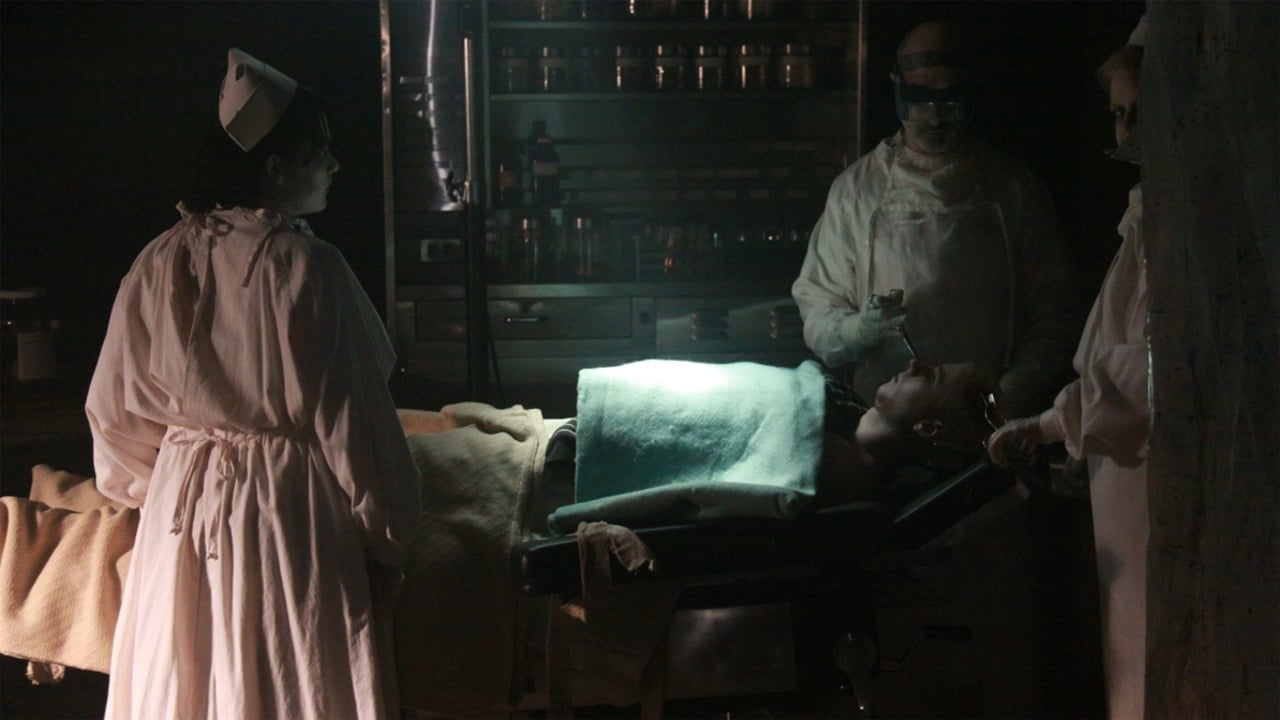
The horror mechanics are a mix of practical grit and early 2010s digital effects. While some of the CGI—specifically the "distorted screaming face" look that was trendy at the time—feels a bit dated now, the practical makeup and the sheer gloom of the location do the heavy lifting. The sight of a bathtub overflowing with black bile or a tongue-less specter in a hospital gown still hits with a nasty, visceral punch.
Indie Ingenuity and Riverview’s Ghosts
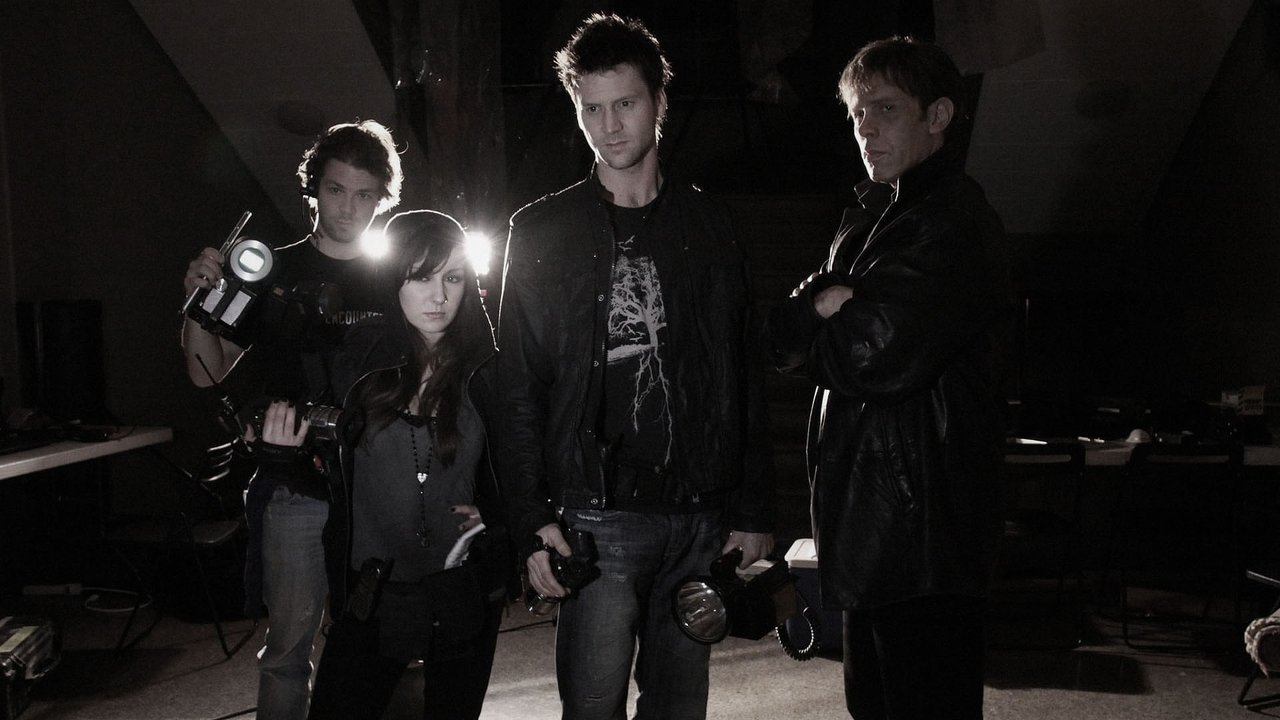
The behind-the-scenes story of Grave Encounters is a classic "little engine that could" tale. Produced for roughly $1 million, it was shot in just twelve days. That frantic pace likely contributed to the genuine sense of exhaustion and panic in the cast. Ashleigh Gryzko, Merwin Mondesir, and Juan Riedinger all deliver performances that feel increasingly unhinged as the "night" drags on for days.
The real star, however, is the location. The film was shot at the Riverview Hospital in Coquitlam, British Columbia. If you’re a fan of The X-Files or Supernatural, you’ve seen this building before—it’s the go-to "spooky hospital" for Canadian productions. The Vicious Brothers didn't have to do much to make the peeling paint and long, echoing corridors look menacing; the building already feels like it’s exhaling misery. The production team leaned into the low budget, using the natural decay of the setting to create an atmosphere that felt far more expensive than it actually was.
It’s also worth noting how this film found its legs. It didn't have a massive theatrical push; instead, it became a viral sensation. The trailer, which featured some of the film’s most jarring imagery, racked up millions of views on YouTube back when that was still a relatively new phenomenon for indie horror. It’s a quintessential "discovery" film—the kind you’d find on a streaming service at 2 AM and tell all your friends about the next day.
Grave Encounters is a rare example of a found footage movie that justifies its own existence. It takes a tired trope and injects it with enough meta-commentary and Lovecraftian dread to keep it upright. It understands that the only thing scarier than being hunted by a ghost is being trapped in a place where the doors don't lead outside anymore. While it leans into a few genre clichés toward the end, the journey into the dark remains a genuinely unsettling ride that respects the viewer's intelligence while scaring the hell out of them.

Keep Exploring...
-
Grave Encounters 2
2012
-
P2
2007
-
The Orphanage
2007
-
After.Life
2009
-
I Spit on Your Grave
2010
-
The Last Exorcism
2010
-

Red State
2011
-
The Awakening
2011
-

Sinister
2012
-
V/H/S
2012
-
Dark Skies
2013
-
You're Next
2013
-
![[REC]⁴ Apocalypse backdrop](https://image.tmdb.org/t/p/w780/wKQpAxTL5MOpkb9Mk6w4vabtSe7.jpg)
[REC]⁴ Apocalypse
2014
-
Ring
1998
-

The Devil's Backbone
2001
-
The Hole
2001
-

Dog Soldiers
2002
-
High Tension
2003
-
Open Water
2004
-
Shutter
2004