Hanna
"Grimm’s Fairy Tales by way of a Glock."
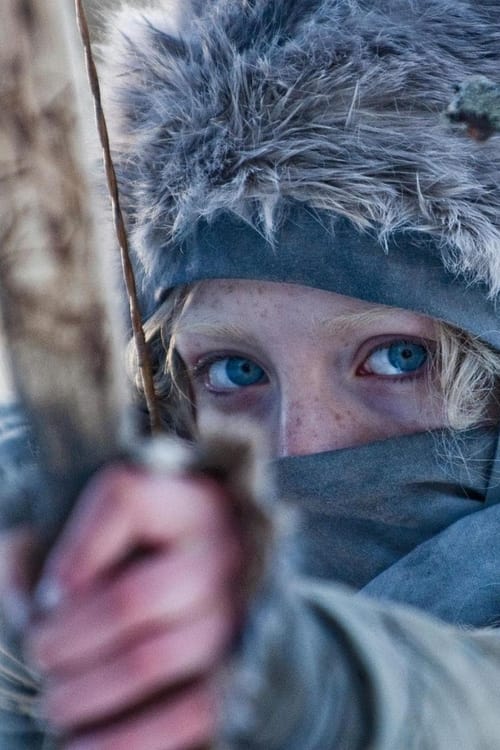
The first time I saw Saoirse Ronan on screen in Hanna, she was gutting a reindeer in the frozen Finnish wilderness. It was 2011, a year when the "teen girl assassin" trope was dangerously close to becoming a bargain-bin cliché, but director Joe Wright decided to treat the concept like a dark, psychedelic fable rather than a standard Bourne knockoff. While most action directors of that era were still obsessed with the shaky-cam "chaos cinema" popularized by The Bourne Ultimatum, Wright brought the steady, lyrical eye of a period-piece veteran to a story about a girl who has never heard music, seen a TV, or met another person besides her father.

I actually watched this for the third time while sitting on a train next to a woman who was intensely knitting a neon green sweater, and I realized that the rhythmic click-clack of her needles synced up perfectly with the film's relentless electronic score. It’s that kind of movie—it invades your personal space and forces the world around you to match its tempo.
The Art-House Action Hero
Joe Wright was a strange choice for this. At the time, he was the guy known for Atonement and Pride & Prejudice—the king of long takes and literary longing. But that’s exactly why Hanna works. He treats the action with a formal elegance that was rare in the early 2010s. There is a specific sequence where Eric Bana (playing Hanna’s father, Erik) is ambushed in a Berlin subway station. Instead of a mess of quick cuts, Wright uses a single, gliding tracking shot that follows Bana from the street, down the stairs, and into a brutal three-on-one brawl.
You can see the sweat; you can see the effort. It’s a reminder that before the MCU turned every fight into a digital blur of pixels, there was a brief window where mid-budget action movies were still obsessed with physical reality. Eric Bana is essentially a human brick wall in this movie, and his fighting style feels heavy and desperate, providing a perfect contrast to Saoirse Ronan’s ethereal, almost ghost-like movement.
Beats, Bass, and Big Bad Wolves
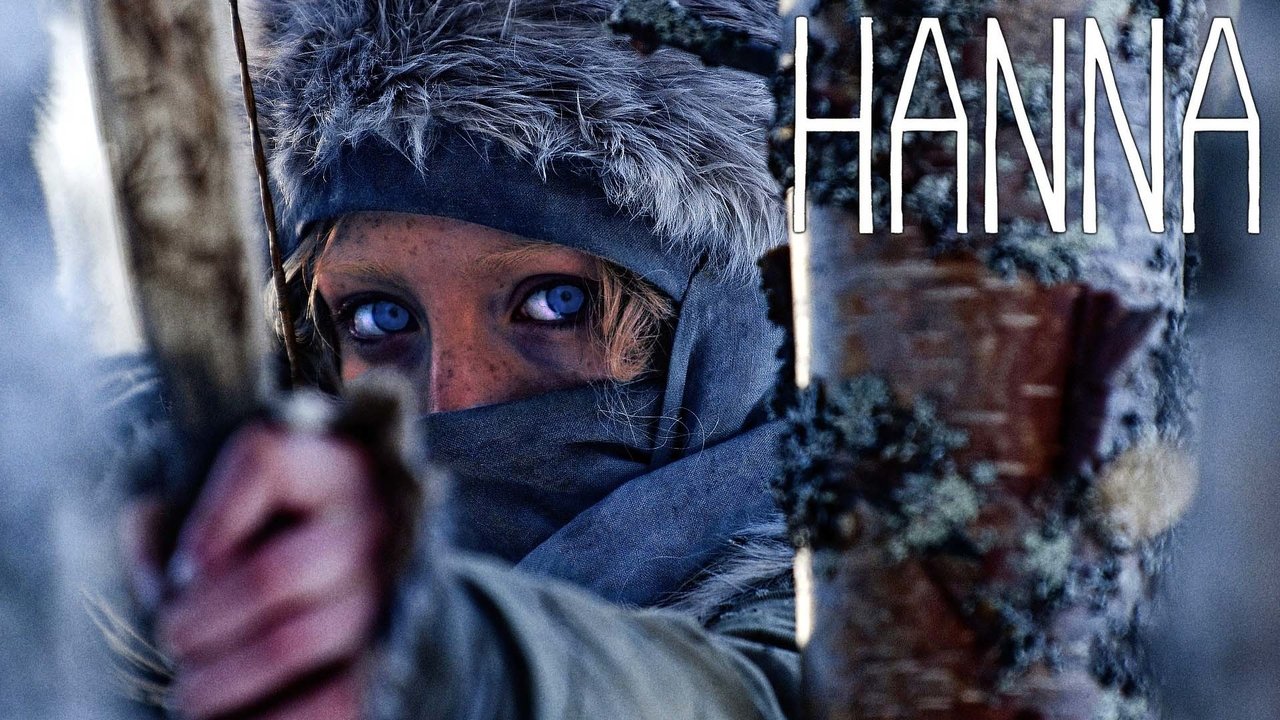
If you’re going to talk about Hanna, you have to talk about The Chemical Brothers. In 2011, the "celebrity composer" trend was peaking (think Daft Punk and Tron: Legacy), but this score is something else entirely. It isn't just background noise; it's a character. The music often starts as a diegetic sound—a whistle or a mechanical hum—before blooming into a full-blown techno assault.
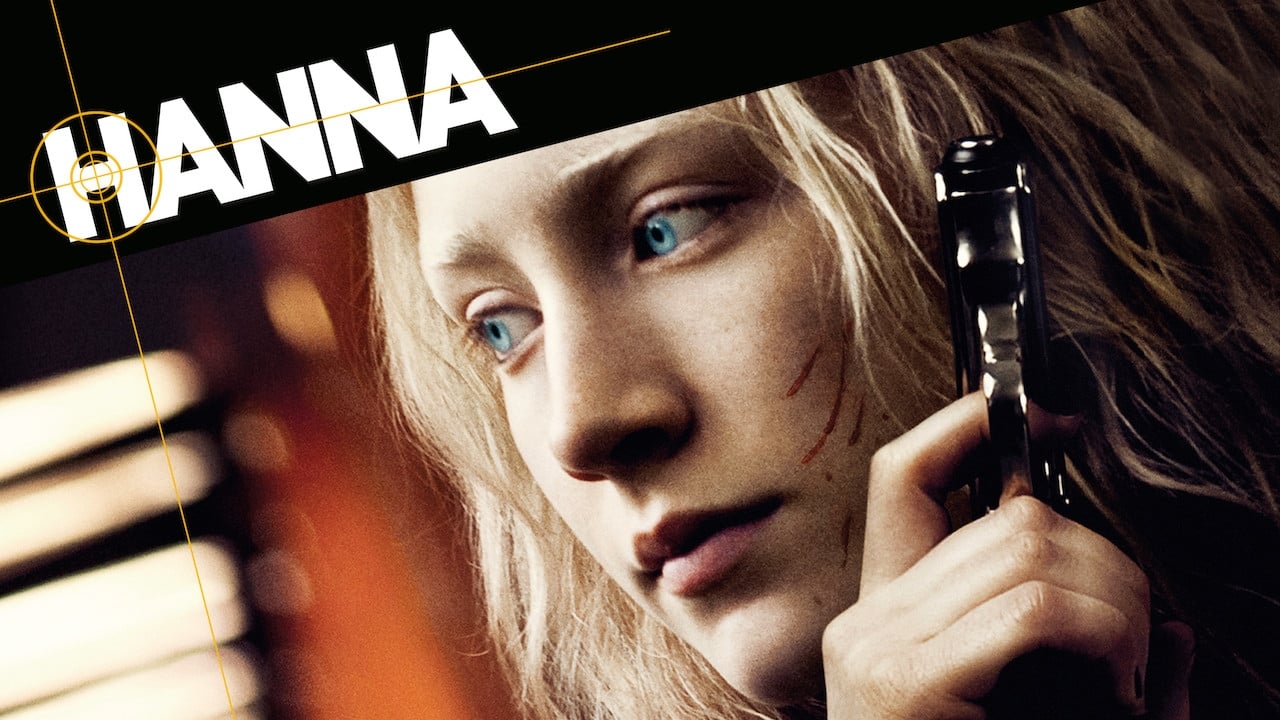
There’s a scene where the villainous Marissa Wiegler, played with chilling, tooth-brushing precision by Cate Blanchett, is introduced. Marissa Wiegler is basically a sentient cigarette in a tailored suit, and the way her cold, bureaucratic evil is paired with the pulsing synth-pop creates a vibe that I can only describe as "industrial fairy tale."
The film leans hard into that Grimm brothers’ aesthetic. Wiegler is the Wicked Witch, Erik is the woodcutter, and the finale literally takes place in an abandoned amusement park where characters exit through the literal mouth of a "Big Bad Wolf" prop. It’s a cult classic because it refuses to be just one thing. One minute it’s a fish-out-of-water comedy involving a teenage Jessica Barden (who is hilarious as a pampered British tourist), and the next, it’s a cold-blooded thriller about DNA experimentation.
Stuff You Didn't Notice

The "cult" status of Hanna didn't happen overnight, but the deeper you dig into the production, the more you appreciate the weirdness. For instance, Tom Hollander plays Isaacs, a flamboyant, tracksuit-wearing mercenary who feels like he wandered in from a completely different, much stranger movie. Apparently, his character’s wardrobe was inspired by the idea of a "nasty German skinhead who went to art school," and every time he’s on screen, the film’s "creep factor" triples.
Interestingly, Saoirse Ronan was only fifteen during filming but insisted on doing the vast majority of her own stunts. She trained for months in martial arts and weaponry, which is why those fight scenes look so convincing. There’s no stunt double fluffing the lines of her silhouette.
The film also captures a very specific moment in the digital-to-analog transition. It was shot on 35mm film by Alwin H. Küchler, giving it a grainy, tactile texture that CGI-heavy modern thrillers often lack. The locations are real—from the sub-zero temperatures of Finland to the dusty heat of Morocco—and you can feel that environmental shift in your bones as Hanna travels across the map.
Hanna is that rare action film that actually rewards your undivided attention rather than just acting as wallpaper for your phone scrolling. It’s a stylish, sonic-driven odyssey that managed to feel "indie" despite its $30 million budget. It’s the kind of movie that makes you want to go for a run, buy a pair of green tracksuits, and listen to British big-beat techno at an irresponsible volume. If you missed it during its initial run, it’s time to catch up; it has aged much better than the generic spy thrillers that tried to imitate its swagger.

Keep Exploring...
-
9
2009
-
The Grey
2012
-

The Host
2013
-

16 Blocks
2006
-
Mission: Impossible III
2006
-
Poseidon
2006
-

G.I. Joe: The Rise of Cobra
2009
-
Push
2009
-
Green Zone
2010
-

G.I. Joe: Retaliation
2013
-
RoboCop 2
1990
-
Serenity
2005
-
Quantum of Solace
2008
-
Killer Elite
2011
-
Dante's Peak
1997
-

Starship Troopers
1997
-
The Jackal
1997
-
Lethal Weapon 4
1998
-
The Matrix Revolutions
2003
-
The Rundown
2003