Harry Potter and the Deathly Hallows: Part 2
"A decade of cinematic magic culminates in a gritty, high-stakes siege on childhood itself."
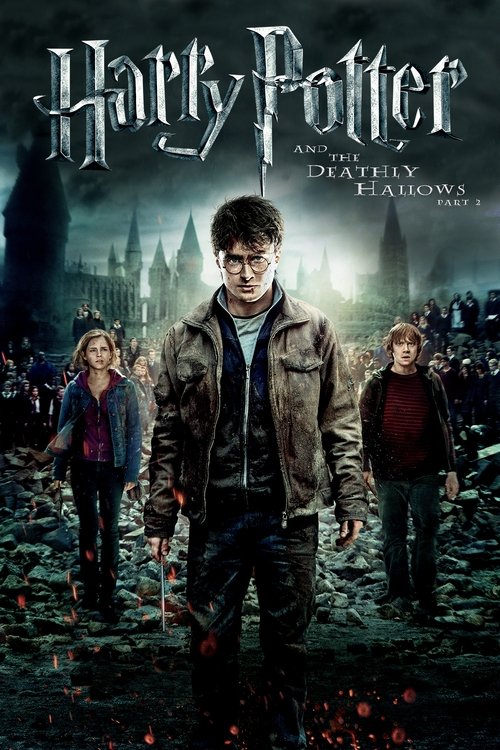
I remember watching this in a theater that smelled faintly of damp wool because it had been raining all day, and honestly, the humidity only added to the "Scottish Highlands" vibe of the whole experience. There was this palpable weight in the room—a mix of excitement and the creeping realization that my childhood was officially being decommissioned. By the time the Warner Bros. logo drifted across the screen in its gloomiest, most rusted-out iteration yet, you could have heard a gumdrop hit the floor.
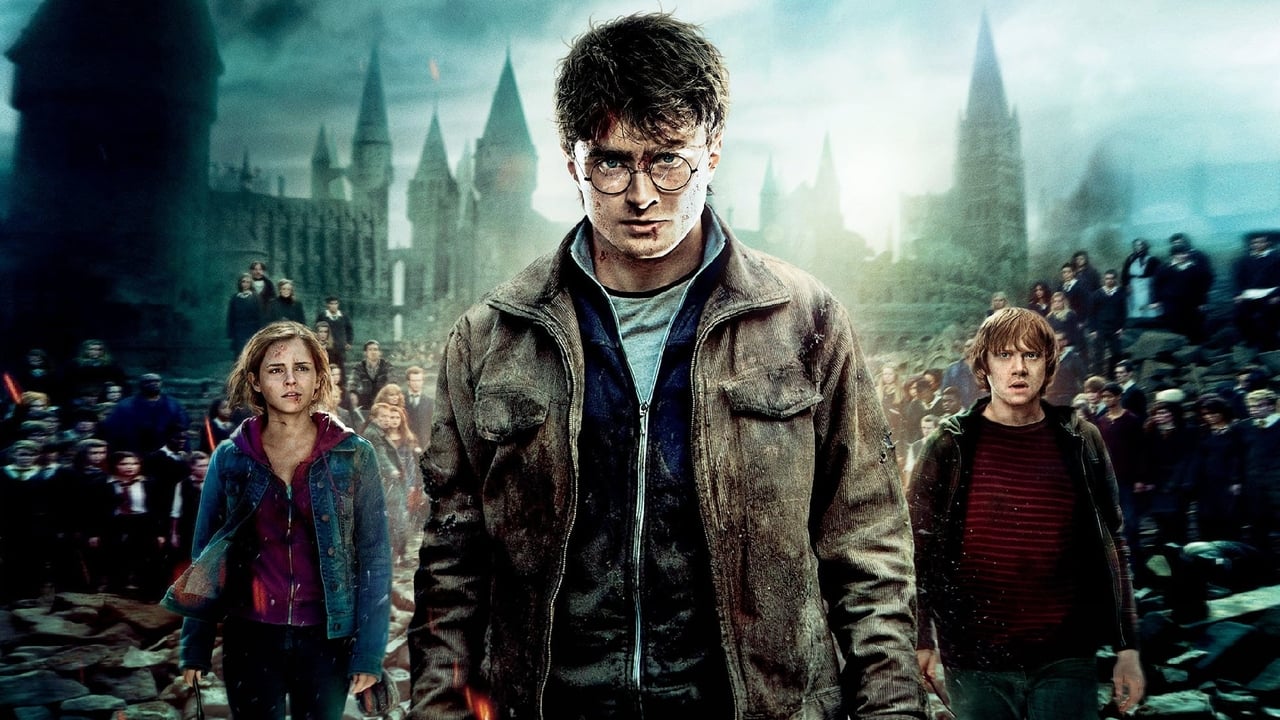
Harry Potter and the Deathly Hallows: Part 2 wasn't just a movie; it was the final lap of a ten-year cultural marathon. Looking back from our current era of "Content" and endless cinematic universes, it’s easy to forget how risky this two-part finale felt in 2011. Before every studio started bifurcating their finales to squeeze out extra pennies, David Yates (The Legend of Tarzan) and producer David Heyman had to prove that splitting J.K. Rowling’s final book wasn't just a cynical cash grab.
The Siege of Hogwarts
Unlike the meditative, camping-in-the-woods pace of Part 1, this film is essentially a 130-minute siege movie. It’s Saving Private Ryan with wands. The transition from the whimsical, chocolate-frog-filled corridors of the early Chris Columbus films to this ash-strewn battlefield is one of the most successful tonal shifts in franchise history.
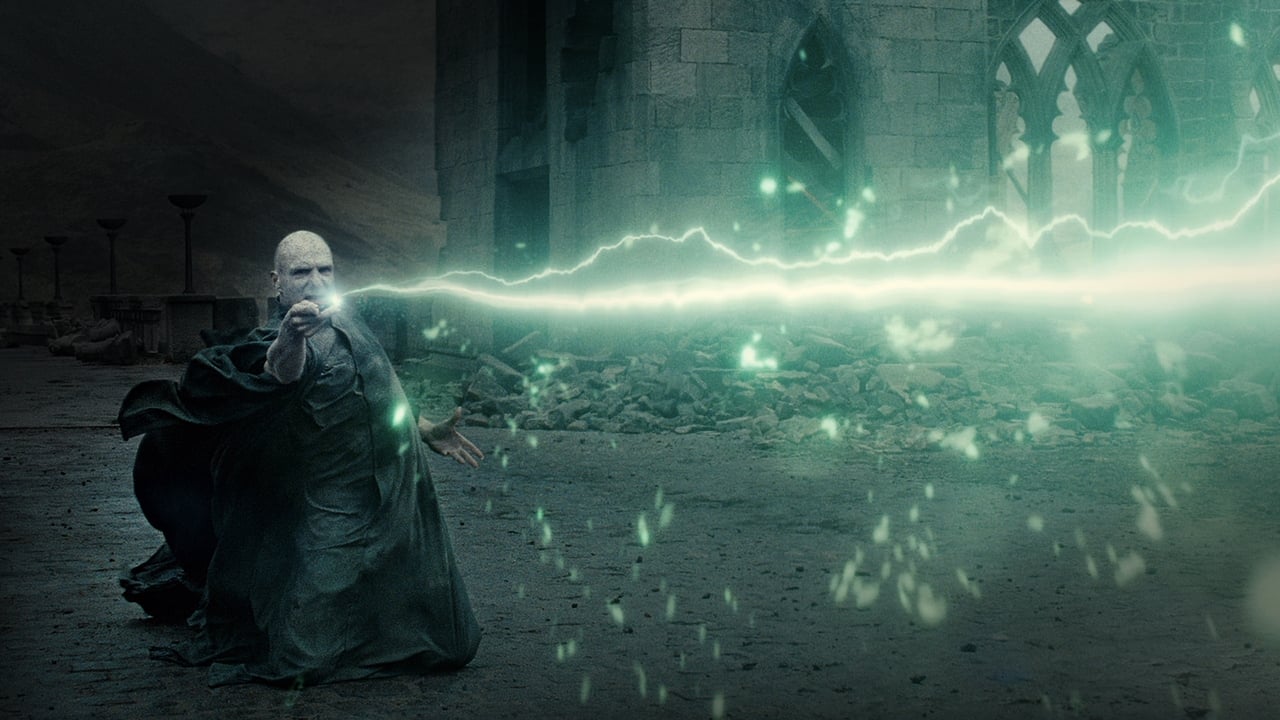
The adventure here is frantic and vertical. From the heist at Gringotts—featuring a pale, abused dragon that remains one of the most soulful pieces of CGI of the era—to the final showdown in the Great Hall, the momentum never flags. Eduardo Serra’s cinematography is so desaturated it’s practically monochrome, but it works. It reflects a world where the "wonder" of magic has been replaced by its utility as a weapon. I still think the CGI-confetti death of Voldemort felt like a digital shrug compared to the book's grounded ending, but the scale of the destruction at Hogwarts is undeniably impressive. It felt like watching your elementary school get leveled by a wrecking ball.
A Prince’s Redemption
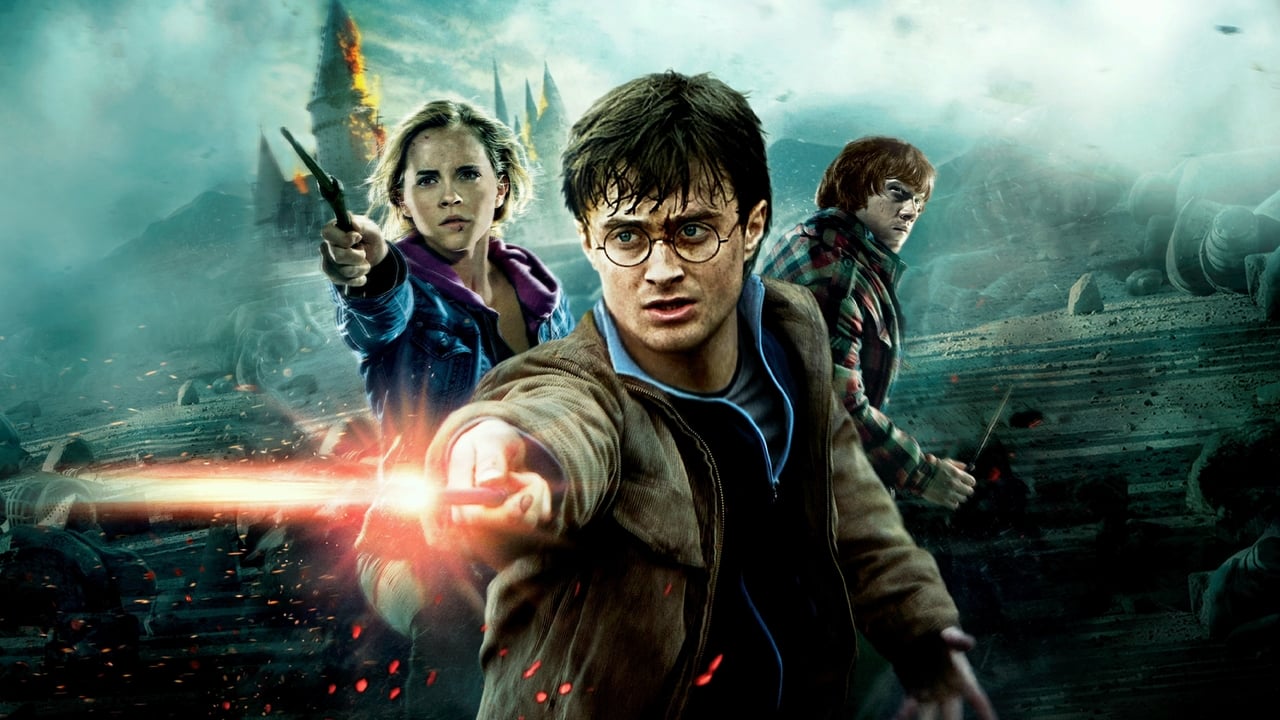
While Daniel Radcliffe (Swiss Army Man) anchors the film with a weary, soulful maturity, the movie belongs—lock, stock, and barrel—to Alan Rickman. Looking back at his performance as Severus Snape through a post-2016 lens is an emotional gauntlet. Rickman (whom many of us first loved as Hans Gruber in Die Hard) plays the "The Prince’s Tale" sequence with such agonizing restraint that it justifies the entire eight-film build-up.
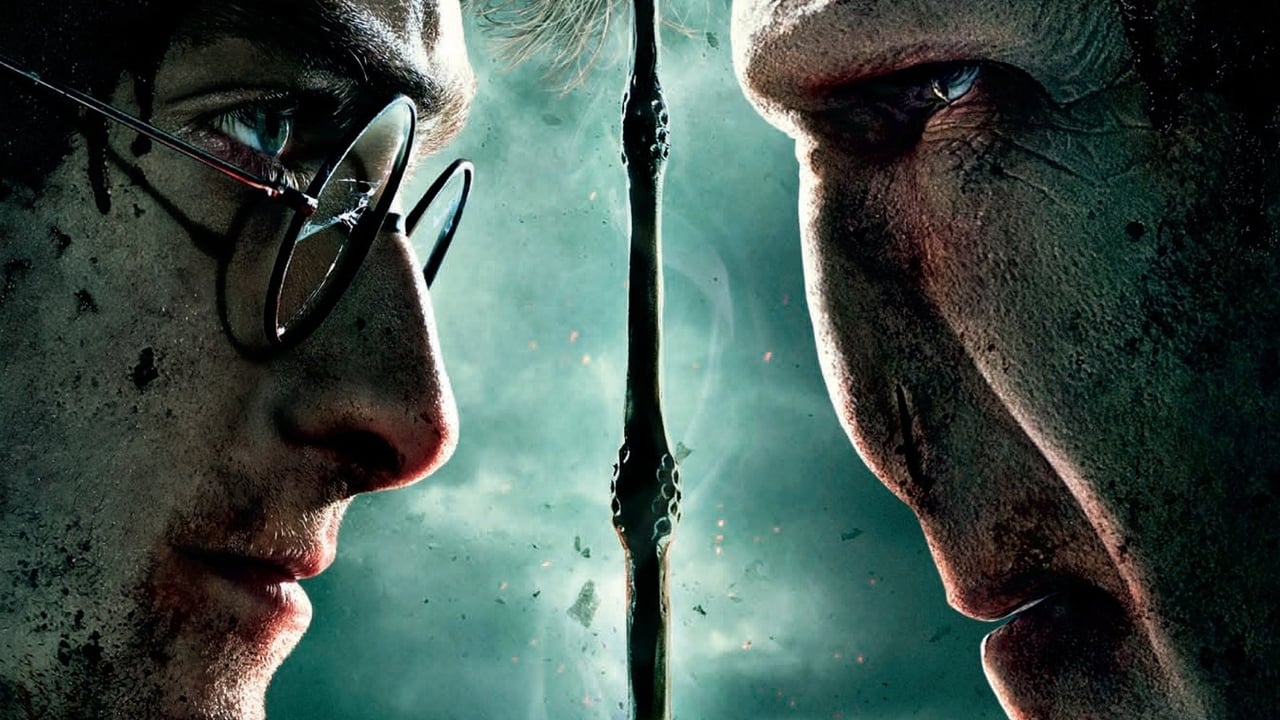
Those five minutes of pensieve-memory-jumping are arguably the peak of the entire franchise. It’s a masterclass in how to recontextualize a character’s entire history without saying a word. When Ralph Fiennes (The English Patient), playing a Voldemort who is increasingly unhinged and desperate, finally dispatches Snape, the silence in the theater was deafening. Fiennes is terrifying here, not because he’s a monster, but because he starts to look like a man who knows he’s losing. His weird, improvised hug with Tom Felton's Draco Malfoy remains one of the most unintentionally hilarious and deeply uncomfortable moments in blockbuster history.
The Billion-Dollar Finish Line
The financial footprint of this film is staggering. It didn't just perform; it dominated. With a budget of $125 million (part of the $250 million block for both parts), it hauled in over $1.34 billion. At the time, it was the third highest-grossing film ever, trailing only Avatar and Titanic. It was the ultimate "watercooler" movie before social media fully fractured our attention spans.
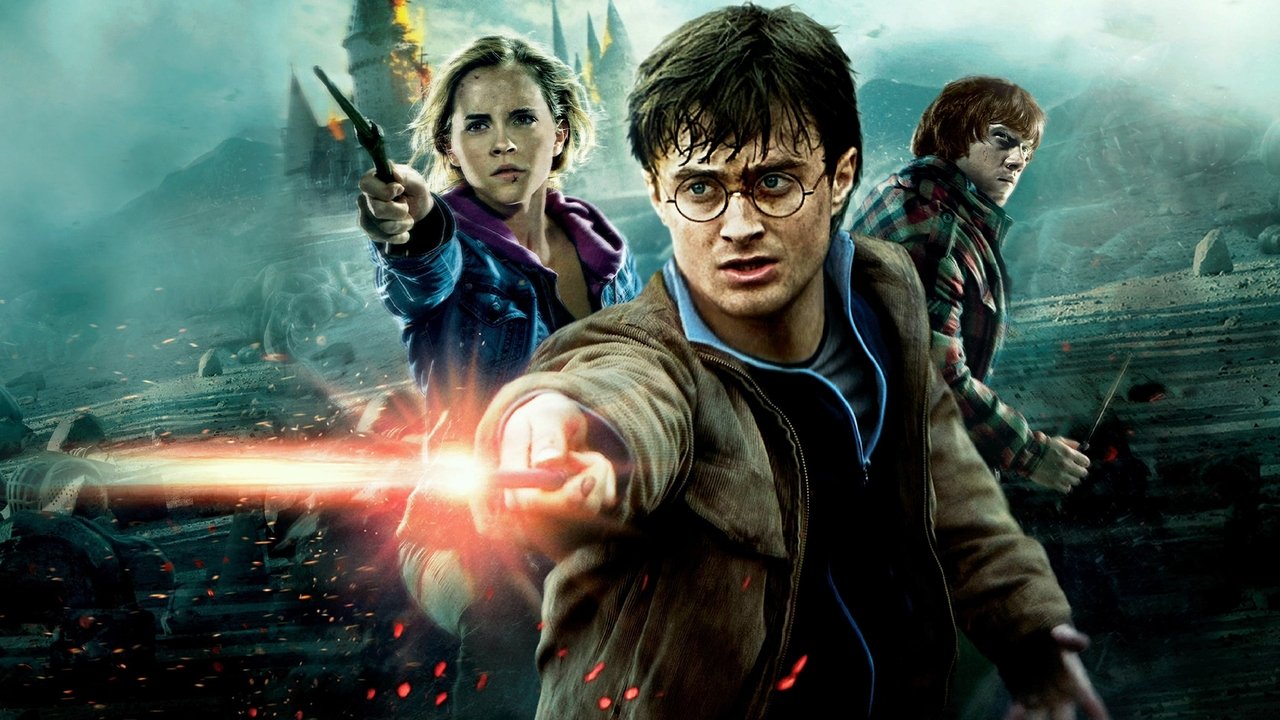
The production trivia is just as gargantuan. Apparently, the crew built the Great Hall set for the first movie and literally destroyed it for this one—a decade of history turned into actual rubble. Ralph Fiennes reportedly had to have his nose digitally removed in every single frame, a process that required a small army of effects artists at Moving Picture Company. It’s also worth noting that the "19 Years Later" epilogue had to be partially reshot because the original prosthetic makeup made the trio look like "wrinkly pears" rather than thirty-somethings. Even with the reshoots, the epilogue remains the most expensive-looking high school play ever filmed, but I’ll forgive it for the sheer emotional closure.
Deathly Hallows: Part 2 is the rare franchise finale that actually sticks the landing. It trades the wide-eyed curiosity of the earlier films for a bruised, battered sense of duty, proving that these characters grew up right alongside their audience. While the desaturated visuals and the "Part 2" structure became a template that many lesser films would over-utilize in the years to follow, here it feels earned. It’s a massive, thunderous goodbye to the Boy Who Lived, and it still hits like a Bludger to the chest.
Keep Exploring...
-
Harry Potter and the Deathly Hallows: Part 1
2010
-
Harry Potter and the Order of the Phoenix
2007
-
Harry Potter and the Half-Blood Prince
2009
-
Harry Potter and the Goblet of Fire
2005
-
Harry Potter and the Prisoner of Azkaban
2004
-
Harry Potter and the Philosopher's Stone
2001
-
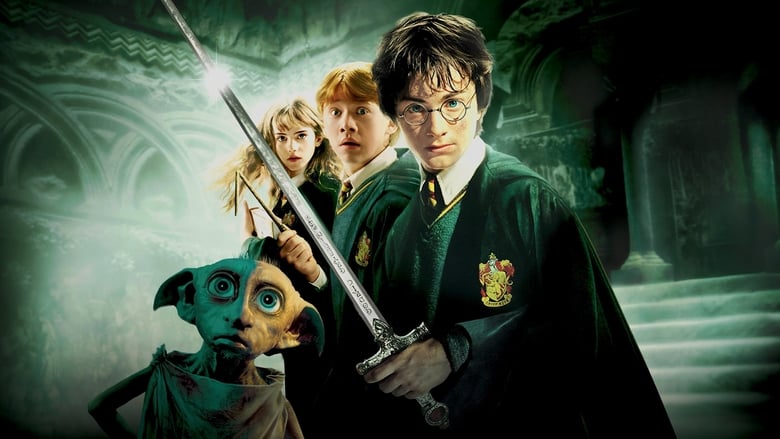
Harry Potter and the Chamber of Secrets
2002
-
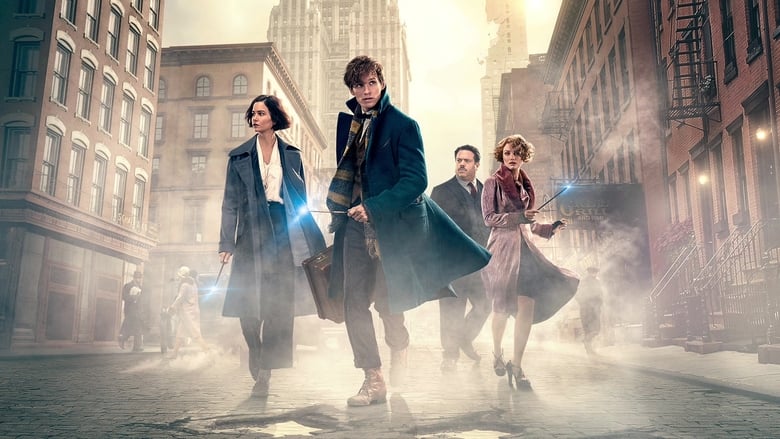
Fantastic Beasts and Where to Find Them
2016
-

Frozen
2013
-

Pirates of the Caribbean: Dead Man's Chest
2006
-
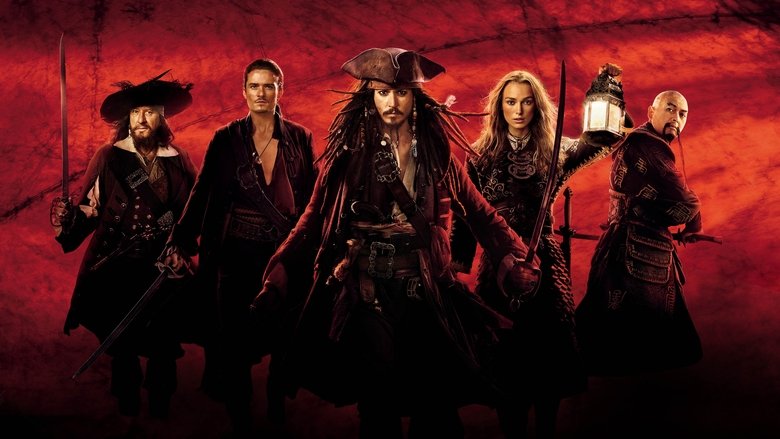
Pirates of the Caribbean: At World's End
2007
-
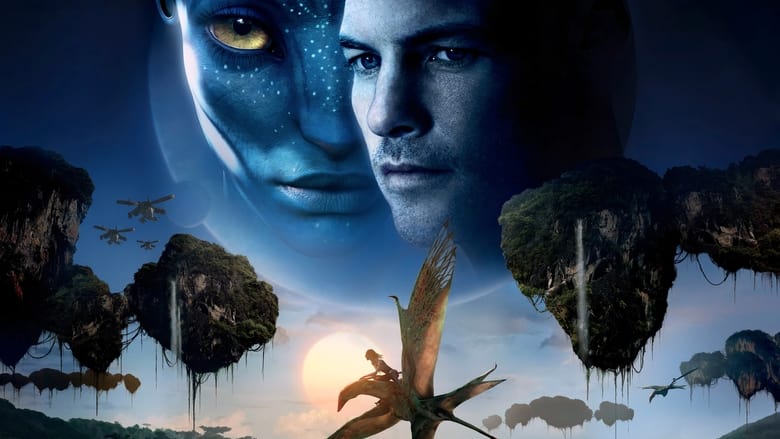
Avatar
2009
-
How to Train Your Dragon
2010
-
The Hobbit: An Unexpected Journey
2012
-

The Hobbit: The Desolation of Smaug
2013
-
How to Train Your Dragon 2
2014
-
Maleficent
2014
-
The Lego Movie
2014
-
Jumanji
1995
-
Shrek
2001