Haywire
"The hits don't just land; they hurt."
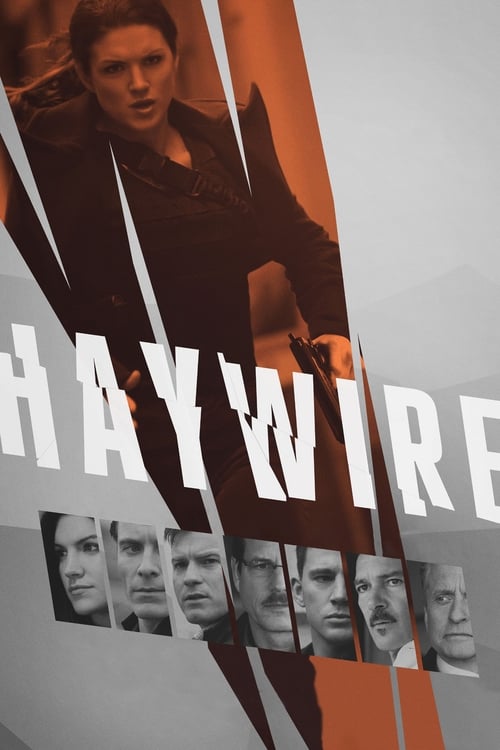
I first watched Haywire on a scratched DVD I picked up for two dollars during the final, depressing days of a local Blockbuster. I remember sitting on my floor, eating a slightly-too-old granola bar, and being genuinely startled by the sound of Michael Fassbender’s head hitting a hotel room headboard. It wasn’t the usual Hollywood "thud" that sounds like a watermelon falling onto a carpet; it was a sharp, clinical, bone-on-wood crack that made me look away from the screen.
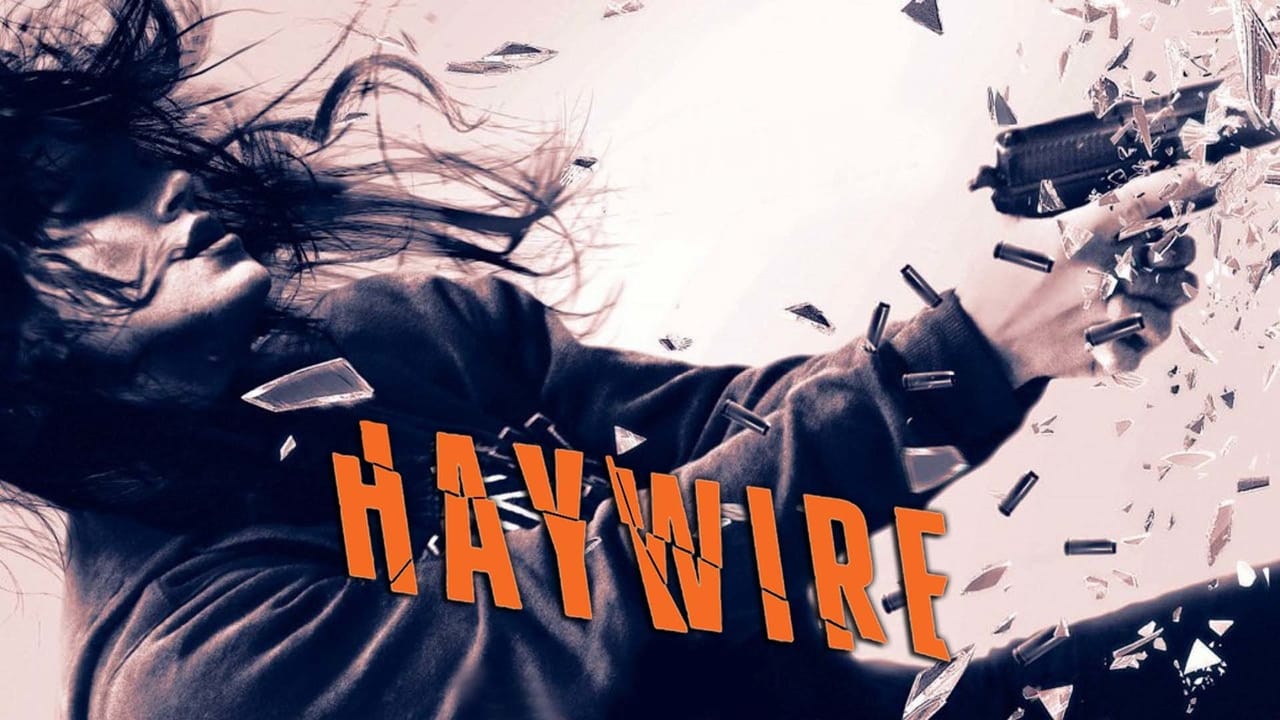
That’s the Steven Soderbergh magic. In 2011, while the rest of the industry was busy trying to copy the "shaky-cam" chaos of the Bourne sequels, Soderbergh decided to strip the action genre down to its bare, bruised skin. He didn’t want a movie star who had trained for three months with a stunt coordinator; he wanted a legitimate weapon. He found that in MMA fighter Gina Carano, and then he surrounded her with enough Oscar nominees to staff a small university.
The Sound of Silence
The most striking thing about Haywire—and the reason it likely baffled audiences who were expecting a standard January action flick—is what you don’t hear. Most modern action sequences are buried under a layer of orchestral bombast designed to tell you exactly how to feel. If the hero is winning, the trumpets blare; if they’re losing, the cellos groan. Soderbergh throws that out the window.
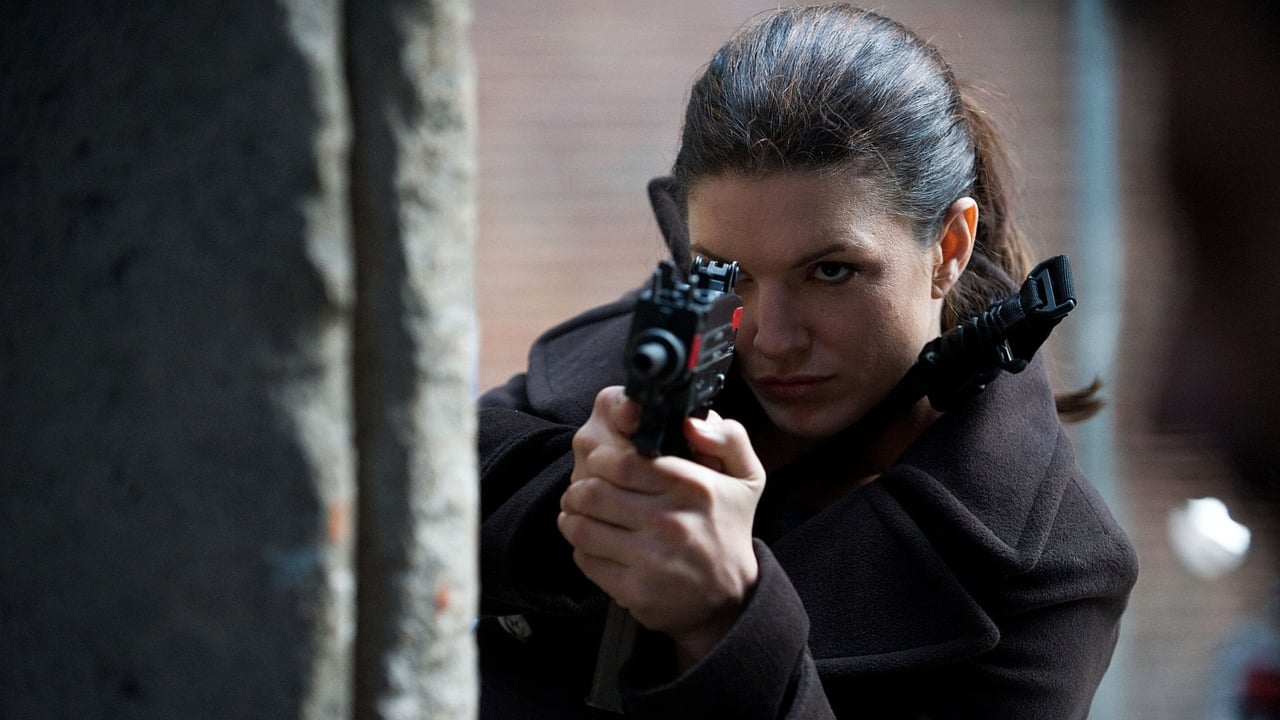
When Gina Carano (as Mallory Kane) enters a room to dismantle a threat, the music usually stops. You hear the rustle of a jacket, the heavy breathing of two people who are actually exhausted, and the terrifyingly wet sound of a fist connecting with a jaw. It’s an incredibly bold choice that makes the violence feel intimate and slightly unpleasant. This movie treats a fight scene like a plumbing repair: it’s mechanical, messy, and involves a lot of heavy lifting.
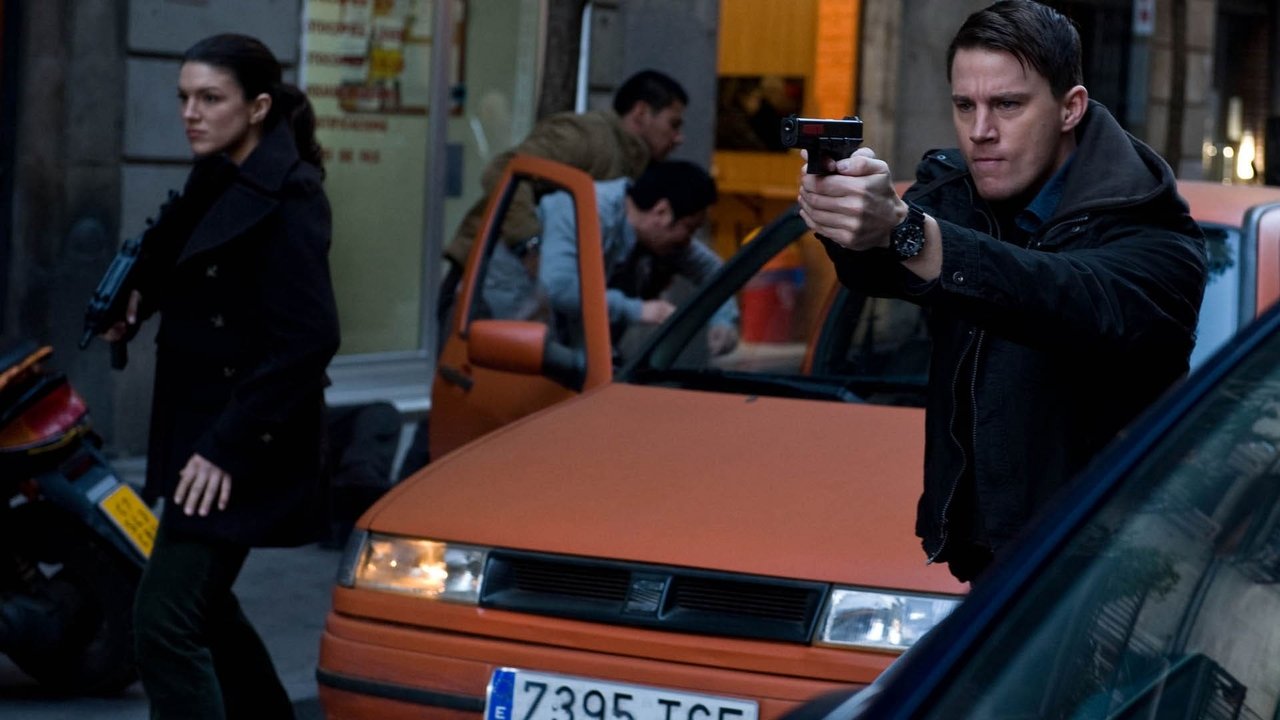
Looking back from a decade later, the choreography is a revelation. Because Carano is a professional fighter, Soderbergh can keep the camera back. There’s no need for 1,000 rapid-fire cuts to hide the fact that a stunt double is doing the work. You see the leverage, the weight distribution, and the sheer physicality. When she fights Channing Tatum in a diner or Ewan McGregor on a beach, you believe she is actually winning because you can see the physics of it happening in real-time.
A Masterclass in Casting Against Type

There is something deeply funny about the central conceit of this film. Soderbergh essentially took $23 million of Relativity Media’s money to create the world’s most expensive Tinder date from hell. He gathers these titans of cinema—Michael Douglas, Antonio Banderas, Michael Fassbender—and lets this newcomer absolutely wreck them.
Michael Fassbender, playing a British agent named Paul, has a scene with Carano in a Dublin hotel that remains one of my favorite bits of action cinema from the 2010s. They’re dressed in high-end evening wear, looking like they stepped out of a Bond film, and then they proceed to try and kill each other with the focused intensity of two people fighting over the last life jacket on the Titanic. It’s brutal, it’s stylish, and it’s surprisingly grounded.
The supporting cast seems to be having a blast playing these slippery, bureaucratic villains. Michael Douglas brings that "gray eminence" energy he perfected in the 90s, while Antonio Banderas shows up with a beard that deserves its own credit in the film's IMDB page. They provide the narrative texture, but the movie belongs to Carano’s Mallory. While she isn’t a seasoned dramatic actress—and Soderbergh famously pitched her voice down in post-production to give her a more "noir" gravel—her screen presence is undeniable. She carries herself with the quiet confidence of someone who knows exactly how many seconds it would take to collapse your windpipe.
The Early Digital Frontier
Haywire arrived during that fascinating transition period where digital cinematography was finally starting to lose its "cheap" look. Soderbergh, always a tech pioneer (he acted as his own cinematographer under the pseudonym Peter Andrews), shot this on the RED One MX camera. Looking at it now, the film has a cool, yellow-and-teal tint that feels very "early 2010s," but it’s remarkably crisp.
It’s also a lean 93 minutes. In an era where even the most basic superhero origin story feels the need to push past the two-and-a-half-hour mark, Haywire is a surgical strike. It doesn't care about Mallory’s childhood trauma or a protracted romantic subplot. It’s a "black ops soldier betrayed" story that stays focused on the "payback" part of the equation.
The movie underperformed at the box office and has largely faded into the "hidden gem" category, partly because it doesn't fit neatly into any one box. It’s too "Arthouse" for the Fast & Furious crowd and too "B-Movie" for the prestige audience. But if you’re looking for a film that respects the craft of a well-placed kick and understands that sometimes, the most exciting thing a camera can do is just stay still and let the professionals work, Haywire is essential viewing.
Haywire is a reminder that action movies don't need to be loud to be effective. It’s a chilly, precise, and occasionally mean-spirited thriller that treats its audience with intelligence. It might have been overlooked in 2011, but its influence on the "gun-fu" and "stunt-first" cinema that followed is quietly massive. If you haven't seen it lately, go back for the Dublin hotel fight alone—it’s worth the price of admission.

Keep Exploring...
-
Side Effects
2013
-
Firewall
2006
-
Shoot 'Em Up
2007
-
Doomsday
2008
-
Street Kings
2008
-
Cirque du Freak: The Vampire's Assistant
2009
-

Death Race 2
2010
-
Takers
2010
-
The Losers
2010
-
Blitz
2011
-
Seeking Justice
2011
-
Act of Valor
2012
-

Get the Gringo
2012
-
Stand Up Guys
2012
-

Dead Man Down
2013
-

Hummingbird
2013
-

Machete Kills
2013
-
Sabotage
2014
-
The Score
2001
-
Miami Vice
2006