Horrible Bosses
"Murdering the 9-to-5 has never been this fun."
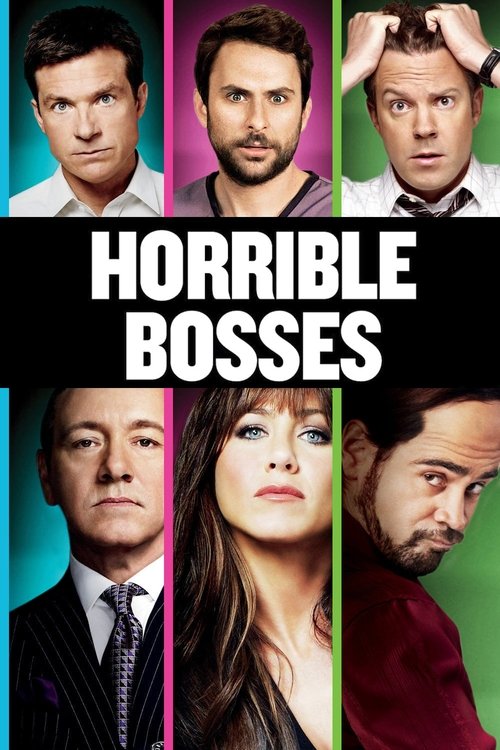
There is a specific brand of catharsis that only an office worker in the middle of a soul-crushing Tuesday can truly understand. It’s that fleeting, dark fantasy where your supervisor’s stapler meets their forehead, or their expensive Italian roast coffee is replaced with something... less potable. In 2011, Horrible Bosses took that universal workplace bile and distilled it into a high-octane R-rated farce that felt like a spiritual successor to the "frat-pack" era, while signaling a shift toward the more aggressive, improv-heavy comedies that dominated the early 2010s.
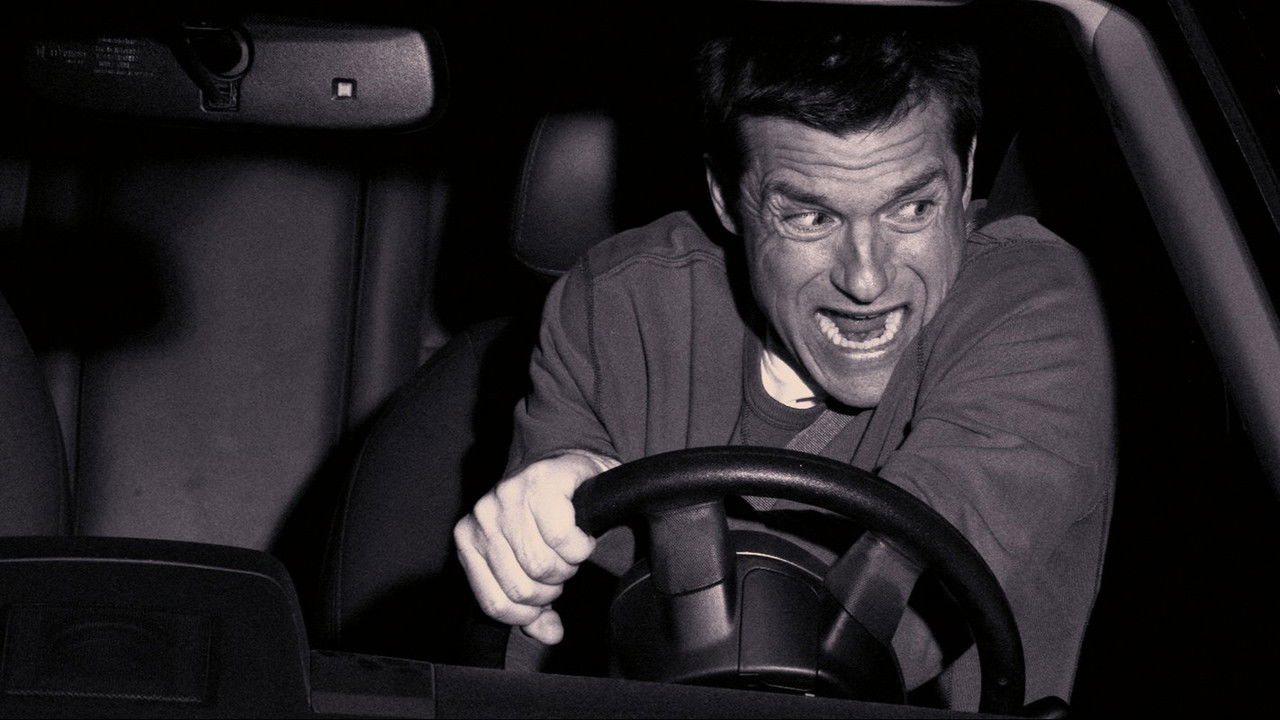
I watched this recently on a Sunday afternoon while my neighbor was obsessively mowing his lawn for the third time that week; the faint smell of gasoline and cut grass drifting through my window weirdly heightened the film's "suburban frustration" vibe. It’s a movie that relies entirely on the premise that being pushed to the brink is the most relatable human experience, and looking back over a decade later, it’s impressive how well the central engine still hums.
A Trio of Functional Idiots
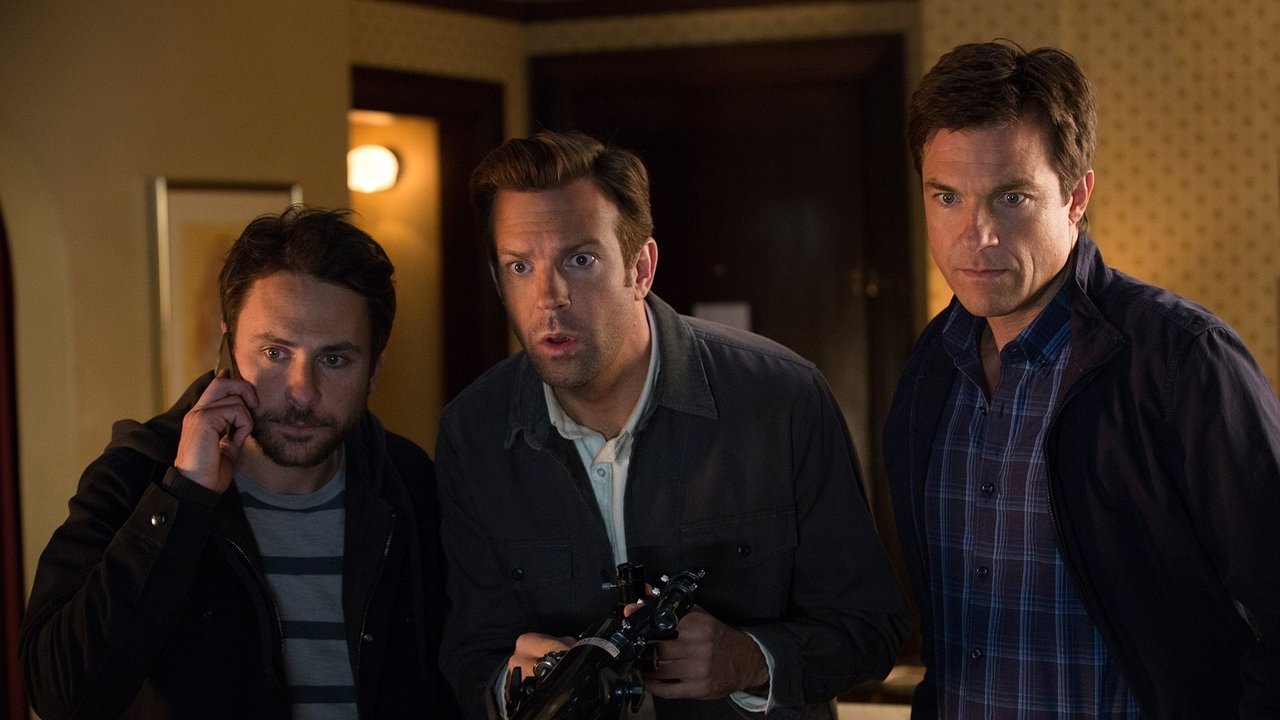
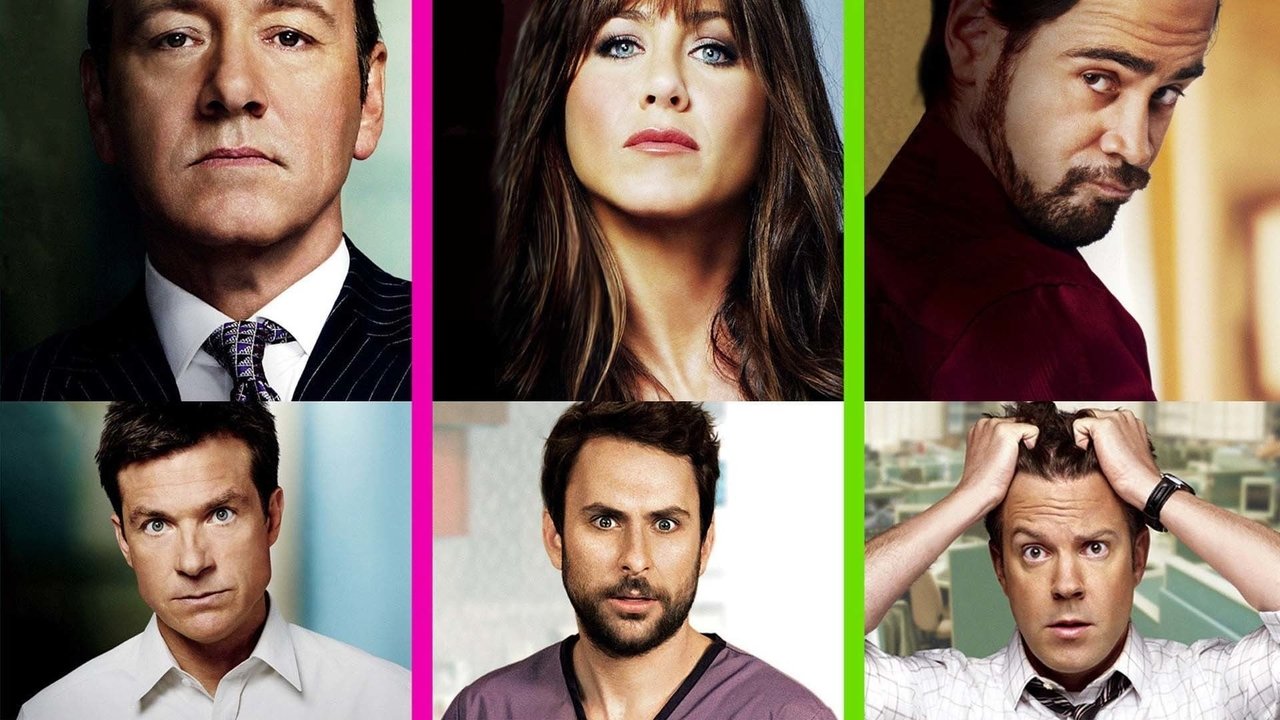
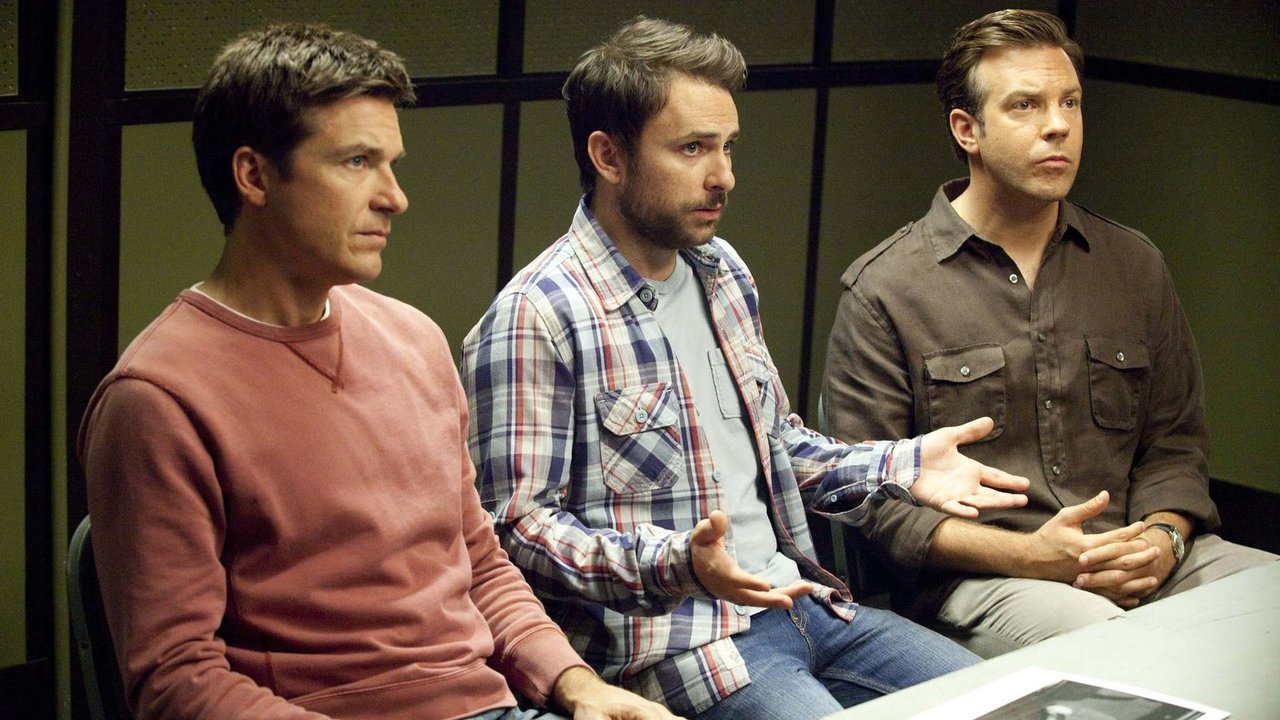
The DNA of any great ensemble comedy is balance, and director Seth Gordon (who first caught my eye with the brilliant documentary The King of Kong: A Fistful of Quarters) strikes gold with his central trio. Jason Bateman does what he does best as Nick: playing the high-strung straight man whose internal scream is perpetually muffled by corporate politeness. Contrast that with Jason Sudeikis as Kurt, the smooth-talking hedonist, and Charlie Day as Dale, a man whose resting state is "vibrating with high-pitched anxiety."
The chemistry here feels lived-in. In an era where comedies were increasingly moving toward the "Apatow style" of letting scenes run long for the sake of a riff, Horrible Bosses keeps its foot on the gas. The dialogue—penned by John Francis Daley and Jonathan Goldstein, who would later give us the fantastic Game Night—is sharp, but it’s the way these three talk over each other that makes it work. It feels like a real friendship, albeit one built on a foundation of shared trauma and poor decision-making.
The Antagonists: A Masterclass in Being Terrible
While the protagonists are the heart, the bosses are the spectacle. This film was a massive blockbuster, pulling in over $200 million on a $35 million budget, and a huge part of that "watercooler" buzz was the casting of the villains. Jennifer Aniston famously shed her "girl next door" persona to play Julia, a sexually aggressive dentist. Looking back, it’s still one of her boldest turns—she’s clearly having the time of her life playing a total predator, and it’s a performance that makes her Friends era feel like ancient history.
Then there’s Colin Farrell. Buried under a disgusting comb-over and a prosthetic paunch, he’s barely recognizable as Bobby Pellitt, a trust-fund cokehead who inherited his father's chemical company. Farrell is a gifted comedic actor who often gets pigeonholed into "brooding Irishman" roles, but here, he is pure, unfiltered filth. And then we have Kevin Spacey. It is impossible to watch his performance now without the weight of his real-world legal history, but within the vacuum of the film, he plays the sociopathic Dave Harken with a chilling, cold-blooded precision. He’s the only boss who feels genuinely dangerous, which provides the high stakes a comedy like this needs to avoid feeling too light.
The Era of the "Consultant" Cameo
One element that dates the film to the 2010s—in a charming way—is its reliance on the "celebrity consultant" trope. Enter Jamie Foxx as "Motherfucker" Jones. His role as the trio’s low-rent murder consultant is a highlight, mostly because he’s playing the "tough guy" facade while actually being just as inept as the main characters. It was a period in Hollywood where throwing an Oscar winner into a ridiculous supporting role was the ultimate flex, and Foxx delivers some of the best lines in the script.
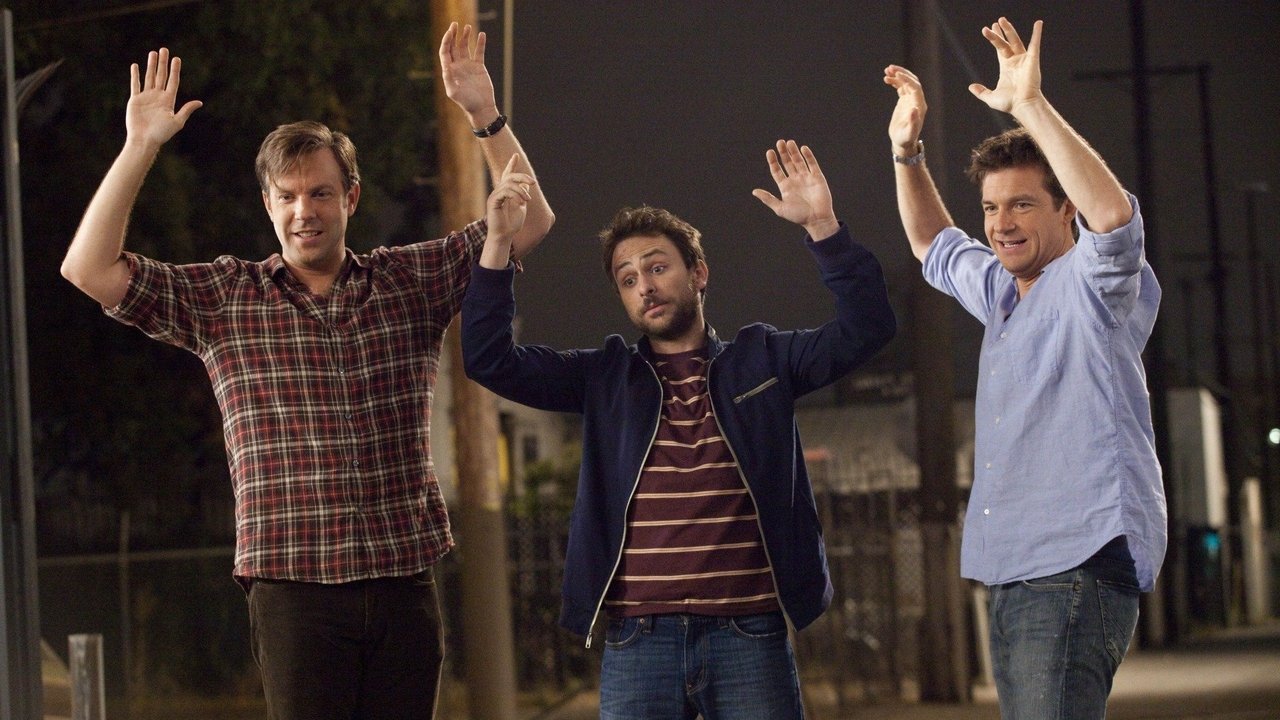
The film also captures that specific transition from the DVD era to the streaming age. I remember the original Blu-ray release was packed with "totally omitted" scenes and blooper reels that were almost as famous as the movie itself. That culture of "see the cast break character" was at its peak here. You can feel the improvisational energy in every frame; apparently, much of the banter in the car scenes was just the three leads being allowed to riff until Seth Gordon ran out of digital storage.
Ultimately, Horrible Bosses succeeds because it never tries to be more than it is: a tightly wound, beautifully performed piece of escapism. It taps into the Y2K-and-beyond anxiety of being a replaceable cog in a corporate machine and gives us a world where the cogs fight back (even if they do it very, very badly). While some of the humor leans heavily on the "shock value" tropes of its time, the central performances from Bateman, Day, and Sudeikis ensure it remains a staple of the "modern classic" comedy rotation.
It’s the kind of movie you put on when your own boss has spent the day CC’ing you on passive-aggressive emails. You won't actually hire a consultant to help you navigate a triple homicide, but watching these three attempt it is the next best thing. It’s loud, it’s vulgar, and it’s exactly the kind of fun we needed in 2011—and arguably, still need today.
Keep Exploring...
-
Horrible Bosses 2
2014
-
Identity Thief
2013
-
We're the Millers
2013
-
Pineapple Express
2008
-

21 Jump Street
2012
-
The Heat
2013
-

RED
2010
-
Johnny English Reborn
2011
-
22 Jump Street
2014
-
Another 48 Hrs.
1990
-
The Naked Gun 2½: The Smell of Fear
1991
-
Lethal Weapon 3
1992
-
Sneakers
1992
-
Ace Ventura: Pet Detective
1994
-
Naked Gun 33⅓: The Final Insult
1994
-
The Mask
1994
-
Ace Ventura: When Nature Calls
1995
-
Bad Boys
1995
-
Get Shorty
1995
-
Rush Hour
1998