Hugo
"A clockwork heart beats for the magic of movies."
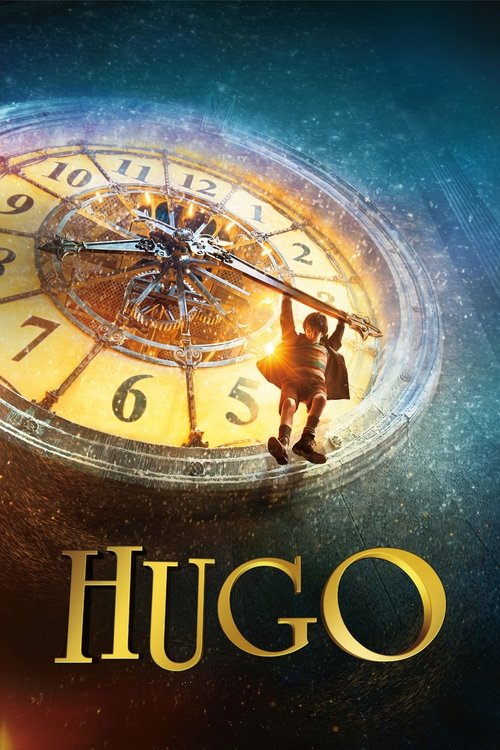
The first time I sat down with Hugo, I was nursing a lukewarm cup of peppermint tea and trying to ignore a persistent draft coming from my living room window. Usually, that kind of domestic annoyance pulls me right out of a movie, but within ten minutes, Martin Scorsese had me convinced that the chill wasn't coming from my window, but from the drafty, cavernous corridors of the Gare Montparnasse in 1930s Paris.
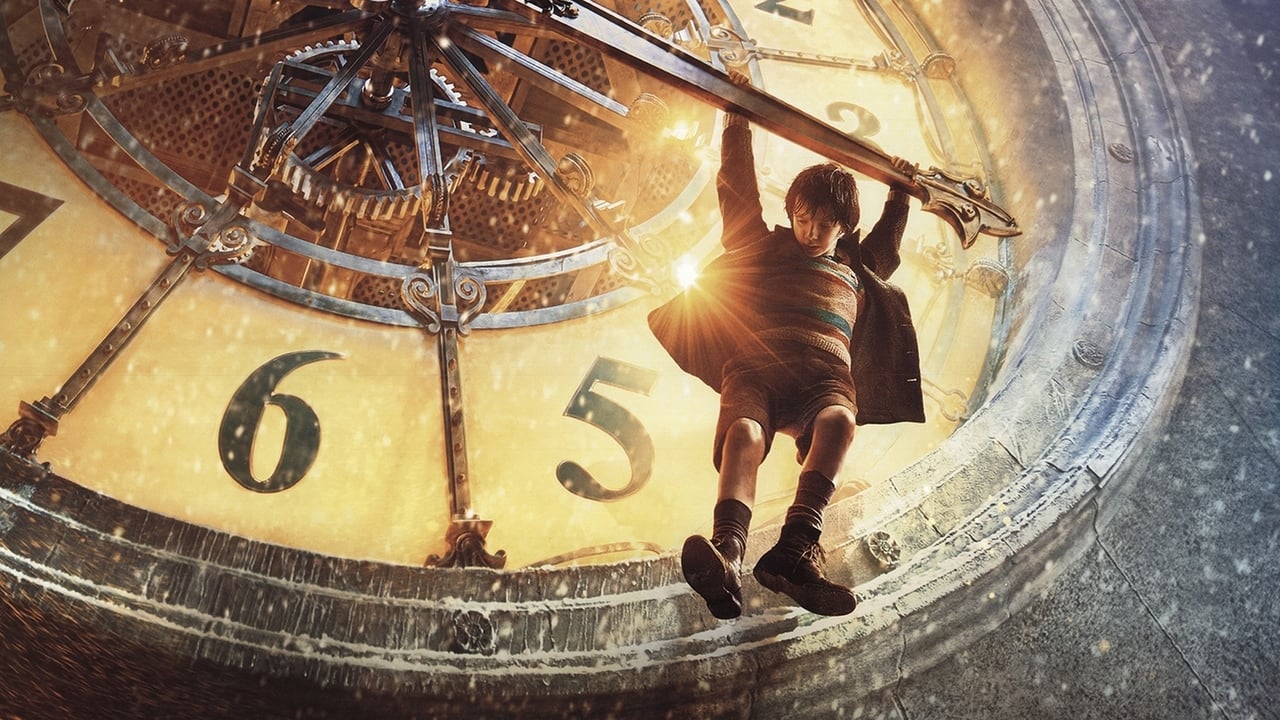
For a director famous for "funny how?" wise-guys and the mean streets of New York, Hugo felt like a sharp left turn into a snow-globe world. Looking back from the 2020s, it’s easy to forget just how much of a gamble this was in 2011. This was the tail end of the post-Avatar 3D gold rush, a time when every studio was desperate to slap an extra $5 on a ticket price by making things fly at your face. But while most directors used 3D as a gimmick, Scorsese used it as a paintbrush to rewrite the history of cinema.
The Ghost in the Machine
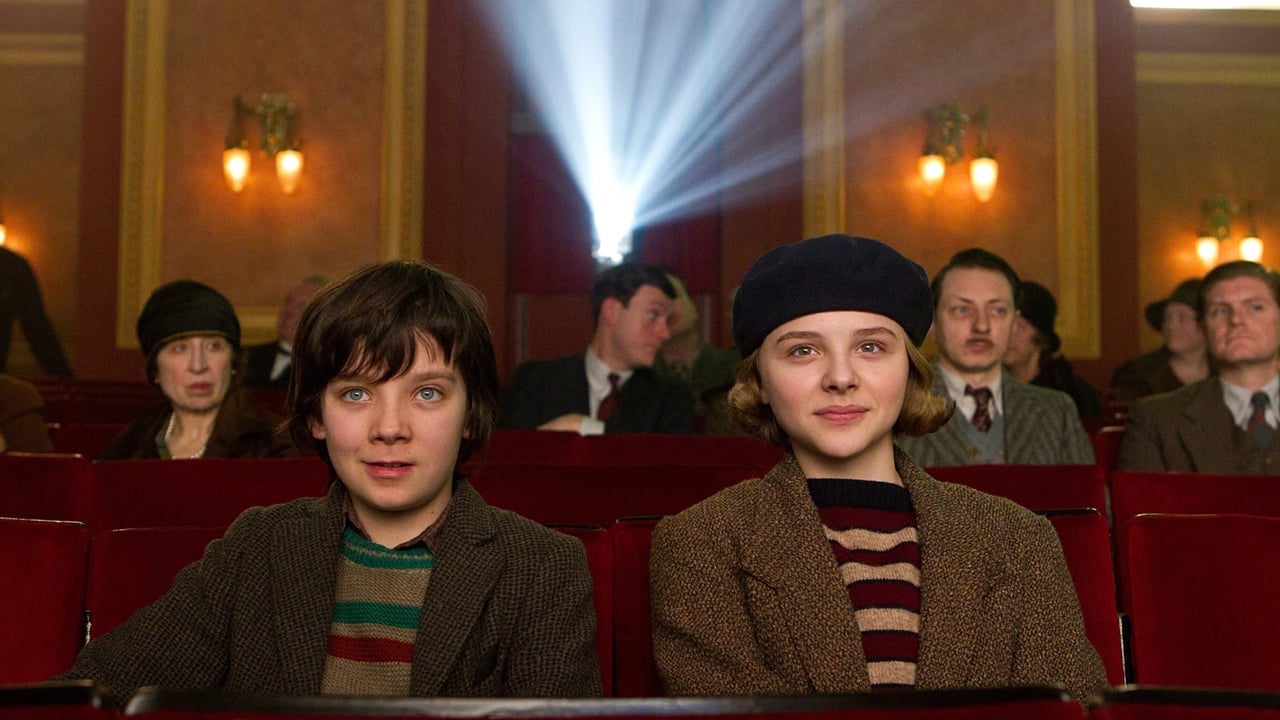
At its surface, the story follows Hugo Cabret (Asa Butterfield), an orphan living behind the literal face of a train station, maintaining the clocks and dodging the clutches of the Station Inspector (Sacha Baron Cohen). Hugo’s only tether to his late father is a rusted, broken automaton—a mechanical man poised to write a secret message if only Hugo can find the heart-shaped key to wind him up.
Asa Butterfield carries the film with those massive, soulful eyes that seem to hold all the loneliness of a kid who’s been told he’s just a broken part in a larger machine. When he meets Isabelle (Chloë Grace Moretz), a bookish girl hungry for adventure, the film shifts from a lonely survival story into a vibrant mystery. But the real "click" happens when we realize the toy shop owner Hugo’s been stealing from isn't just a grumpy old man named Papa Georges. He’s actually Ben Kingsley playing Georges Méliès, the pioneer of film fantasy.
A Masterclass in Digital Nostalgia
What strikes me now, over a decade later, is how Hugo perfectly captures the "Modern Cinema" transition. It’s a movie made with cutting-edge digital technology that spends every second pining for the tactile, hand-cranked soul of the 1890s. Scorsese used the Robert Richardson cinematography and massive digital sets to recreate the feeling of early film sets—the "Black Maria" style of glass-roofed studios where light was the most precious commodity.
I’ve always found the middle act of this movie to be its strongest. It’s a drama about trauma—specifically the way the Great War shattered the dreams of an entire generation. Ben Kingsley is heartbreaking here. He captures the bitterness of a creator who feels the world has moved on from his "silly" magic tricks. It’s a heavy theme for a "Family" movie, but it feels earned. The film doesn't talk down to kids; it assumes they can handle the idea that sometimes, even the most magical people end up broken and forgotten.
The Station Inspector is the most relatable character because he’s just a guy with a bad leg trying to do his job in a world of chaotic orphans. Sacha Baron Cohen brings a weird, slapstick melancholy to the role, aided by Emily Mortimer as the flower girl. Their subplot is a reminder that even in a story about grand cinematic history, the small, human connections are what keep the gears turning.
The Secret History of a "Box Office Flop"
Despite winning five Oscars and receiving glowing reviews, Hugo is often cited as a commercial failure. It cost a staggering $170 million and barely cleared that in its initial run. But like the films of Méliès himself, Hugo found its second life through the "cult of the cinephile." It’s become a staple for teachers, historians, and anyone who wants to explain why movies matter.
Here is some of the clockwork trivia that makes the film even more fascinating:
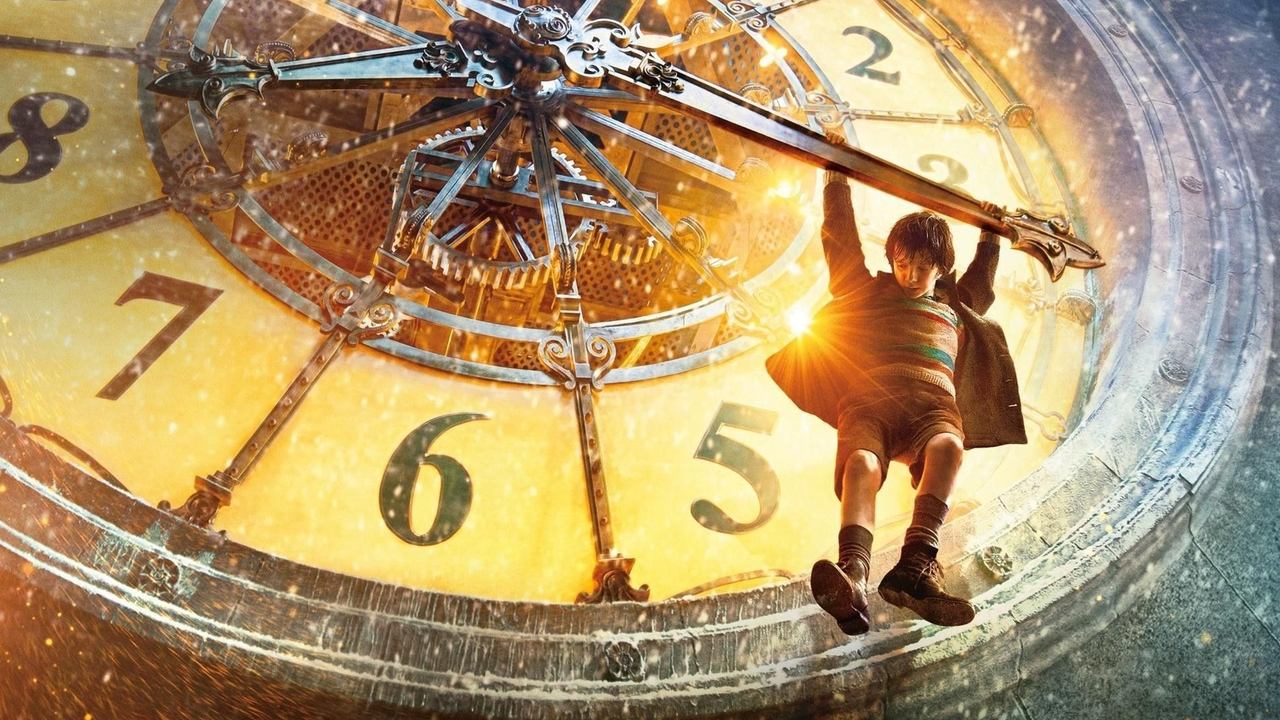
The automaton was not a CGI creation; it was a fully functional mechanical prop built by prop makers who studied original 18th-century designs. Johnny Depp produced the film through his Infinitum Nihil banner because he was a massive fan of the source novel, The Invention of Hugo Cabret. The legendary Christopher Lee makes a brief, towering appearance as a librarian, a role that feels like a passing of the torch from the golden age of cinema to the new era. The film’s 3D was so influential that James Cameron called it "a masterpiece" and the best use of the technology he had seen since his own Avatar. * Georges Méliès really did end up as a toy salesman at the Gare Montparnasse in real life after his film studio went bankrupt.
Hugo is a rare breed of film that manages to be both a technical marvel and a deeply moving character study. It’s a mystery that ends not with a treasure chest, but with a film projector. While it might feel a bit long for younger kids, for anyone who has ever felt like a "spare part" looking for a purpose, it’s a soul-stirring experience. Scorsese didn't just make a movie about the history of film; he made a movie that feels like the very first time you ever saw a moving image and wondered how the magic happened.
Watching it again, I didn't even notice the draft from the window anymore. I was too busy looking for the heart-shaped key. Regardless of whether you’re a film history nerd or just someone who likes a well-told tale, Hugo is the kind of cinema that reminds you why we keep sitting in the dark together.

Keep Exploring...
-
Bridge to Terabithia
2007
-
The Spiderwick Chronicles
2008
-
Rango
2011
-
The Aviator
2004
-
Spirit: Stallion of the Cimarron
2002
-
The Lion King II: Simba's Pride
1998
-
The Departed
2006
-

Where the Wild Things Are
2009
-
Gangs of New York
2002
-

Sinbad: Legend of the Seven Seas
2003
-

The Cat Returns
2002
-

Eight Below
2006
-

The Karate Kid
2010
-

Flushed Away
2006
-
Meet the Robinsons
2007
-
Stardust
2007
-

Bolt
2008
-
The Chronicles of Narnia: Prince Caspian
2008
-
A Christmas Carol
2009
-
Monsters vs Aliens
2009