Immortals
"A Renaissance painting drenched in the blood of gods."
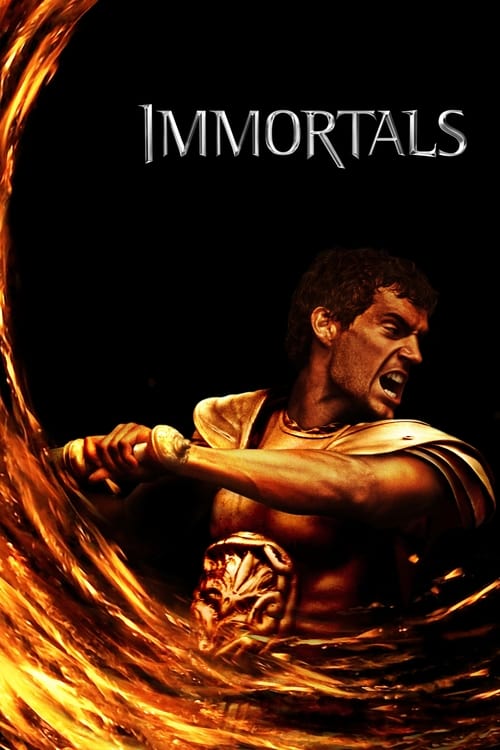
I distinctly remember watching Immortals on a Tuesday night while procrastinating on a dental appointment, and the way Mickey Rourke crushed a pomegranate early in the film made my own teeth ache in sympathy. It’s a movie that lives in the senses—the taste of iron, the glint of gold, and the sheer, overwhelming weight of the color red. If you walked into a gallery of Baroque art and decided to start a riot, it would look exactly like this.
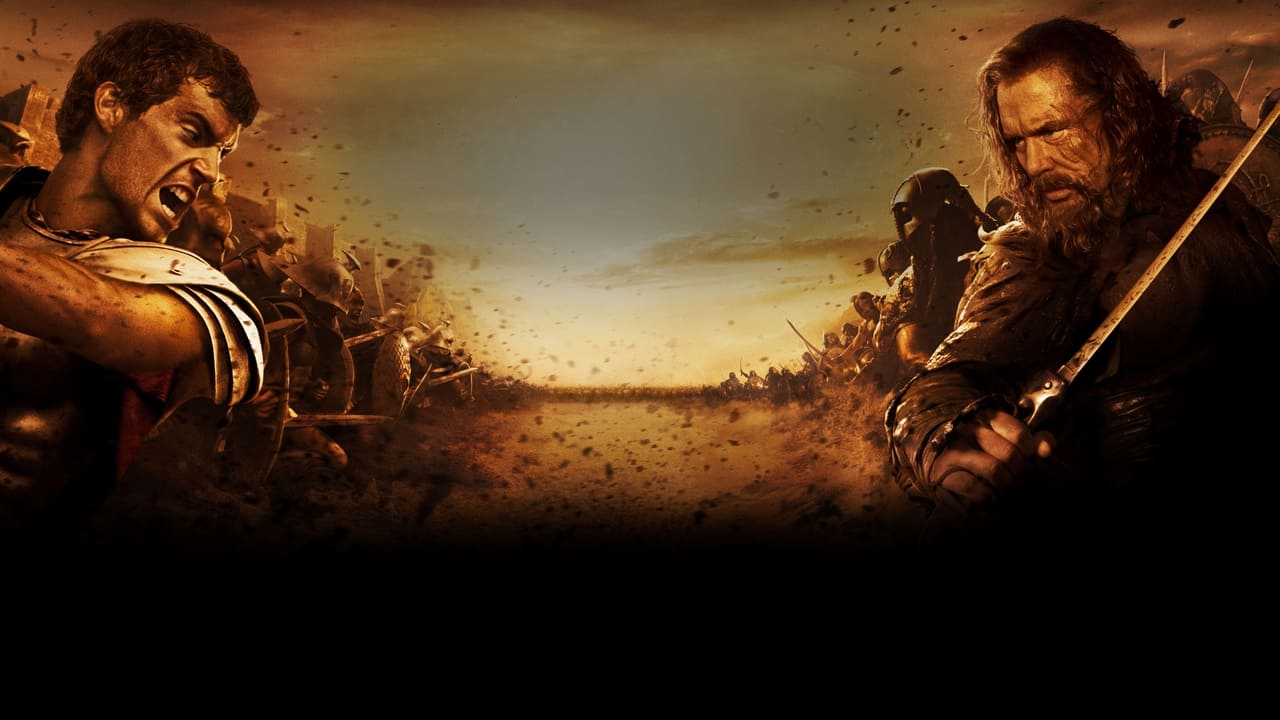
A Renaissance Painting on a Green Screen
By 2011, the "swords and sandals" genre was in a weird spot. We were five years removed from Zack Snyder’s 300, and Hollywood was desperately trying to figure out if audiences wanted more digital gore or more traditional heroics. Enter Tarsem Singh, a director known more for his background in music videos and the surrealist masterpiece The Fall than for traditional blockbusters.
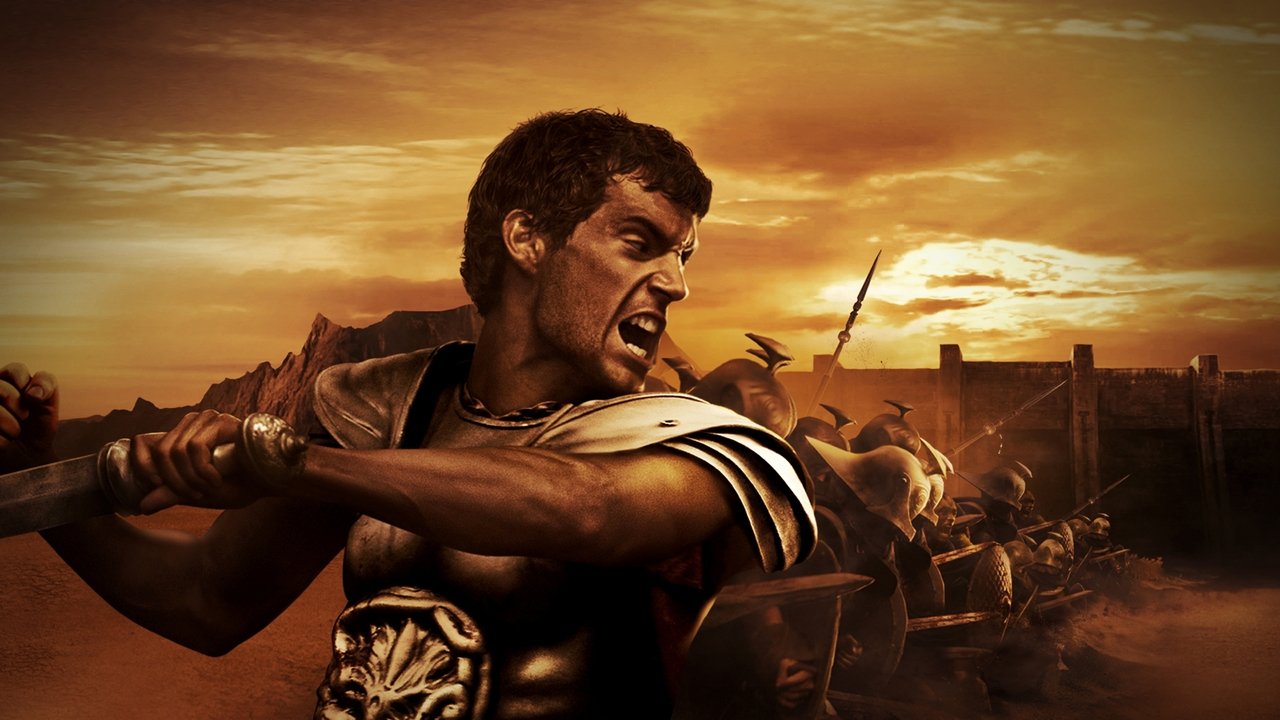
Tarsem didn't just want to make a movie about Theseus; he wanted to make a movie that looked like Caravaggio had been given a $75 million CGI budget and a heavy metal soundtrack. Looking back, this film captures that specific 2010s moment where digital sets were becoming the norm, but directors were still fighting to keep things looking "painterly" rather than just looking like a video game. The result is a film where every frame could be paused, printed, and hung over a fireplace—provided you don't mind a lot of gold-colored arterial spray in your living room.
Cavill’s Audition for Greatness
The plot is your standard Greek salad of mythology: a mortal man named Theseus is chosen by Zeus to stop the mad King Hyperion from finding the Epirus Bow and unleashing the Titans. But the story isn't why anyone stays. We’re here for the cast.
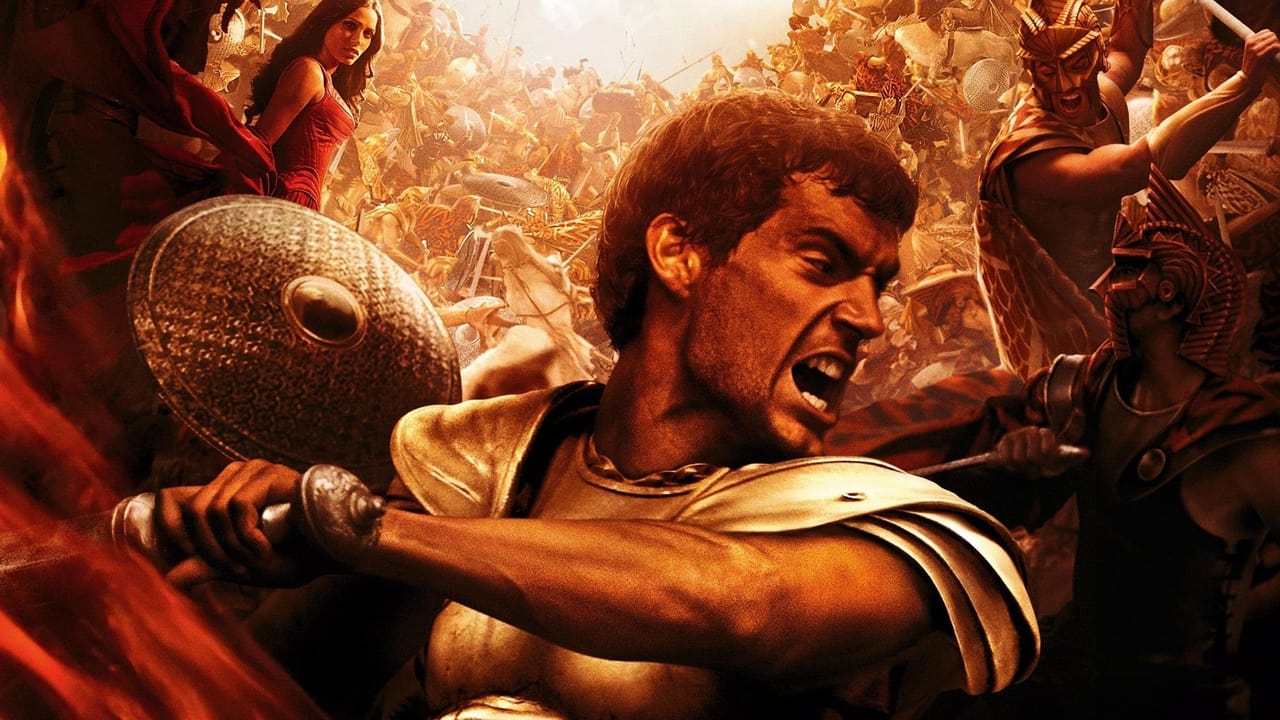
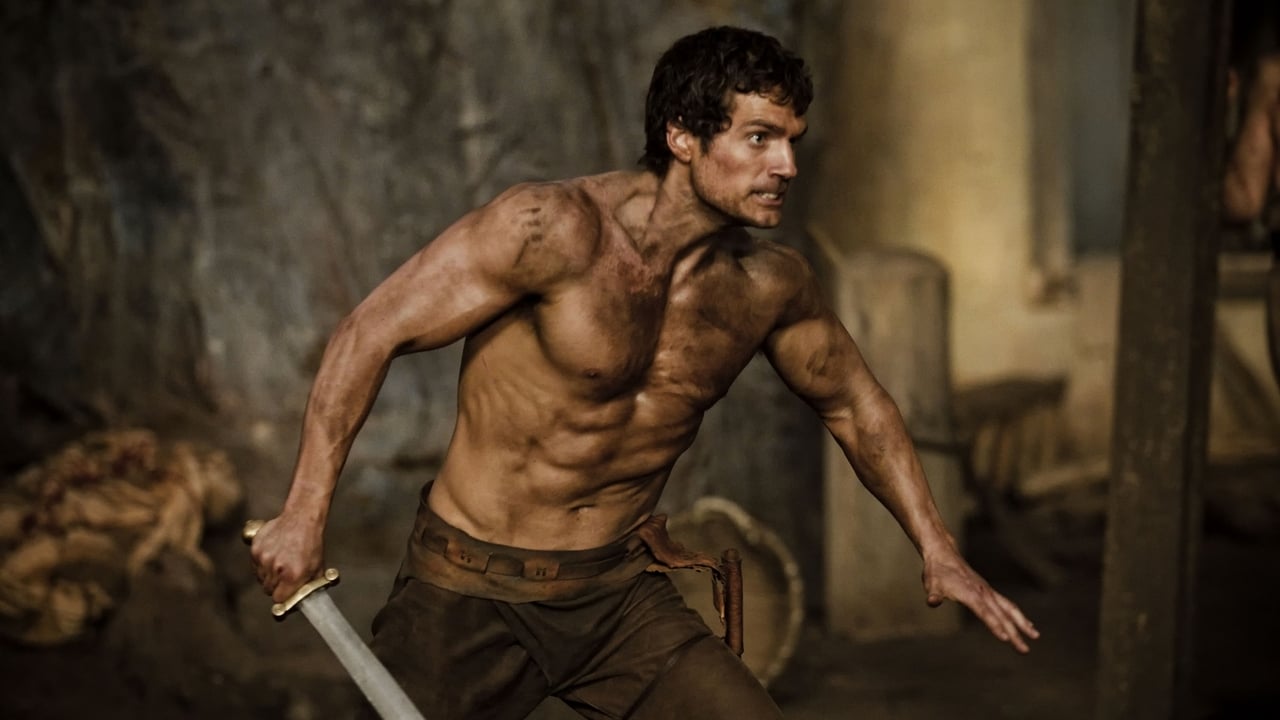
Before he was the Man of Steel or the Witcher, Henry Cavill was Theseus. It’s fascinating to watch this in retrospect; you can see the exact moment the "movie star" switch flipped in his head. He brings a physical intensity to the role that makes the fight scenes feel heavy and dangerous, even when he’s swinging at air that would later be filled by digital monsters. Opposite him, Mickey Rourke as Hyperion is essentially playing a professional wrestler who has wandered into an opera. He’s grunting, chewing on meat, and wearing a helmet that looks like a mutated crab. Rourke leaned into the villainy so hard that he almost tips the movie into camp, but Tarsem’s visual discipline keeps it grounded in a sort of grim, high-fashion reality.
And then there are the gods. Luke Evans plays Zeus not as a bearded old man, but as a youthful, golden-clad warrior. The gods look like they’re modeling a Versace fall collection in heaven, and the way they move is one of the film's best technical achievements. In an era where action was often a blur of "shaky cam," Tarsem used slow-motion and ramped speeds to show that when a god hits a mortal, they hit them before the mortal even realizes the fight has started.
Blood, Gold, and the Cost of Style
The action choreography in Immortals is where the film earns its keep. The climactic battle between the Gods and the Titans is a masterwork of "High Digital" filmmaking. Instead of the giant, mountain-sized monsters we usually see in Greek epics, the Titans here are soot-covered, frenzied prisoners. The Titans look less like ancient terrors and more like soot-covered gymnasts trapped in a dungeon, which makes the close-quarters combat feel claustrophobic and terrifyingly fast.
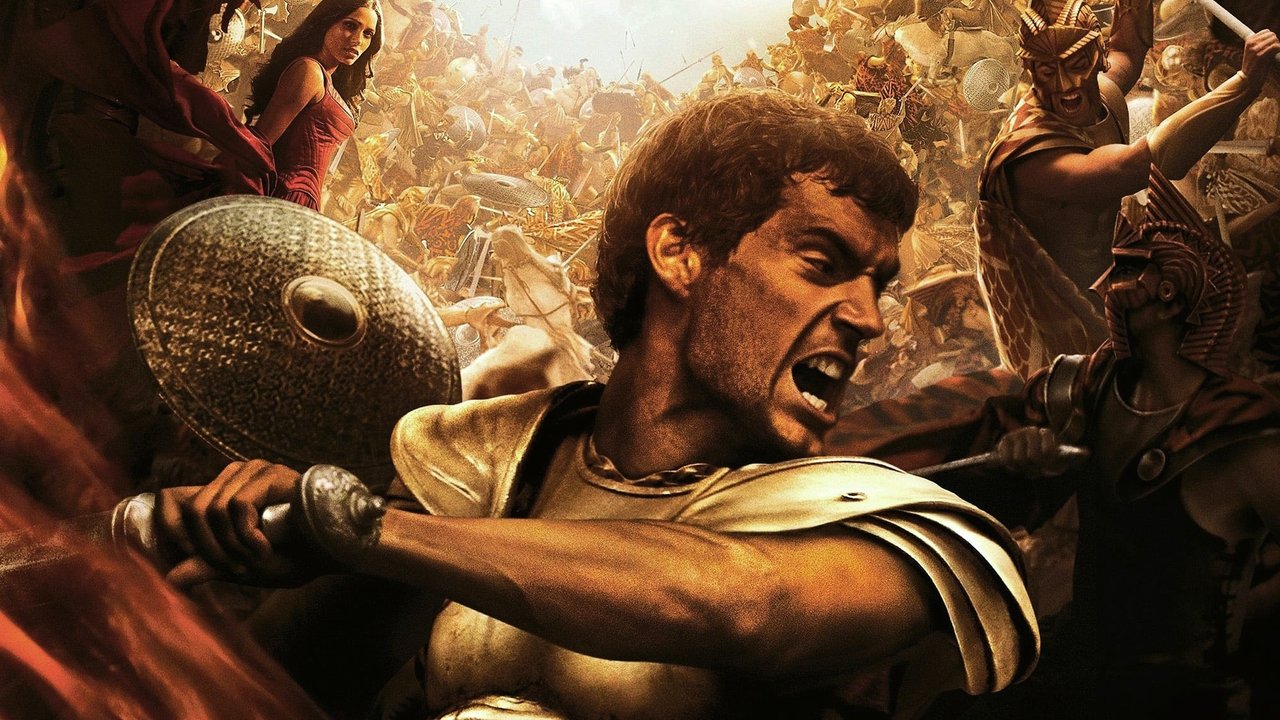
Behind the scenes, the production was a massive undertaking. To achieve the specific look, the crew utilized a "Renaissance light" technique, often shooting on massive soundstages in Montreal. While the film was a box office success, grossing over $226 million worldwide, it feels like a relic of a time before the MCU "house style" flattened the visual identity of most big-budget action. It’s also notable for the work of Eiko Ishioka, the legendary costume designer. She was responsible for those insane, geometric helmets and the "Shrine of the Titans" aesthetic. This was her final film before she passed away, and her influence is the reason Immortals still feels distinct from every other mythology movie of its era.
Does the story hold up? Not really. The dialogue (penned by Vlas and Charley Parlapanides) is functional at best and clunky at worst. Freida Pinto and Stephen Dorff do what they can with their supporting roles, but they are often swallowed up by the scenery. Yet, I find myself returning to this movie more than the Clash of the Titans remake or the 300 sequel. It has a specific, stubborn artistic vision that feels rare for a film funded by Relativity Media.
Immortals is a film that values the eyeball over the brain, and honestly, sometimes that’s exactly what the doctor ordered. It captures a specific transition in film history where CGI was being used not just for "realism," but for pure, unadulterated expressionism. It isn't a "good" movie in the traditional sense of tight plotting or deep character arcs, but as a visual experience, it’s a feast. If you can appreciate the craft of a well-timed slow-motion decapitation and the beauty of a gold-leafed Olympian, it's a 110-minute trip worth taking.
Keep Exploring...
-

10,000 BC
2008
-

The Twilight Saga: Eclipse
2010
-

The Twilight Saga: Breaking Dawn - Part 2
2012
-

47 Ronin
2013
-
Jack the Giant Slayer
2013
-
Twilight
2008
-

Night at the Museum
2006
-

Hancock
2008
-
Fast & Furious
2009
-

The Twilight Saga: New Moon
2009
-
Clash of the Titans
2010
-

Puss in Boots
2011
-
Jack Reacher
2012
-
Mirror Mirror
2012
-
Hansel & Gretel: Witch Hunters
2013
-
Thor: The Dark World
2013
-
300: Rise of an Empire
2014
-
Dracula Untold
2014
-
Godzilla
2014
-

Need for Speed
2014