Insidious
"It’s not the house that is haunted."

The 2010s were a weird, transitional time for horror. We were just stumbling out of the "torture porn" era defined by endless Saw sequels and gritty remakes, and the genre was desperately looking for its next identity. Then came a jarring, high-pitched violin screech and a title card that looked like it was ripped straight from a 1970s Hammer Film. When I first sat down to watch James Wan’s Insidious, I was actually nursing a mild case of food poisoning from a questionable gas station burrito, and the sheer, aggressive loudness of the opening titles made me think my head was going to explode. But by the time the first act ended, I’d completely forgotten about my stomach. I was too busy staring at the dark corners of the screen.
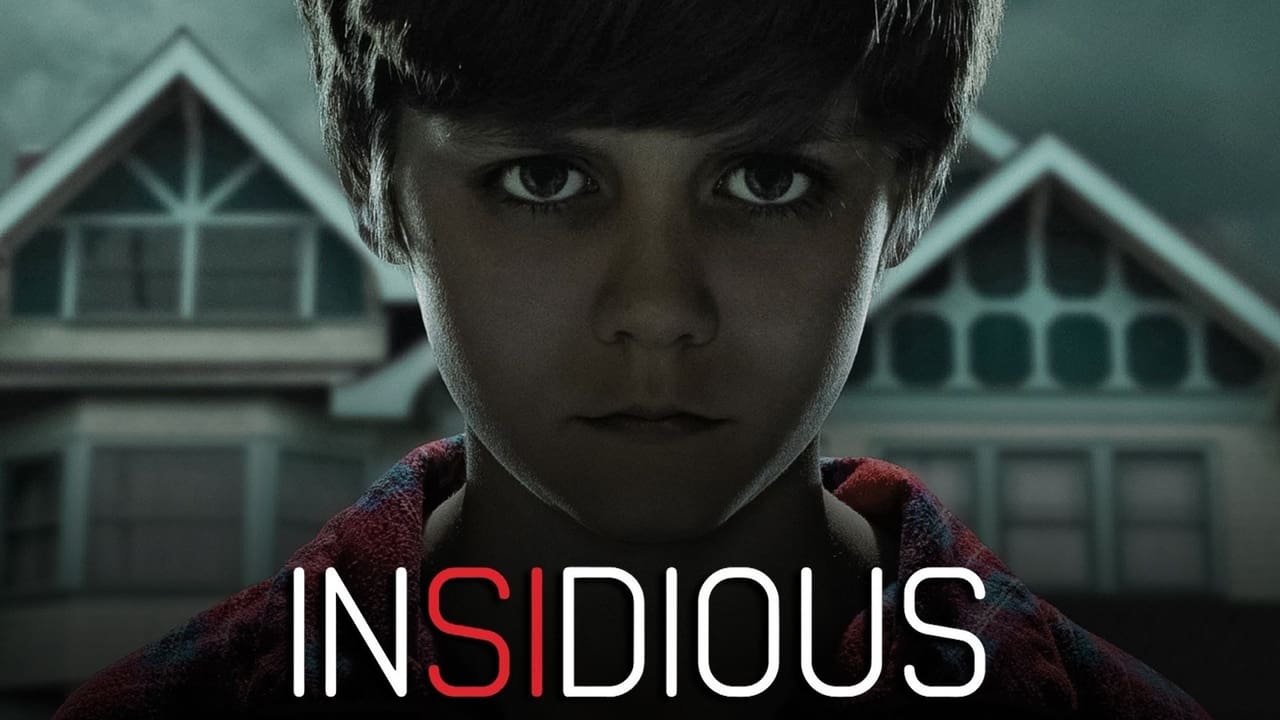
Reclaiming the Ghost Story
After basically inventing the modern splatter subgenre with Saw, James Wan and writer Leigh Whannell decided they had something to prove. They wanted to show they could scare us without a single drop of blood. In retrospect, Insidious feels like the blueprint for the entire decade of horror that followed. It’s a film that respects the "slow burn" of the 70s but acknowledges that 21st-century audiences have the attention spans of caffeinated squirrels.
The setup is deceptively simple: Patrick Wilson (Josh) and Rose Byrne (Renai) move into a new house, their son Dalton (Ty Simpkins) falls into a mysterious coma, and things start going bump in the night. Rose Byrne is the secret weapon here; she sells the escalating domestic terror with a grounded vulnerability that makes the supernatural elements feel personal. Most horror movies treat the "moving out" phase as a third-act realization, but Insidious pulls a fast one. They move houses early on, only to realize the "haunting" has followed them. It’s a brilliant pivot that validates every viewer who has ever shouted, "Just leave the house!" at their TV screen.
The Sound of Absolute Dread
If you want to understand why Insidious works, you have to talk about the sound. Composer Joseph Bishara—who also happens to play the terrifying, "Lipstick-Face Demon"—created a score that sounds like a piano being thrown down a flight of stairs in slow motion. It’s abrasive, discordant, and intentionally "un-cinematic." In an era where many horror films were leaning into the silent, found-footage aesthetic of Paranormal Activity, Insidious used sound as a physical assault.
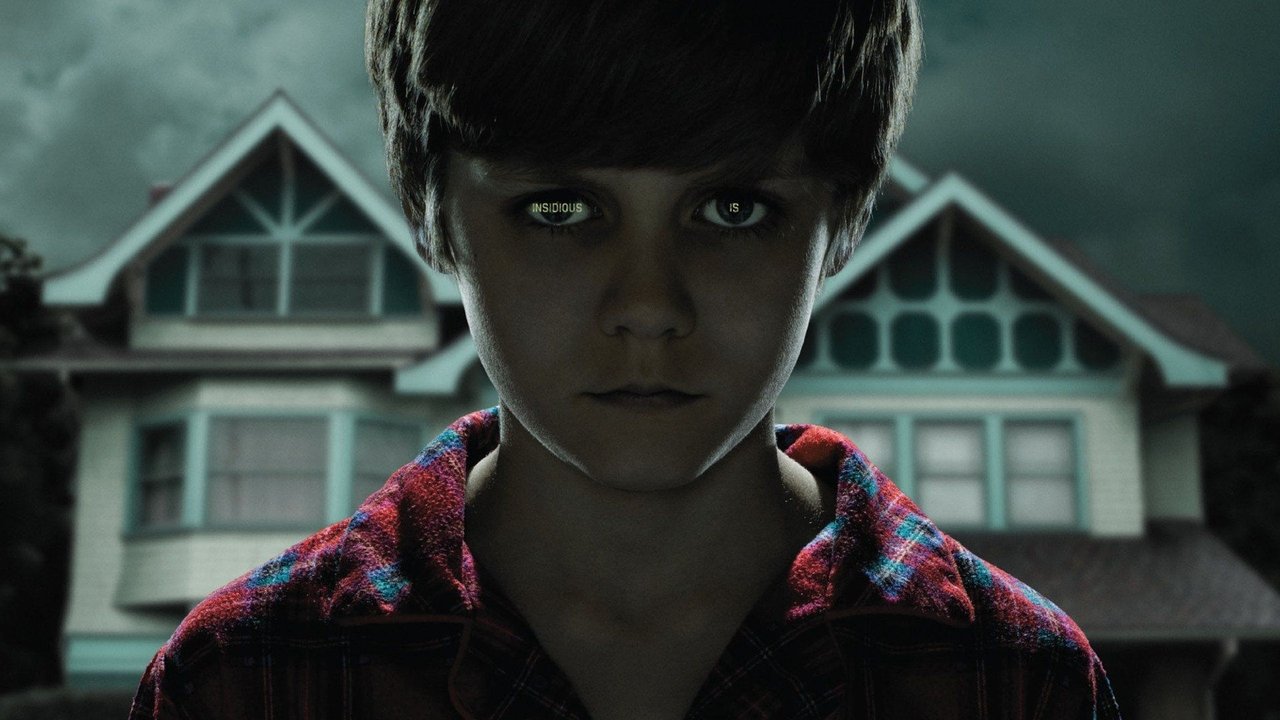
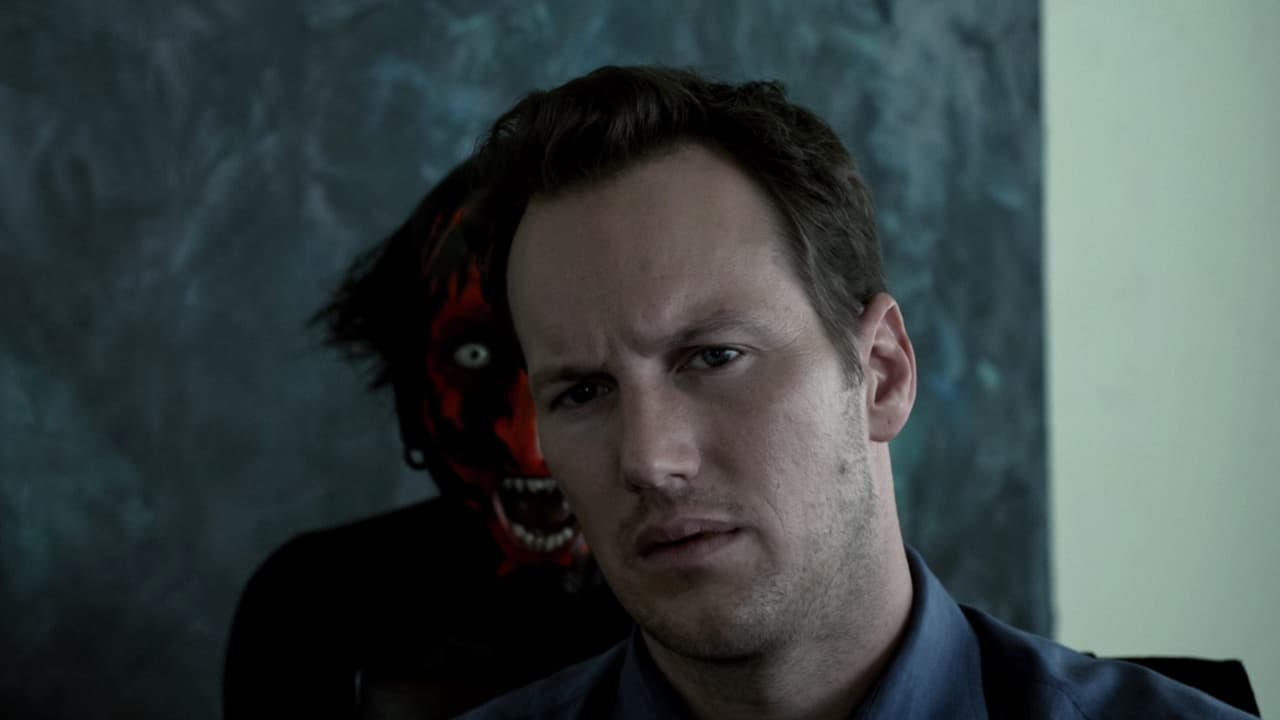
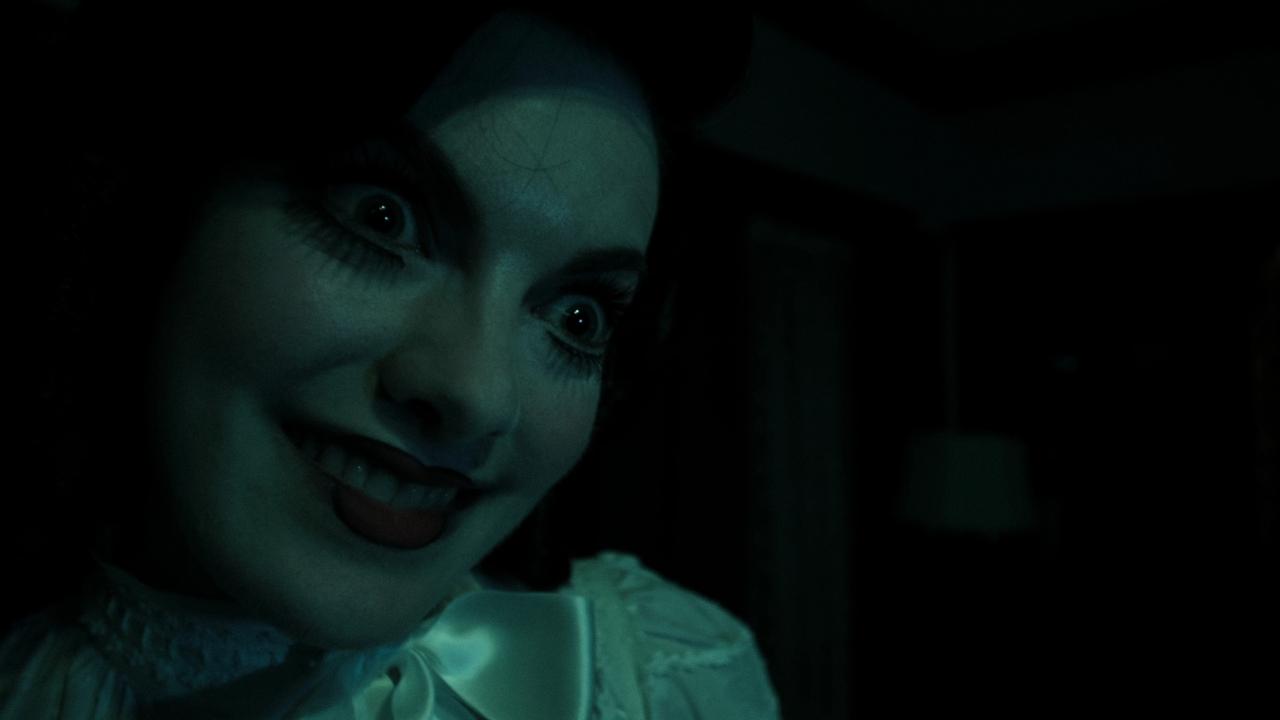
The jump scares here are some of the most effective in modern cinema because they aren't just loud noises; they are visual payoffs. The "dancing boy" sequence and the infamous "demon behind the chair" moment are masterclasses in framing. James Wan uses the wide 2.35:1 aspect ratio to hide things in plain sight, forcing your eyes to scan the background. It’s a technique that feels like a raided Halloween store with a $50 budget somehow becoming the most terrifying place on earth. The demon design itself—a red-faced entity that looks a bit like Darth Maul’s creepy cousin—could have been goofy, but by keeping it in the shadows for most of the runtime, it maintains its menace.
A Million-Dollar Miracle
Looking back at the production, the most shocking thing about Insidious isn't the ghosts—it's the budget. Shot for a measly $1.5 million over just three weeks, the film is a testament to indie ingenuity. This was the early days of the "Blumhouse Model" (from producer Jason Blum), where directors were given creative freedom in exchange for tiny budgets. The financial result was staggering: it pulled in over $100 million at the box office.
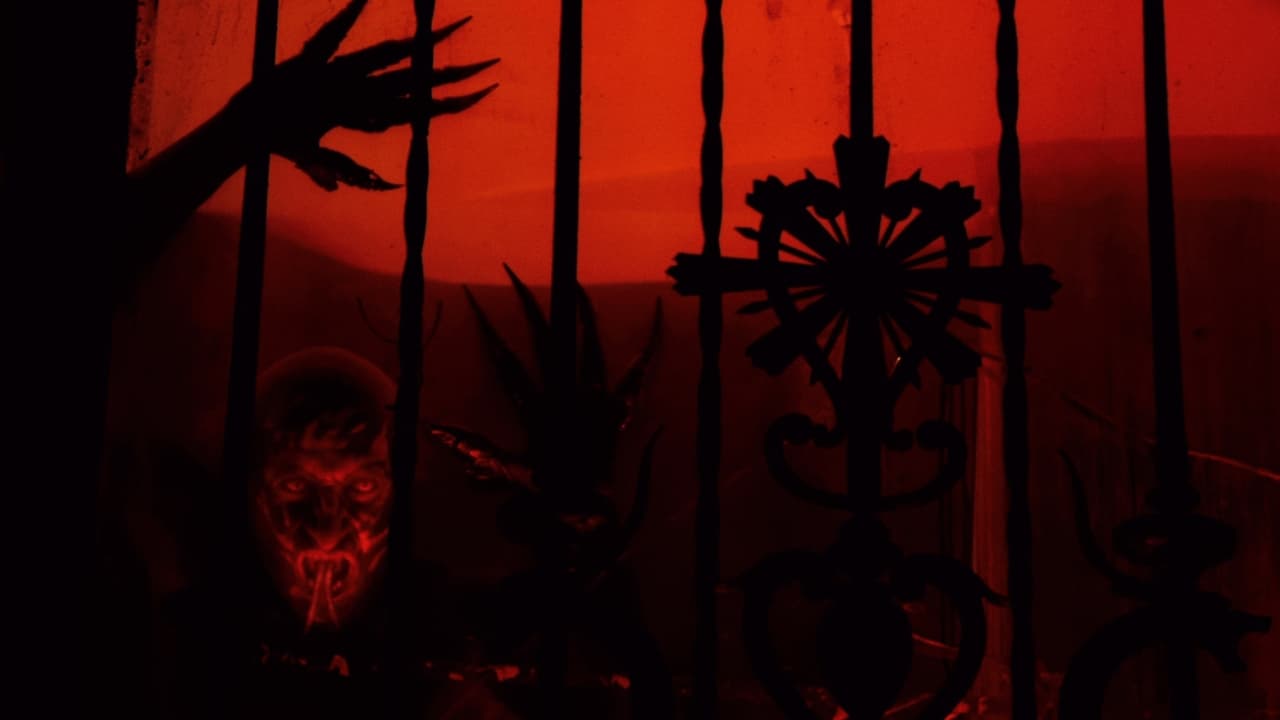
That shoestring budget forced James Wan to rely on atmosphere rather than CGI. When the film eventually takes us into "The Further"—a misty, purgatorial dreamscape—the production design is intentionally theatrical. It feels like a haunted house attraction at a local carnival, and I mean that as a compliment. It has a tactile, hand-made quality that digital effects just can't replicate. While some critics at the time felt the transition into a literal ghost-hunting adventure in the second half undercut the tension, I’ve always found the introduction of Lin Shaye as the medium Elise Rainier to be the heart of the movie. Lin Shaye brings a gravitas to the "exposition dump" scenes that prevents the movie from spiraling into camp.
Insidious is the bridge between the gritty 2000s and the "elevated horror" of the 2010s. It’s a fun, aggressive, and genuinely creative supernatural thriller that proved you didn't need a massive studio budget to dominate the cultural conversation. It’s the kind of movie that makes you double-check the locks on your front door—not because you’re afraid of a burglar, but because you’re worried about what’s already inside.
If you haven't revisited this one in a few years, it’s well worth the return trip to the Further. Just maybe skip the gas station burritos before you hit play.
Keep Exploring...
-
Insidious: Chapter 2
2013
-
Insidious: Chapter 3
2015
-

Insidious: The Last Key
2018
-
Insidious: The Red Door
2023
-
The Conjuring
2013
-
Saw
2004
-
Saw III
2006
-
Dead Silence
2007
-
Black Swan
2010
-
The Collector
2009
-
Saw IV
2007
-

Saw V
2008
-
The Purge: Anarchy
2014
-
Death Sentence
2007
-
The Woman in Black
2012
-
I Know What You Did Last Summer
1997
-
The Cell
2000
-
The Others
2001
-
The Exorcism of Emily Rose
2005
-
P2
2007