J. Edgar
"The power of secrets, the weight of the mask."
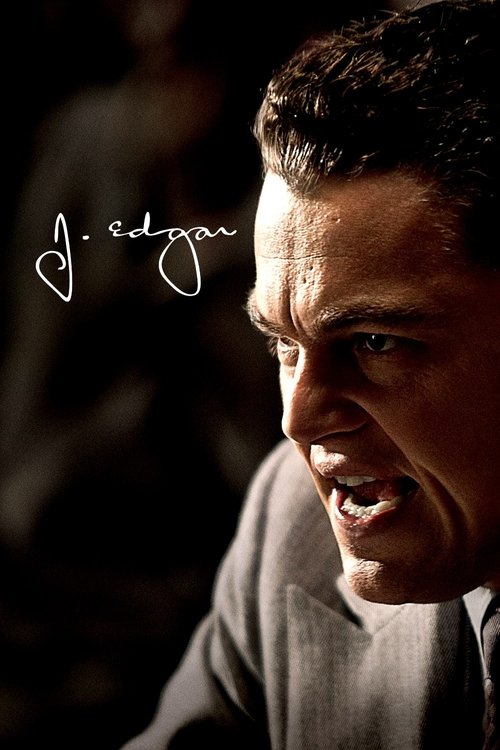
I remember sitting in a half-empty theater in 2011, clutching a box of Sno-Caps that I eventually spilled all over the floor during a particularly quiet scene. As I spent five minutes blindly patting the sticky carpet for chocolate-covered raisins, I realized something about J. Edgar: this is a movie that lives in the dark. It’s a film that practically begs you to squint, not just because Clint Eastwood (fresh off Gran Torino and Invictus) decided the color palette should be "Victorian Funeral Home," but because the man at its center spent his entire life hiding in the shadows of his own making.
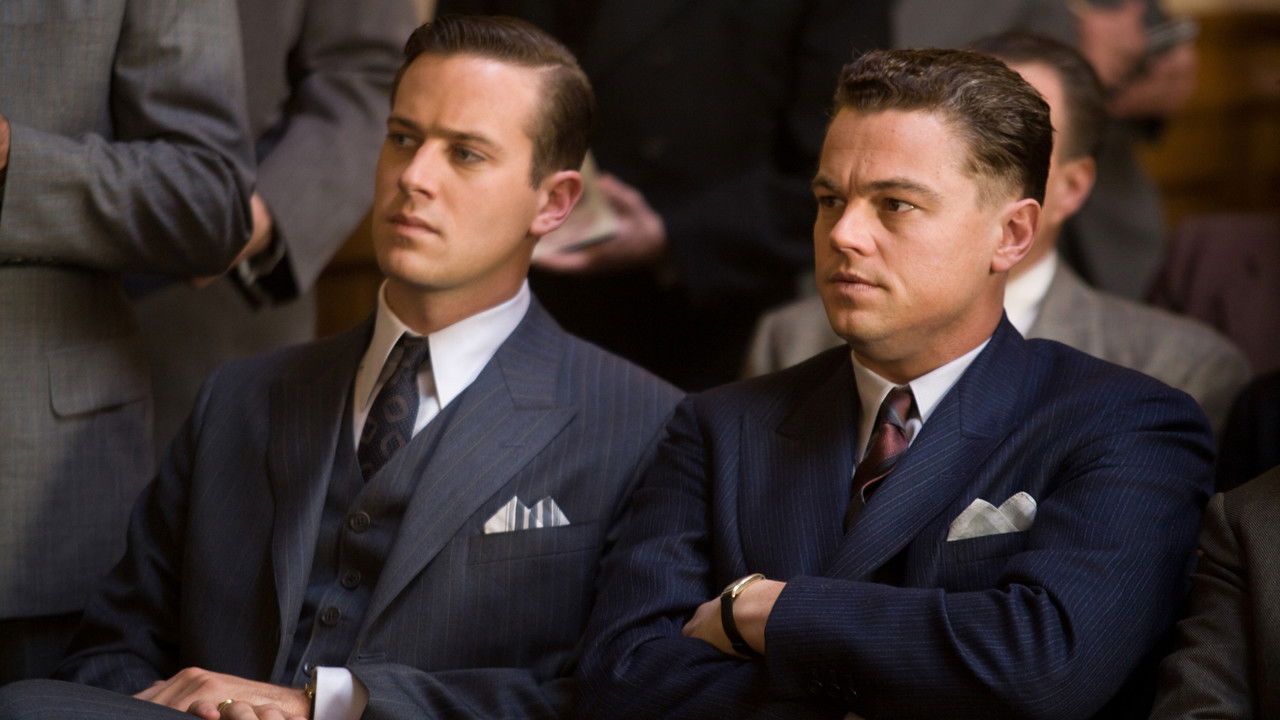
Looking back at the early 2010s, we were in the thick of the "Prestige Biopic" era. It was a time when every major actor was hunting for a historical figure to inhabit, usually involving three hours of prosthetic applications and a clipped Mid-Atlantic accent. Leonardo DiCaprio was at the peak of this transformation phase, and while J. Edgar didn't quite capture the zeitgeist like The Wolf of Wall Street would a few years later, it remains a fascinating, deeply weird artifact of modern cinema’s obsession with the "Great Man" myth.
The Man Behind the Files
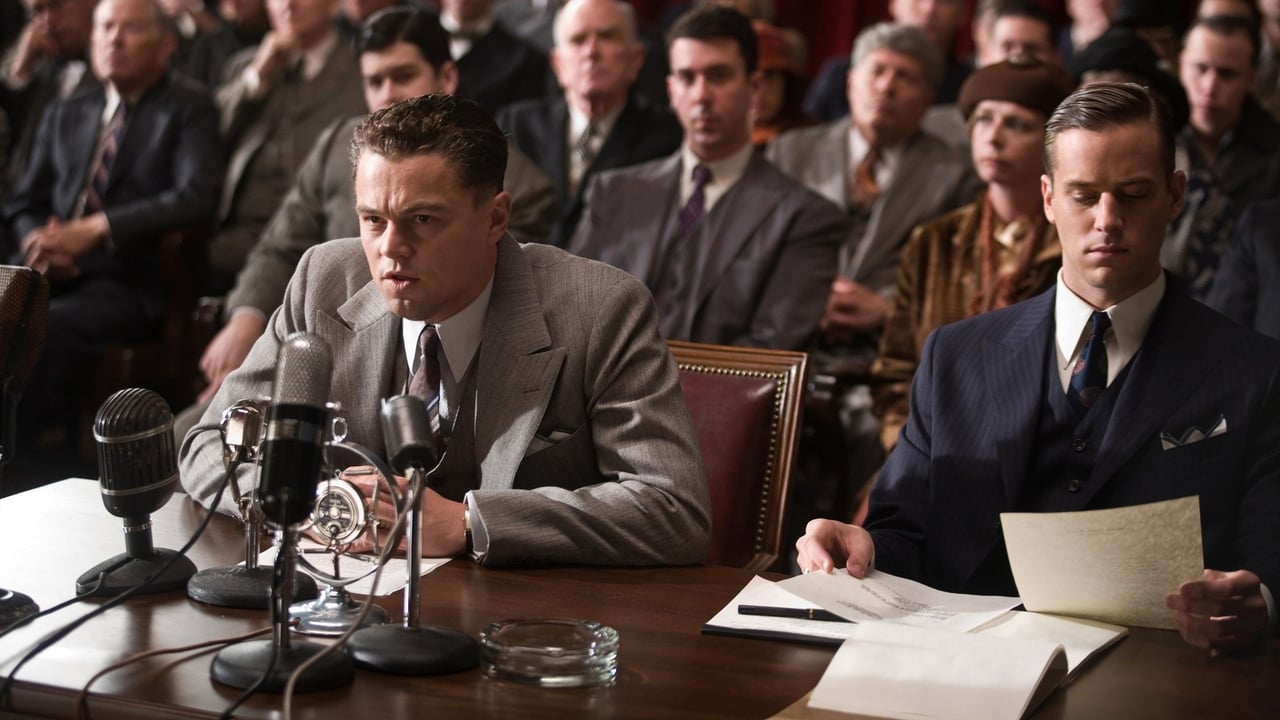
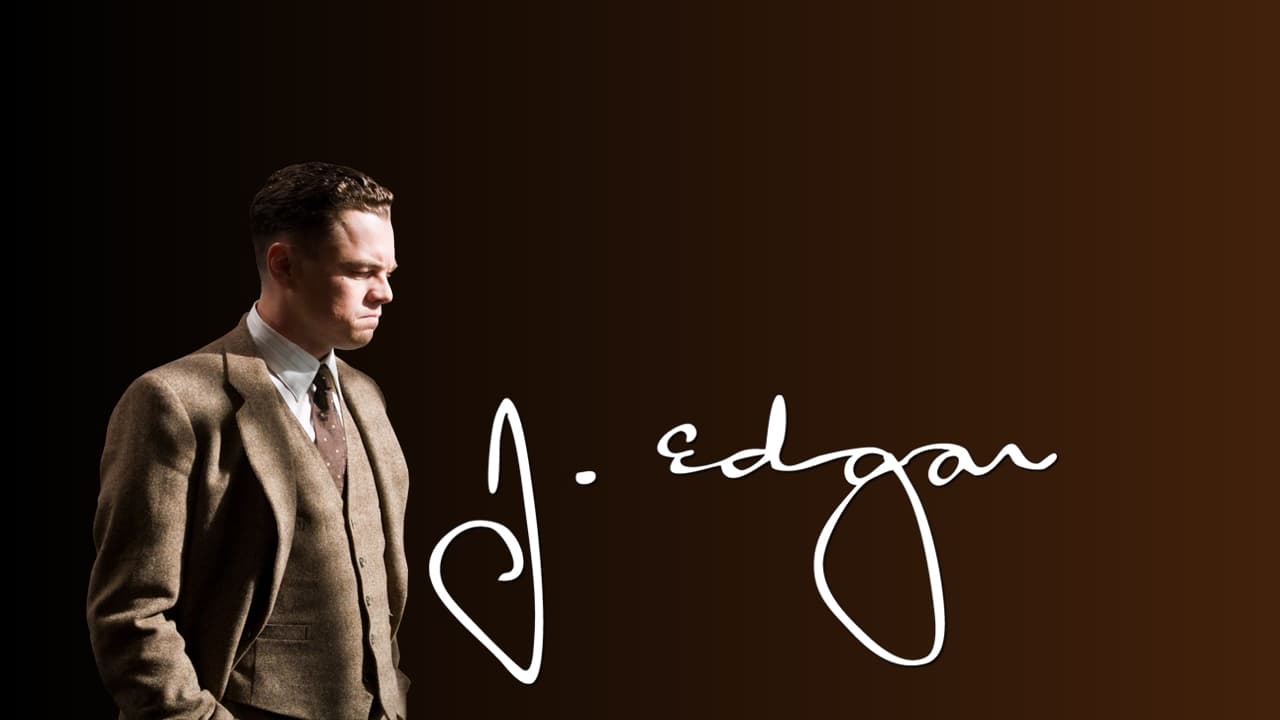
The film follows J. Edgar Hoover from his early days as a library clerk to his nearly 50-year reign as the most feared man in Washington. DiCaprio gives a performance that is nothing if not committed. He captures Hoover’s nervous, staccato energy—a man who seems to be physically vibrating with the effort of keeping his secrets tucked into his vest. But the real heartbeat of the movie isn't the birth of the FBI or the Lindbergh kidnapping; it’s the relationship between Hoover and his right-hand man, Clyde Tolson, played with surprising tenderness by Armie Hammer.
There’s a vulnerability in their shared scenes that feels remarkably progressive for a high-profile biopic from over a decade ago. While the film was criticized at the time for being too "vague" about their sexuality, rewatching it now reveals a deeply tragic love story buried under layers of Bureau paperwork. When they argue in a hotel room over Hoover’s potential marriage, the tension is palpable. It’s a drama about a man who built a fortress of law and order specifically to protect a private life he was terrified to acknowledge.
A Masterclass in Oatmeal Makeup
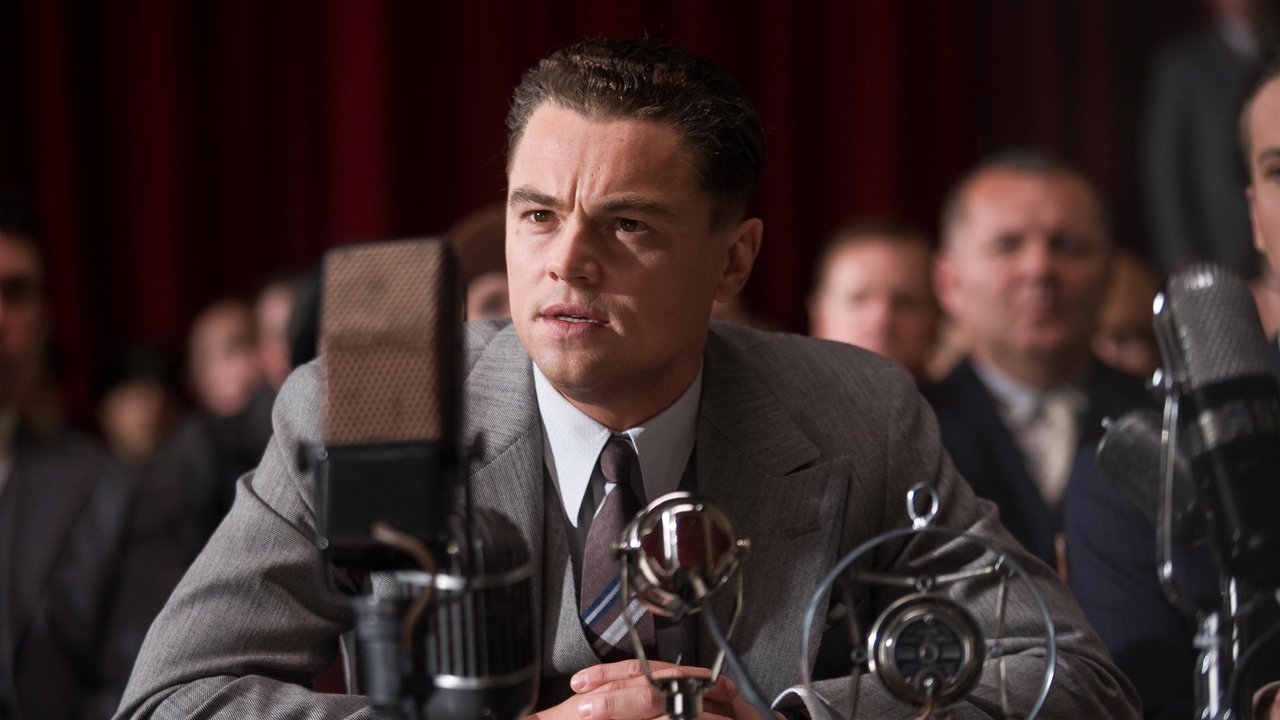
We have to talk about the elephant in the room: the makeup. In 2011, we were still a few years away from the seamless digital de-aging we see in the MCU or The Irishman. For J. Edgar, the production went old-school with heavy latex. It’s... a choice. There are moments where Leonardo DiCaprio and Armie Hammer look less like aging statesmen and more like they were hit with a blast of liquid skin that dried mid-sentence.
It’s a distraction, sure, but in a strange way, it fits the movie's theme of "the mask." Hoover was a man who obsessed over his image, dictating his own legend to a revolving door of young agents. The fact that he looks slightly "uncanny valley" emphasizes the artifice of his life. Judi Dench, playing Hoover’s domineering mother, doesn't need much makeup to be terrifying. She represents the rigid moral code that forged Edgar into a weapon, and her performance provides the psychological backbone the movie needs. Naomi Watts also puts in steady work as Helen Gandy, the secretary who knew where all the bodies—and files—were buried.
Stuff You Didn't Notice
One of the more interesting aspects of the production is how quickly Clint Eastwood works. He’s famous for "one-take" scenes, which usually gives his films a raw, lived-in feel. For J. Edgar, this meant DiCaprio had to stay in that heavy makeup for up to 15 hours a day, often with very little rehearsal time. Apparently, the scene where Hoover and Tolson have their physical confrontation was one of the few that required multiple takes because the emotions were so heightened.
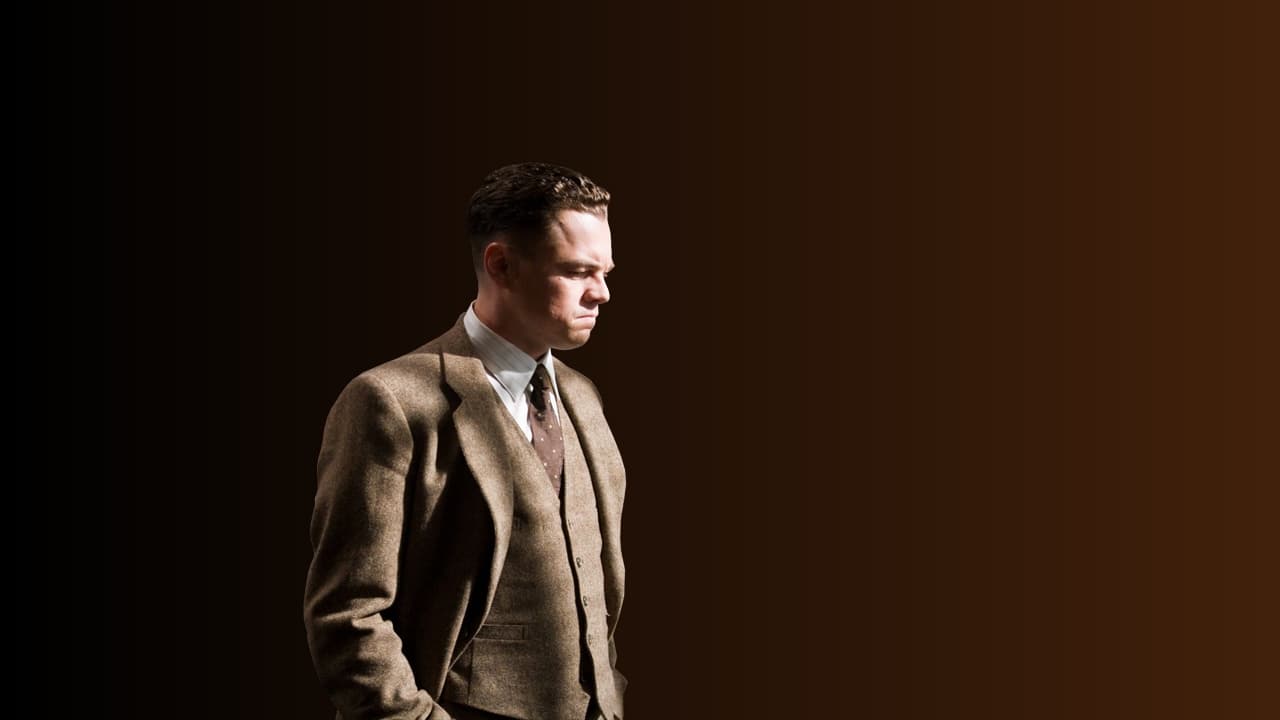
Interestingly, the screenplay was written by Dustin Lance Black, who had just won an Oscar for Milk. You can feel the friction between Black’s interest in queer history and Eastwood’s more stoic, traditional directing style. It creates a movie that feels like it’s constantly fighting with itself—much like Hoover himself. Also, for the car enthusiasts, the film features an incredible array of period-accurate vehicles, though most of them are obscured by that signature Eastwood "shadow-drenched" cinematography.
Ultimately, J. Edgar is a film that I appreciate more now than I did in 2011. It isn't a "fun" watch, and the pacing can feel as slow as a government bureaucracy, but it’s a singular character study. It captures that post-9/11 anxiety about surveillance and state power by looking back at the man who started it all. Hoover was essentially the first person to realize that "data" is the most lethal weapon on Earth. If you can look past the questionable prosthetics, you'll find a haunting story about the cost of total control.
It's a movie that doesn't ask you to like its protagonist, but it demands you understand the lonely, dusty room he built for himself. It’s a drama that rewards patience, even if you spend half of it wondering if the color yellow was banned from the set. Just keep an eye on your Sno-Caps.
Keep Exploring...
-
Invictus
2009
-

Changeling
2008
-
Flags of Our Fathers
2006
-
Public Enemies
2009
-
Absolute Power
1997
-
Gangs of New York
2002
-
In the Valley of Elah
2007
-
The Lincoln Lawyer
2011
-
Kill the Messenger
2014
-

Marie Antoinette
2006
-

The Other Boleyn Girl
2008
-
Faster
2010
-
The Next Three Days
2010
-
Colombiana
2011
-
Contraband
2012
-
Lawless
2012
-

Savages
2012
-

Jobs
2013
-
Out of the Furnace
2013
-
Side Effects
2013