Jane Eyre
"Love is a haunted house on a cold, damp moor."

Most of us have a "literary shelf" in our brains where Charlotte Brontë’s Jane Eyre sits, dusty and dutiful, next to other high school requirements. By 2011, the world had already endured roughly eighteen film versions and nine television miniseries of this story. We didn't exactly have a "Governess Shortage" in cinema. So, when I sat down to watch Cary Joji Fukunaga’s take on the material, I did so while nursing a cup of Earl Grey that had gone cold and listening to my apartment radiator clank like a ghost trying to escape the floorboards. I expected a polite, costume-heavy snooze-fest.
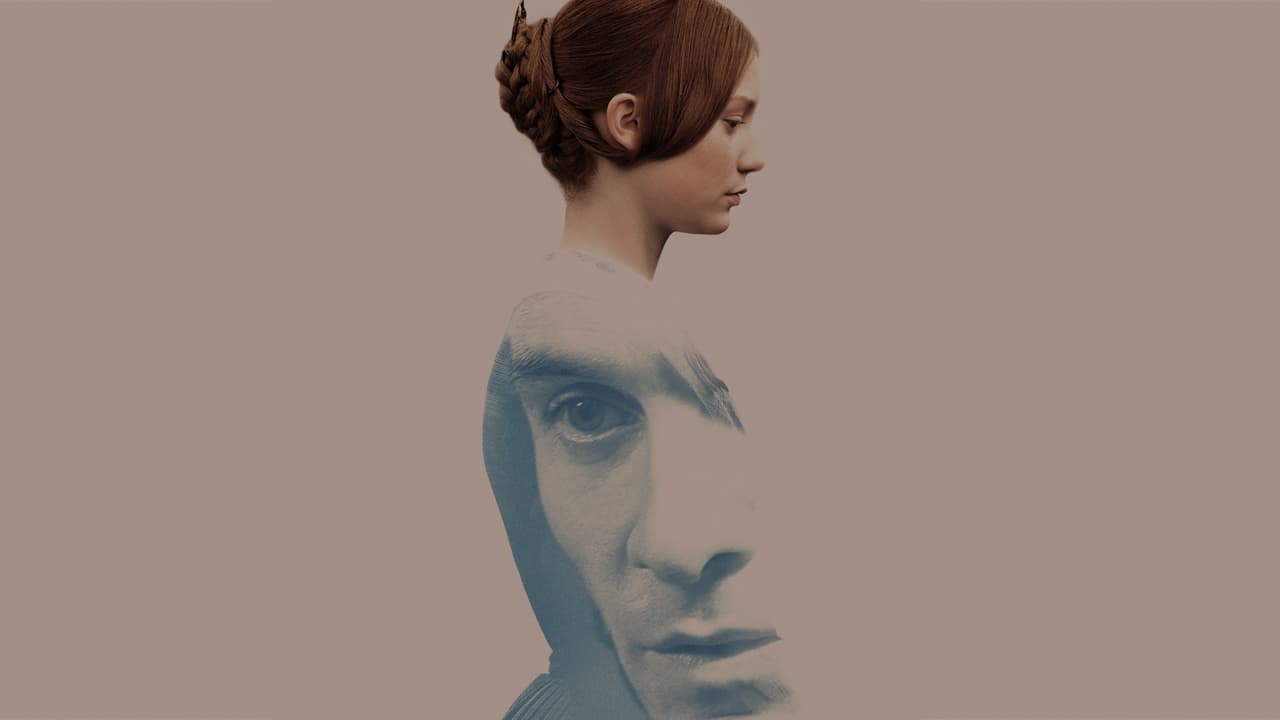
Instead, I found a film that understands that the Gothic tradition isn't just about lace collars—it’s about the terrifying, bone-chilling realization that your heart might belong to a man with a literal monster in his attic. This isn't your grandmother’s BBC production; it’s a moody, atmospheric, and strangely modern piece of filmmaking that manages to make 19th-century repression feel like a high-stakes thriller.
The Ghost of a Governess
The smartest thing director Cary Joji Fukunaga (fresh off the grit of Sin Nombre and years away from No Time to Die) does is mess with the timeline. We don't start with Jane’s miserable childhood; we start with her fleeing Thornfield Hall, sobbing and breaking down in the rain. It reframes the entire story as a mystery. Why is she running? What did that big, drafty house do to her?
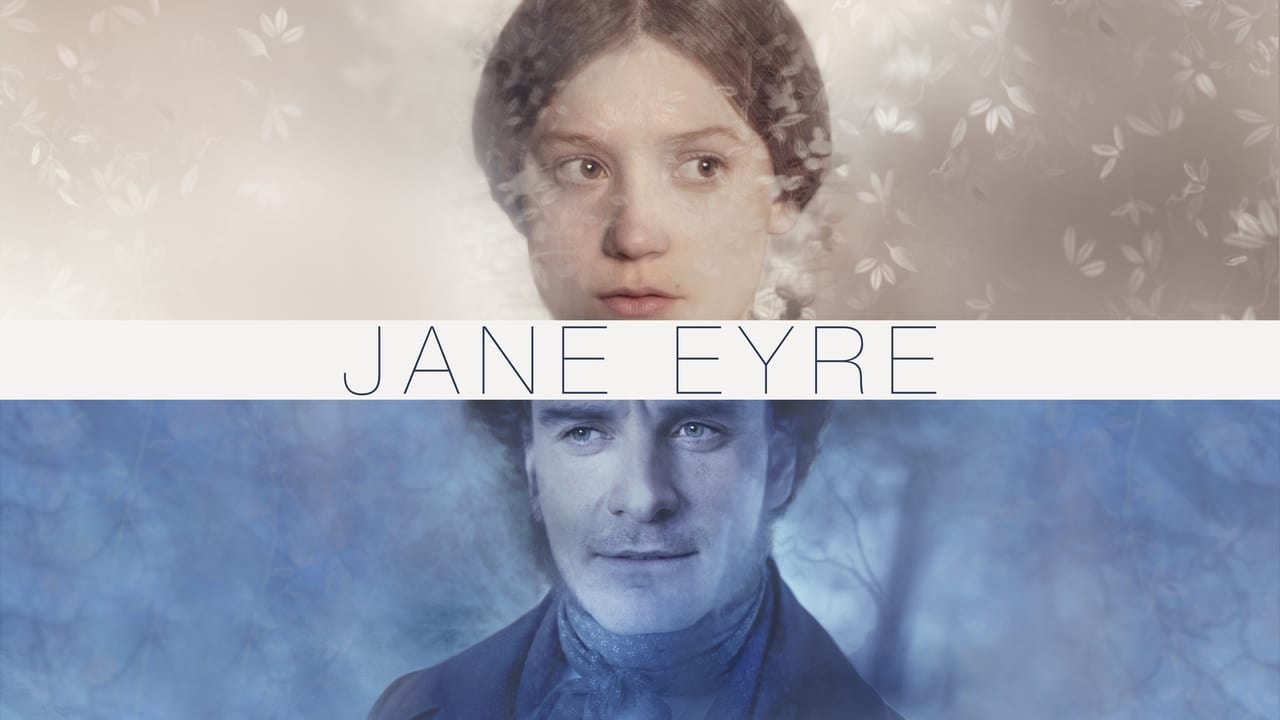
Mia Wasikowska is, for my money, the definitive Jane. In previous versions, Jane is often played as either too pretty or too saintly. Wasikowska plays her as a pressurized cooker of dignity and repressed rage. She’s small, pale, and blends into the stone walls, but her eyes suggest she’s ready to set the curtains on fire if you patronize her. It’s a quiet performance that demands you lean in, which is exactly how Jane Eyre should be. She’s not a damsel; she’s a survivor who happens to have a very nice vocabulary.
Then there’s Michael Fassbender as Rochester. Look, Fassbender in 2011 was on a run that was frankly unfair to other actors. Between this, X-Men: First Class, and Shame, he was everywhere. Here, he plays Rochester like a man who hasn't slept since the late 1700s and might actually bite you if you mention his French ward. He’s abrupt, rude, and smoldering in a way that feels dangerous rather than romantic. When he and Wasikowska trade barbs by the fireplace, the chemistry isn't just "period drama" longing—it’s a psychological chess match.
Fog, Fire, and Faded Lace
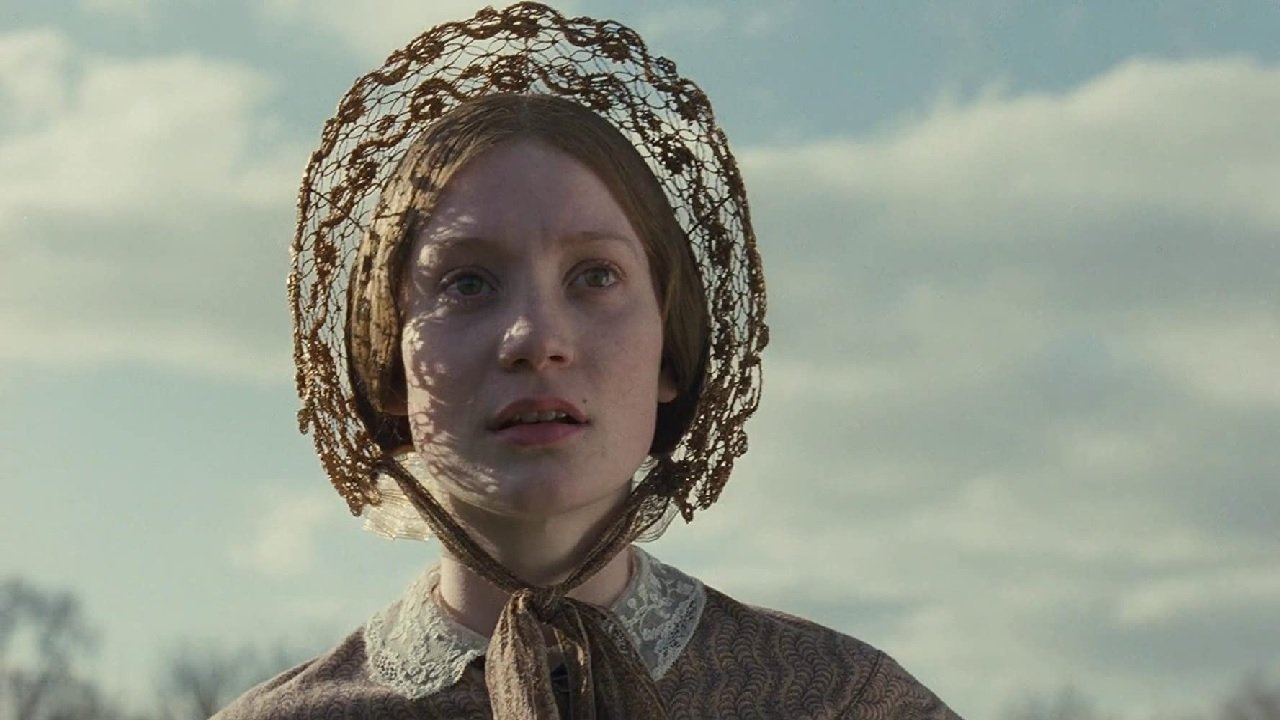
Visually, this film is a triumph of the "Natural Light" era. Cinematographer Adriano Goldman (who later did incredible work on The Crown) captures the English countryside as a place of relentless, damp gray. The interiors of Thornfield feel cavernous and genuinely spooky. This was a time in the early 2010s when digital was starting to dominate, but Fukunaga shot this on film, and you can feel the texture. You can practically smell the wet wool and the candle soot.
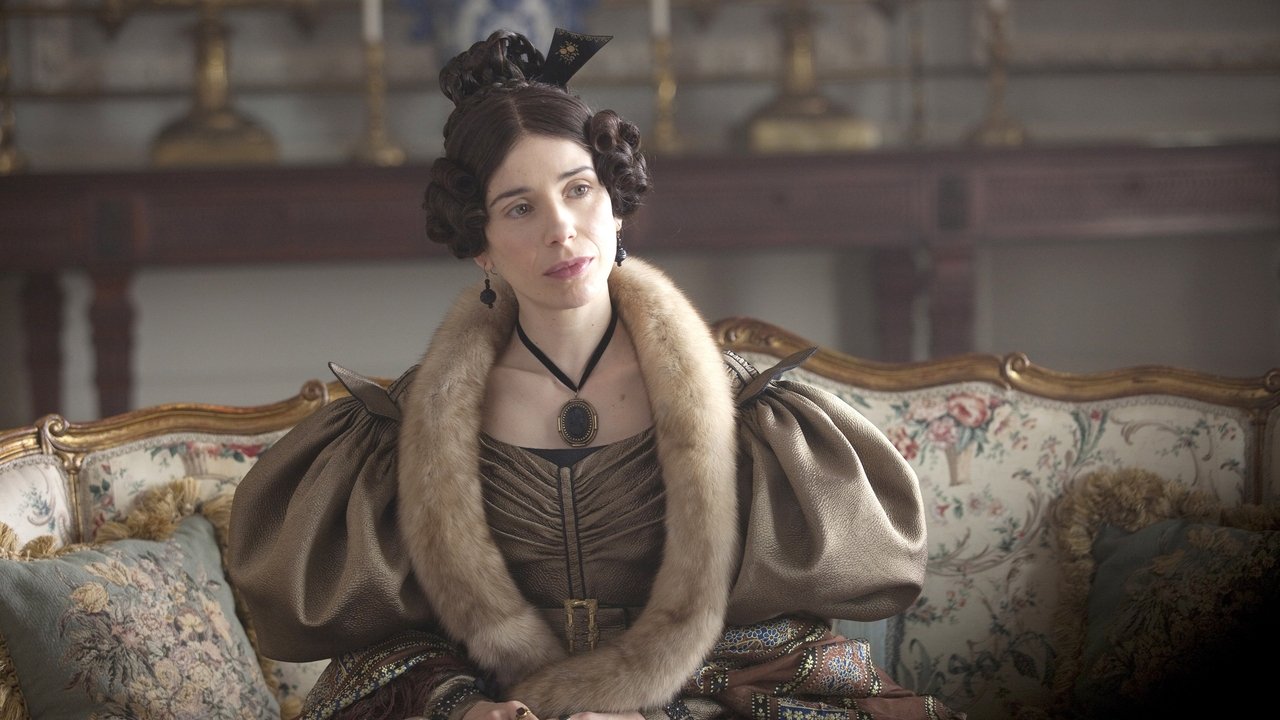
The supporting cast is equally stacked. Jamie Bell pops up as the icy St. John Rivers, providing a perfect, joyless foil to Rochester’s fire. And Sally Hawkins—usually the most likable person on screen—is effectively loathsome as the cruel Mrs. Reed. Even the score by Dario Marianelli (who won an Oscar for Atonement) eschews the sweeping, sentimental strings for something more haunting and skeletal.
One of the cooler details I found out later: to get that specific "haunted" look, the production used Haddon Hall in Derbyshire, which is so ancient and authentic that they couldn't even use modern lighting equipment in many rooms for fear of damaging the structure. That authenticity pays off. When Jane wanders the halls with a single candle, it looks like a horror movie because, for a woman in 1840 with no money and a secret-keeping boss, life basically was a horror movie.
Why It Still Bites
Looking back from the 2020s, this Jane Eyre feels like a bridge between the classic prestige dramas of the 90s and the more experimental "elevated horror" or "feminist gothic" we see now. It doesn't treat the source material like a museum piece. It treats it like a raw, bleeding wound. It understands that Jane’s struggle for independence isn't just a "theme"—it’s a fight for her life.
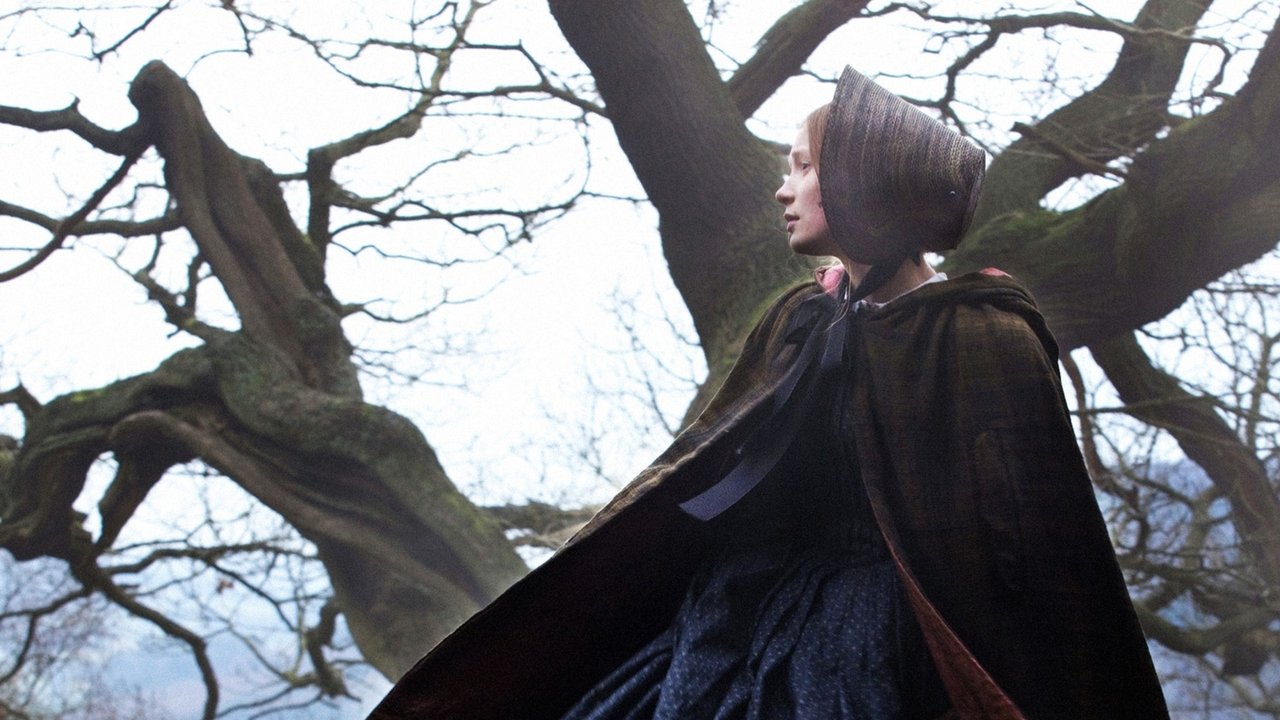
The film did decent business, but it’s often overlooked when people talk about the great literary adaptations. It shouldn't be. It manages to take a story we all know by heart and make it feel unpredictable. It’s a film that respects its audience's intelligence, refusing to over-explain the "terrible secret" until the very last possible second, letting the dread build until the house literally and figuratively comes down.
If you’ve skipped this because you think you’ve "already seen" Jane Eyre, you’re doing yourself a disservice. This is the version that remembers the book was written by a woman living on a wind-swept moor who was probably as frustrated and brilliant as her protagonist.
This is a masterfully moody slice of Gothic cinema that proves some stories are worth retelling if you’re willing to get a little mud on the hem of the dress. Mia Wasikowska and Michael Fassbender turn a Victorian staple into a simmering, dangerous romance that sticks with you long after the mist clears. It’s the perfect watch for a rainy night when you want to feel both intellectually stimulated and slightly unnerved.
Keep Exploring...
-
The Duchess
2008
-
An Education
2009
-
Submarine
2011
-

Notes on a Scandal
2006
-

Salmon Fishing in the Yemen
2012
-
A Good Year
2006
-

Little Children
2006
-
The Painted Veil
2006
-

Volver
2006
-
Across the Universe
2007
-
Becoming Jane
2007
-

Cashback
2007
-
Dan in Real Life
2007
-
Lars and the Real Girl
2007
-
No Reservations
2007
-
The Nanny Diaries
2007
-
Ghost Town
2008
-
Nick and Norah's Infinite Playlist
2008
-
Two Lovers
2008
-
Wild Child
2008