Like Crazy
"Love is easy. Distance is a different story."
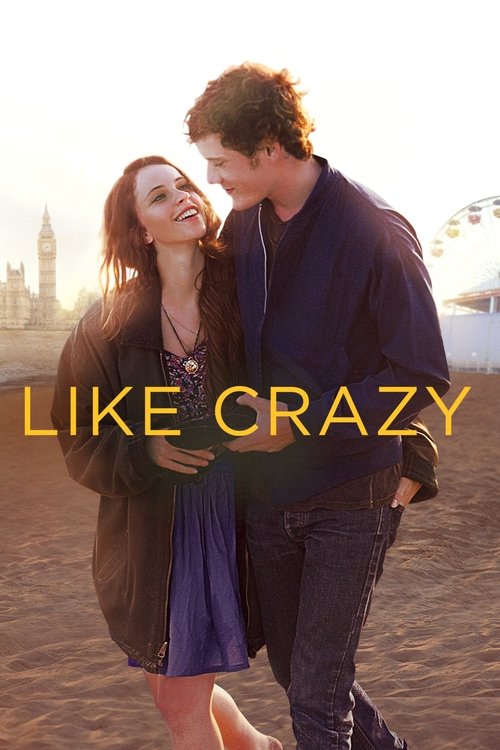
I remember watching Like Crazy for the first time on my old laptop while eating a bowl of lukewarm cereal, and the crunch of the cornflakes felt unnecessarily loud during the quiet scenes. It’s that kind of movie—the sort of intimate, hushed experience that makes you feel like you’re eavesdropping on a private conversation you weren't supposed to hear. Released in 2011, this film arrived right at the peak of the DSLR filmmaking revolution, a time when every aspiring director was grabbing a Canon 7D and trying to capture "the truth." But while most of those experiments resulted in shaky footage of people staring at trees, Drake Doremus actually managed to capture lightning in a bottle.
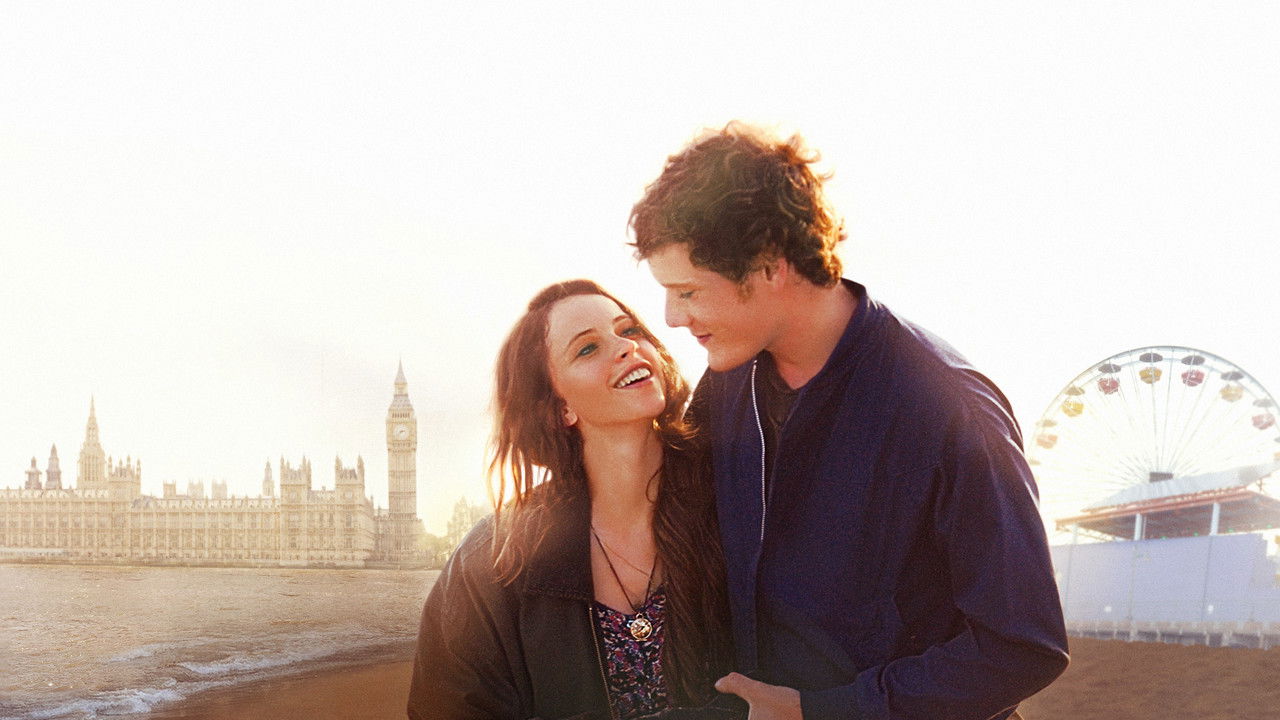
The DSLR Revolution and Improvised Intimacy
Looking back at the early 2010s, there was this specific aesthetic shift happening in indie cinema. We were moving away from the polished look of 35mm and into the grainy, shallow-depth-of-field world of digital cameras. Like Crazy is the poster child for this era. Shot for a measly $250,000 on a still camera (the aforementioned Canon 7D), it has a texture that feels almost like a home movie, but one directed by someone with an incredible eye for light.
The most fascinating bit of trivia here is that there was no traditional screenplay. Drake Doremus and Ben York Jones (who also wrote the underrated Everything Sucks!) provided the actors with a 50-page outline filled with emotional beats and objectives, but the dialogue was almost entirely improvised. This was a massive gamble that paid off because it avoided the "movie-speak" that plagues so many romances. Instead, we get the stutters, the awkward pauses, and the half-finished thoughts that actually make up a relationship. Improvisation is usually a recipe for self-indulgent rambling, but here it feels like a surgical strike on the heart.
Yelchin and Jones: A Chemistry That Hurts
At the center of this whirlwind are Anton Yelchin as Jacob and Felicity Jones as Anna. It’s still genuinely painful to watch Anton Yelchin (who we lost far too soon, and who was brilliant in everything from Star Trek to Green Room) because he had this incredible vulnerability. He doesn't play Jacob as a "romantic lead"; he plays him as a guy who is genuinely overwhelmed by his own feelings. Opposite him, Felicity Jones—long before she was leading rebel missions in Rogue One—gives a performance that is so raw it’s almost uncomfortable to watch.
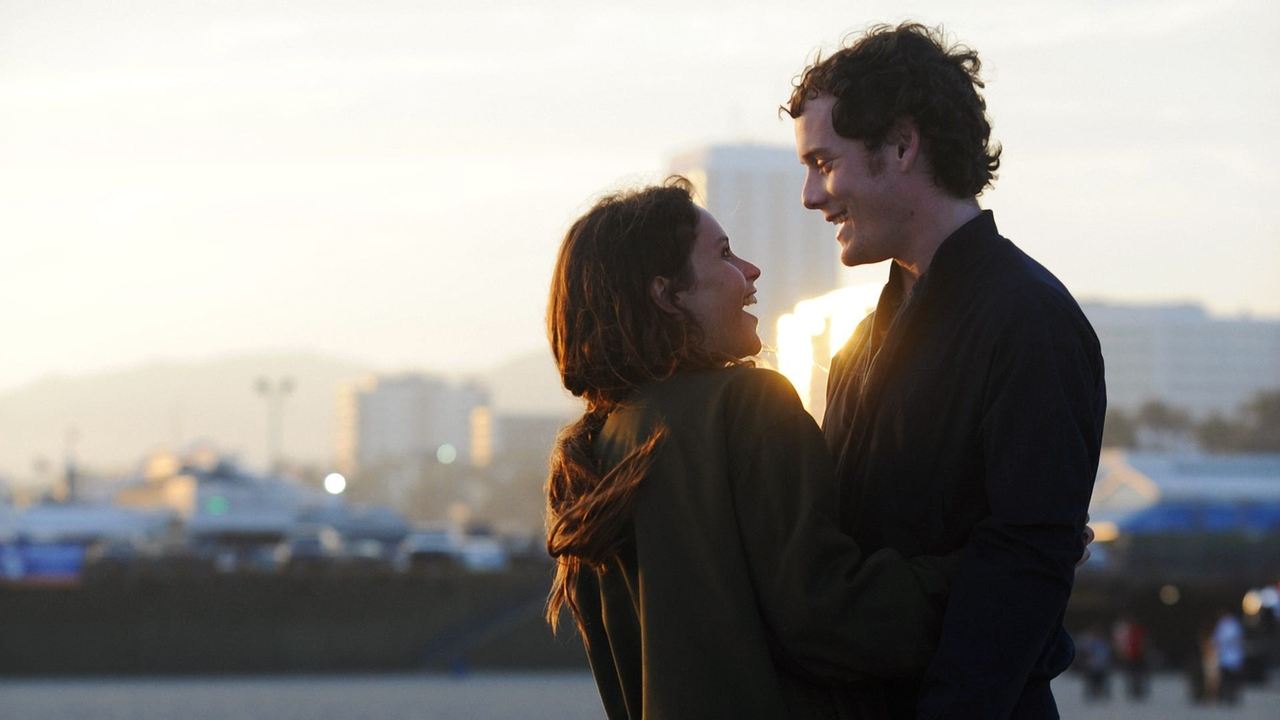
Their chemistry is the entire film. If you don't believe they belong together in those first twenty minutes, the rest of the movie falls apart. But they sell it. They sell the giddy, "I can't breathe without you" phase of college love so well that when the visa issues kick in, you feel the physical weight of the separation. Anna overstays her student visa by just a few months to spend a summer with Jacob, a tiny act of rebellion that triggers a cascading disaster of legal red tape.
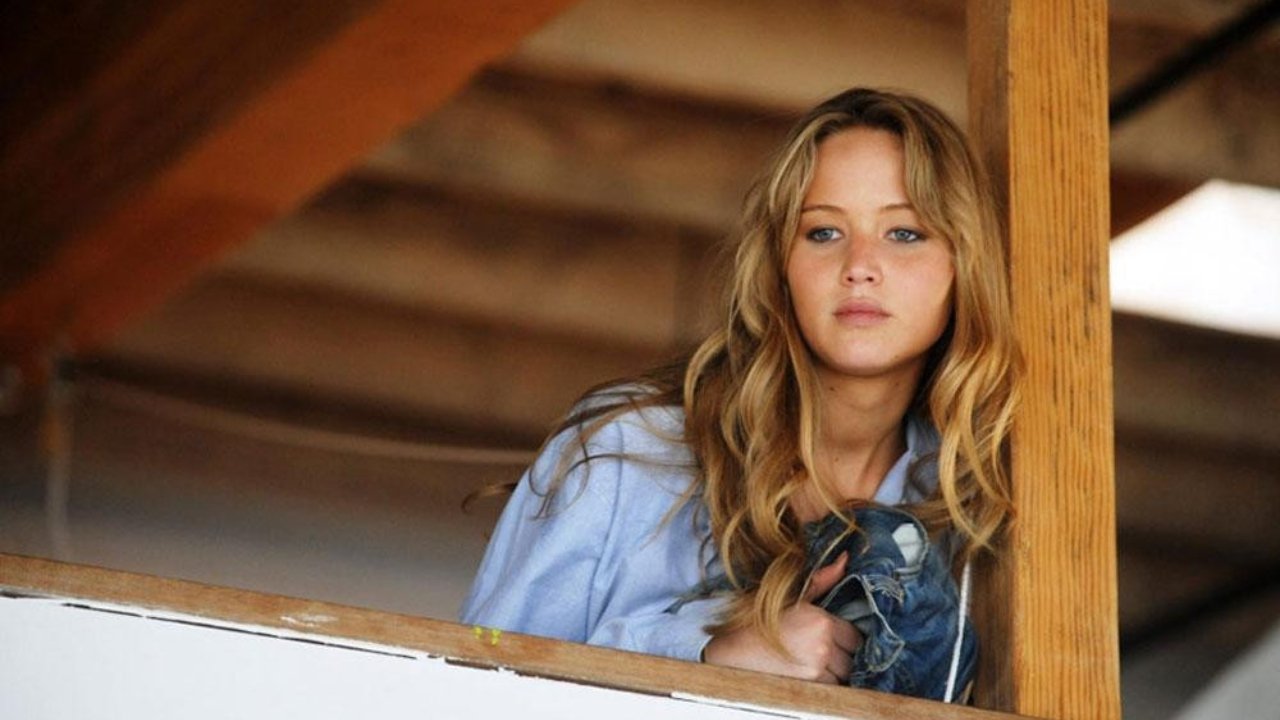
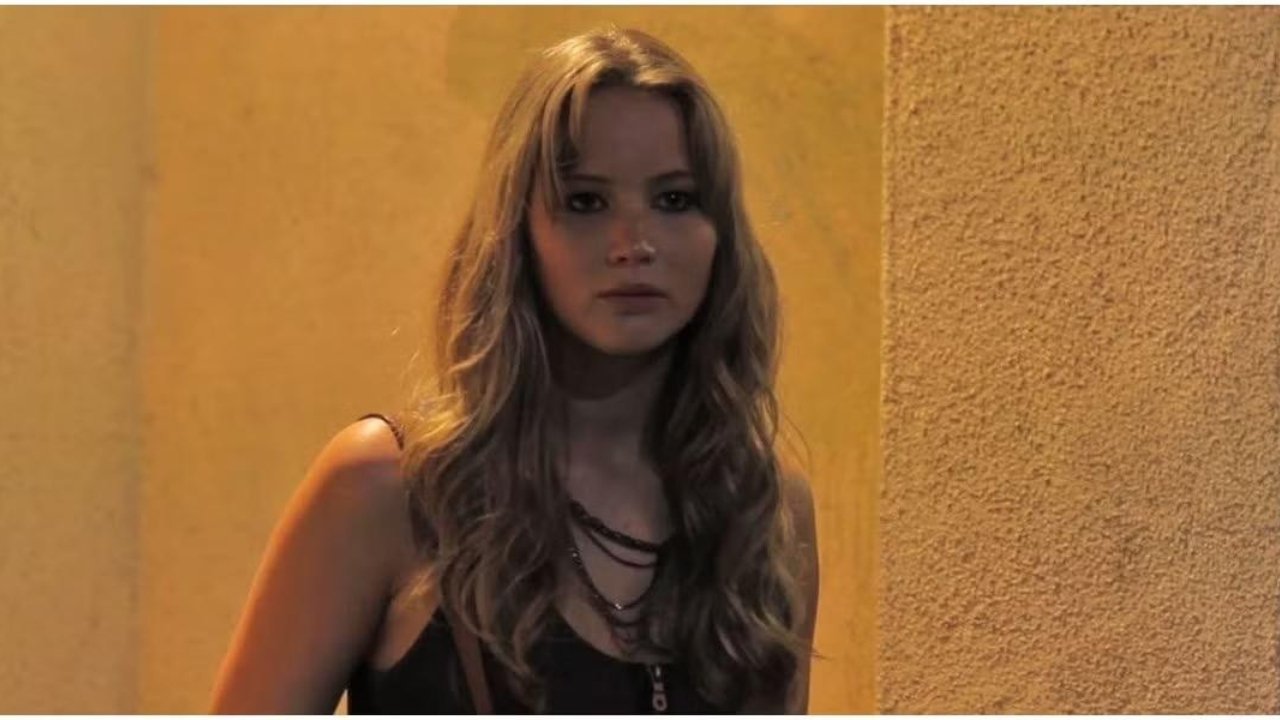
And then there’s Jennifer Lawrence. It’s easy to forget she’s in this, appearing right as she was becoming a global superstar in The Hunger Games. She plays Sam, the woman Jacob sees during the "off" periods of his long-distance struggle with Anna. Usually, the "other woman" in these movies is a villain or a plot device, but Lawrence makes Sam so likable and so clearly the "right" choice on paper that it makes Jacob’s obsession with Anna feel even more tragic. Being the 'backup' in someone else's epic romance is a special kind of hell.
The Slow Decay of Long Distance
What I appreciate most about Like Crazy now, a decade-plus later, is how it handles the passage of time. The editing by Alberto Marini is fantastic—it skips across months and years with a rhythmic flow that mimics how memories work. You see the evolution of technology, too. They move from grainy Skype calls with laggy audio to texting on early iPhones. It captures that specific 2010s anxiety of waiting for a "Sent" receipt to turn into a reply.
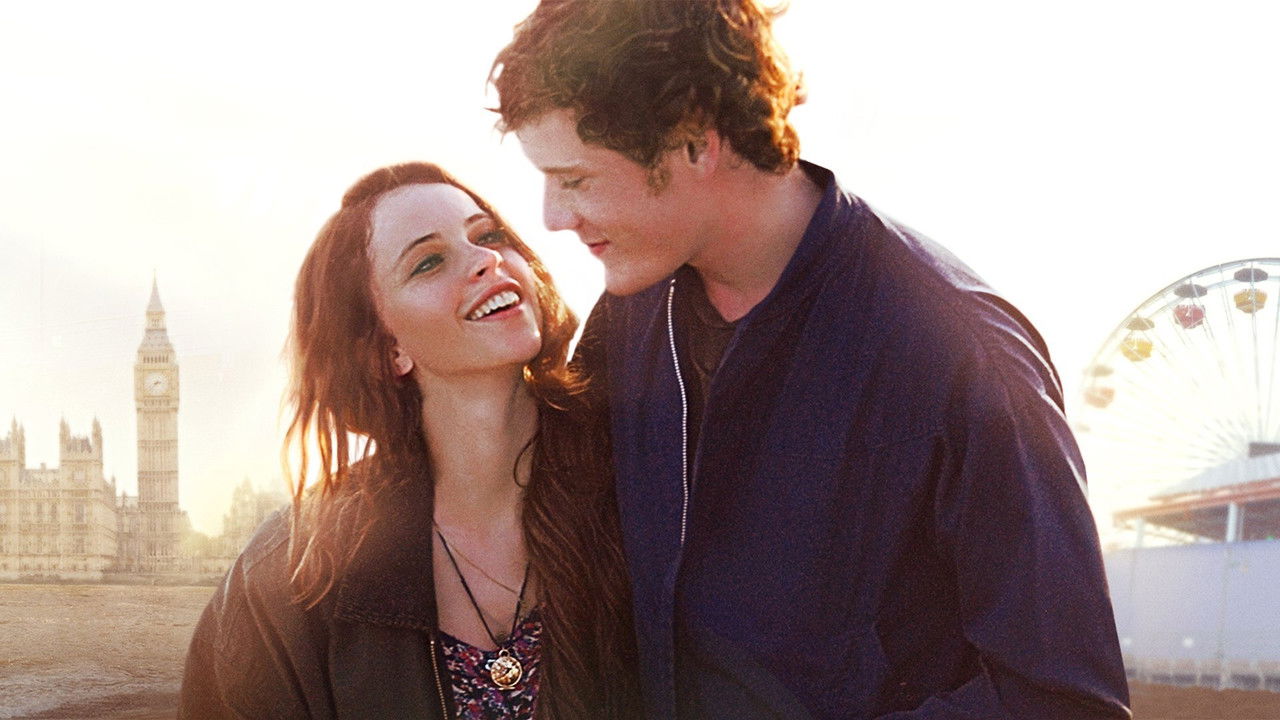
The film explores a theme that most romances are too scared to touch: the idea that you can want something so badly for so long that by the time you actually get it, you’ve forgotten why you wanted it in the first place. The ending is one of the most haunting "happy" endings in cinema history. It’s the ultimate "be careful what you wish for" moment. I won't spoil it, but the look on their faces in the final scene is a masterclass in nuanced acting.
Like Crazy is a beautiful, agonizing relic of the indie film renaissance. It’s a movie that understands that love isn't just a feeling; it’s a logistics nightmare that can be defeated by something as boring as a customs official's stamp. If you’ve ever refreshed your inbox a hundred times or felt the soul-crushing silence of a transatlantic phone call, this movie will wreck you. It’s an essential watch for anyone who prefers their romance with a side of cold, hard reality.
Keep Exploring...
-
Equals
2015
-

Ruby Sparks
2012
-

A Good Year
2006
-

Little Children
2006
-
Across the Universe
2007
-
Becoming Jane
2007
-
Dan in Real Life
2007
-
Hotel Chevalier
2007
-
Lars and the Real Girl
2007
-
The Nanny Diaries
2007
-
Ghost Town
2008
-
Nick and Norah's Infinite Playlist
2008
-
Two Lovers
2008
-
Wild Child
2008
-
A Single Man
2009
-
An Education
2009
-
Crazy Heart
2009
-
The Young Victoria
2009
-
Youth in Revolt
2009
-
I Love You Phillip Morris
2010