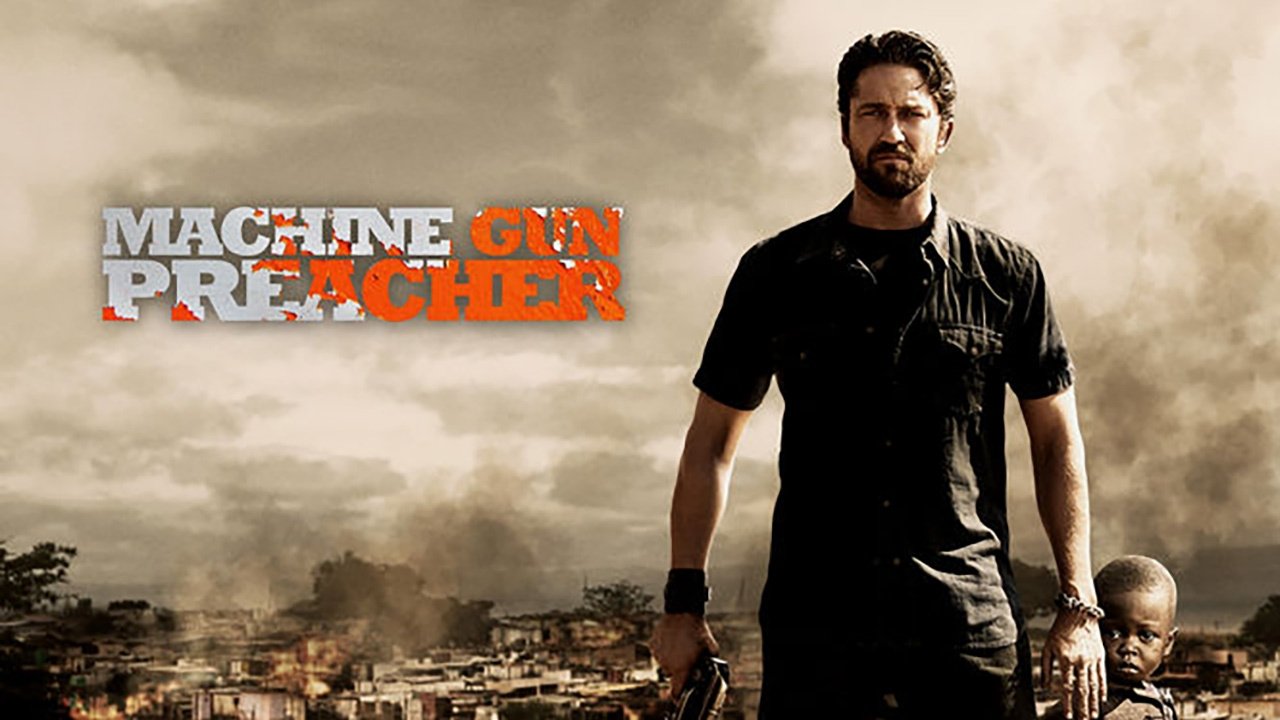
Machine Gun Preacher
"One man’s mission. Two worlds. No easy answers."

If you saw a poster for Machine Gun Preacher at a rental kiosk back in 2011, you’d be forgiven for thinking it was a lost Grindhouse sequel or a late-night Steven Seagal flick. The title practically screams "straight-to-DVD bargain bin," promising a campy romp where a priest mows down sinners with a holy vengeance. I remember picking up the DVD at a CVS during a rainstorm—I accidentally dropped my umbrella on a display of cheap sunglasses while reaching for it—and being genuinely shocked to see Marc Forster’s name on the back. This is the guy who directed Monster’s Ball (2001) and Finding Neverland (2004). This wasn't supposed to be trash; it was supposed to be important.
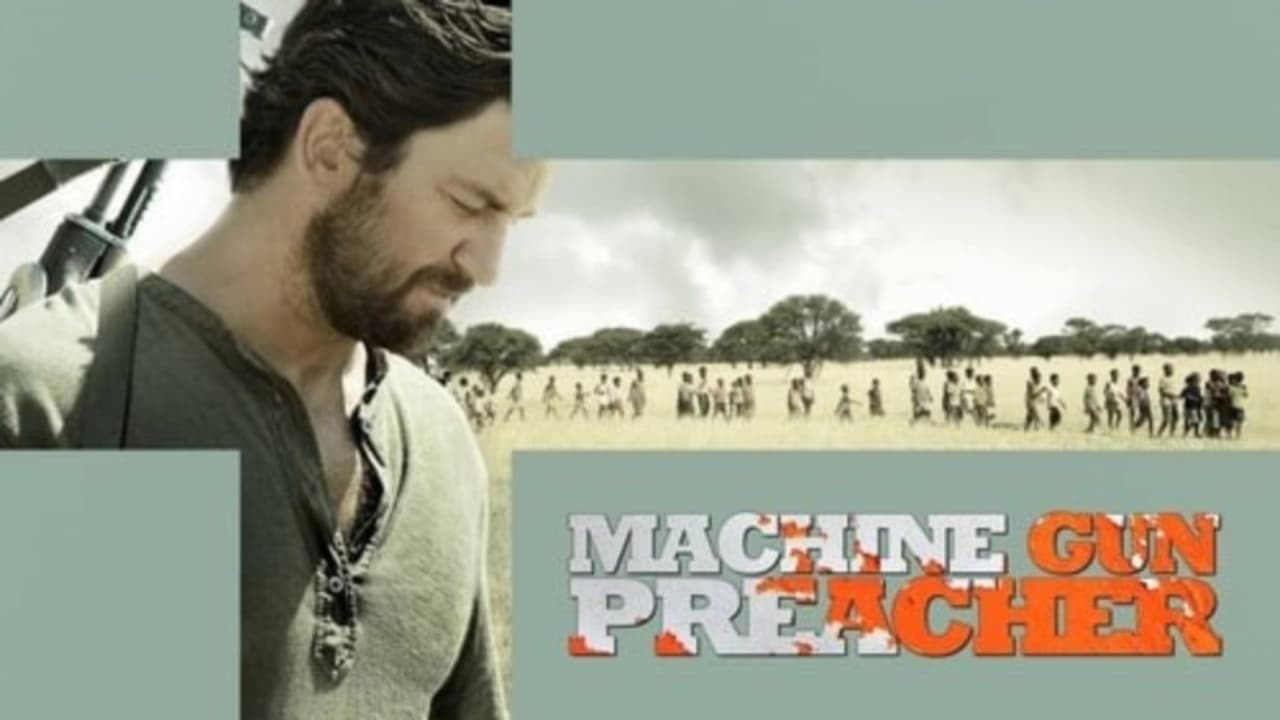
What I found inside that case wasn't a B-movie, but a jarring, sweaty, and deeply conflicted biopic that felt like it was having a mid-life crisis in real-time. It’s a film that tries to bridge the gap between a gritty character study and a Rambo-style rescue mission, and while it doesn’t always stick the landing, it’s a fascinating relic of that early 2010s era when Hollywood was still trying to figure out how to package "true grit" for a mass audience.
From Biker Bars to Bush Wars
The film follows the true story of Sam Childers, played with a frantic, vein-popping intensity by Gerard Butler. When we meet Sam, he’s fresh out of prison, a drug-addicted biker who thinks a fun Friday night involves armed robbery and nearly gutting a man in a ditch. It’s a far cry from the "King Leonidas" heroics of 300 (2006). Butler spends the first act of the movie looking like he hasn't showered since the Bush administration, and it’s arguably some of his most committed work.
The "preacher" part of the title comes after Sam hits rock bottom, finds Jesus at his wife’s (Michelle Monaghan, who played the "long-suffering spouse" better than almost anyone in the 2000s) urging, and eventually travels to Sudan to help build homes. There, he encounters the horrors of the Lord's Resistance Army (LRA). The transition from Sam the Sinner to Sam the Savior is handled with the speed of a digital download on a fiber connection, but once the film moves to Africa, it finds its pulse.
The Conflict of the White Savior Trope
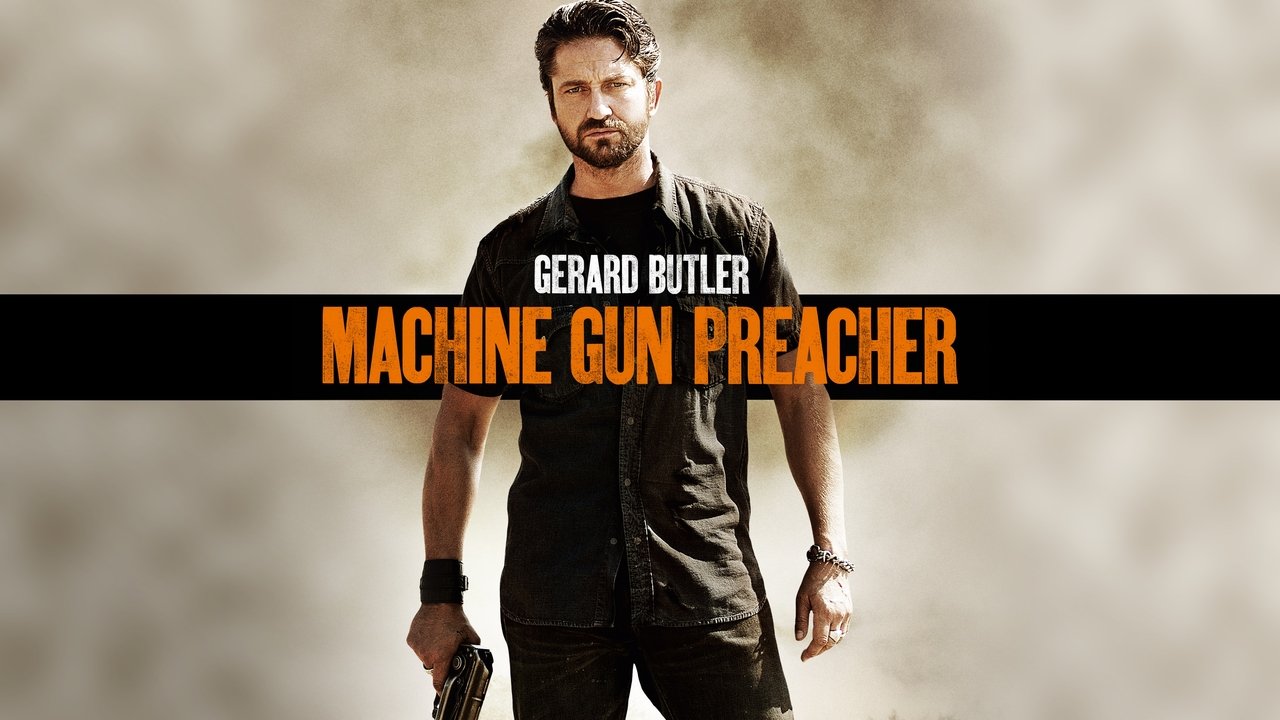
In the context of 2011, Machine Gun Preacher landed right in the middle of a shifting cultural conversation. This was the era of "Kony 2012" and a surge of Western interest in East African conflicts. Looking back, the film struggles with the "white savior" narrative that was common in films like The Blind Side (2009) or Blood Diamond (2006). However, to Forster’s credit, he doesn’t make Sam Childers particularly likable. Gerard Butler’s American accent is a structural marvel that barely holds together, but his portrayal of Sam’s obsession is haunting.
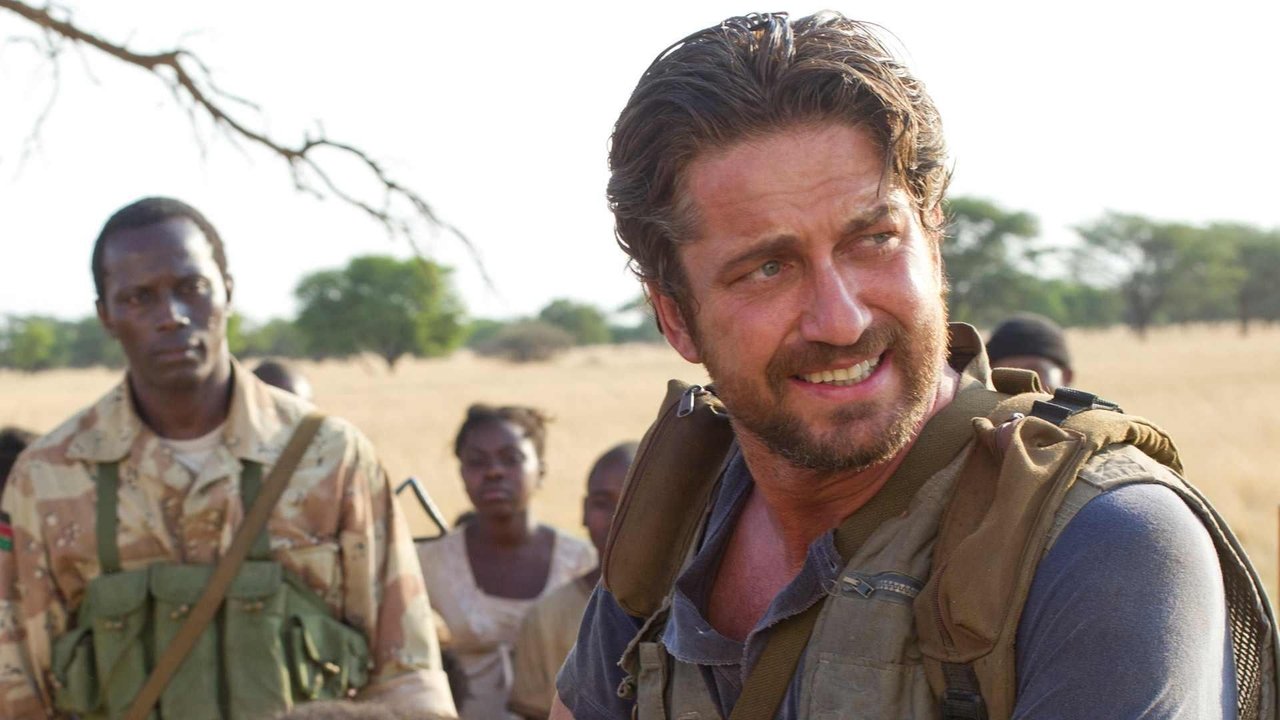
The film posits that to save these children, Sam has to sacrifice his own humanity, his family’s financial security, and his sanity. He becomes a man who preaches grace but deals in lead. There’s a scene where he returns to his comfortable American life and looks at a backyard barbecue with utter contempt. It captures that post-9/11 anxiety—the feeling that the world is on fire and our domestic comforts are just a fragile illusion. The action sequences, handled by the same guy who gave us the frantic, often-criticized editing of Quantum of Solace (2008), are bruising and chaotic. They don’t feel like "fun" action; they feel like desperate, ugly survival.
Why It Vanished into the Shadows
Despite a $30 million budget and a major star at the height of his powers, Machine Gun Preacher essentially evaporated at the box office, clawing back less than $3 million. Why? For starters, the movie has the tonal consistency of a blender full of gravel. It was too violent for the "faith-based" crowd that usually supports redemptive biopics, and it was too "preachy" for the hardcore action fans who just wanted to see the guy from Gamer (2009) blow things up.
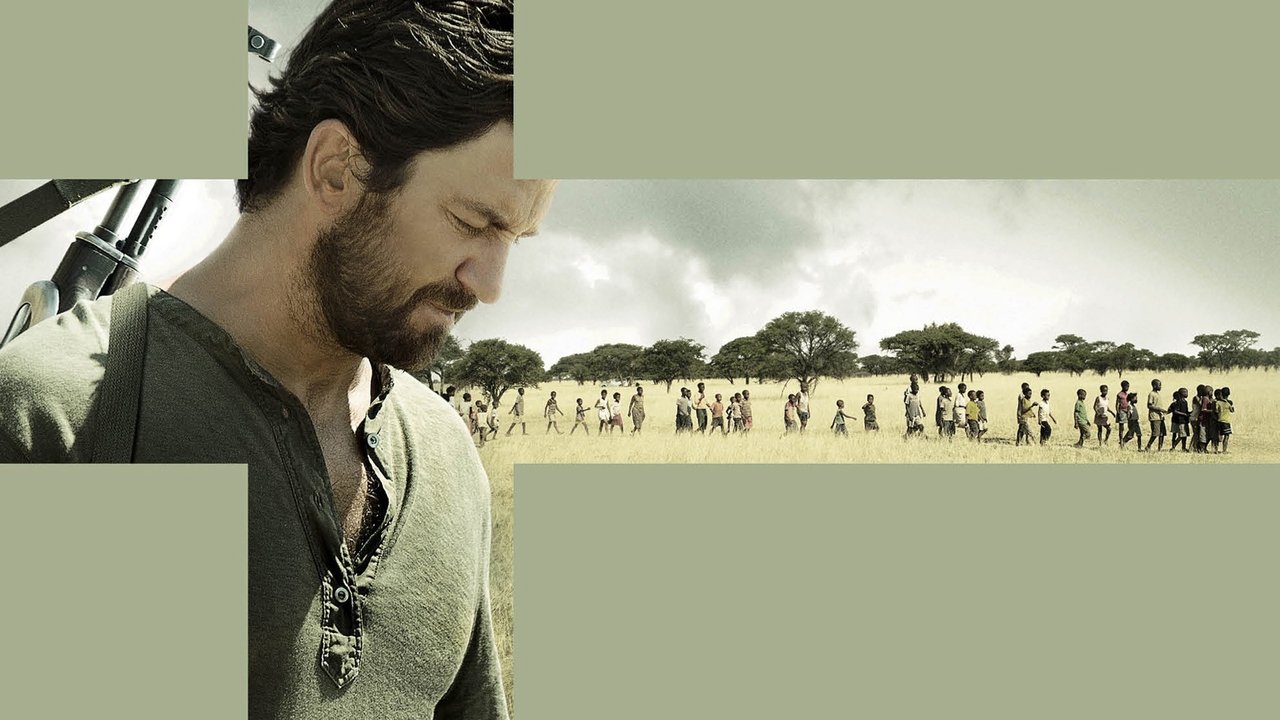
Furthermore, the marketing was a disaster. It was positioned as a prestige Oscar contender, but the title suggested a direct-to-video actioner. It sat in a weird limbo. Behind the scenes, the production was a massive undertaking, filming largely in South Africa to recreate the Sudanese landscapes. The real Sam Childers is a polarizing figure, and the screenplay by Jason Keller (who later wrote Ford v Ferrari) doesn't shy away from the fact that Sam’s mission often looked more like a private war than a charity. It’s an uncomfortable watch, which is usually a death sentence for a mid-budget studio film.
Ultimately, Machine Gun Preacher is a film that deserves a second look, even if it leaves you feeling a bit greasy. It captures a specific moment in the digital transition of cinema—where the grit of the 70s was being filtered through the slicker, high-contrast lenses of the 2010s. It’s not a masterpiece, and it’s certainly not "fun" in the traditional sense, but it’s an ambitious, flawed, and raw piece of storytelling. If you can get past the jarring shifts in tone, you’ll find a performance from Gerard Butler that reminds you he’s capable of much more than just being an action figure. It’s a messy film about a messy man, and in a world of polished franchise entries, that counts for something.
Keep Exploring...
-
Quantum of Solace
2008
-
Firewall
2006
-
Undisputed II: Last Man Standing
2006
-
Shoot 'Em Up
2007
-
Street Kings
2008
-
Takers
2010
-
The Losers
2010
-
Blitz
2011
-

Get the Gringo
2012
-
Stand Up Guys
2012
-
Dead Man Down
2013
-
RocknRolla
2008
-
Miami Vice
2006
-
Running Scared
2006
-
Smokin' Aces
2006
-
The Sentinel
2006
-
Death Sentence
2007
-
War
2007
-
Mesrine: Killer Instinct
2008
-
Mesrine: Public Enemy #1
2008