Margin Call
"In the end, it’s just numbers and silence."
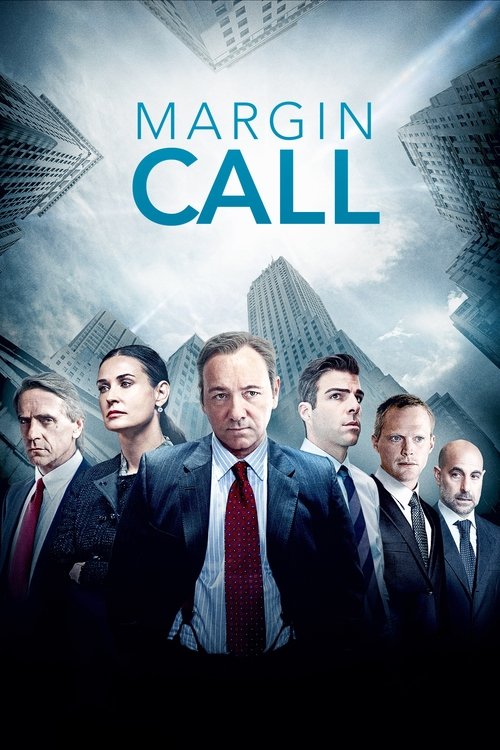
Most horror movies rely on a masked killer or a jump-scare to get your heart rate up, but Margin Call manages to be the most terrifying film of 2011 using nothing but Excel spreadsheets and the sound of a late-night elevator. I’ve always found that the most effective thrillers are the ones where the monster is invisible; here, the monster is a mathematical formula that suddenly stops making sense. It’s 2:00 AM in a glass-and-steel skyscraper, and a group of very well-dressed people have just realized the world as they know it is about to end before the markets open at 9:30 AM.
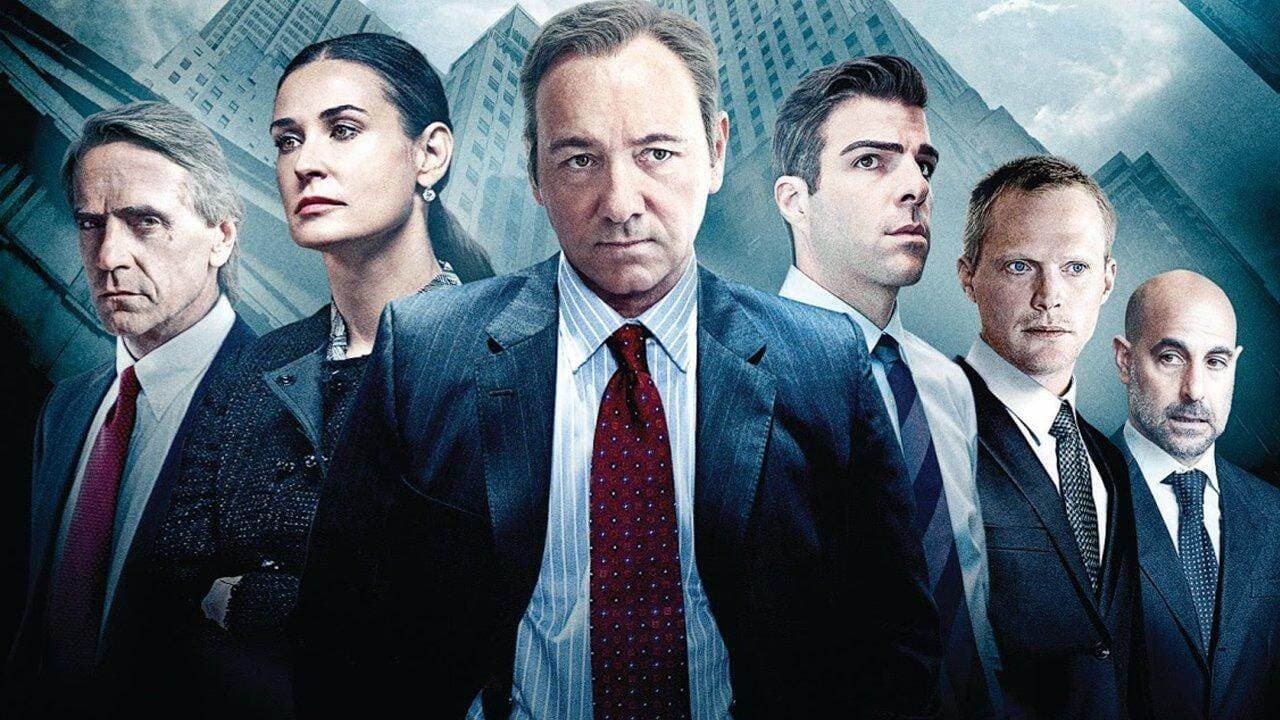
The Anatomy of a Midnight Massacre
What I love about J.C. Chandor’s directorial debut is how it resists the urge to be a "finance movie." You don't need an MBA to follow this. In fact, the film goes out of its way to explain the impending 2008 financial collapse in terms so simple a child—or a CEO—could understand. Zachary Quinto (who also produced this through his "Before the Door" banner) plays Peter Sullivan, a rocket-scientist-turned-analyst who discovers that the firm’s mortgage-backed securities are essentially a ticking time bomb.
The tension doesn't come from the math, though; it comes from the faces of the people realizing they’ve been holding a live grenade for years. Paul Bettany, who I think gives one of the most underrated performances of his career here as Will Emerson, perfectly captures the cynical exhaustion of the era. He’s the guy who knows the system is rigged but likes his Aston Martin too much to care—until the bill finally comes due. I watched this on my couch while my cat was aggressively licking her own foot, which provided a strangely rhythmic, distracting counterpoint to the clinical, high-stakes dialogue on screen.
Predators in Savile Row Suits

When the "big guns" arrive in the middle of the night, the film shifts into a Shakespearean power struggle. Jeremy Irons enters the frame as John Tuld, the firm’s CEO, arriving via helicopter like a predatory bird descending on a carcass. Irons is essentially playing a high-functioning vampire, and he’s magnificent. His request to "speak to me as you might a golden retriever" is a legendary bit of dialogue that strips away the corporate jargon to reveal the raw, ugly truth of the industry: be first, be smarter, or cheat.
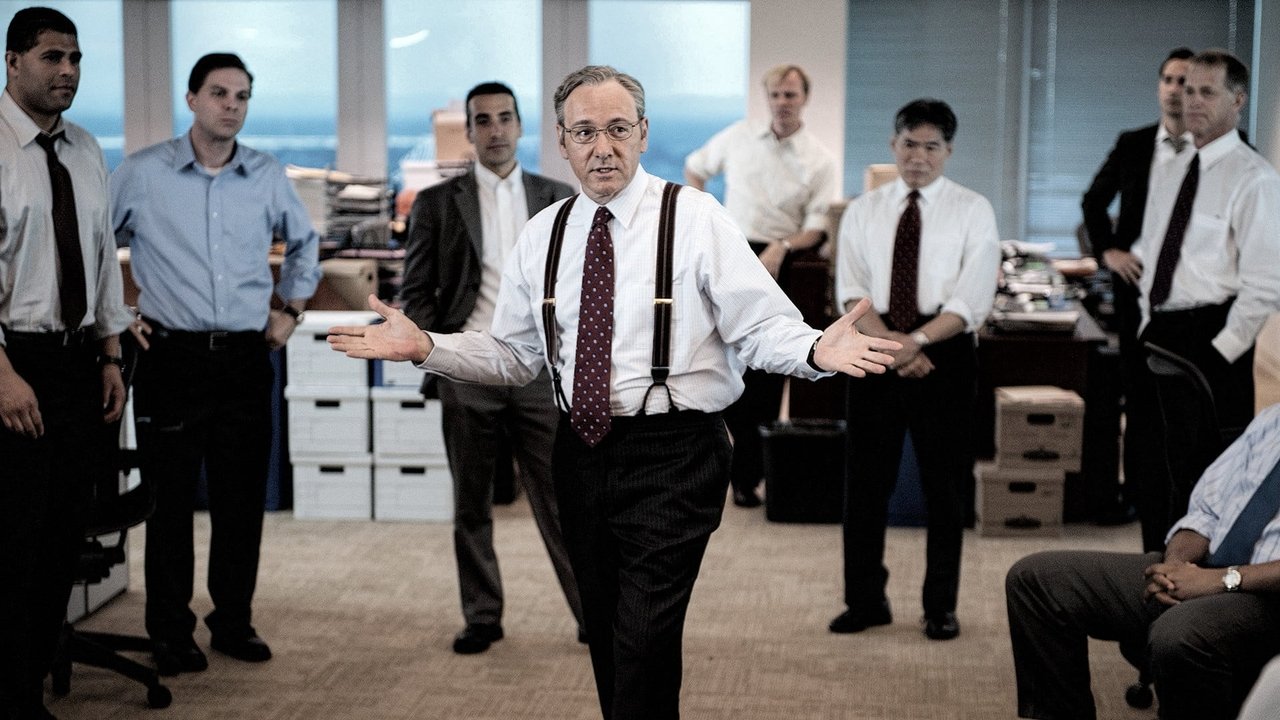
Opposite him is Kevin Spacey as Sam Rogers. Despite the real-world baggage now attached to the actor, Rogers serves as the film’s crumbling moral center. He’s a man who has spent 34 years at the firm and seems more distraught over his dying dog than the billions of dollars he’s about to evaporate. The chemistry between this ensemble—including a cold, calculated Simon Baker and a vulnerable Penn Badgley—is electric. They don’t feel like actors reciting lines; they feel like a pack of wolves realizing the forest is on fire.
The $3 Million Miracle
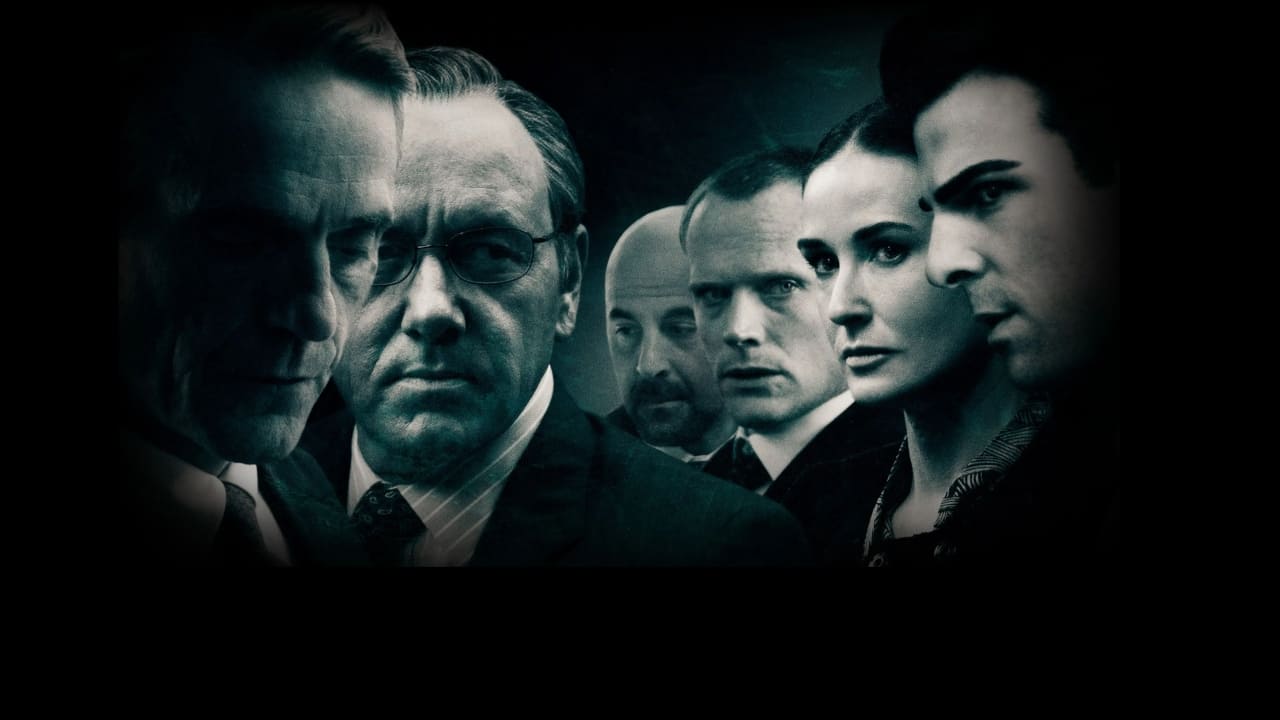
Looking back at the "Indie Renaissance" of the early 2010s, Margin Call stands out as a masterclass in resourcefulness. It’s hard to believe this was shot for a mere $3.5 million over the course of just 17 days. Because they couldn't afford a massive studio setup, they filmed in the actual offices of a defunct firm at 1 Penn Plaza in Manhattan. That authenticity leaks into every frame. The fluorescent lighting is harsh, the offices feel lived-in, and the claustrophobia is real. The film looks like it cost twenty times its actual budget, proving that a sharp script and a dedicated cast are worth more than any CGI spectacle.
Chandor, whose father actually worked at Merrill Lynch for decades, brings a level of insider detail that avoids the "Wolf of Wall Street" cartoonishness. There are no midget-tossing contests here; there’s just the quiet, soul-crushing reality of corporate survival. It captures that specific post-9/11, pre-streaming anxiety where the digital world was beginning to move faster than human ethics could keep up with. It’s a period piece that feels more relevant every year, especially as we continue to watch "once-in-a-lifetime" financial disasters happen every few Tuesdays.
Ultimately, Margin Call works because it isn't about the money—it’s about the cost of keeping a job. It’s a thriller that trades gunfights for boardroom debates, and it’s all the more gripping for it. By the time the sun rises over Manhattan in the final act, you feel as exhausted and complicit as the characters on screen. It’s a lean, mean, and terrifyingly smart look at the moment the music stopped, and I can’t recommend it enough for anyone who prefers their suspense served with a side of cold, hard reality.
Keep Exploring...
-

A Most Violent Year
2014
-

All Is Lost
2013
-
Felon
2008
-

Blood and Bone
2009
-

Monsters
2010
-

Undisputed III: Redemption
2010
-

The Orphanage
2007
-

The Girl Who Played with Fire
2009
-
Buried
2010
-

Locke
2014
-
Bound
1996
-
Pi
1998
-
Primer
2004
-

Hard Candy
2005
-
L.A. Confidential
1997
-

The Life of David Gale
2003
-

Inland Empire
2006
-
Lucky Number Slevin
2006
-

The Words
2012
-

Open Your Eyes
1997