Melancholia
"Celebrate the end. It’s going to be beautiful."
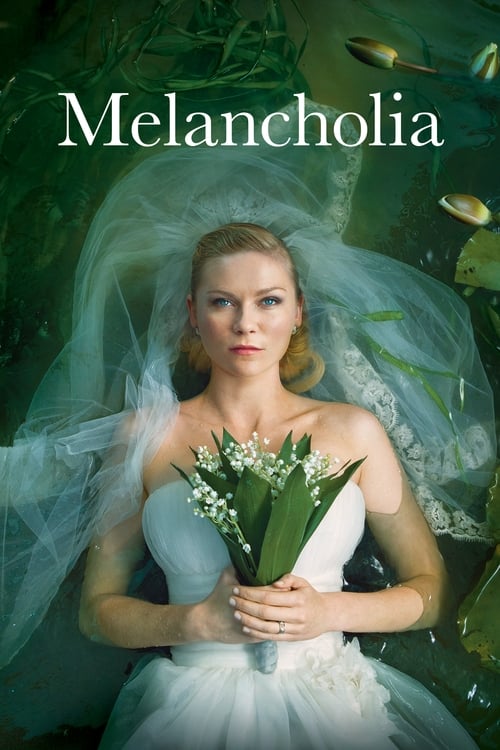
The first time I sat down to watch Melancholia, I was nursing a glass of lukewarm ginger ale that had gone completely flat. Usually, a lack of carbonation is a disappointment, but as the opening notes of Wagner’s Tristan und Isolde swelled and Kirsten Dunst appeared on screen in slow-motion bridal despair, that flat, syrupy sweetness felt like the only appropriate pairing. This isn't a "popcorn" movie in the traditional sense; it’s a film that asks you to sit in the stillness of the void and find the aesthetic beauty in total annihilation.
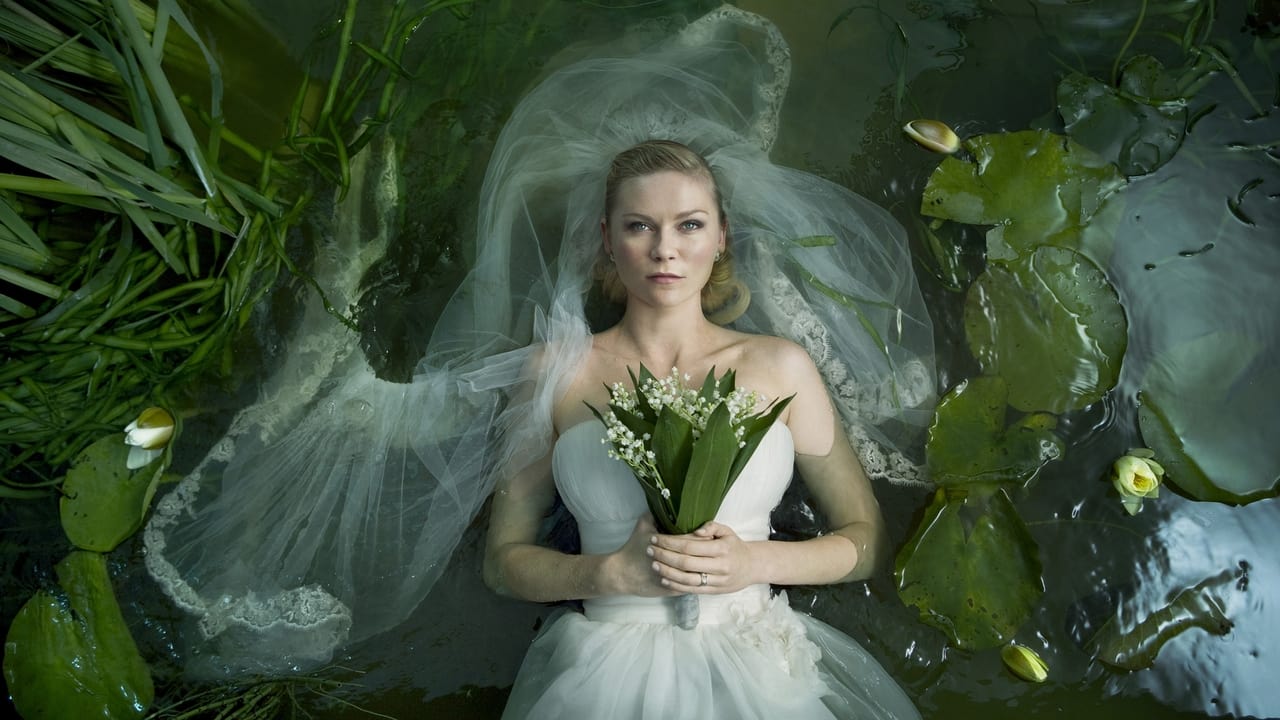
Released in 2011, Lars von Trier's masterpiece arrived at a fascinating crossroads for modern cinema. We were deep into the "pre-apocalypse" anxiety of the early 2010s, but while Hollywood was busy blowing up cities with CGI aliens, von Trier decided to destroy the world through the lens of a disastrous wedding reception and a strained relationship between two sisters. It’s a film that feels remarkably grounded despite the fact that a rogue planet is literally about to turn Earth into cosmic dust.
The Wedding Guest from Outer Space
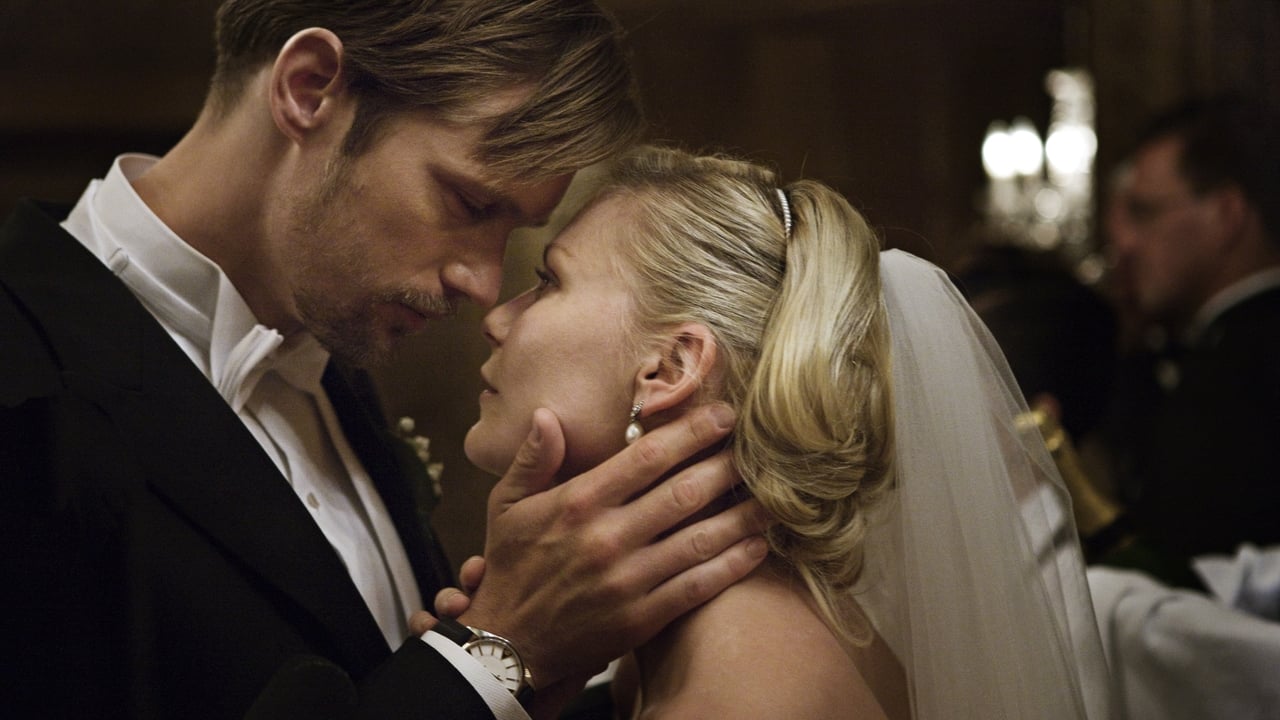
The film is split into two distinct acts, titled after the sisters: "Justine" and "Claire." In the first half, we follow Kirsten Dunst (Justine) through what should be the happiest day of her life. She’s marrying Alexander Skarsgård (Michael) at a lavish estate owned by her brother-in-law, played by Kiefer Sutherland (John). But Justine is drowning in a clinical depression so thick you can almost feel the humidity of it through the screen.
Dunst is a revelation here. Before this, I mostly associated her with the Spider-Man trilogy or the sunny pep of Bring It On, but her performance in Melancholia is arguably the best of her career. She captures that specific brand of depression where even the simplest tasks—like getting into a bathtub or cutting a piece of meat—feel like trying to move through wet cement. I’ve always maintained that depressive realism is basically a psychic superpower in this movie. While everyone else is frantically pretending things are fine, Justine is the only one who truly understands the futility of the ritual.
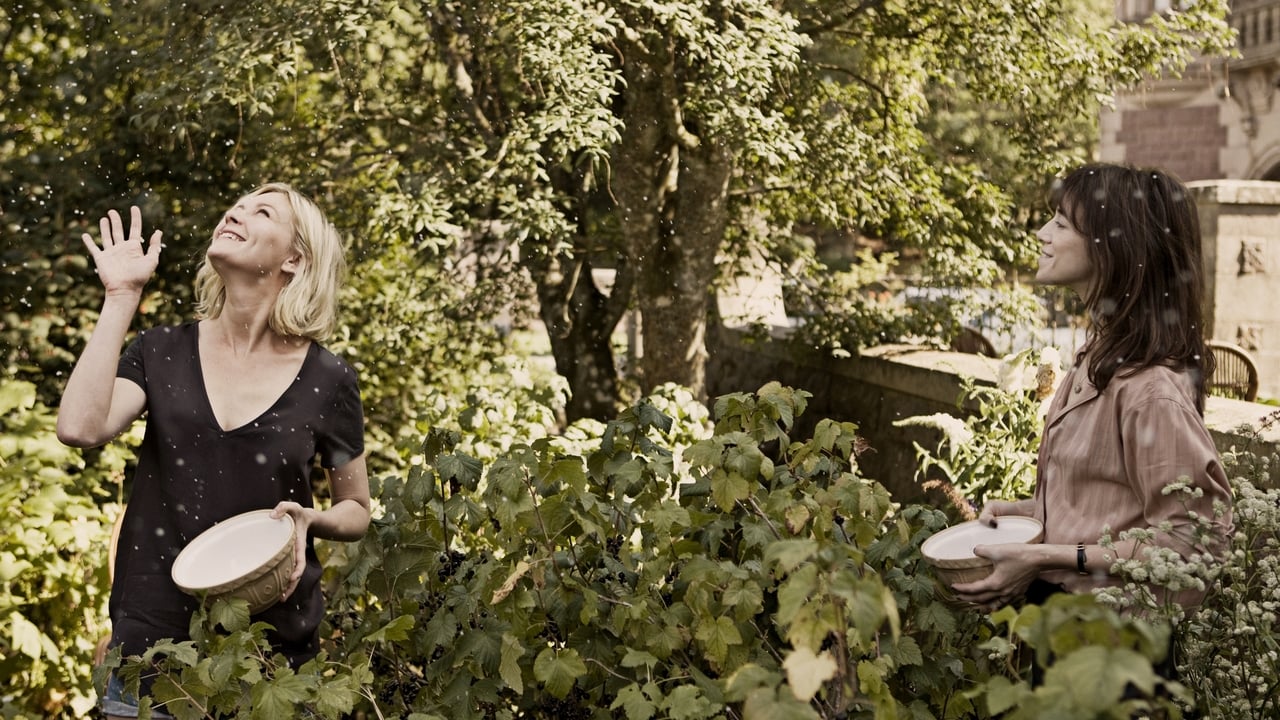
Her chemistry with Charlotte Gainsbourg (Claire) is the anchor of the film. Claire is the "sane" sister, the one trying to manage the caterers and the guest list, while their father (Stellan Skarsgård) acts like a buffoon and their mother (Charlotte Rampling) spits venom at the very concept of marriage. It’s the ultimate "cringe" comedy, but played with such funereal seriousness that you don't know whether to laugh or weep.
When the Science Fails
The second act shifts the focus to Claire’s rising panic as the planet Melancholia looms larger in the sky. This is where Kiefer Sutherland shines as the ultimate 2011-era rationalist. He represents that post-Y2K tech-optimism—he’s got the expensive telescope, he’s checked the websites, and he’s certain the "fly-by" will be a harmless spectacular. Watching him slowly realize that his wealth and his science can't save him is one of the most chilling parts of the film. Kiefer Sutherland plays a rich guy who is confidently wrong about everything, and it’s a brilliant subversion of his "action hero" persona.
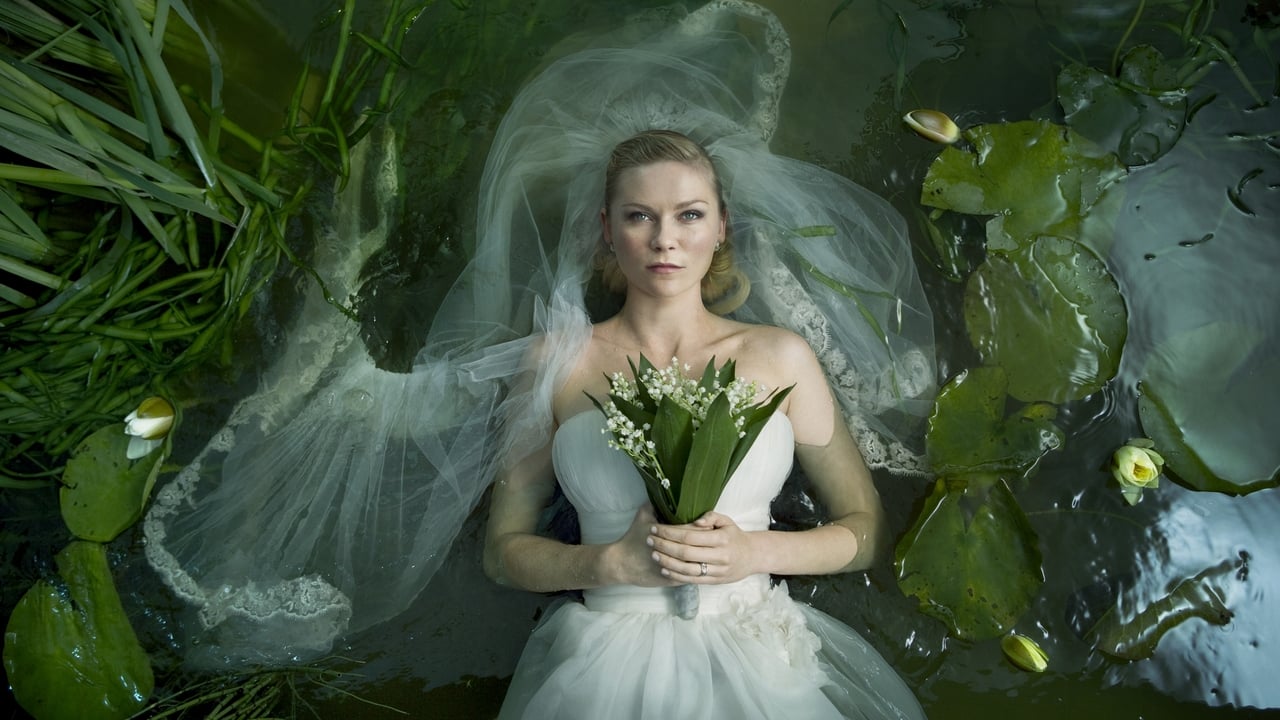
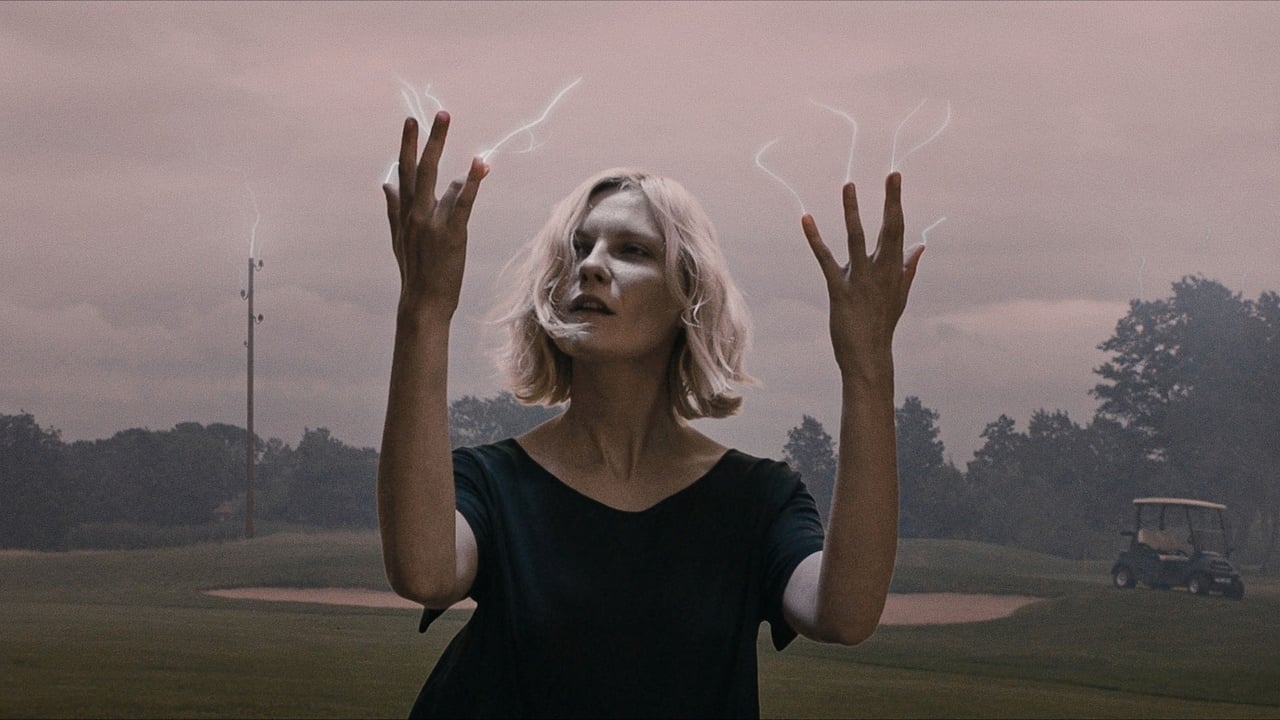
Technologically, the film is a fascinating artifact of the early digital era. Von Trier used the Arri Alexa, which was relatively new at the time, and the way it handles the lighting of the "two moons" (the sun and the encroaching planet) still looks stunning. Unlike the over-processed CGI of many 2011 blockbusters, the digital effects here feel integrated and painterly. The opening prologue—a series of hyper-slow-motion tableaux—was filmed at a staggering 1,000 frames per second using Phantom cameras. I remember reading that von Trier was inspired by his own bouts with deep depression, and those images—like Justine dragging a train of grey yarn through a forest—perfectly visualize the internal weight of the condition.
The Legend of the "Persona Non Grata"
You can't talk about Melancholia without mentioning the circus that surrounded its premiere at Cannes. Lars von Trier famously made some incredibly ill-advised jokes about Nazis during a press conference, leading the festival to ban him. It’s a classic "troubled production" story that nearly overshadowed the film itself. Apparently, Penelope Cruz was originally in line for the role of Justine, but she dropped out to do a Pirates of the Caribbean sequel. As much as I like Cruz, I can't imagine anyone but Dunst bringing that specific, hollow-eyed vacancy to the role.
The film also features a great bit of trivia regarding its soundtrack. Von Trier uses the prelude to Tristan und Isolde almost obsessively—it’s the only major musical motif in the movie. It’s an incredibly bold (and some would say repetitive) choice, but it creates this hypnotic, cyclical feeling. It’s as if the movie itself is caught in a gravitational pull it can’t escape. It turns the ending—which I won’t spoil, though the title gives you a hint—into a moment of profound, operatic catharsis rather than just a "disaster movie" finale.
Looking back at the cinema of the early 2010s, Melancholia stands out because it treats the end of the world as a psychological mercy. It’s a cult classic for anyone who has ever felt out of step with the "happiness" expected of them. It’s big, it’s pretentious, it’s occasionally frustrating, but it’s also one of the most honest depictions of mental illness ever put to film. If you’re in the mood for something that isn't just "fine," but is instead utterly, beautifully devastating, this is the one. Just make sure your ginger ale is cold—or flat, if you really want the full experience.
Keep Exploring...
-
Antichrist
2009
-
Dogville
2003
-

Nymphomaniac: Vol. I
2013
-

Nymphomaniac: Vol. II
2013
-
Breaking the Waves
1996
-

Dancer in the Dark
2000
-
Never Let Me Go
2010
-
Snowpiercer
2013
-
The Fountain
2006
-
The Host
2006
-

Moon
2009
-
Upside Down
2012
-

The House That Jack Built
2018
-

Marie Antoinette
2006
-
Children of Men
2006
-
The Girl Who Leapt Through Time
2006
-
Contagion
2011
-
Real Steel
2011
-
Cloud Atlas
2012
-
Elysium
2013