Mission: Impossible - Ghost Protocol
"No backup. No safety net. No room for error."
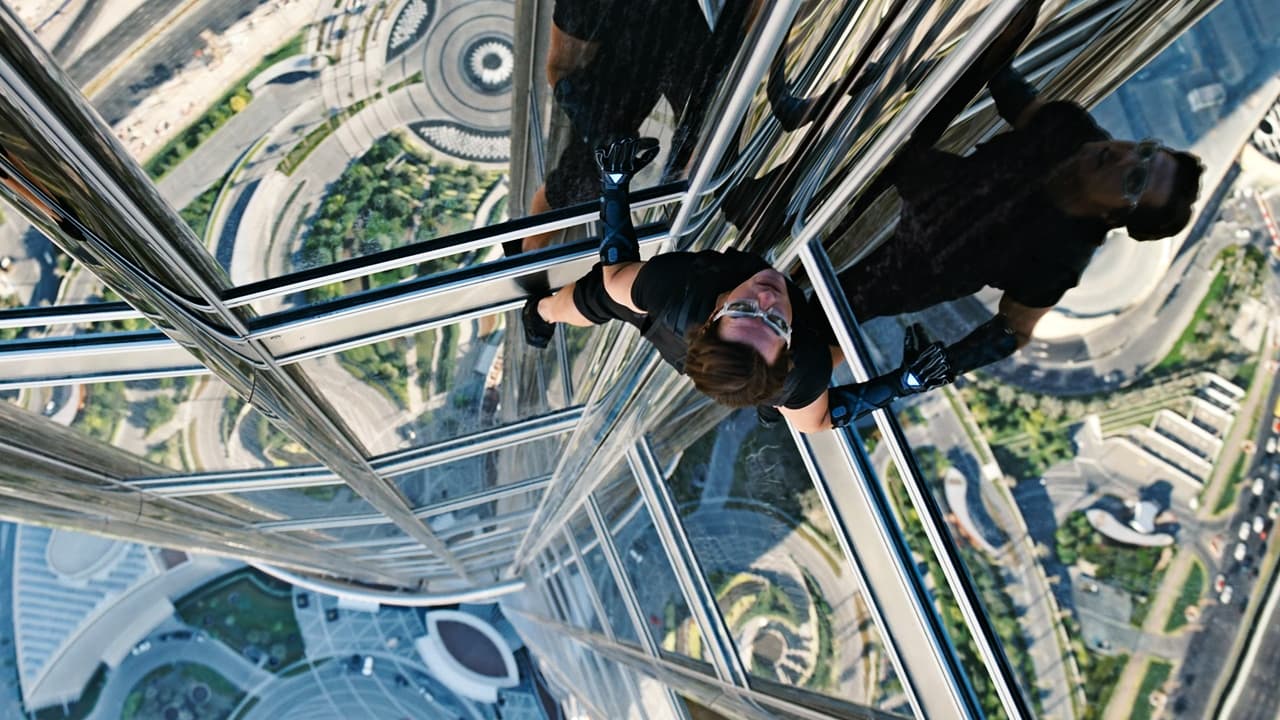
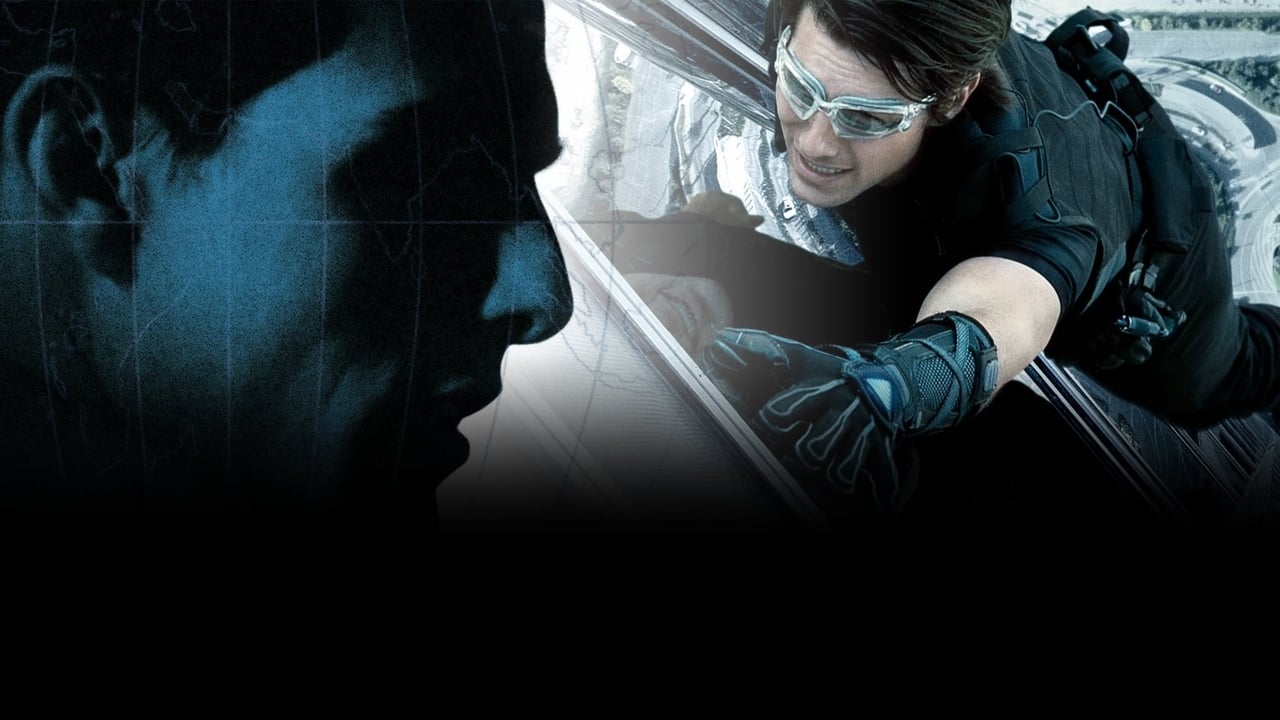
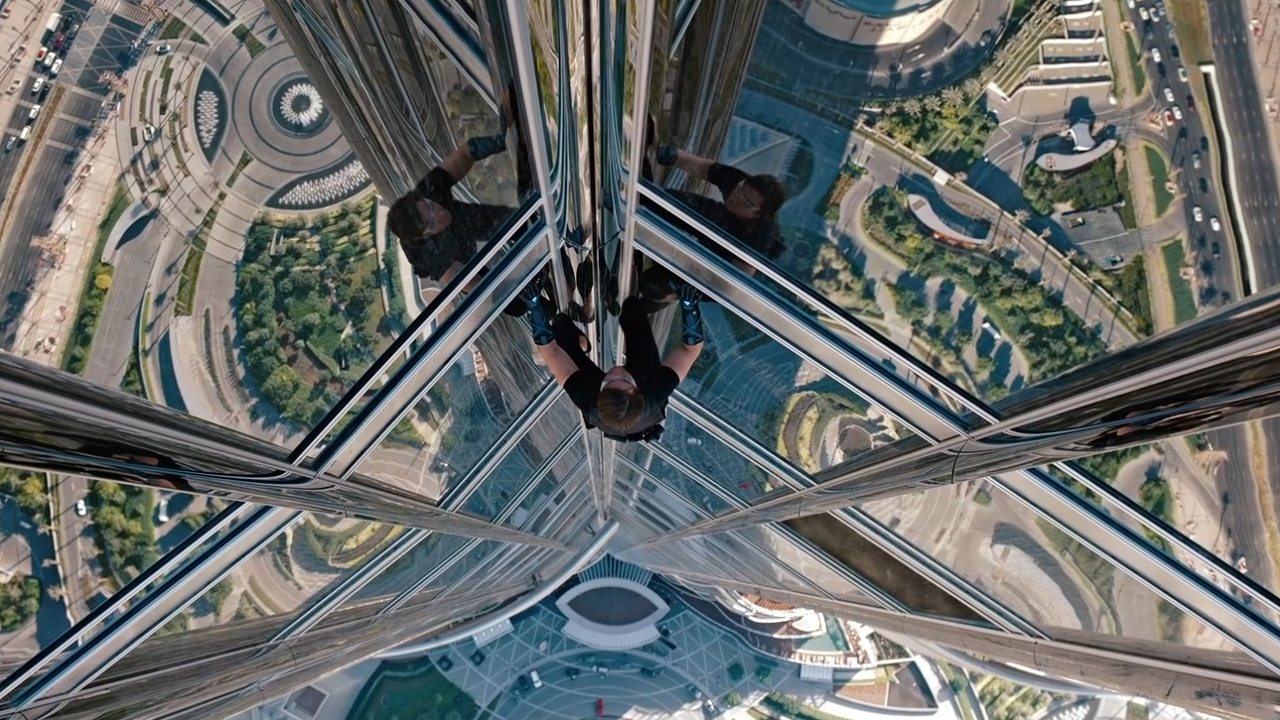
I remember watching the Burj Khalifa sequence for the first time while wearing a pair of jeans that were two sizes too small. As Tom Cruise scaled the side of that glass needle in Dubai, the physical constriction of my denim actually added a secondary, unintended layer of sympathetic tension to the scene. I wasn’t just watching Ethan Hunt struggle for breath; I was living it. That’s the magic of Mission: Impossible - Ghost Protocol. It’s a film that doesn't just ask for your attention; it hijacks your nervous system.
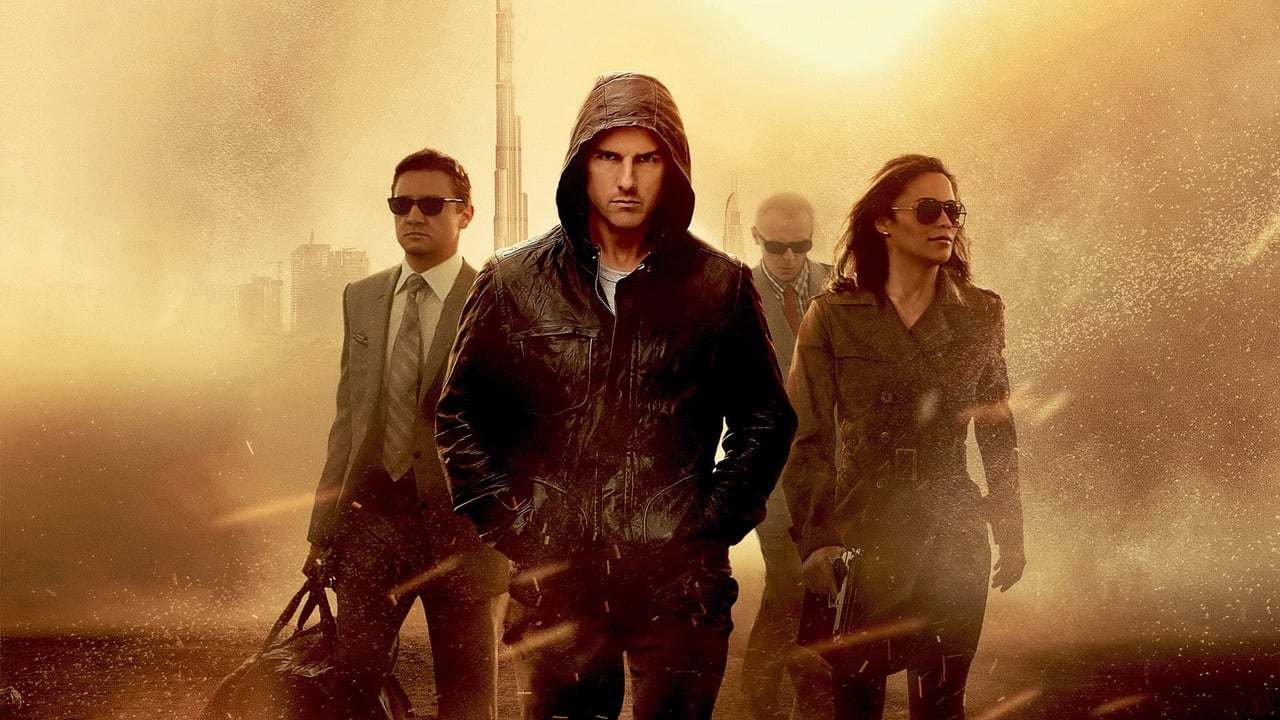
By 2011, the Mission: Impossible franchise was in a weird spot. The third entry had been a solid, JJ Abrams-led spy thriller, but the brand felt a bit tired. Enter Brad Bird. At the time, Brad Bird was the wizard of Pixar, the man behind The Incredibles and Ratatouille. Transitioning from the infinite possibilities of animation to the rigid physics of live-action usually results in a bit of a learning curve, but Bird brought something the genre desperately needed: visual clarity. In an era where "shaky-cam" was still the go-to for masking poor choreography, Bird insisted on wide shots and a geographical sense of space that made every punch and every plummet feel terrifyingly real.
The Geography of Dread
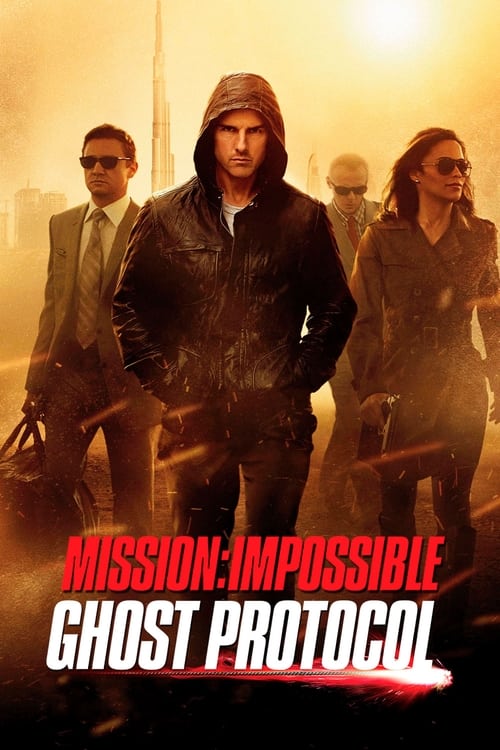
The plot kicks off with a literal bang—the Kremlin is reduced to rubble in a sequence that feels uncomfortably heavy for a "popcorn" flick. This isn't just a spy movie; it’s a high-stakes survival horror where the monsters are nuclear launch codes and the lack of a government safety net. When the President initiates "Ghost Protocol," Ethan and his team are cut loose. There’s no Q-Branch to fix their gadgets. In fact, most of the tech in this movie—from the facial recognition contact lenses to the magnetic climbing gloves—fails at the worst possible moment.
I’ve always felt that the real villain of the movie isn't the terrorist Hendricks, but the malfunctioning equipment. Hendricks, played by Michael Nyqvist (of The Girl with the Dragon Tattoo fame), is a bit of a cipher—he has the onscreen personality of a damp spreadsheet. However, the threat he represents is grimly serious. The film leans into the post-9/11 anxiety of a world where a single rogue element can bypass the checks and balances of global superpowers. There is a weight to the "Ghost Protocol" status; the team looks tired, bruised, and genuinely desperate.
A New Team Dynamic
This was the first time the franchise felt like a true ensemble. Paula Patton brings a fierce, grieving intensity to Jane, while Jeremy Renner—who was reportedly being groomed to take over the franchise at the time—adds a layer of mysterious guilt as Brandt. And then there’s Simon Pegg. After a brief cameo in the third film, his Benji is promoted to field agent, providing necessary levity without undercutting the stakes.
The chemistry here works because it feels earned. When they’re huddled in a cramped Russian train car, plotting a heist with nothing but a few stolen gadgets and sheer audacity, you feel the isolation. They aren't superheroes; they’re four people in a room trying to stop the end of the world with the equivalent of duct tape and a dream. The cinematography by Robert Elswit, who worked on There Will Be Blood, gives the film a crisp, almost cold look that emphasizes the metallic surfaces of Dubai and the grit of Mumbai.
The $694 Million Gamble
Looking back, the scale of this production was staggering. Tom Cruise famously fired his insurance company so he could perform the Burj Khalifa stunt himself, hanging 1,700 feet above the desert floor. It’s the kind of practical dedication that defined cinema's transition period. We were moving into an era of green-screen saturation, yet here was the world's biggest movie star actually screaming against a glass pane in the sky.
The gamble paid off. Ghost Protocol didn't just succeed; it exploded, hauling in over $694 million worldwide and becoming the highest-grossing film of Cruise’s career at the time. It proved that audiences were hungry for spectacle that felt tangible. The IMAX presentation was a huge part of that; the film was one of the first major blockbusters to use IMAX cameras for specific sequences, causing the aspect ratio to expand and swallow the viewer whole during the climb. It was an event in every sense of the word.
Ghost Protocol is the rare fourth installment that outclasses almost everything that came before it. It’s a masterclass in tension, utilizing a "darker" sense of isolation to make the eventual triumphs feel hard-won rather than inevitable. It took a franchise that was nearly disavowed and turned it into the gold standard for modern action cinema. If you haven't revisited it lately, do yourself a favor: find the biggest screen possible, grab a drink, and maybe wear some loose-fitting pants. You’re going to need the room to breathe.
Keep Exploring...
-
Mission: Impossible
1996
-
Mission: Impossible III
2006
-
Mission: Impossible II
2000
-
Mission: Impossible - Dead Reckoning Part One
2023
-
Mission: Impossible - The Final Reckoning
2025
-

Mission: Impossible - Rogue Nation
2015
-
Mission: Impossible - Fallout
2018
-
The Hunger Games
2012
-
Casino Royale
2006
-

Skyfall
2012
-
The Rock
1996
-

The Matrix Reloaded
2003
-
Minority Report
2002
-
The Incredibles
2004
-
Star Trek: First Contact
1996
-
National Treasure: Book of Secrets
2007
-

RED
2010
-
The Expendables
2010
-
The Expendables 2
2012
-
300
2007